
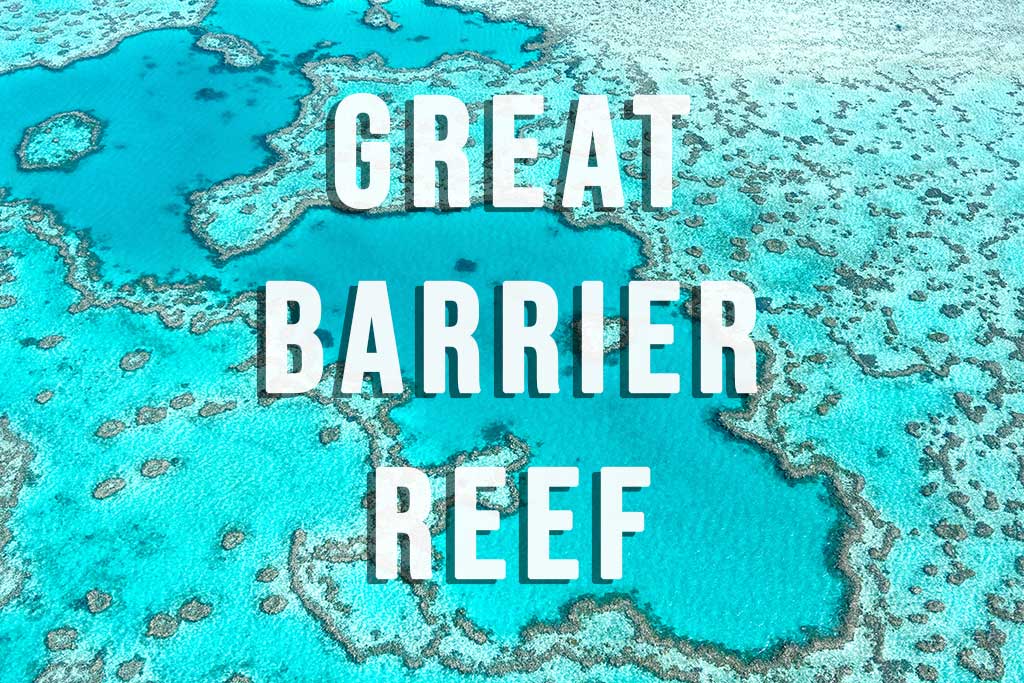
The Great Barrier Reef is the largest coral reef system in the world, extending for approximately 2,300 kilometres along the northeastern coast of Queensland. It comprises around 3,000 individual reefs and hundreds of islands, forming a complex marine ecosystem visible even from space. The reef supports a wide range of biodiversity, including hard and soft corals, reef fish, molluscs, marine mammals and sea turtles.

Designated a UNESCO World Heritage Site in 1981, the reef is recognised for both ecological significance and scientific value. It functions as a natural barrier, protecting sections of the Australian coastline from ocean swells while sustaining commercial fisheries and tourism industries. Management is overseen by the Great Barrier Reef Marine Park Authority, with zoning regulations intended to balance conservation and public access. Environmental pressures, including coral bleaching linked to rising sea temperatures, have increased the importance of long-term preservation strategies.
The Best Places to Visit on the Great Barrier Reef
When visiting the Great Barrier Reef, access is typically via coastal towns in Queensland that serve as departure points for reef tours. The following are the principal gateways used by visitors:
Cairns

Cairns is the principal gateway to the northern section of the Great Barrier Reef. Located in tropical North Queensland, it functions as a departure point for day trips and multi-day liveaboard diving vessels to the Outer Reef. The city has an international airport and developed tourism infrastructure. Its waterfront esplanade, marina and tour operators are oriented toward reef-based activities and marine excursions.
Port Douglas

Port Douglas is a coastal town north of Cairns and provides direct access to the northern Great Barrier Reef. Its marina serves as a departure point for Outer Reef diving and snorkelling excursions, often with shorter travel times than from Cairns. The town has a compact centre, resort accommodation and proximity to the Daintree Rainforest, combining marine and rainforest environments within a single region.
Airlie Beach
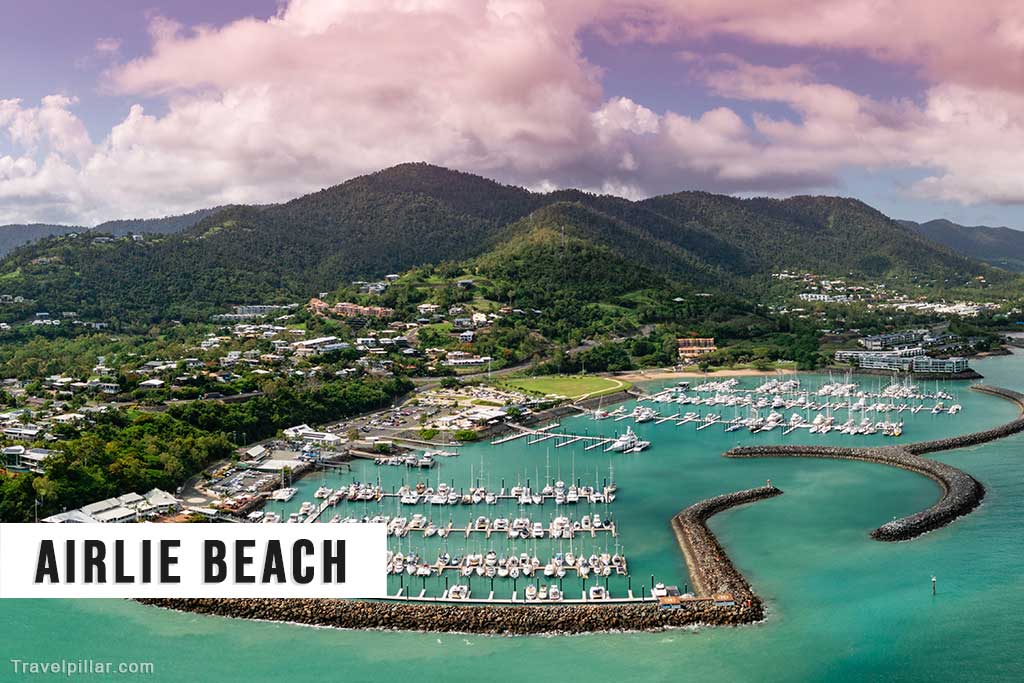
Airlie Beach is the main mainland gateway to the Whitsunday Islands and the central section of the Great Barrier Reef. Its marina accommodates sailing vessels, catamarans and reef tour operators offering day trips and multi-day cruises. The town has a developed tourism infrastructure, including accommodation and waterfront facilities, and serves as a practical base for exploring nearby coral reefs and island beaches.
Whitsunday Islands

The Whitsunday Islands comprise a group of continental islands located within the central section of the Great Barrier Reef. Many are designated national park, with limited development outside key resort islands. The area is known for white sand beaches, including Whitehaven Beach, and sheltered sailing routes. The islands function as both accommodation bases and departure points for snorkelling and reef excursions.
Google map – The Whitsundays
Townsville
Townsville is a regional city in northern Queensland providing access to the central Great Barrier Reef. It serves as a departure point for reef trips and for ferries to Magnetic Island. The city supports research institutions focused on marine science and offers a less resort-oriented alternative to Cairns. Its port, waterfront and proximity to reef systems make it a practical base for structured marine excursions.
Hamilton Island
Hamilton Island
Hamilton Island is one of the few inhabited islands within the Whitsunday group and functions as a resort-based access point to the Great Barrier Reef. It has its own airport, marina and organised tour departures to outer reef sites. Accommodation ranges from hotels to private residences. The island combines managed tourism infrastructure with proximity to coral reefs and protected marine environments.
Bundaberg
Bundaberg is located in southern Queensland and serves as a gateway to the southern Great Barrier Reef. It provides access to coral cay islands such as Lady Elliot Island and Lady Musgrave Island, known for clear water and reef visibility. The town has a regional airport and established tour operators. It offers a quieter alternative to northern reef centres while maintaining structured marine access.
Choice of access point depends on travel logistics, desired reef type (outer reef, coral cay or island-based), and level of tourism infrastructure required.
Best Time to Visit
The best time to visit the Great Barrier Reef is during the Australian winter (June to October) when the weather is mild, and the water conditions are optimal for underwater activities.
This period also avoids the stinger season (November to May), when dangerous box jellyfish are more prevalent in the waters.