
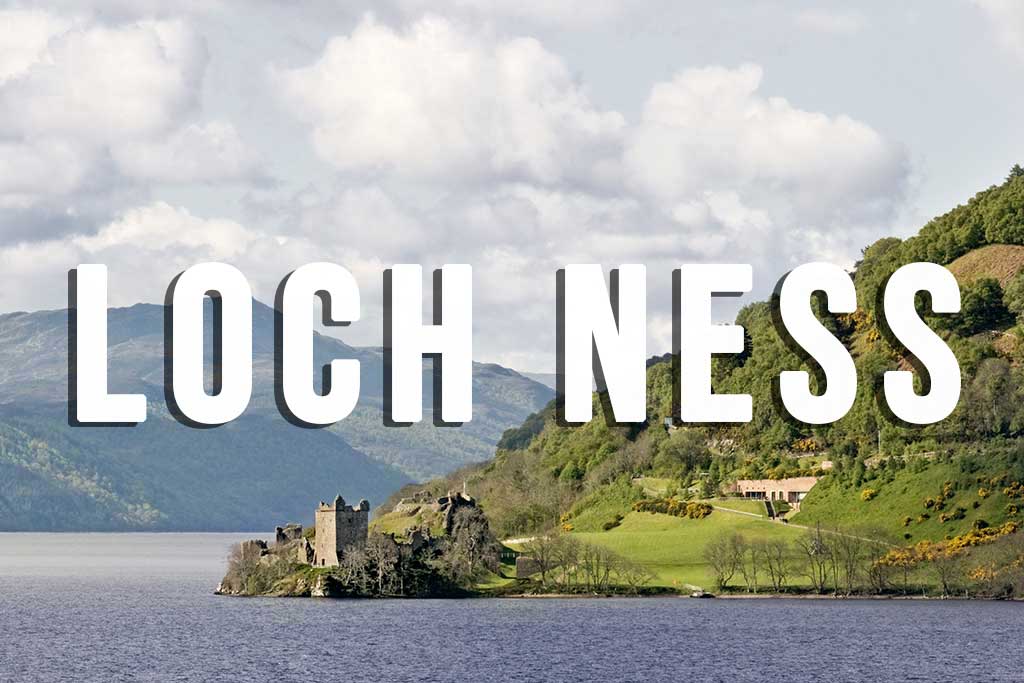
Loch Ness is a large, deep, freshwater loch in the Scottish Highlands, extending approximately 37 kilometers (23 miles) southwest of Inverness. It is the second largest loch in Scotland by surface area and the largest by volume, containing more freshwater than all the lakes of England and Wales combined. The loch is part of the Great Glen, a geological fault line that stretches from Fort William in the southwest to Inverness in the northeast.
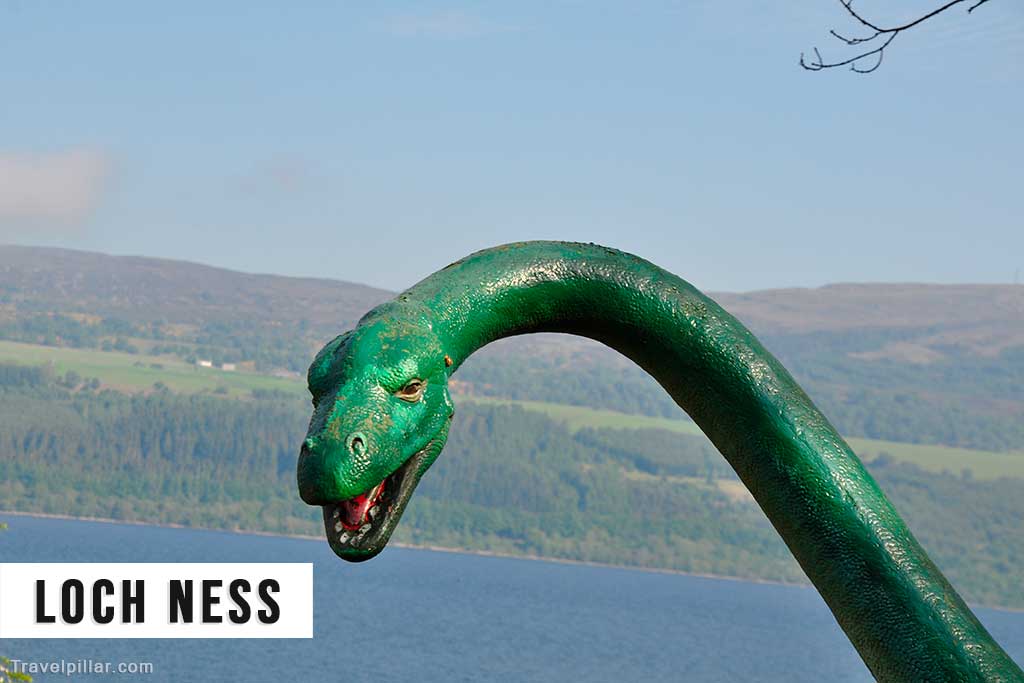
The loch is perhaps best known for its alleged inhabitant, the Loch Ness Monster, affectionately known as “Nessie.” While the existence of this elusive creature has never been scientifically proven, numerous sightings have been reported since the 1930s, drawing tourists and researchers to the area.
Loch Ness is surrounded by picturesque landscapes, including the wooded hillsides of the Great Glen Way, a popular long-distance walking and cycling route. At the northeastern end of the loch lies the historic village of Drumnadrochit, which is home to the Loch Ness Centre and Exhibition, a museum that explores the history, geology, and folklore of the area.
At the southwestern end of the loch, visitors can explore the impressive ruins of Urquhart Castle, a medieval fortress that played a significant role in the Wars of Scottish Independence. With its rich history, stunning scenery, and enduring mystery, the loch remains a fascinating destination for travelers to the Scottish Highlands.
Loch Ness Highlights
A82 West Shoreline Drive
A82 West Shoreline Drive is a scenic route that follows the western shoreline of Loch Ness in the Scottish Highlands. This popular drive offers travelers unparalleled views of the loch, its surrounding forests, and the rugged hills that define the area. Along the route, visitors can stop at various viewpoints and attractions, including the Loch Ness Centre & Exhibition, as well as engage in outdoor pursuits like hiking and wildlife spotting.
Urquhart Castle
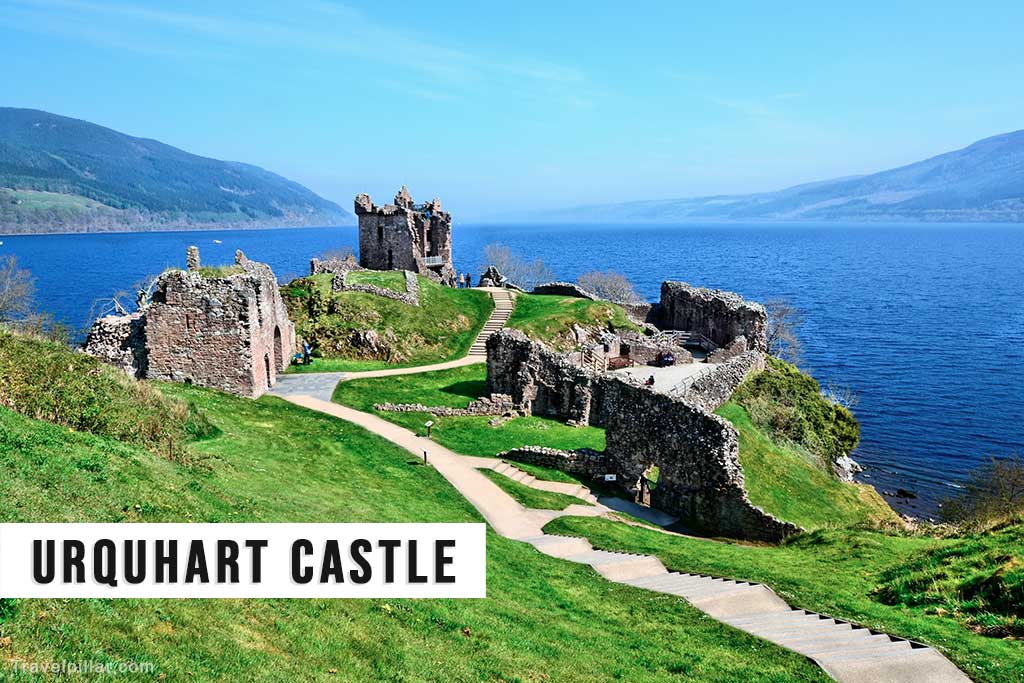
Urquhart Castle is a medieval fortress situated on a rocky promontory overlooking the shores of Loch Ness in the Scottish Highlands. With a history dating back to the 13th century, the castle has been witness to numerous sieges and conflicts, including the Wars of Scottish Independence. Today, the castle’s ruins are managed by Historic Environment Scotland, allowing visitors to explore the site’s rich history, enjoy interactive exhibits, and take in the stunning views of the loch and the surrounding landscapes.
Official website: https://www.historicenvironment.scot/
Google map Castle 4.5/5
Google map Car park
Loch Ness Cruises
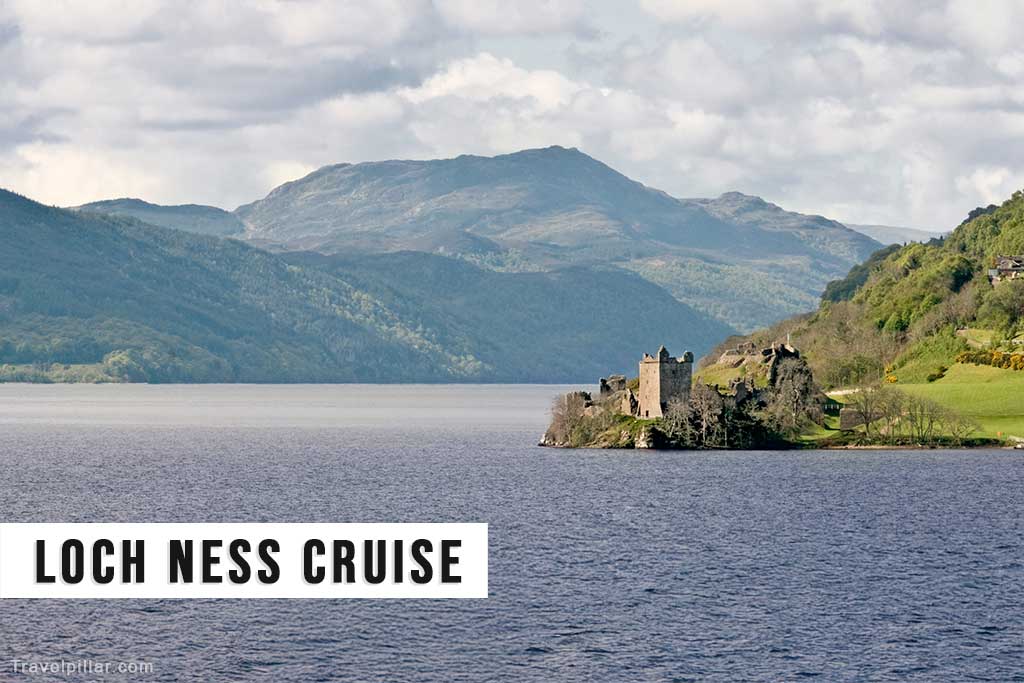
Taking s Loch Ness cruise is a popular tourist activity that allows visitors to explore the vast expanse of the loch while enjoying its stunning beauty and searching for the elusive Loch Ness Monster. Several companies operate cruises, offering a range of experiences, including guided tours, sonar equipment, and onboard refreshments. By traversing the waters of this iconic loch, guests can appreciate its vastness, dramatic scenery, and captivating history.
Falls of Foyers
Falls of Foyers is an impressive waterfall situated on the River Foyers, which feeds into the southeastern shore of Loch Ness. The falls cascade 165 feet into a deep gorge, surrounded by lush woodlands and moss-covered rocks. Accessible via a network of paths and steps, the Falls of Foyers offer visitors a peaceful retreat and a chance to witness the power and beauty of this natural spectacle while exploring the surrounding woodland trails.
Google map Falls of Foyers 4.5/5
Google map Car park
Dores Beach
Dores Beach is a picturesque, pebble-strewn shoreline located on the northeastern end of Loch Ness, offering panoramic views of the loch and its surrounding hills. This tranquil spot provides visitors with opportunities for leisurely strolls, picnics, and wildlife watching, including sightings of various bird species and the occasional otter. Nearby, the Dores Inn, a traditional Scottish pub, serves food and drinks, making Dores Beach an ideal destination for a relaxing day out by the loch.
Google map 4.7/5
Invermoriston Falls
Invermoriston Falls is a series of cascading waterfalls on the River Moriston, located in the small village of Invermoriston on the western shore of Loch Ness. Accessible via a short walk from the village center, these picturesque falls are accompanied by a historic arched bridge designed by Thomas Telford in the early 19th century. The surrounding woodlands and well-maintained trails offer a serene setting for visitors to enjoy the falls’ beauty, as well as opportunities for birdwatching and nature photography.
Google map Upper Falls 4.9/5
Google map Car park
Fort Augustus
Fort Augustus is a charming village situated at the southern end of Loch Ness in the Scottish Highlands. Named after the 18th-century fort that once stood nearby, the village is now a popular tourist destination, featuring the impressive Caledonian Canal and a series of locks. Visitors can enjoy leisurely strolls along the canal, visit the Clansman Centre to learn about traditional Highland life, or embark on boat trips to explore the stunning scenery and wildlife of Loch Ness.
Drumnadrochit
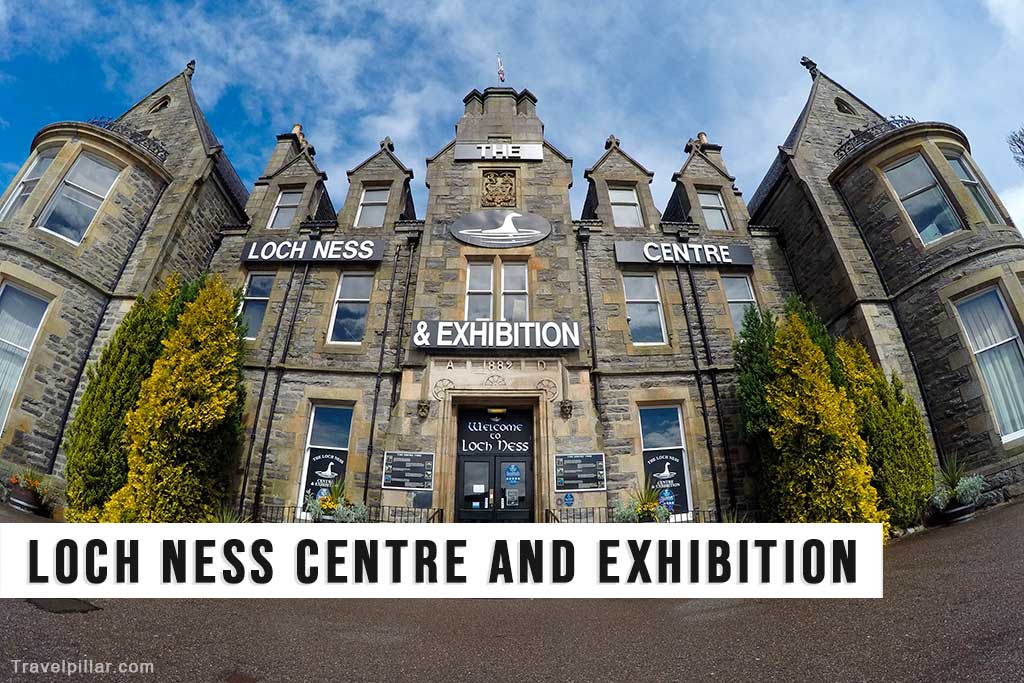
Drumnadrochit is a village on the western shore of Loch Ness, known for its proximity to Urquhart Castle and its connection to the Loch Ness Monster legend. It houses the Loch Ness Centre, which presents scientific and historical exhibits related to the loch. The village provides accommodation, restaurants, and access to walking trails. Drumnadrochit serves as a practical base for exploring the surrounding area and joining local Loch Ness cruises.
Google map Village
Google map Urquhart Castle 4.5/5
Google map The Loch Ness Centre 4.3/5
Google map Loch Ness Cruises 4.8/5
Plodda Falls
Plodda Falls is a spectacular waterfall located near the village of Tomich in the Scottish Highlands, approximately 15 miles southwest of Loch Ness. With a drop of 151 feet, the falls are surrounded by dense coniferous forest, creating a tranquil and picturesque setting. Accessible via a well-maintained path, visitors can enjoy a short walk through the lush woodland to reach a viewing platform, offering a breathtaking vantage point of the cascading waters and the beautiful Glen Affric.
Google map 4.8/5
Great Glen Way
Great Glen Way is a long-distance footpath that stretches 79 miles from Fort William to Inverness, following the geological fault line known as the Great Glen. Established in 2002, the trail traverses a variety of terrains, including canal towpaths, forest tracks, and open moorlands, offering walkers breathtaking views of Loch Ness and the surrounding landscapes. The route can be completed in 5-7 days and provides an opportunity to experience Scotland’s natural beauty, history, and diverse wildlife.
South Loch Ness Trail
South Loch Ness Trail is a 28-mile walking and cycling route that follows the southeastern shore of Loch Ness, running between Fort Augustus and Torbreck on the outskirts of Inverness. The trail offers visitors a more secluded and tranquil experience compared to the busier A82 West Shoreline Drive, showcasing picturesque landscapes, charming villages, and hidden gems of the area. The South Loch Ness Trail is an ideal choice for those seeking a quieter exploration of the iconic loch.
Loch Ness 360 Trail
Loch Ness 360 Trail is an 80-mile circular route that circumnavigates Loch Ness, combining the Great Glen Way and South Loch Ness Trail into a 6-day adventure. This challenging and rewarding experience offers walkers and cyclists an opportunity to fully immerse themselves in the natural beauty, history, and folklore of the region. With diverse terrain and stunning views at every turn, the Loch Ness 360 Trail is an unforgettable journey for outdoor enthusiasts.