

Girona is a historic city located in northeastern Spain‘s Catalonia region. Situated near the confluence of the Ter, Onyar, Galligants, and Güell rivers, Girona is known for its preserved medieval architecture, ancient fortifications, and a vibrant culinary scene.
The city features an Old Quarter, or Barri Vell, with narrow cobblestone streets, Gothic churches, and charming plazas, contrasted by the colourful façades of houses on the Onyar River, often compared to Italy’s Florence. The city is dominated by the Girona Cathedral, an imposing church with the widest Gothic nave in the world.
Among the city’s significant landmarks is the well-preserved medieval Jewish Quarter, or Call Jueu, one of the best-preserved in Europe, with its labyrinthine streets, historic synagogues, and the Museum of Jewish History. Also notable are the Arab Baths, influenced by Roman tradition, and the city’s ancient defensive walls offering panoramic views of Girona and the surrounding countryside.
Girona is also famous for its annual ‘Temps de Flors’ festival, where the city’s streets, monuments, and courtyards are adorned with floral displays, attracting visitors from around the world. Rich in history, culture, and cuisine, Girona is a captivating destination in Catalonia.
Official tourism website: https://www.girona.cat/turisme/eng/
Google map of Girona
The Best Places to Visit in Girona
Girona Cathedral
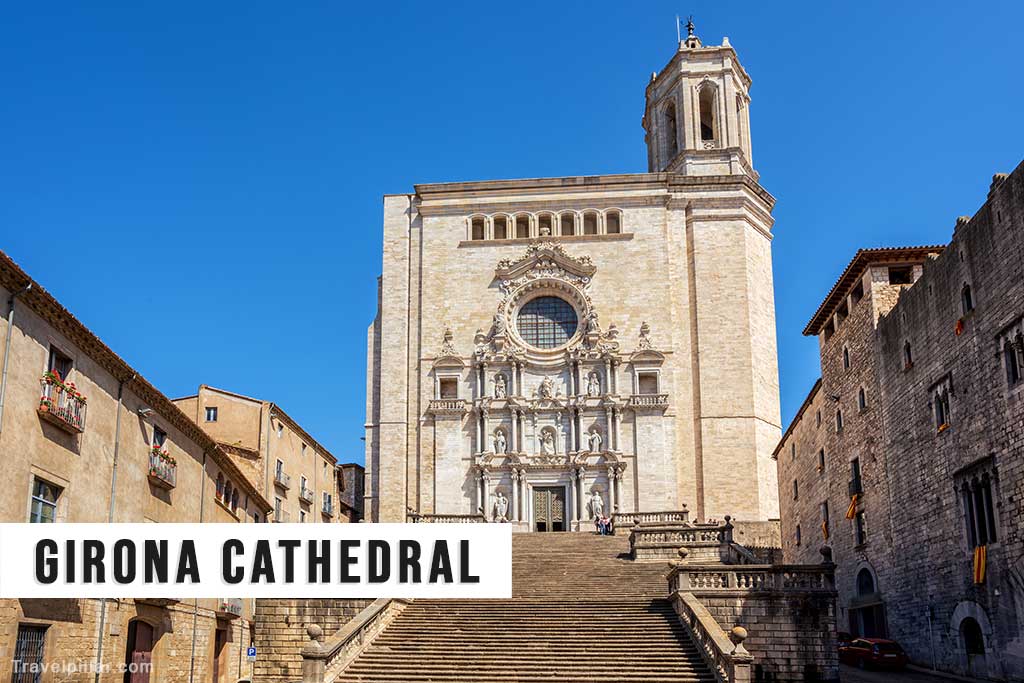
Girona Cathedral, also known as the Cathedral of Saint Mary of Girona, is a prominent landmark in Girona, Spain. Constructed between the 11th and 18th centuries, it features various architectural styles from Romanesque to Gothic. Its imposing façade is dominated by a grand staircase and a baroque portico. The cathedral’s interior is famous for having the widest Gothic nave in the world. It houses a museum displaying a valuable collection of tapestries, artwork, and liturgical items.
Google map 4.6/5
Girona City Walls (Muralles de Girona)

Girona’s City Walls, also known as Passeig de la Muralla, are well-preserved medieval fortifications encircling the old part of Girona. Offering a scenic walking path, the walls provide stunning views of the city’s historic district and surrounding landscape. They embody Girona’s rich history, dating back to Roman times and expanded during the Middle Ages.
Google map 4.7/5
Girona’s Old Town (Barri Vell)
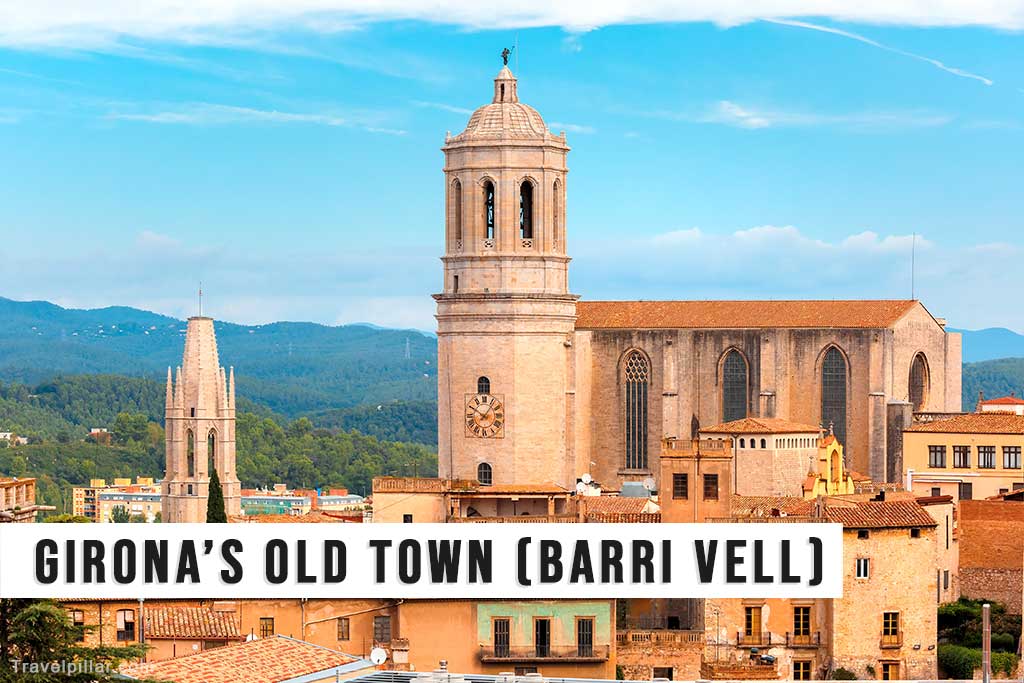
Barri Vell, or Old Quarter, is the historic heart of Girona. Characterized by narrow cobblestone streets, it hosts significant landmarks including the Girona Cathedral and Arab Baths. Its well-preserved Jewish Quarter is among the best in Europe, representing Girona’s multicultural history.
Google map 4.5/5
Eiffel Bridge (Pont de les Peixateries Velles)
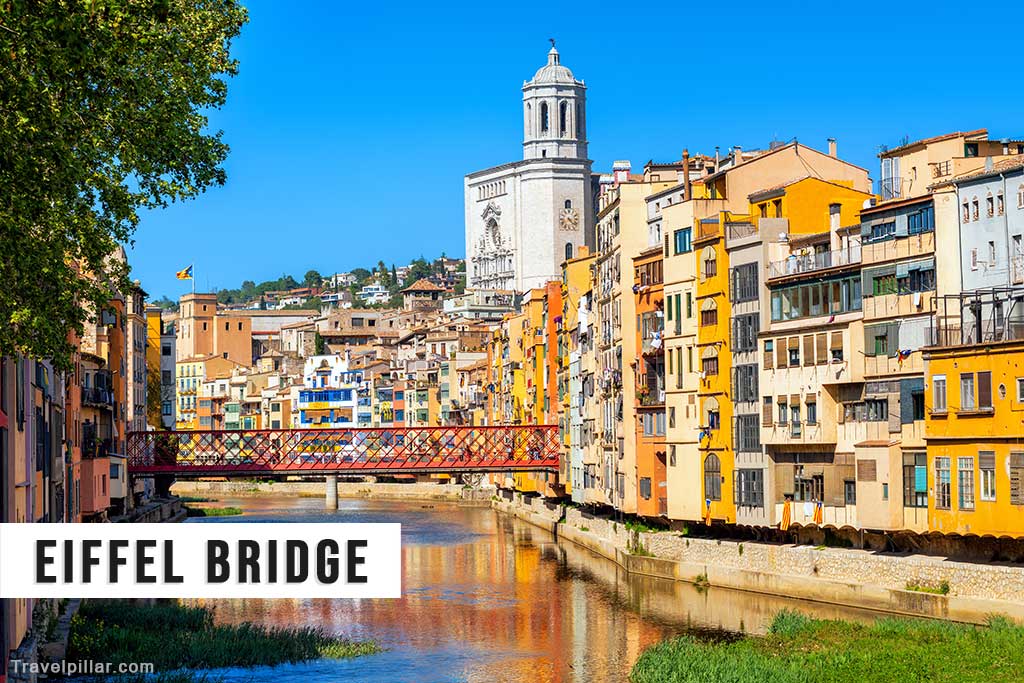
Pont de les Peixateries Velles, often referred to as Eiffel Bridge, is an iconic iron bridge spanning the Onyar River in Girona. Constructed by Gustave Eiffel’s company in 1877, just before the Eiffel Tower, it offers picturesque views of colorful riverside houses and links Barri Vell to the modern part of the city.
Google map 4.5/5
Sant Pere de Galligants Monastery

Sant Pere de Galligants Monastery is a Romanesque Benedictine abbey situated in Girona. Established in the 12th century, its prominent features include a three-story bell tower and a cloister with ornamented capitals. Today, it houses the Archaeological Museum of Catalonia-Girona, showcasing artifacts from prehistory to the Middle Ages.
Google map 4.5/5
Girona Art Museum (Museu d’Art de Girona)
Girona Art Museum (Museu d’Art de Girona) is located in the former Episcopal Palace in Girona’s Old Quarter. It houses a vast collection of art from different periods, ranging from Romanesque and Gothic art to contemporary works. The museum provides a comprehensive overview of the region’s artistic evolution, and its collections include painting, sculpture, and decorative arts.
Google map 4.5/5
Independence Square (Plaça de la Independència)
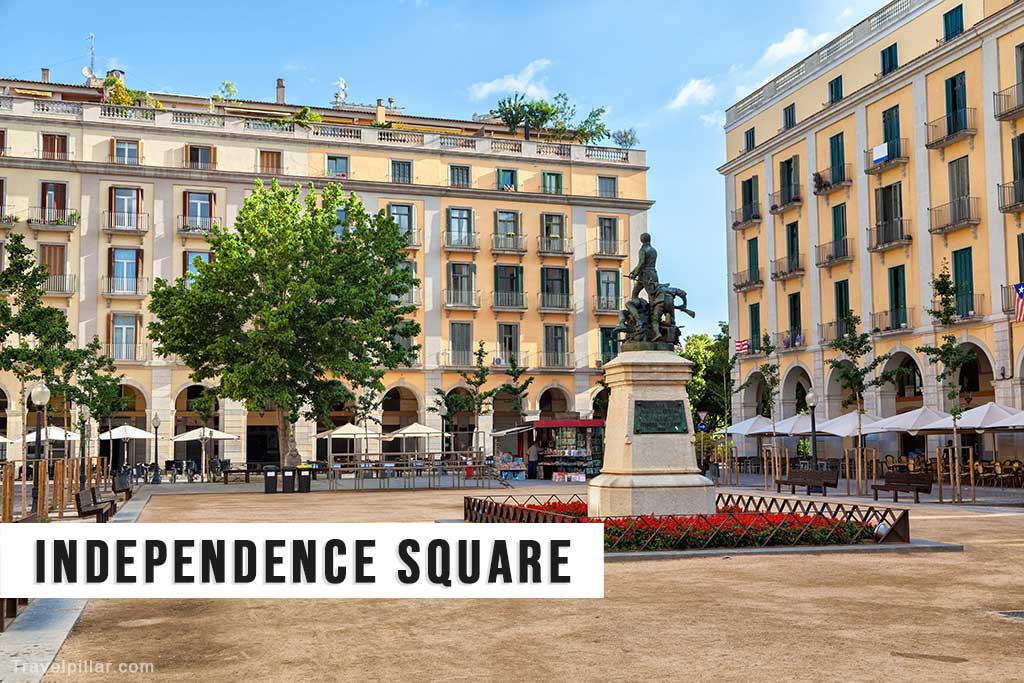
Plaça de la Independència is a popular square in the heart of Girona. Named in honor of the heroes of the War of Spanish Independence, it is surrounded by neoclassical buildings hosting a variety of restaurants and cafes. It’s a vibrant social hub and a frequent site for city events and celebrations.
Google map 4.5/5
Basilica of Sant Feliu (Basilica of Saint Felix of Girona)
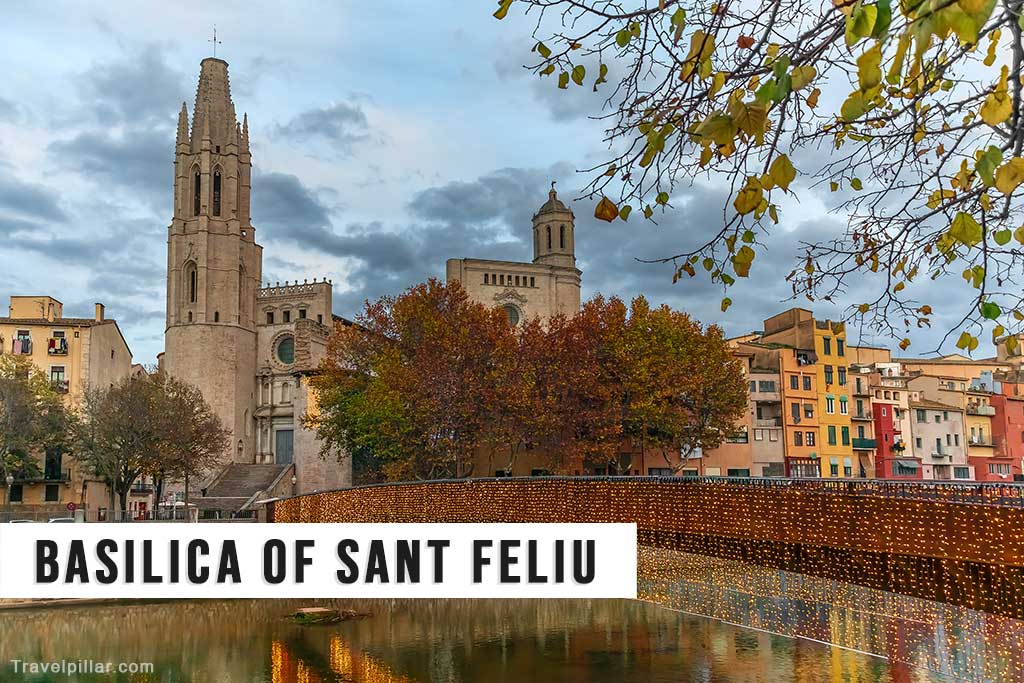
Basilica of Sant Feliu (Saint Felix) is a historical church in Girona, known for its distinct Gothic style. Older than the city’s cathedral, it was Girona’s first cathedral until the 10th century. Its bell tower, damaged and rebuilt several times, combines Romanesque and Gothic elements, while the interior houses ancient Christian sarcophagi and a chapel dedicated to Saint Narcissus.
Google map 4.6/5
Cinema Museum (Museu del Cinema)
The Cinema Museum (Museu del Cinema) in Girona offers a journey through the 500-year history of moving images. Founded on the private collection of filmmaker Tomàs Mallol, it includes pre-cinema optical devices, early cameras, projectors, and a wealth of cinema-related artifacts. Interactive displays provide a comprehensive understanding of the art and technology of cinema.
Google map 4.6/5
Pujada de Sant Domènec
Pujada de Sant Domènec is a picturesque, steeply rising street in Girona’s Old Quarter, often referred to as the “most beautiful street in Girona.” Its stone steps, flanked by medieval buildings and blooming flowers, have been featured in various films and TV series, including “Game of Thrones.” It leads up to the Church of Sant Martí.
Google map 4.5/5
El Call (Old Jewish Quarter)
El Call, or the Old Jewish Quarter, is a labyrinthine network of narrow streets and courtyards in Girona, one of the best-preserved Jewish quarters in Europe. Inhabited from the 12th to the 15th century, it embodies the historical presence and influence of the Jewish community in Girona, with traces of synagogues and ritual baths.
Google map 4.4/5
Museum of Jewish History (Museu d’Història dels Jueus)
The Museum of Jewish History, located in the heart of El Call, presents the history and culture of the Jewish communities of Catalonia and Girona. It showcases artifacts, manuscripts, and exhibits that depict Jewish life during the Middle Ages, including their contributions to science, philosophy, and culture.
Google map 4.4/5
Sant Daniel Monastery
Sant Daniel Monastery is a serene religious complex located in the Valley of Sant Daniel in Girona. Founded in the 11th century, it houses a community of Benedictine nuns. The monastery is known for the Romanesque cloister, the Chapel of the Holy Sepulchre, and the tranquil surrounding gardens, providing a peaceful retreat within the city.
Google map 4.4/5
Girona City History Museum (Museu d’Història de Girona)
Girona City History Museum is situated in the historic centre of Girona. Housed in a former Capuchin convent, the museum offers a comprehensive overview of the city’s history from ancient times to the present day. Exhibits cover a wide range of topics, including Roman history, the Middle Ages, and modern developments, with a collection of artifacts, documents, and multimedia presentations.
Google map 4.3/5
Onyar River and Colorful Houses
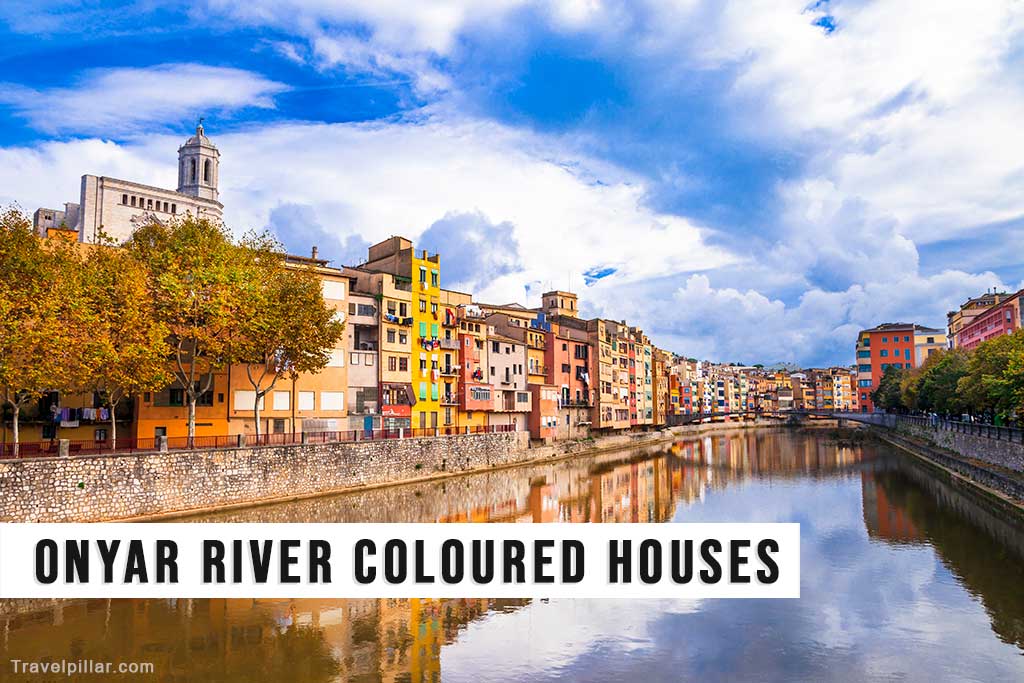
The Onyar River and Colorful Houses are iconic sights in Girona. The river, flowing through the heart of the city, is lined with vividly painted façades of houses, creating a vibrant spectacle. The riverside houses, reflecting in the water, present a picturesque scene reminiscent of Florence’s Ponte Vecchio.
Google map 4.5/5
Girona’s Arab Baths (Banys Àrabs de Girona)
Girona’s Arab Baths is a Romanesque construction inspired by Roman baths, displaying the influence of Muslim culture. Built in the 12th century, the baths comprise several rooms that mimic traditional Roman thermal establishments: the cold room (frigidarium), the warm room (tepidarium), the hot room (caldarium), and the dressing room (apodyterium). The central pool under a dome supported by slender columns is a highlight.
Google map 4.3/5
Lake of Banyoles
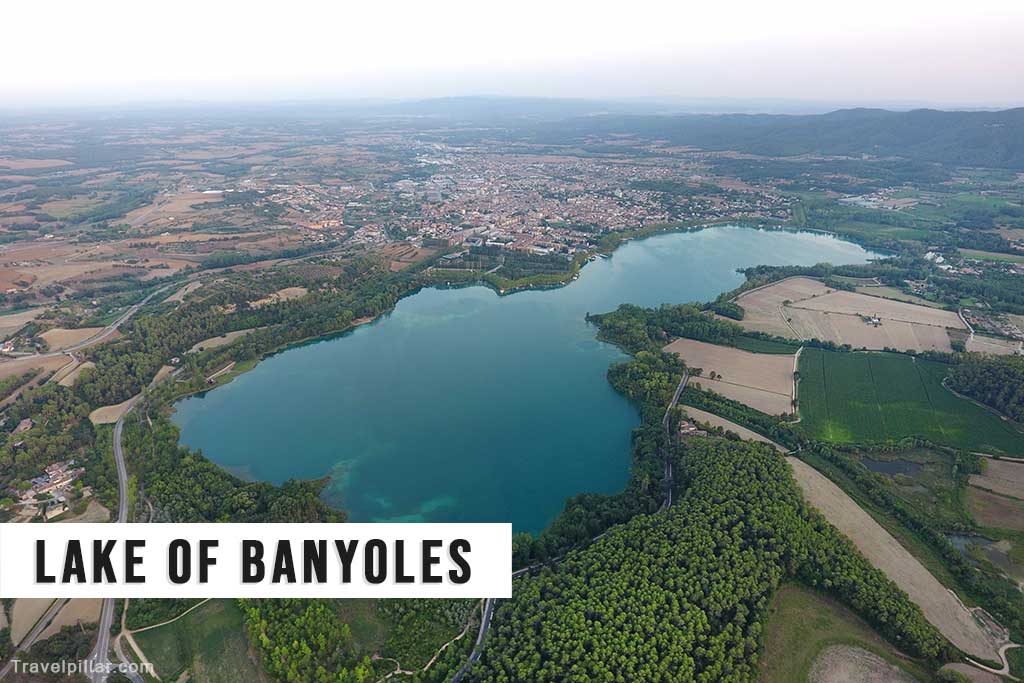
Lake of Banyoles, located just outside of Girona, is the largest natural lake in Catalonia. Known for its turquoise waters, it is a popular spot for rowing, swimming, fishing, and other water sports. Its surrounding area, featuring wetlands and natural springs, is ideal for hiking and bird watching, making it a significant destination for nature enthusiasts.
Google map 4.7/5
Take a Trip to the Beach:
Lloret de Mar
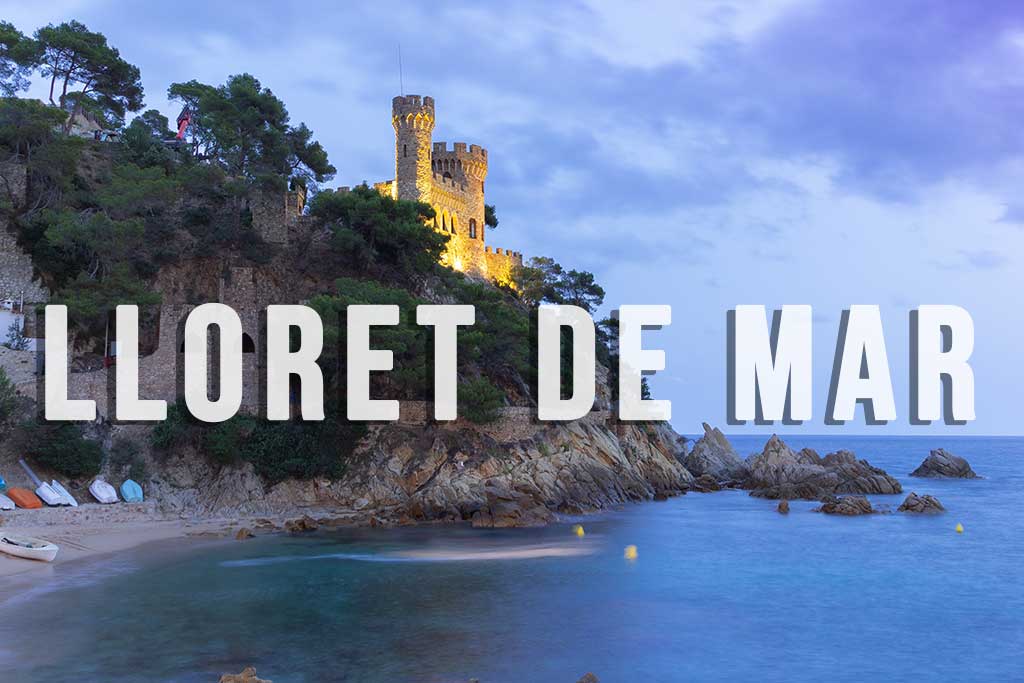
Lloret de Mar, about 40 kilometres from Girona, is a major resort town on the Costa Brava. It offers long sandy beaches, a lively promenade, and a wide range of leisure facilities. Historical sites include the medieval Castle of Sant Joan and the Parish Church of Sant Romà, while the Santa Clotilde Gardens provide landscaped views over the sea. Lloret combines coastal scenery with the infrastructure of a large holiday destination.
Tossa de Mar
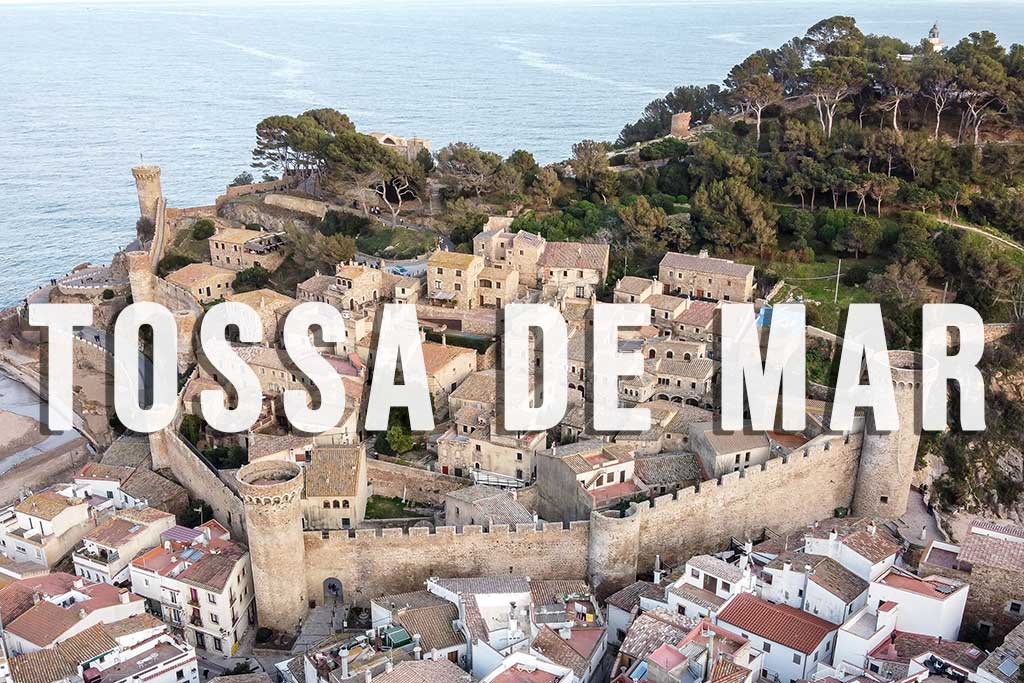
Tossa de Mar, around 40 kilometres from Girona, is notable for its preserved medieval old town, Vila Vella, enclosed by stone walls and towers overlooking the bay. Within its narrow streets are historic houses, viewpoints, and a small museum. The town also offers sandy beaches such as Platja Gran and smaller coves nearby. Tossa combines coastal scenery with visible layers of history, making it a distinctive day trip on the Costa Brava.
Annual Festivals held in Girona
‘Temps de Flors’ Festival
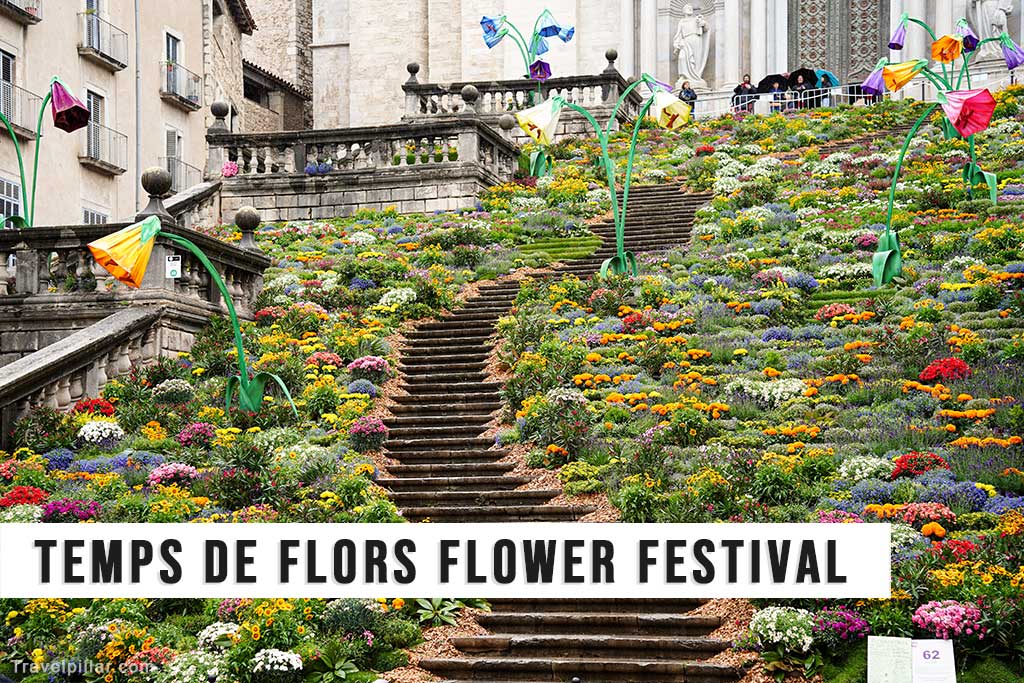
“Temps de Flors” or “Time of Flowers” is an annual festival held in Girona, Catalonia, Spain, where the city’s streets, courtyards, monuments, and gardens are adorned with elaborate floral displays and installations. The festival typically takes place in May, transforming the city into a vibrant floral spectacle for about a week. Aside from the stunning floral decorations, the event also features concerts, photography contests, workshops, and various cultural activities, drawing visitors from around the world to experience Girona in full bloom.