

The Grand Palace, known as Phra Borom Maha Ratcha Wang in Thai, is one of Thailand’s most iconic and historically significant landmarks. Situated in the heart of Bangkok, this magnificent complex has served as the royal residence, administrative center, and spiritual hub of the Thai monarchy for centuries.
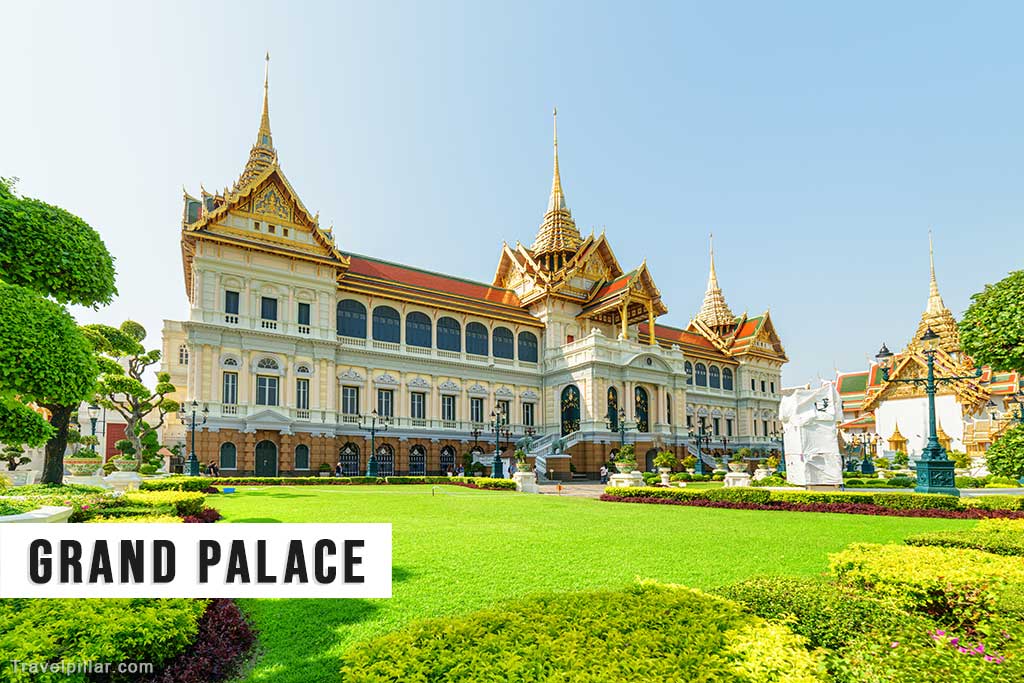
The history of the palace dates back to the late 18th century when King Rama I, the founder of the Chakri Dynasty, chose to move the capital from Thonburi to the eastern bank of the Chao Phraya River. He ordered the construction of a new palace complex, which would come to be known as the Grand Palace, and its accompanying temple, Wat Phra Kaew.
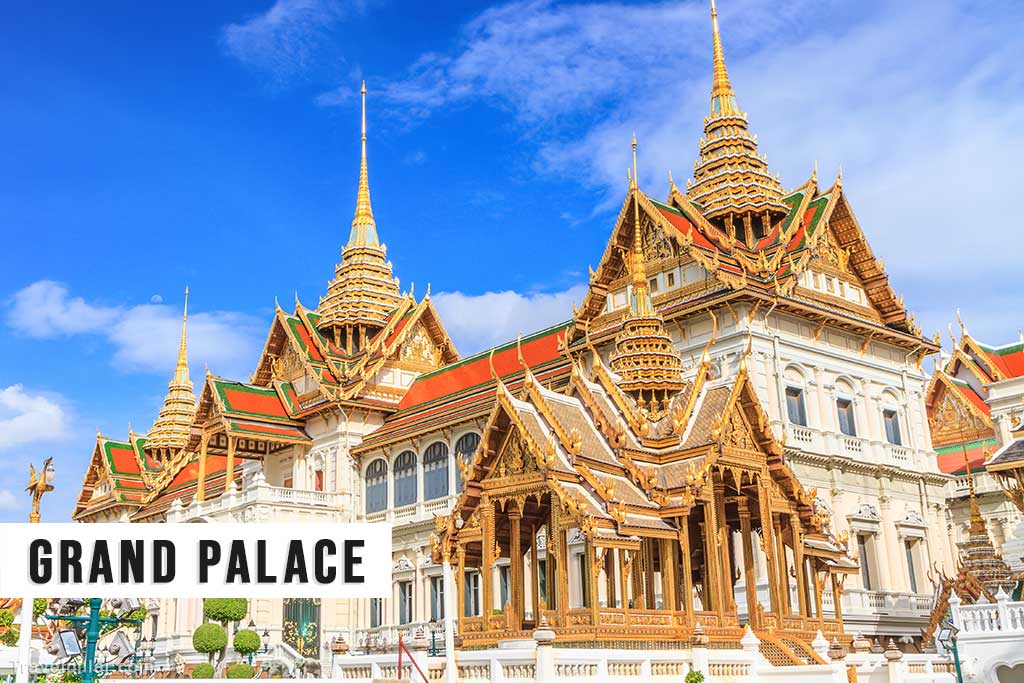
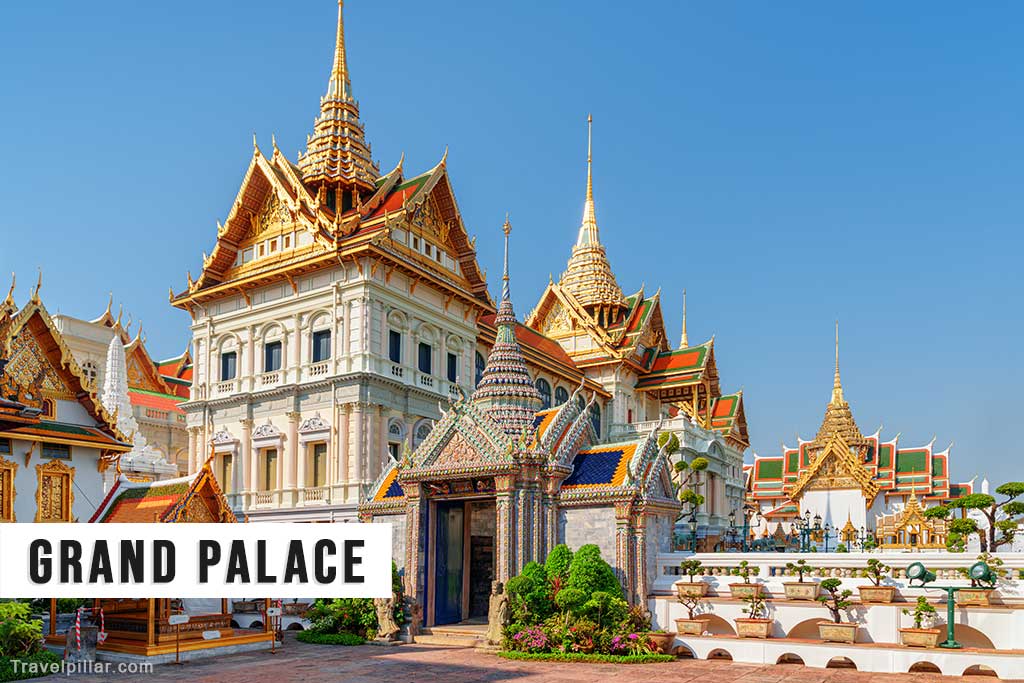
The Grand Palace complex is an architectural masterpiece, reflecting the traditional Thai design and the grandeur of the monarchy. It features numerous buildings, halls, courtyards, and pavilions, all adorned with intricate details, vibrant colors, and glittering ornaments. The architecture of the Grand Palace is a testament to Thai craftsmanship and artistry.
One of the most revered and visited structures within the Grand Palace is the Temple of the Emerald Buddha, Wat Phra Kaew. It houses the famous Emerald Buddha, a small, sacred figurine carved from jade, clothed in seasonal attire by the Thai king in a solemn ceremony. The temple’s walls are adorned with stunning murals that depict scenes from the Ramakien, Thailand’s national epic.
The Grand Palace has undergone multiple expansions, restorations, and modifications throughout the years, with each successive king contributing to its magnificence. The complex served as the official residence of the Thai monarchy until the early 20th century, when the current monarch, King Bhumibol Adulyadej, moved to the Chitralada Palace.
The Grand Palace remains a working site for royal ceremonies, functions, and state events, although the royal family now primarily resides elsewhere. It is also open to the public, allowing visitors to explore its various structures and take in the grandeur of this historical treasure.
Visitors are required to dress modestly when entering the Grand Palace, with specific clothing requirements enforced, such as covering shoulders and knees. The site can be quite crowded, especially during peak tourist seasons, so planning visits during less busy times is advisable.
In conclusion, the Grand Palace stands as a magnificent symbol of Thailand’s rich history and culture. Its architectural splendor, spiritual significance, and historical importance make it an essential destination for tourists and a source of pride for the Thai people. It is a place where tradition, art, and royalty converge to create a lasting legacy of the nation.
Official website: https://www.royalgrandpalace.th/en/
Google map 4.5/5