

Auguste Rodin (1840-1917), a French sculptor widely regarded as the father of modern sculpture, made indelible contributions to the art world. His innovative approach to sculpting transformed the medium, ushering in a new era in artistic expression.
Rodin’s early life was marked by struggle and perseverance. Born in Paris, he faced numerous setbacks in his artistic career, including rejection from the École des Beaux-Arts, France’s preeminent art school. These experiences, however, failed to deter his determination.
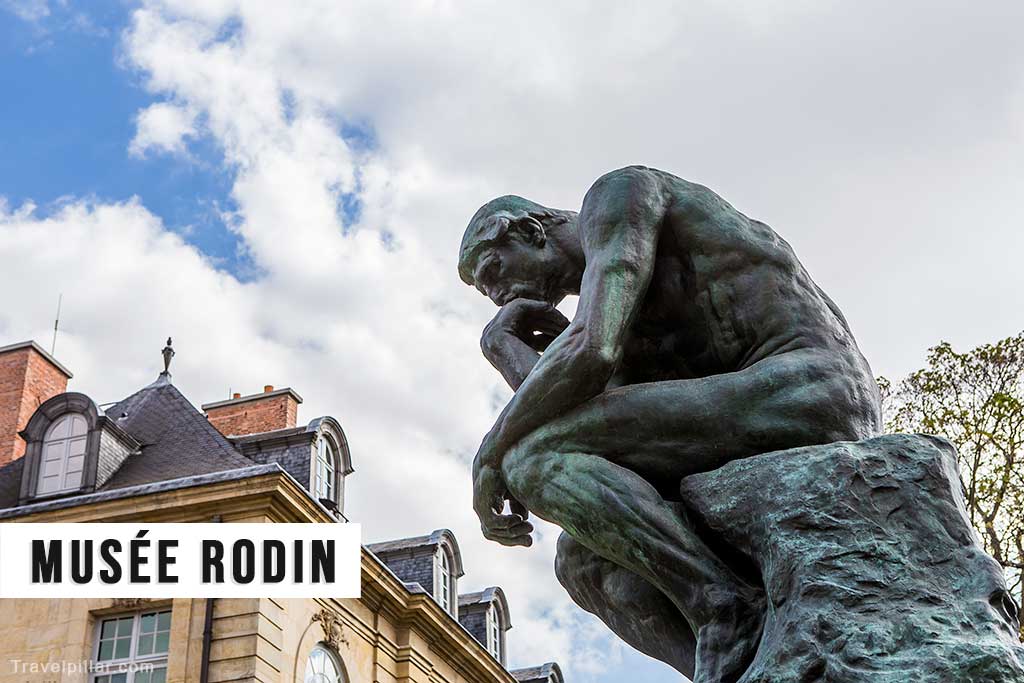
One of Rodin’s notable attributes was his keen observation of the human form. He believed that true art could only be achieved through a deep understanding of the human body. His sculptures, characterized by their realistic and emotive depictions, reflect this intense focus. His most famous work, “The Thinker,” originally conceived as part of a larger piece called “The Gates of Hell,” exemplifies his mastery in capturing the complexities of human thought and emotion.
Rodin’s unconventional techniques, which included fragmenting and reassembling figures, broke away from traditional sculptural norms. His sculptures often featured incomplete forms and rough textures, in stark contrast to the polished, idealized figures of previous eras. This approach challenged the very definition of sculpture, emphasizing the importance of conveying the essence and energy of the subject.
Despite initial resistance and criticism, Rodin’s unique vision eventually gained recognition and appreciation. His works earned acclaim at the Paris Salon and international exhibitions, solidifying his reputation as a groundbreaking artist. His “Burghers of Calais” and “The Age of Bronze” are among his other renowned creations.
Today, those interested in Rodin’s life and art can visit the Musée Rodin in Paris, which was dedicated to the artist’s work. The museum houses a vast collection of his sculptures, drawings, and personal artifacts, providing a comprehensive insight into the sculptor’s life and creative process.
Auguste Rodin’s legacy extends far beyond his artistic innovations. He influenced generations of sculptors, paving the way for modern sculpture and challenging traditional artistic norms. His unorthodox approach to form, emotion, and realism continues to resonate with artists and art enthusiasts, making him an enduring icon in the world of fine arts.