
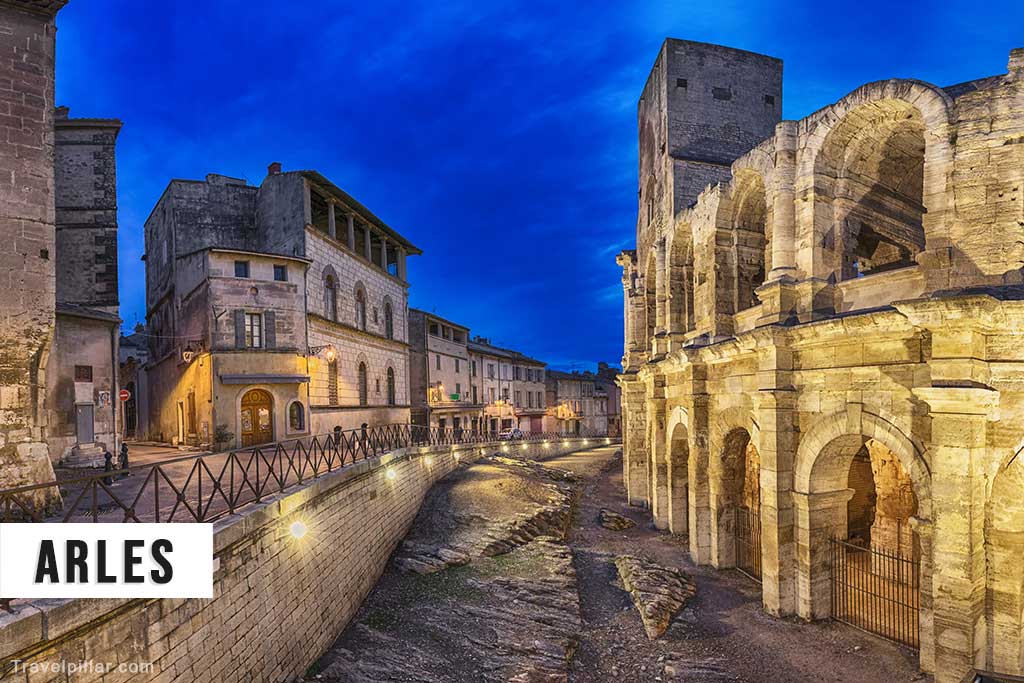
Arles, a city in the Provence-Alpes-Côte d’Azur region of southern France, is renowned for its rich Roman heritage and its role as a source of inspiration for the artist Vincent van Gogh. Situated on the banks of the Rhône River, Arles boasts an impressive array of ancient monuments, medieval architecture, and vibrant cultural life, making it a compelling destination for history enthusiasts and art lovers alike.
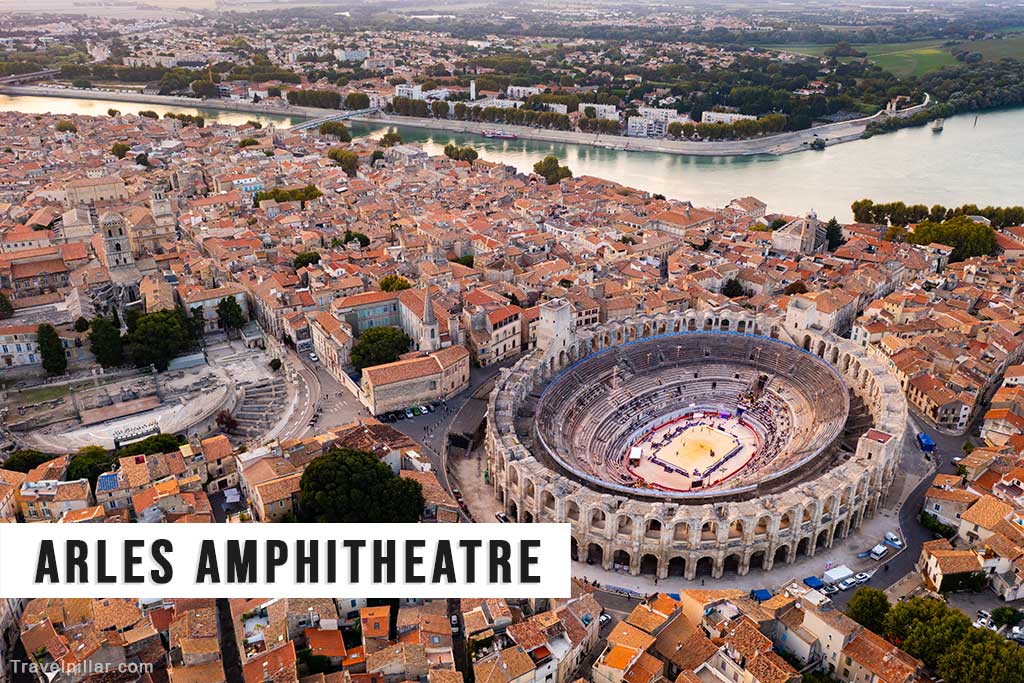
The city’s most significant attractions are its Roman-era monuments, many of which are UNESCO World Heritage sites. The Arles Amphitheatre, or Arènes d’Arles, is one of the best-preserved Roman arenas in the world. Built in the 1st century AD, this massive structure could accommodate up to 20,000 spectators and was used for gladiatorial contests, chariot races, and other public spectacles. Today, the amphitheater still hosts events, including bullfighting and concerts, maintaining its role as a center of public life in Arles.

Nearby, the Roman Theatre of Arles, also dating back to the 1st century, offers a glimpse into the city’s ancient past. Although partially ruined, the theatre remains an active cultural venue, hosting performances and festivals throughout the year. Other notable Roman sites include the Cryptoporticus, an underground gallery that once supported the Forum, and the Baths of Constantine, reflecting the luxurious lifestyle of Roman Arles.

Beyond its Roman legacy, Arles is also famous for its connection to Vincent van Gogh, who lived in the city from 1888 to 1889. During his time in Arles, Van Gogh produced over 300 works, including some of his most famous paintings, such as “Starry Night Over the Rhône” and “The Yellow House.” The city celebrates this artistic heritage through various sites, including the Van Gogh Foundation, which showcases contemporary art inspired by the painter’s work, and a walking tour that takes visitors to locations that influenced Van Gogh’s paintings.
Arles’ medieval architecture also adds to its charm, with the Church of St. Trophime standing out as a prime example. This Romanesque church, with its intricately carved portal and cloisters, reflects the city’s religious importance during the Middle Ages. The Alyscamps, an ancient Roman and early Christian necropolis, further highlights the city’s historical depth.
In addition to its historical and artistic attractions, Arles is known for its vibrant markets, local cuisine, and traditional festivals, such as the Féria d’Arles, which combines bullfighting, music, and Provençal folklore. The city is also a gateway to the Camargue, a natural region famous for its wetlands, wild horses, and flamingos, offering opportunities for nature exploration.
Easily accessible by train and road, Arles is an ideal destination for those seeking to explore the cultural and historical richness of Provence. With its unique blend of Roman monuments, artistic heritage, and Provençal charm, Arles provides a diverse and enriching experience for travelers.
Google map of the town
Google map Amphitheatre 4.4/5
Google map Roman Theatre 4.4/5
Google map Baths of Constantine 3.8/5
Google map Fondation Vincent van Gogh 4.0/5
Google map Church of St. Trophime 4.5/5