Introduction
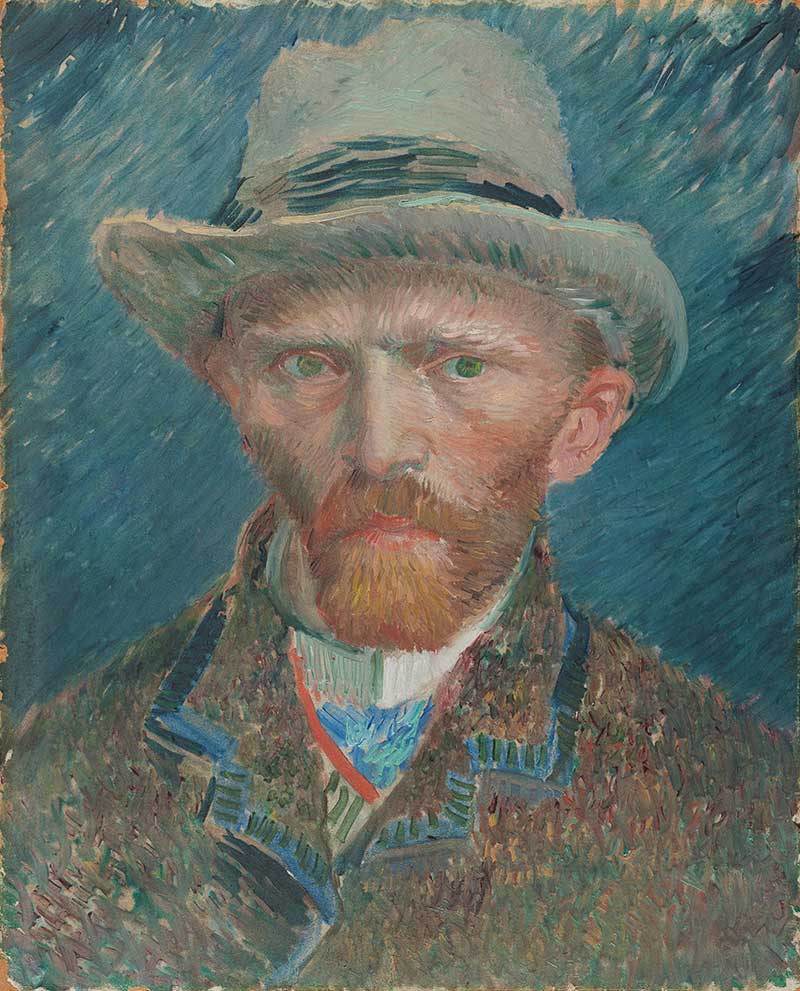
Few artists have captured the public imagination quite like Vincent van Gogh. Although he sold very few paintings during his lifetime, today he is regarded as one of the greatest and most influential artists in history. His bold colours, expressive brushstrokes and deeply emotional paintings helped shape the development of modern art, inspiring countless artists who followed.

For travellers, Van Gogh’s life can be explored through a remarkable journey across the Netherlands and France. From his birthplace in the quiet Dutch village of Zundert and the museums of Amsterdam to the sun-drenched landscapes of Arles, the peaceful monastery at Saint-Rémy-de-Provence and the village of Auvers-sur-Oise where he spent his final weeks, many places still preserve a close connection to the artist. Walking through these locations allows visitors to experience the landscapes, buildings and countryside that appear in some of his most famous paintings.
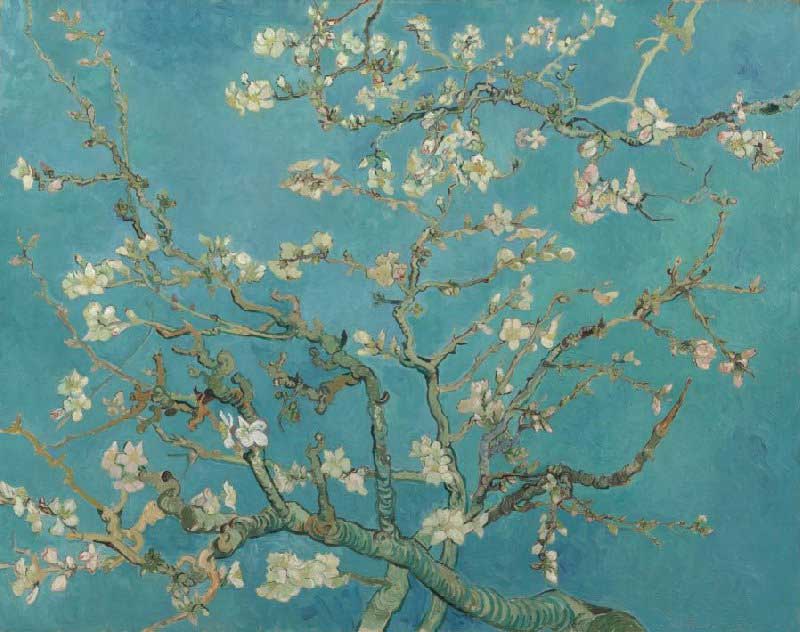
Unlike many celebrated artists, Van Gogh’s reputation was built after his death. During a career lasting only around ten years, he produced more than 2,000 artworks, including around 900 paintings, many of which are now considered masterpieces. His remarkable story of determination, creativity and perseverance continues to fascinate visitors, while his paintings remain among the highlights of museums throughout Europe and beyond.
Vincent van Gogh at a Glance
| Nationality | Dutch |
| Movement | Post-Impressionism |
| Born | Zundert, Netherlands |
| Known For | Expressive colour |
| Masterpiece | The Starry Night |
| Must Visit | Van Gogh Museum |
Early Life and Career
Vincent van Gogh was born in 1853 in the village of Zundert in the southern Netherlands. The son of a Protestant minister, he grew up in a rural landscape of fields, farms and country lanes that would later influence many of his paintings. Unlike many great artists, Van Gogh did not show exceptional artistic promise as a child and followed several different careers before deciding to become a painter.
As a young man he worked for an art dealer, spent time as a teacher in England and later attempted to become a preacher. His strong religious convictions eventually led him to work among poor mining communities in Belgium, where he lived in difficult conditions while helping local workers. It was during this period that he decided to dedicate his life to art, believing that painting offered another way of expressing compassion and understanding for ordinary people.
Van Gogh began drawing seriously in his late twenties, making him unusually old compared with many famous artists. His earliest works focused on rural life and working people, using dark colours influenced by the Dutch Masters. One of the finest examples from this period is The Potato Eaters, which depicts a farming family gathered around a simple evening meal. Although very different from his later paintings, it reveals his lifelong interest in portraying ordinary people with dignity and honesty.
A turning point came in 1886 when Van Gogh moved to Paris to live with his younger brother Theo, who worked as an art dealer. Through Theo he met many leading artists of the day, including the Impressionists, whose brighter colours and freer brushwork transformed his own style. Instead of the dark browns and greys of his early work, his paintings became filled with vibrant blues, yellows and greens.
In 1888 Van Gogh moved to Arles in the south of France, hoping to establish a community of artists inspired by the region’s brilliant sunlight and colourful landscapes. Here he produced some of his most famous paintings, including Sunflowers, The Bedroom and The Night Café. He briefly shared the Yellow House with the artist Paul Gauguin, but their relationship became increasingly difficult, ending after a series of arguments and the famous incident in which Van Gogh cut off part of his own ear.
Following periods of poor mental health, Van Gogh voluntarily entered the asylum at Saint-Rémy-de-Provence in 1889. Despite his illness, he continued to paint with extraordinary energy, creating some of his greatest masterpieces while looking out over the surrounding olive groves, cypress trees and rolling hills. In 1890 he moved to the village of Auvers-sur-Oise, north of Paris, where he remained astonishingly productive until his death later that year at the age of thirty-seven.
Understanding Vincent van Gogh’s Art
Vincent van Gogh’s paintings are among the easiest to recognise because of their bold colours, energetic brushstrokes and emotional intensity. Rather than trying to paint the world exactly as it appeared, Van Gogh used colour and texture to express how a place or scene made him feel.
One of the defining features of his work is his expressive brushwork. Thick layers of paint, known as impasto, create visible textures that give his paintings a remarkable sense of movement. Fields ripple with swirling lines, trees twist dramatically towards the sky and stars appear to shimmer with energy. Even seemingly ordinary subjects become full of life through the rhythm of his brushstrokes.
Colour was equally important. Van Gogh deliberately used strong contrasts, particularly combinations of yellow and blue, to create atmosphere and emotion rather than strict realism. Bright sunflowers, golden wheat fields and vivid night skies became recurring subjects, reflecting both the landscapes around him and his personal response to them.

Nature remained at the heart of his work throughout his career. Olive trees, cypress trees, orchards, gardens and country roads appear repeatedly, especially during his time in southern France. Many of these locations can still be visited today, allowing travellers to compare the real landscapes with the paintings they inspired.
When standing in front of a Van Gogh painting, look first at the brushstrokes rather than the subject itself. Notice how the thick paint catches the light and how every line contributes to a sense of movement. Pay attention to his use of bold colours, which often reflect emotion rather than reality, and observe how familiar landscapes have been transformed into deeply personal expressions of the artist’s experience. It is this powerful combination of colour, texture and feeling that has made Vincent van Gogh one of the most loved artists in the world.
Masterpieces by Vincent van Gogh
The Starry Night (1889)
Perhaps Van Gogh’s most famous painting, The Starry Night was created while he was staying at the asylum at Saint-Rémy-de-Provence. It depicts a swirling night sky above a quiet village, dominated by brilliant stars, a glowing crescent moon and a towering cypress tree in the foreground.
Although inspired by the view from his room, the village itself was largely imagined, allowing Van Gogh to combine reality with artistic expression. The dramatic movement of the sky and the thick layers of paint create a powerful sense of energy that has made the painting one of the most recognisable images in the history of art.
Today, The Starry Night is one of the highlights of the Museum of Modern Art.
Sunflowers (1888)

Van Gogh painted several versions of Sunflowers while preparing the Yellow House in Arles for the arrival of fellow artist Paul Gauguin. The bright yellow flowers were intended to decorate Gauguin’s room and symbolised friendship, hope and gratitude.
The paintings demonstrate Van Gogh’s extraordinary use of colour, with numerous shades of yellow creating warmth and vitality from an apparently simple subject. Today, the Sunflowers series is regarded as one of the defining achievements of Post-Impressionism.
One of the best-known versions can be seen at the National Gallery.
The Bedroom (1888)

Painted shortly after Van Gogh moved into the Yellow House in Arles, The Bedroom depicts his simple room with brightly coloured furniture, wooden shutters and personal belongings.
Although the perspective appears slightly distorted, Van Gogh deliberately simplified the composition to create what he described as a feeling of rest and tranquillity. The bold colours and thick outlines give the room an almost dreamlike quality while revealing the artist’s distinctive approach to colour and design.
One version is displayed at the Van Gogh Museum.
The Potato Eaters (1885)
One of Van Gogh’s earliest masterpieces, The Potato Eaters portrays a farming family gathered around a modest evening meal. Painted in dark earth tones, it reflects his admiration for hardworking rural communities and his desire to portray ordinary people honestly rather than idealising them.
Although very different from the bright colours of his later paintings, the work remains an important milestone in his artistic development and demonstrates the compassion that remained central to his work throughout his life.
The painting is one of the highlights of the Van Gogh Museum.
Wheatfield with Crows (1890)
Long believed to be Van Gogh’s final painting, Wheatfield with Crows shows a dramatic landscape beneath a stormy sky, with dark crows flying above a winding country path. Although modern research suggests it was probably not his last work, the painting has become closely associated with the final weeks of his life.
The bold brushstrokes, dramatic colours and powerful atmosphere make it one of his most emotionally striking landscapes.
Today, it can be seen at the Van Gogh Museum.
Places Connected with Vincent van Gogh
Zundert
The Dutch village of Zundert is where Van Gogh was born in 1853. Visitors can explore the Vincent van Gogh House, which tells the story of his early life through exhibitions and multimedia displays. The surrounding countryside also offers a glimpse of the rural landscapes that shaped his childhood.
Arles
Few places are more closely associated with Van Gogh than Arles. During just over a year here he produced around 300 paintings and drawings, inspired by the brilliant Provençal light. Visitors can still see locations featured in his paintings, including the square depicted in Café Terrace at Night, the Langlois Bridge and the site of the famous Yellow House where he lived.
Saint-Rémy-de-Provence
Following his mental health crisis, Van Gogh admitted himself to the Saint-Paul de Mausole. Despite his illness, he painted many of his greatest masterpieces here, including The Starry Night. Visitors can tour parts of the monastery, see his former room and walk through the olive groves, gardens and landscapes that inspired so much of his work.
Auvers-sur-Oise
Van Gogh spent the final months of his life in the peaceful village of Auvers-sur-Oise, where he completed more than seventy paintings in just over two months. Visitors can see the church featured in The Church at Auvers, walk through the surrounding wheat fields and visit the simple graves of Vincent and his brother Theo, buried side by side in the village cemetery.
Where to See Vincent van Gogh’s Art
The finest collection of Van Gogh’s work is housed at the Van Gogh Museum, which displays more than 200 paintings alongside hundreds of drawings and letters. It provides the most complete overview of his artistic development and is an essential destination for anyone interested in his life.
Other major works can be seen at the Kröller-Müller Museum, home to the world’s second-largest Van Gogh collection, while The Starry Night is displayed at the Museum of Modern Art in New York and Sunflowers is one of the highlights of the National Gallery in London.
Together, these collections reveal the extraordinary range of an artist whose career lasted little more than a decade but transformed the history of art.
Legacy
Vincent van Gogh’s influence extends far beyond the art world. His expressive use of colour and energetic brushwork helped pave the way for modern movements such as Expressionism and Fauvism, inspiring generations of artists to use painting as a means of expressing emotion rather than simply recording reality.
His personal story has also become one of the best known in the history of art. Although he struggled with poor mental health and received little recognition during his lifetime, his determination to continue painting despite repeated setbacks has made him a symbol of creativity, resilience and perseverance.
For travellers, Van Gogh offers a unique journey across Europe. From the quiet fields of Zundert and the galleries of Amsterdam to the sunlit streets of Arles, the peaceful monastery at Saint-Rémy and the countryside of Auvers-sur-Oise, the places connected with his life bring his paintings vividly to life. Visiting these locations alongside his masterpieces allows travellers to appreciate not only one of history’s greatest artists, but also the landscapes that inspired some of the world’s most beloved works of art.