
The Netherlands has produced numerous famous artists, particularly during the Dutch Golden Age in the 17th century. Some of the most renowned Dutch artists include:
Rembrandt van Rijn
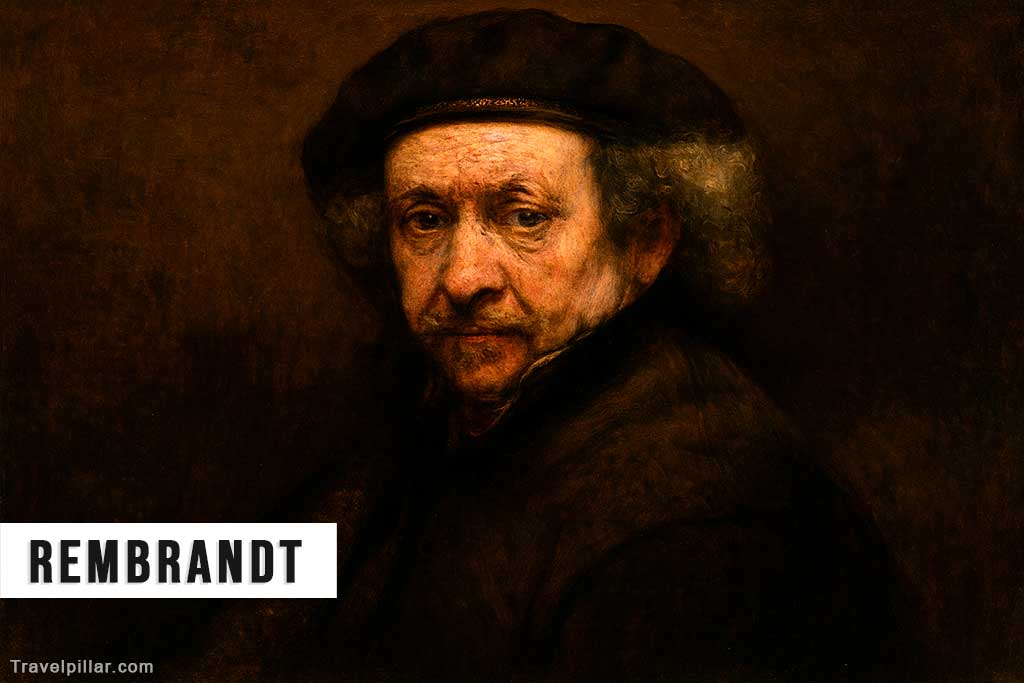
Rembrandt van Rijn (1606-1669): Rembrandt is widely regarded as one of the greatest painters and printmakers in European art history. His prolific body of work includes historical scenes, biblical narratives, self-portraits, and portraits of prominent Dutch citizens. Rembrandt’s exceptional ability to capture light and shadow, as well as his deeply emotional and humanistic portrayals of his subjects, set him apart from his contemporaries. His most famous work, “The Night Watch,” is a prime example of his innovative composition and masterful technique. https://en.wikipedia.org/wiki/Rembrandt
Vincent van Gogh

Vincent van Gogh (1853-1890): A prominent figure in the post-Impressionist movement, Vincent van Gogh is known for his expressive and emotive use of color, as well as his turbulent personal life. Despite struggling with mental health issues and receiving little recognition during his lifetime, Van Gogh’s work has since become iconic, with pieces such as “Starry Night” and “Sunflowers” achieving widespread acclaim. His innovative style and unique approach to color and brushwork have had a lasting impact on the art world. https://en.wikipedia.org/wiki/Vincent_van_Gogh
Johannes Vermeer
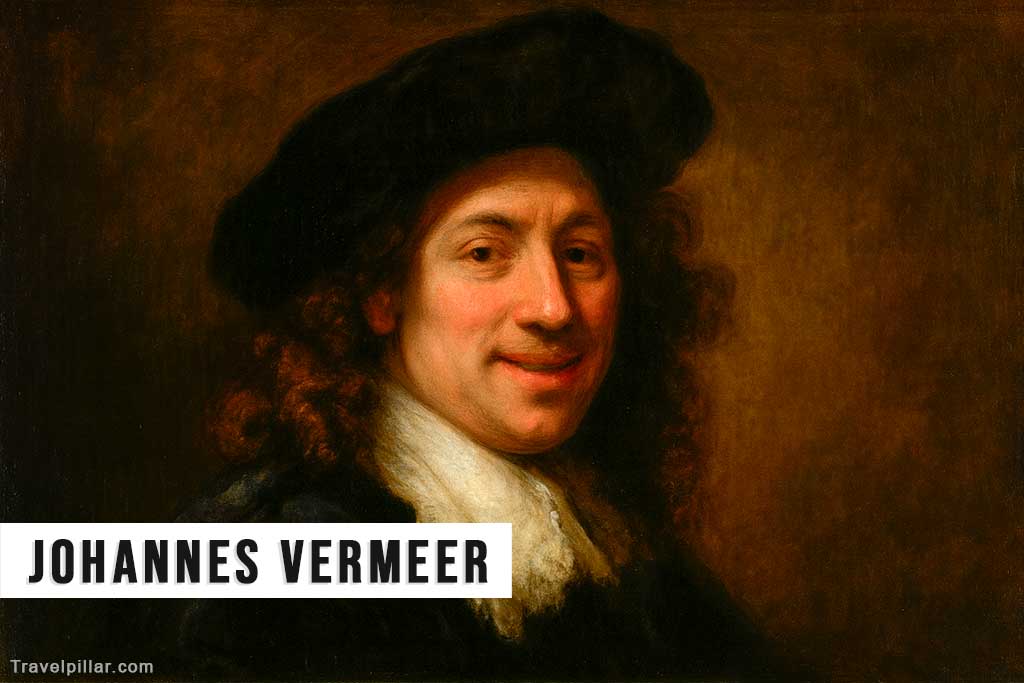
Johannes Vermeer (1632-1675): A master of light and composition, Johannes Vermeer is celebrated for his intimate domestic scenes that often feature women engaged in everyday activities. His relatively small body of work, consisting of around 35 paintings, exhibits a timeless and universal appeal. Vermeer’s exceptional skill in rendering light and texture, as well as his meticulous attention to detail, make his works, such as “Girl with a Pearl Earring” and “The Milkmaid,” enduring masterpieces. https://en.wikipedia.org/wiki/Johannes_Vermeer
Frans Hals
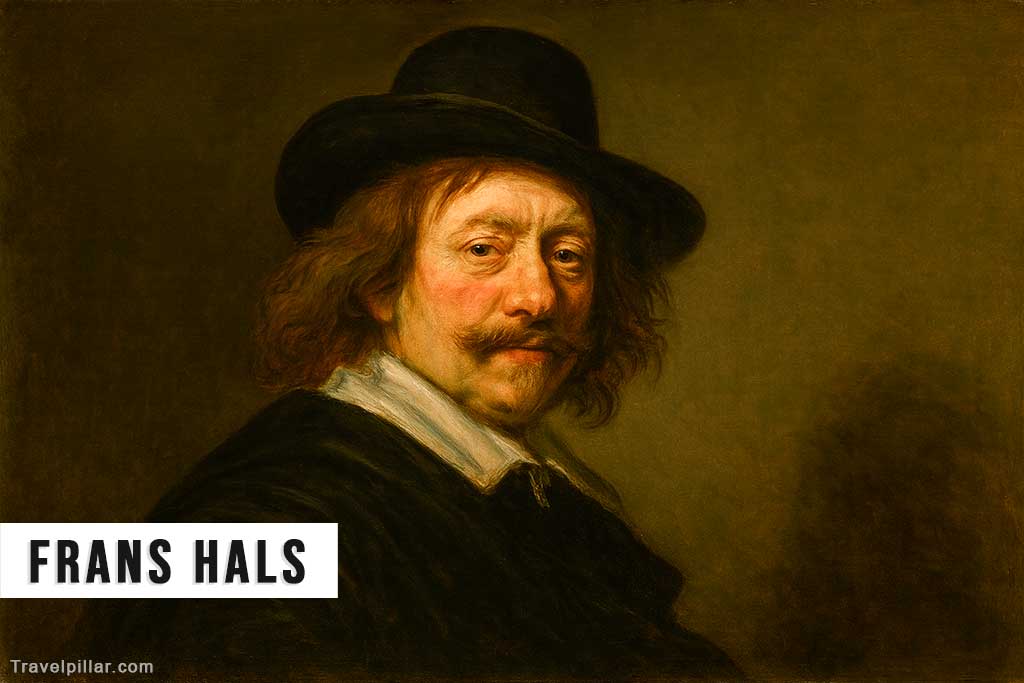
Frans Hals (1582-1666): As a prominent portraitist during the Dutch Golden Age, Frans Hals was known for his lively and energetic brushwork, which captured the character and vitality of his subjects. His innovative approach to portraiture, depicting subjects in a more casual and informal manner, set him apart from his contemporaries. Hals’ impressive oeuvre includes individual and group portraits, as well as genre scenes, with “The Laughing Cavalier” and “The Merry Drinker” being among his most famous works. https://en.wikipedia.org/wiki/Frans_Hals
Piet Mondrian
Piet Mondrian (1872-1944): A pioneer of abstract art, Piet Mondrian developed a distinctive geometric style known as “neoplasticism” or “De Stijl.” Characterized by a grid of black lines, primary colors, and white spaces, Mondrian’s abstract compositions reflect his pursuit of harmony and order. His innovative approach to art and design has influenced generations of artists and designers, and his works, such as “Composition with Red, Blue, and Yellow,” remain iconic examples of modern art. https://en.wikipedia.org/wiki/Piet_Mondrian
Hieronymus Bosch
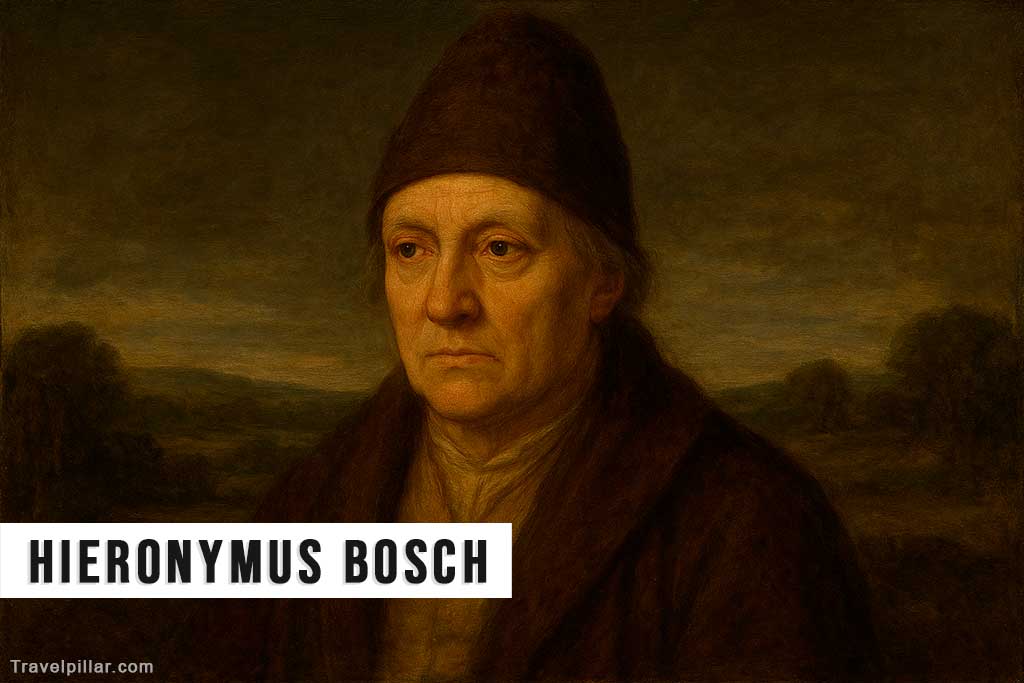
Hieronymus Bosch (1450-1516): A highly imaginative and enigmatic painter, Hieronymus Bosch is known for his intricate and surreal religious and moral allegories. Combining elements of fantasy, symbolism, and a vivid imagination, Bosch’s works often depict scenes of heaven, hell, and earthly sins, captivating and mystifying viewers. His most famous work, “The Garden of Earthly Delights,” exemplifies his unique style and continues to inspire and influence artists to this day. https://en.wikipedia.org/wiki/Hieronymus_Bosch
Jan van Eyck
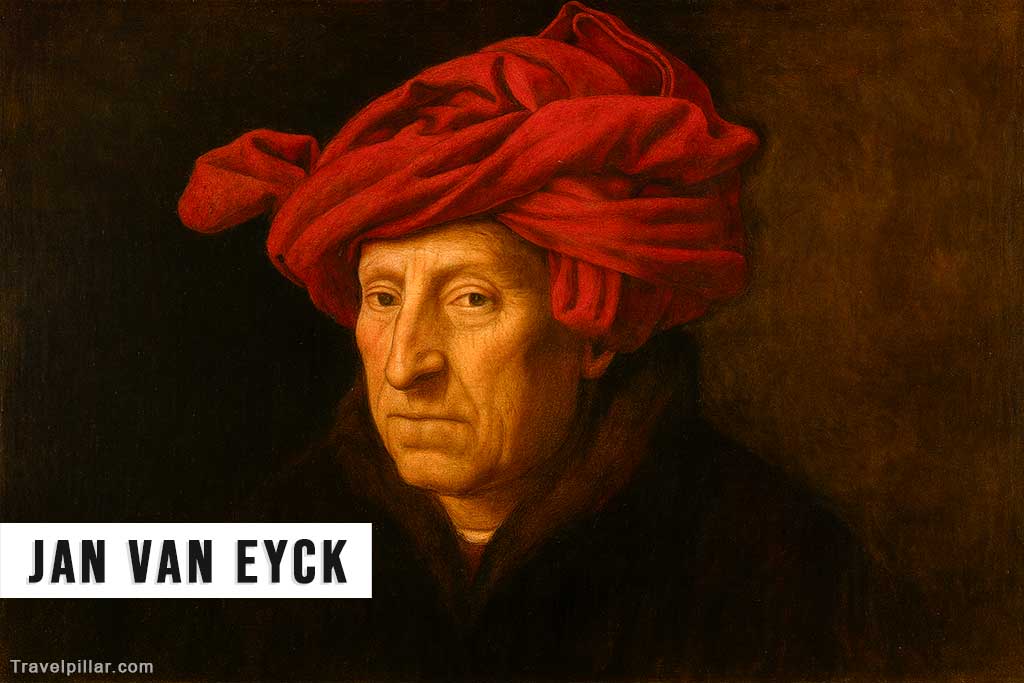
Jan van Eyck (1390-1441): Jan van Eyck is often considered one of the founders of Early Netherlandish painting, and his innovations in oil painting technique and attention to detail have had a profound impact on the development of Western art. He was one of the first artists to utilize oil paint to create luminous, detailed, and realistic images. Van Eyck’s most famous work, the “Ghent Altarpiece,” is a monumental polyptych that showcases his mastery of light, color, and texture. His ability to capture minute details in his paintings, such as the intricate patterns of fabrics and the subtle reflections on metal and glass, set a new standard for realism in art. In addition to religious scenes, Van Eyck also painted secular works and portraits, such as “The Arnolfini Portrait,” which is celebrated for its complex symbolism and innovative use of perspective. https://en.wikipedia.org/wiki/Jan_van_Eyck