
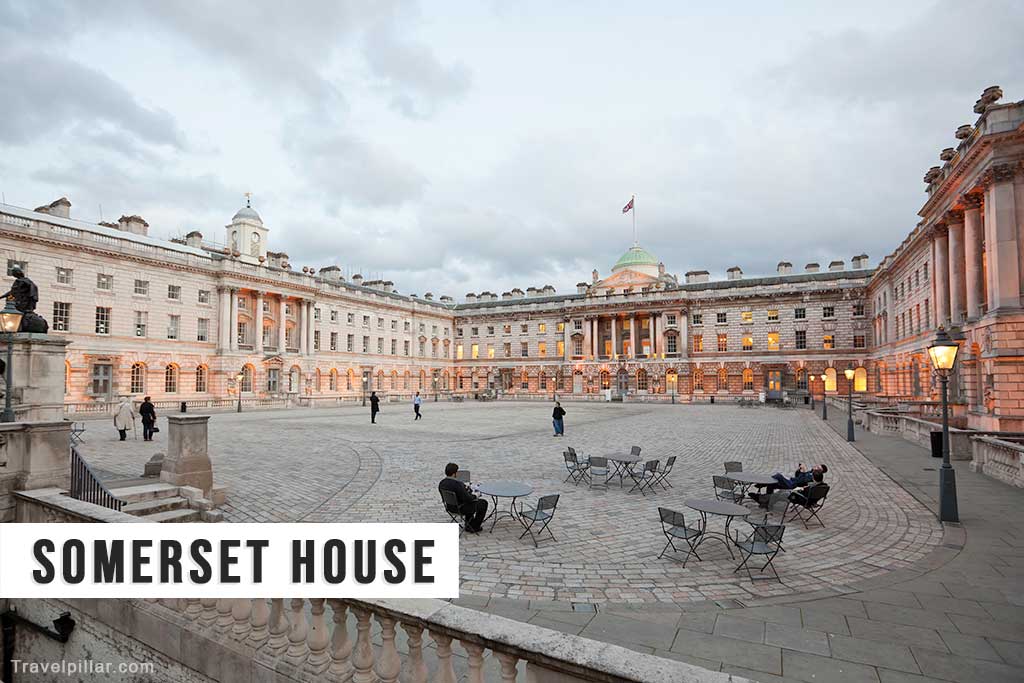
Nestled within the cultural heart of London, The Courtauld Gallery is a must-visit destination for art enthusiasts. Housed within the historic Somerset House, the gallery is renowned for its impressive collection of European masterpieces, spanning the early Renaissance to the 20th century.
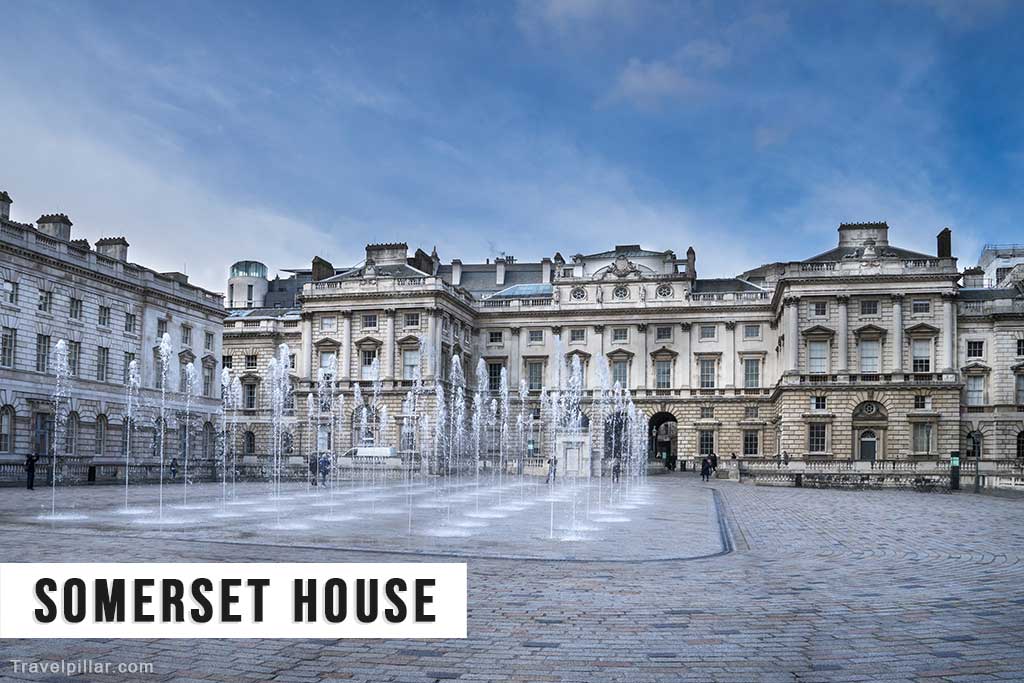
The Courtauld Gallery boasts an exquisite assemblage of works by world-famous artists, including Botticelli, Rembrandt, Goya, Monet, and Van Gogh. Among its most notable pieces is Van Gogh’s iconic ‘Self-Portrait with Bandaged Ear.’ The gallery’s extensive selection of Impressionist and Post-Impressionist paintings is particularly remarkable, providing visitors with an unparalleled opportunity to examine the development of modern art.
In addition to its permanent collection, The Courtauld Gallery frequently hosts temporary exhibitions, ensuring that returning visitors are continually presented with fresh, engaging content. Educational programs, including lectures and workshops, are also available to enrich the visitor experience.
Official website: https://courtauld.ac.uk/gallery/
You can also take a virtual tour of the permanent collection at:
https://virtualtour.courtauld.ac.uk/
Google map of The Courtauld Gallery 4.7/5
Courtauld Gallery Highlights
“Self-Portrait with Bandaged Ear” by Vincent Van Gogh

Painted in 1889 after the incident in Arles in which Van Gogh mutilated his ear, this self-portrait shows the artist wearing a heavy coat and bandage against a stark interior backdrop. A Japanese print hangs behind him, reflecting his admiration for Japanese art. The calm expression contrasts with the turmoil of the moment, presenting resilience rather than drama.
https://gallerycollections.courtauld.ac.uk/object-p-1948-sc-175
“A Bar at the Folies-Bergère” by Édouard Manet
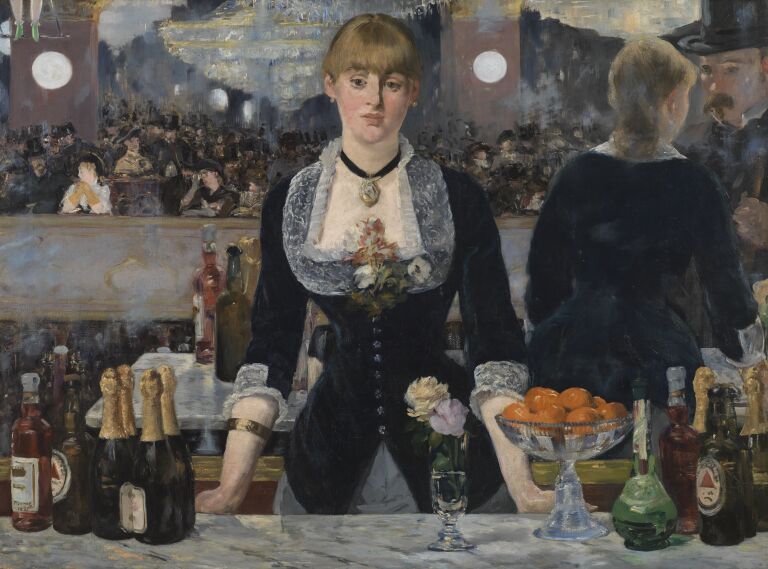
Painted in 1882, this scene shows a barmaid standing before a mirror at Paris’s famous music hall. Bottles and oranges line the counter, symbols sometimes linked to pleasure and prostitution. The mirror reflection appears spatially ambiguous, raising questions about perspective and reality. The barmaid’s distant expression contrasts with the lively crowd behind her, suggesting isolation within modern urban entertainment.
https://gallerycollections.courtauld.ac.uk/object-p-1934-sc-234
“Adam and Eve” by Lucas Cranach the Elder

This Renaissance depiction of the biblical first couple shows Adam and Eve beside the Tree of Knowledge. The serpent coils around the trunk as Eve offers the forbidden fruit. Cranach’s elongated figures reflect Northern European ideals of beauty. The painting explores temptation, innocence and the origin of sin, themes central to Christian theology and Reformation debate.
https://gallerycollections.courtauld.ac.uk/object-p-1947-lf-77
“Nevermore” by Paul Gauguin
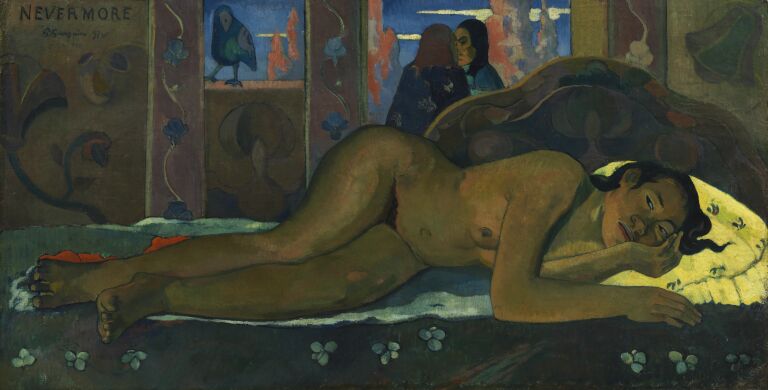
Painted in Tahiti in 1897, Nevermore shows a reclining nude watched by a dark bird perched behind her. The title references Edgar Allan Poe’s poem The Raven. The bird has been interpreted as a symbol of death or fate. Gauguin blends Polynesian setting with European symbolism, creating an atmosphere of quiet unease and introspection.
https://gallerycollections.courtauld.ac.uk/object-p-1932-sc-163
“Two Dancers on a stage” by Edgar Degas

This work shows two ballet dancers illuminated against a dark stage. Their bright tutus contrast sharply with the shadowed background. Degas focuses not on glamour but on the discipline of performance. Cropped composition and angled viewpoints reflect his interest in photography. The painting reveals the physical strain and rehearsal behind theatrical spectacle.
https://gallerycollections.courtauld.ac.uk/object-p-1932-sc-89
“Nude” by Amedeo Modigliani
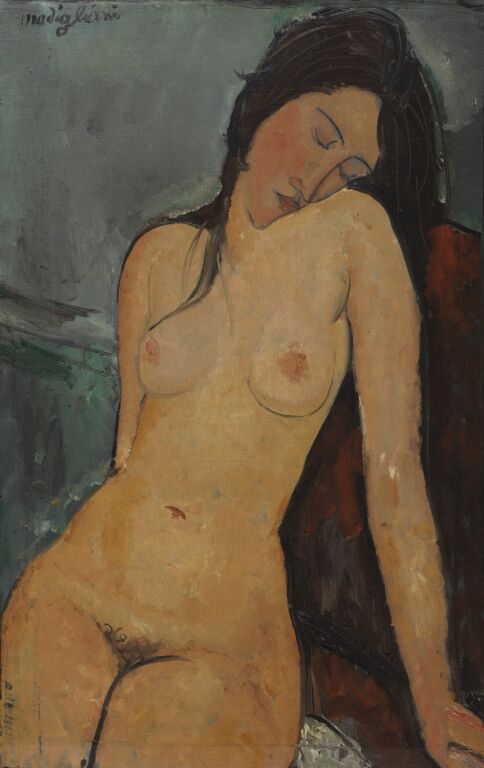
Modigliani’s reclining nude presents an elongated figure with simplified features and smooth contours. The direct gaze recalls earlier nudes such as Manet’s Olympia. Painted in the early 20th century, the work caused controversy for its frank sensuality. The stylised form reflects Modigliani’s interest in African sculpture and classical proportion.
https://gallerycollections.courtauld.ac.uk/object-p-1932-sc-271
“Autumn Effect at Argenteuil” by Claude Monet

Painted during Monet’s stay at Argenteuil, this landscape captures autumn foliage reflected in the Seine. Rather than detailed leaves, Monet records shifting colour and light. Argenteuil was a centre of middle-class leisure, symbolising modern suburban life. The painting demonstrates Impressionism’s focus on atmosphere over precise description.
https://gallerycollections.courtauld.ac.uk/object-p-1932-sc-274
“The Card Players” by Paul Cézanne

This smaller version of The Card Players shows two Provençal peasants absorbed in a quiet game. The figures appear solid and architectural, almost sculptural. Cézanne removes anecdote, presenting concentration and stillness. The humble subject reflects rural life, while the structured composition influenced later developments in Cubism.
https://gallerycollections.courtauld.ac.uk/object-p-1932-sc-57
“The Dream (Il Sogno)” by Michelangelo
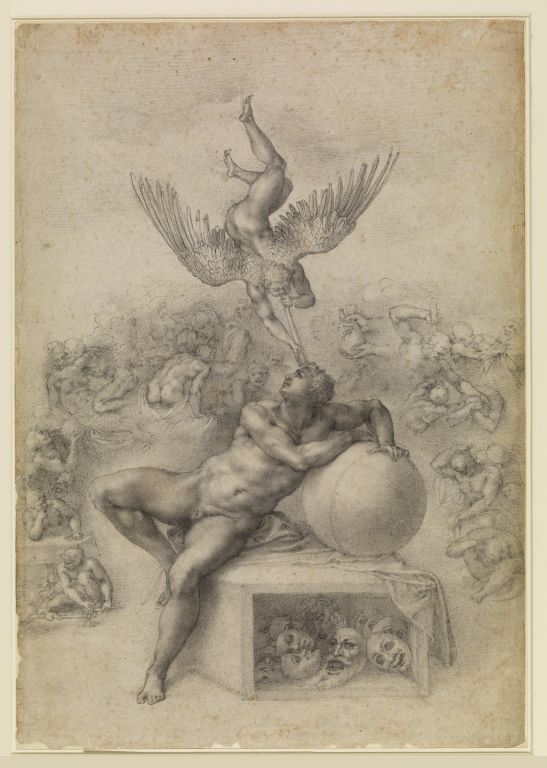
Also known as Il Sogno, this allegorical drawing shows a young man awakening as winged figures surround him. Masks and symbolic objects suggest vice, illusion and worldly temptation. Created in the 16th century, the work reflects Renaissance Neoplatonic ideas about spiritual awakening and the ascent of the soul beyond earthly desire.
https://gallerycollections.courtauld.ac.uk/object-d-1978-pg-424