
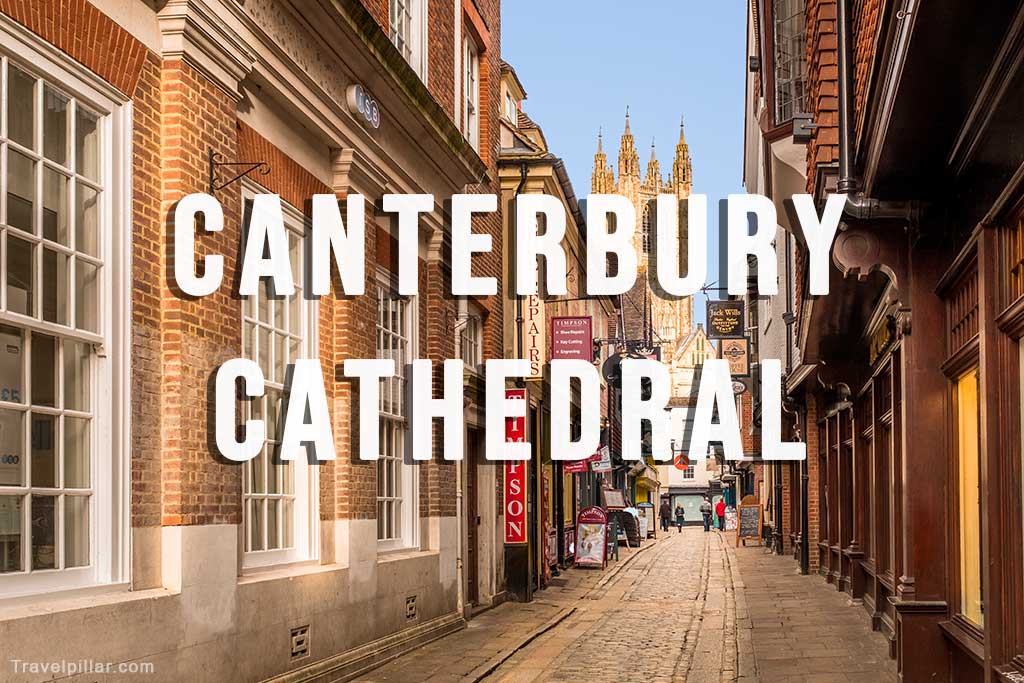
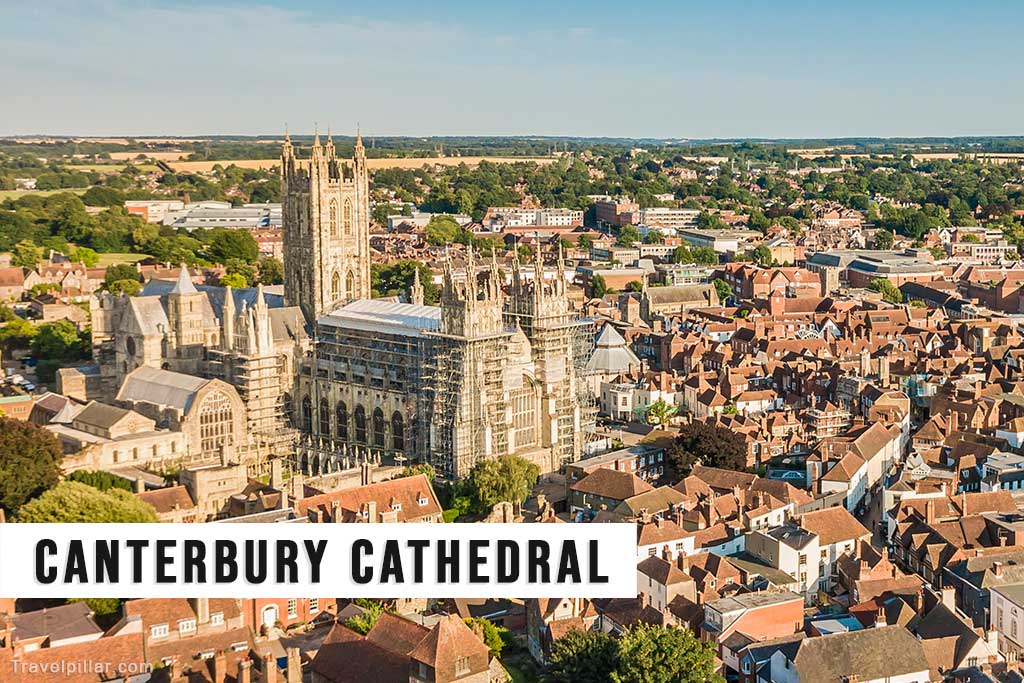
Canterbury Cathedral is one of the most important religious and historical sites in England. Located in the city of Canterbury in Kent, the cathedral is part of a UNESCO World Heritage Site and is visited by thousands of tourists each year.
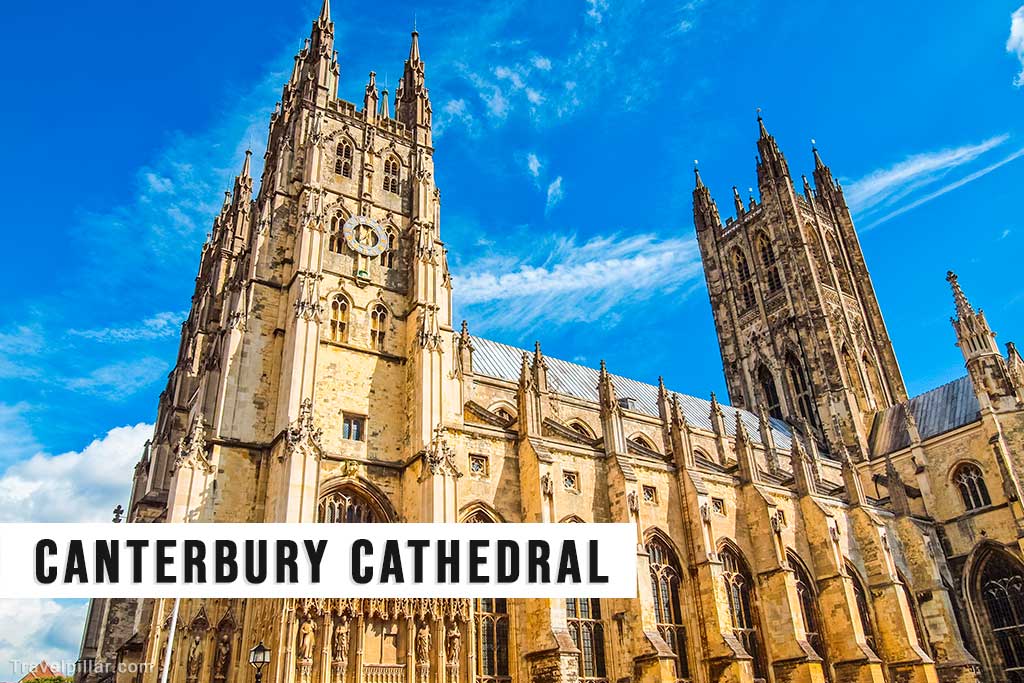
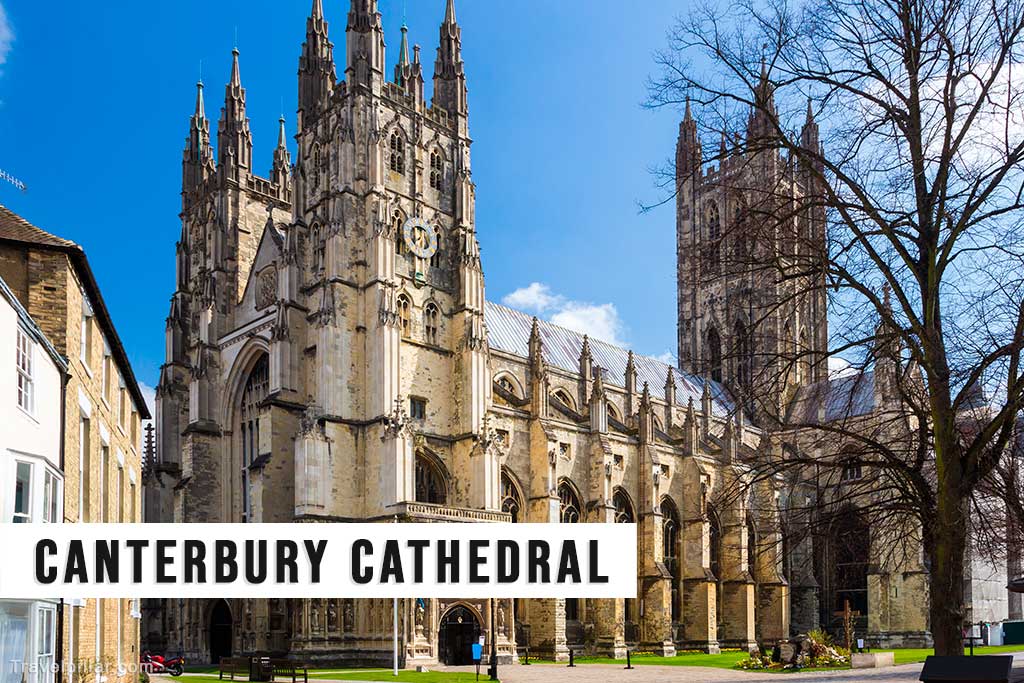
The cathedral has a rich and varied history, dating back to the 6th century when a small church was built on the site. The current cathedral was built in the 11th century and has undergone numerous renovations and additions over the centuries. It is renowned for its stunning architecture, with a mix of Norman, Gothic, and Romanesque styles that reflect the changing tastes and influences of the time.
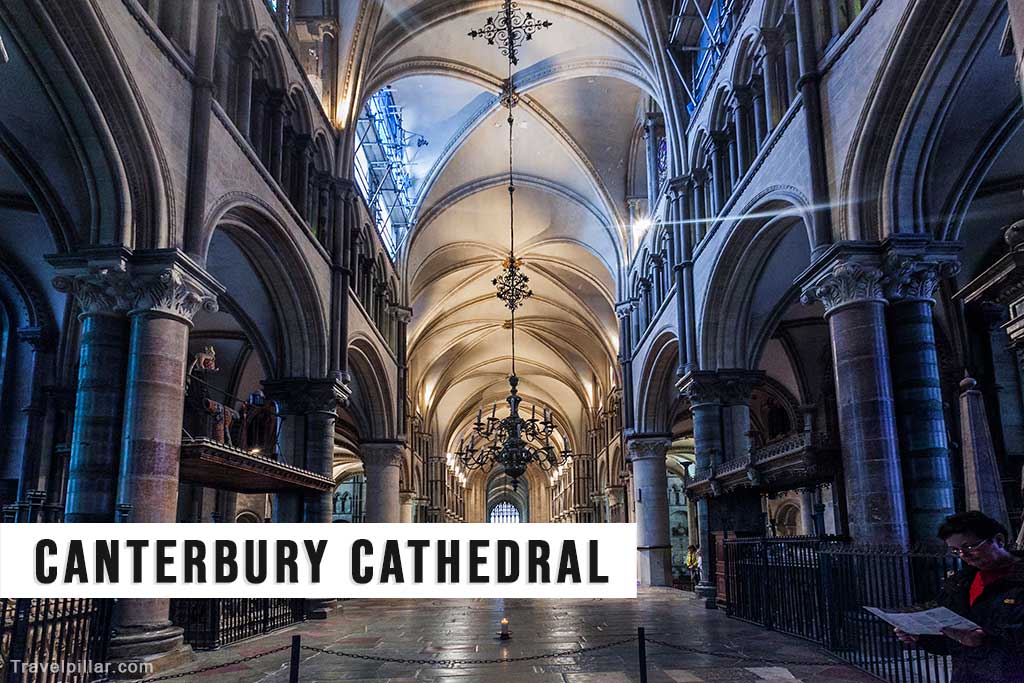
Visitors to Canterbury Cathedral can explore the various parts of the cathedral, including the nave, transepts, choir, and crypt. The nave is a magnificent space, with towering columns and intricate carvings that showcase the skilled craftsmanship of the medieval period. The transepts are notable for their rose windows, while the choir boasts some of the finest medieval stained glass in England.
One of the most famous parts of the cathedral is the site of Thomas Becket’s murder, which can be seen in the North Transept. Becket, the Archbishop of Canterbury, was murdered in the cathedral in 1170 by four knights who were acting on behalf of King Henry II. The site became a place of pilgrimage, and Becket was eventually canonized as a saint.
The cathedral also houses a number of important artifacts and treasures, including the 12th-century illuminated manuscript, the Canterbury Psalter, and the medieval Miracle Windows, which depict scenes from the lives of the saints.
The cathedral’s surroundings are also worth exploring, with the historic city of Canterbury offering a range of attractions, including the ruins of St. Augustine’s Abbey and the medieval Westgate Towers. The city is also known for its charming streets lined with shops, cafes, and restaurants, offering visitors a chance to immerse themselves in the local culture.
Official website: https://www.canterbury-cathedral.org
Google map 4.6/5
Canterbury Cathedral Highlights
1. Christchurch Gate (Main entrance from the road)
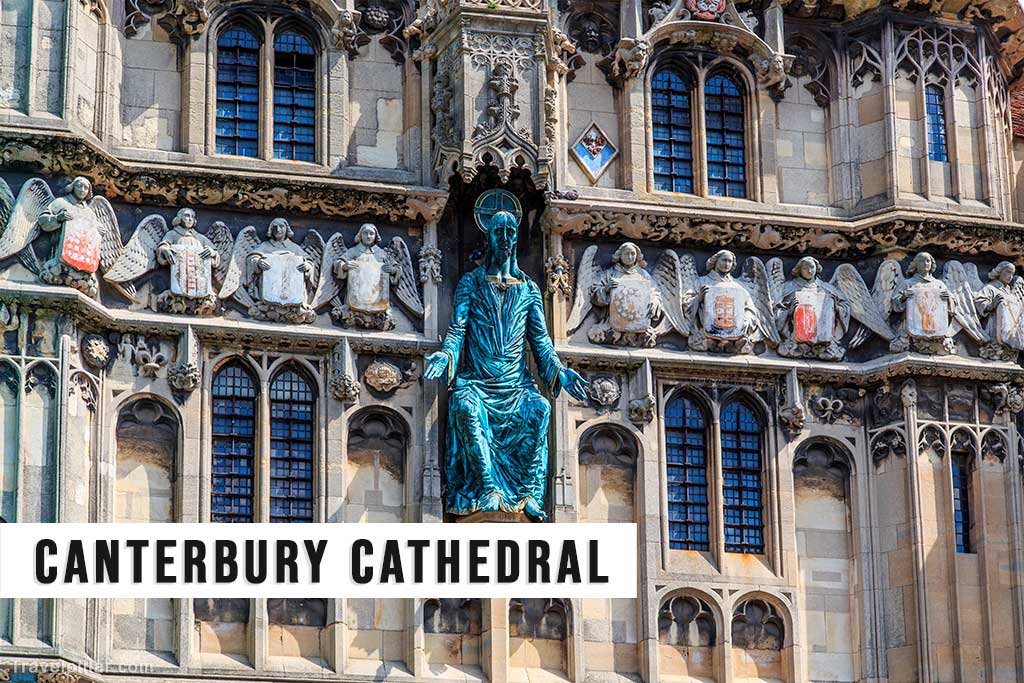
Christchurch Gate serves as the main entrance to Canterbury Cathedral’s precincts from the city’s Buttermarket. Built in the early 16th century, it features late Gothic stonework, niches for statues, and a large central archway. The gate once displayed royal and religious figures, including Christ, and has undergone restoration in recent years. As the ceremonial approach to the cathedral, it remains an important architectural feature and a historic landmark in Canterbury.
2. Main Entrance (South West Porch)
The main entrance to Canterbury Cathedral, known as the South West Porch, serves as the principal point of access for visitors. Constructed in the 14th century, it reflects the Perpendicular Gothic style with detailed stonework and sculptural decoration. The porch leads directly into the nave, emphasising the grandeur of the building’s interior. Historically, it was the entrance used for processions and continues to provide an impressive introduction to the cathedral.
3. The Nave
The nave of Canterbury Cathedral is a vast space rebuilt in the 14th century in Perpendicular Gothic style. Its tall arcades, ribbed vaulting, and clerestory windows create an impression of height and light. The nave serves as the main gathering space for services and ceremonies. Its architectural proportions represent the grandeur of medieval English cathedral design.
4. The Martyrdom
The Martyrdom marks the site where Archbishop Thomas Becket was murdered by knights loyal to Henry II in 1170. The event made Canterbury a leading pilgrimage destination. Today the site is marked with a modern sculpture commemorating Becket’s death. It remains one of the most historically significant locations within the cathedral.
5. The Pulpitum Screen (at top of steps)
The Pulpitum Screen, also known as the choir screen, separates the nave from the quire in Canterbury Cathedral. Constructed in the early 15th century, it is decorated with carved stone figures of kings and archbishops, reflecting the cathedral’s ecclesiastical and royal associations. The screen includes doorways leading to the quire and provides a visual boundary within the building. It remains an important example of late medieval craftsmanship and liturgical design.
6. The Quire
The quire, dating from the 12th century, is one of the earliest examples of Gothic architecture in England. It was rebuilt after a fire in 1174 by French master mason William of Sens. The carved choir stalls and organ add to its historic and musical importance. The quire remains central to the cathedral’s liturgical functions.
7. Corona Chapel
The Corona Chapel, also known as Becket’s Crown, lies at the eastern end of Canterbury Cathedral. Built after the 1174 fire, it was originally intended to house relics of Thomas Becket, including the top of his skull. The chapel is distinguished by its circular design and tall Gothic windows. Although the relics were destroyed during the Reformation, the space remains significant for its architecture and its association with Becket’s cult.
8. Trinity Chapel
The Trinity Chapel at Canterbury Cathedral was completed in the late 12th century to house the shrine of Thomas Becket, which became one of the most important pilgrimage destinations in medieval Europe. Although the shrine was destroyed in the 16th century, the chapel remains significant for its architecture, stained glass, and tombs, including those of the Black Prince and King Henry IV (see below). It continues to reflect Canterbury’s historic religious importance.
9. The Crypt
The crypt is the oldest part of the cathedral, dating back to the Norman rebuilding of the 11th century. Its massive Romanesque columns and low vaults create a striking contrast with the Gothic upper levels. The crypt contains chapels and early wall paintings, making it one of the most atmospheric areas of the cathedral.
10. Stained Glass Windows
Canterbury Cathedral is renowned for its medieval stained glass, much of it dating from the 12th and 13th centuries. The windows depict biblical stories, saints, and genealogies of Christ. Some of the most famous panels illustrate the miracles associated with Thomas Becket. These windows are among the finest surviving examples of medieval stained glass in Europe.
11. Chapter House
The Chapter House was built in the 13th century as a meeting place for the cathedral’s monastic community. It features a timber roof and large windows, creating a spacious interior. Today it is used for gatherings and exhibitions. The Chapter House illustrates the organisation of monastic life and remains an important part of the cathedral complex.
12. Bell Harry Tower
Bell Harry Tower is the central tower of the cathedral, completed in the late 15th century. Rising above the crossing, it is richly decorated with stone carvings and pinnacles. The tower’s vaulting is notable for its fan design. It has become one of the defining features of Canterbury’s skyline and a symbol of the cathedral.
13. Cloisters
The cloisters of Canterbury Cathedral were built in the late 14th century. They provided a covered walkway for monks and a place for processions. The cloisters are decorated with carved stonework and open onto the cathedral gardens. They remain one of the most peaceful areas of the cathedral complex, reflecting the monastic origins of the site.
14. Tombs and Memorials
The cathedral contains numerous tombs and memorials to monarchs, archbishops, and historical figures. These include the tomb of the Black Prince and Henry IV. Elaborate effigies and canopies illustrate medieval funerary art. Together, these monuments provide insight into the cathedral’s role as a burial place for England’s elite and as a record of national history.
14.1 Tomb of the Black Prince
The tomb of Edward, the Black Prince, is one of the most significant medieval royal monuments in England. Located in the Trinity Chapel, it features a gilt-bronze effigy in full armour. The prince’s crest, gauntlets, and other items are displayed nearby. His tomb illustrates both chivalric ideals and the cathedral’s role as a royal burial place.
14.2 Tomb of Henry IV
Henry IV and his queen, Joan of Navarre, are buried in the cathedral. Their alabaster effigies rest beneath a richly decorated canopy. Henry was the only English monarch buried at Canterbury. His tomb reflects the cathedral’s national importance and the close association between monarchy and church during the late Middle Ages.