
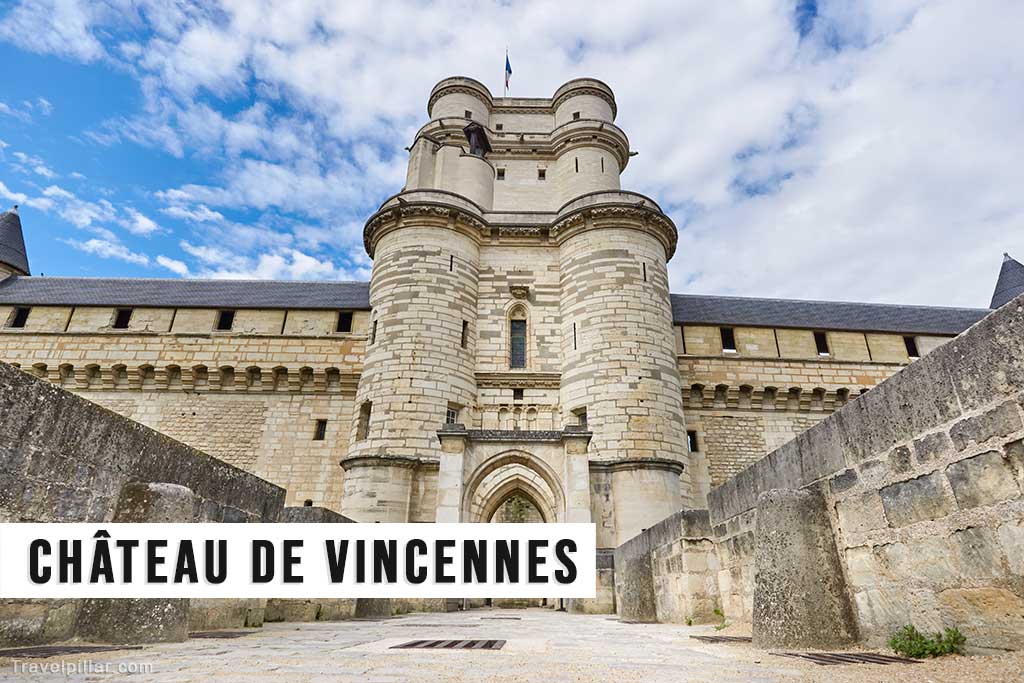
The Château de Vincennes is a well-preserved medieval fortress located on the eastern edge of Paris, near the Bois de Vincennes. Originally built as a hunting lodge for Louis VII in the 12th century, it developed over the following centuries into one of the largest and most important royal fortresses in France. The castle’s current form dates mainly from the 14th and 15th centuries, when it was expanded under the reigns of Charles V and his successors into a fortified royal residence and administrative centre.
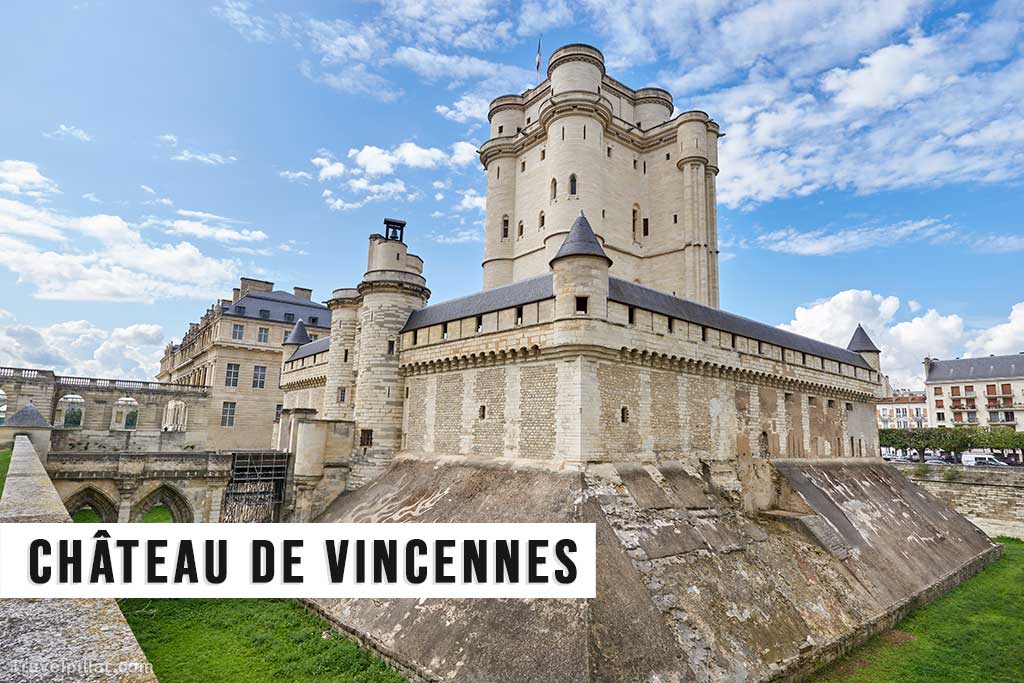
The château is notable for its imposing keep, or donjon, which rises 52 metres and remains the tallest medieval fortified tower in Europe. Completed in 1370, it served as both a royal residence and a stronghold, reflecting the dual political and military functions of French monarchy during the Middle Ages. The keep contains several floors of chambers, including royal apartments, a chapel, and administrative rooms, all surrounded by a deep moat and defensive walls.
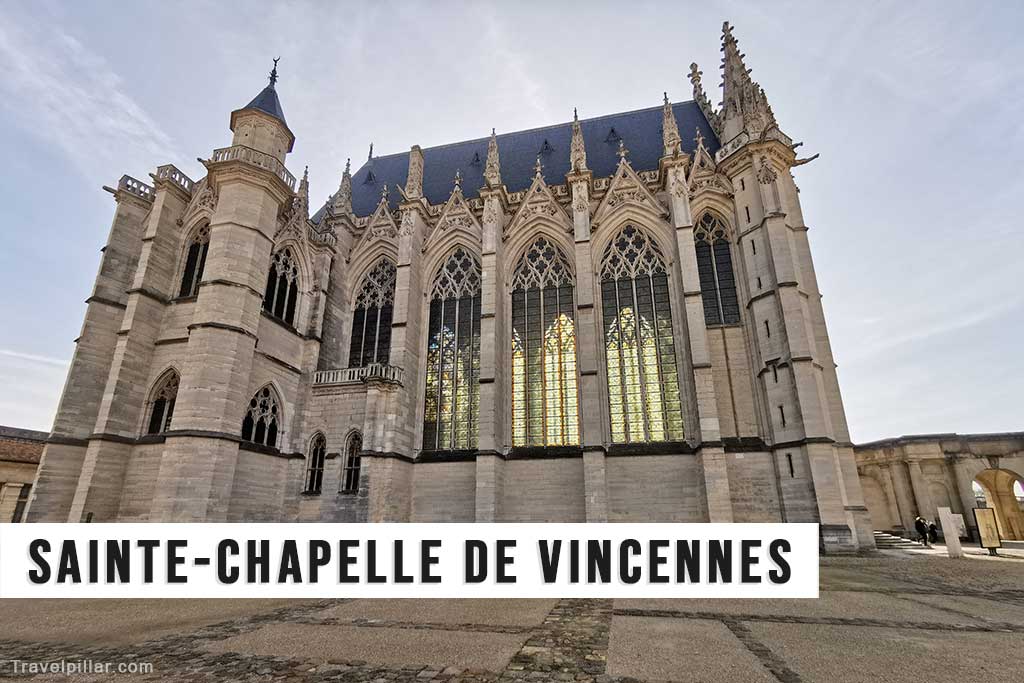
Within the castle grounds stands the Sainte-Chapelle de Vincennes, built in the 14th century and inspired by the Sainte-Chapelle in central Paris. Its slender Gothic architecture and stained-glass windows reflect the religious and ceremonial importance of the site. The surrounding fortifications, including towers, gates, and curtain walls, were reinforced during the Hundred Years’ War, making Vincennes a key defensive point for the eastern approaches to Paris.
After the royal court moved to the Louvre and later Versailles, the château was repurposed for various military and state uses. It served as an arsenal, a prison, and a garrison, housing notable prisoners such as the Marquis de Sade and Denis Diderot. During the 19th and 20th centuries, it continued to play a military role before being restored as a historic monument.
Today, the Château de Vincennes is open to the public and managed by the Centre des Monuments Nationaux. It offers a comprehensive view of medieval architecture, royal history, and the evolution of French state power. Located at the terminus of Metro Line 1, it provides easy access from central Paris and forms a significant contrast to the city’s later Renaissance and Baroque landmarks.