
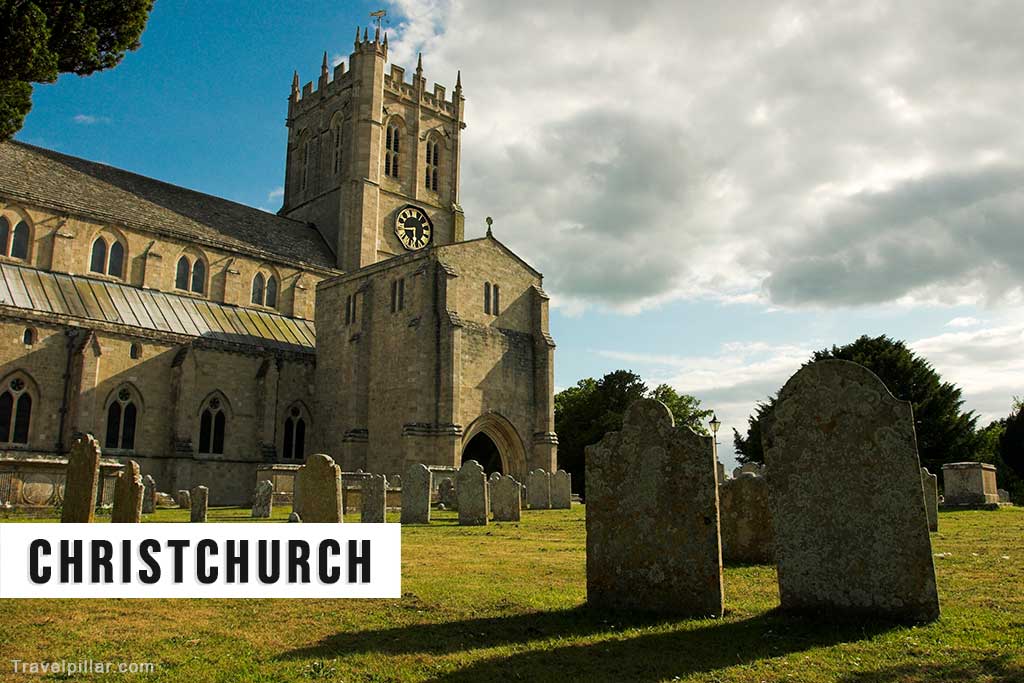
Christchurch, situated on the south coast of Dorset, is a town that combines historical significance with natural attractions. Established in the Saxon era, Christchurch has grown around its key landmarks, including its historic priory, castle ruins, and natural harbors.
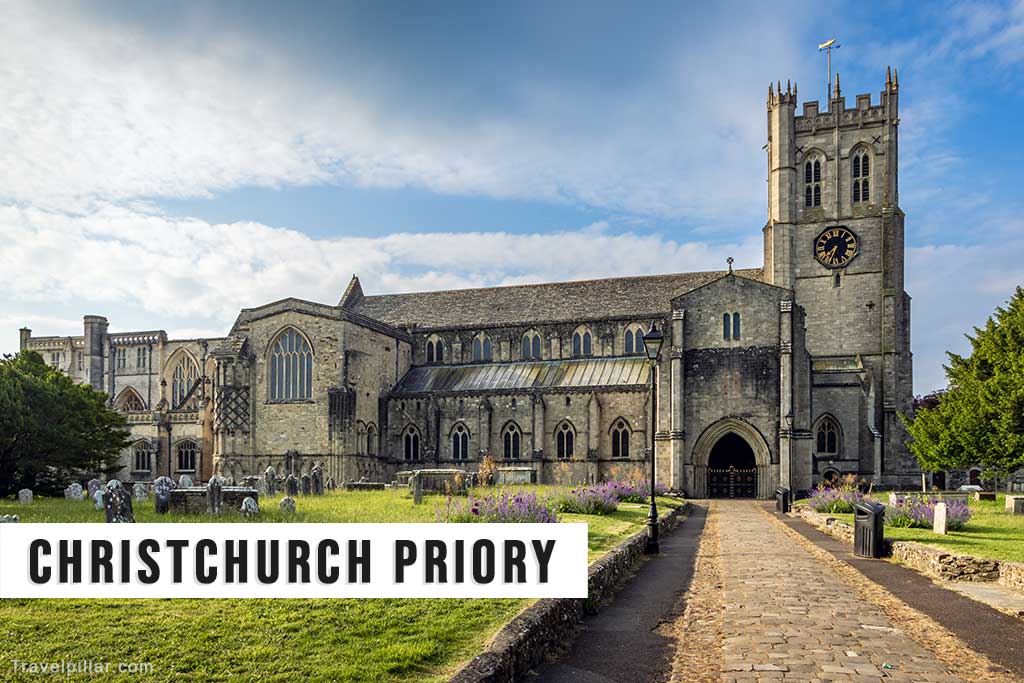
The town’s most prominent feature is Christchurch Priory, which dates back to the 11th century. It is the longest parish church in England and a fine example of Norman and Gothic architecture. Inside, visitors can explore its medieval features, including the intricately carved choir stalls, a 14th-century stone font, and numerous memorials. The priory’s grounds offer a peaceful setting along the River Avon, enhancing its historical atmosphere.
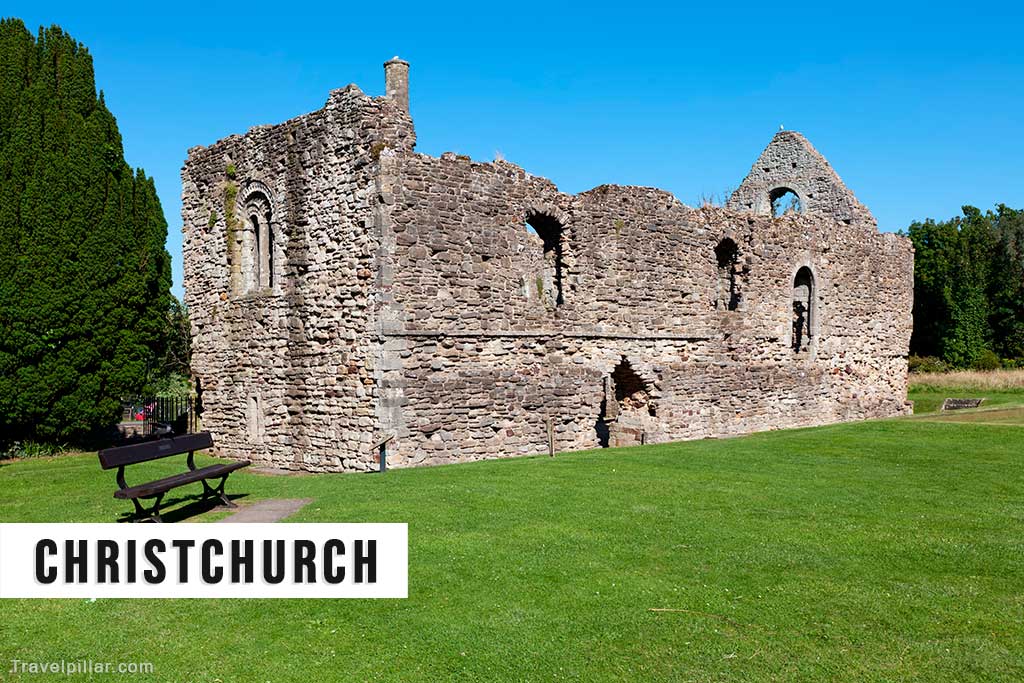
Adjacent to the priory are the ruins of Christchurch Castle and the Norman House. The castle, originally constructed in the 12th century, now consists of remnants of its stone keep, offering a glimpse into the town’s medieval past. The Norman House, one of the few surviving examples of Norman domestic architecture, features original stonework and a rare chimney.
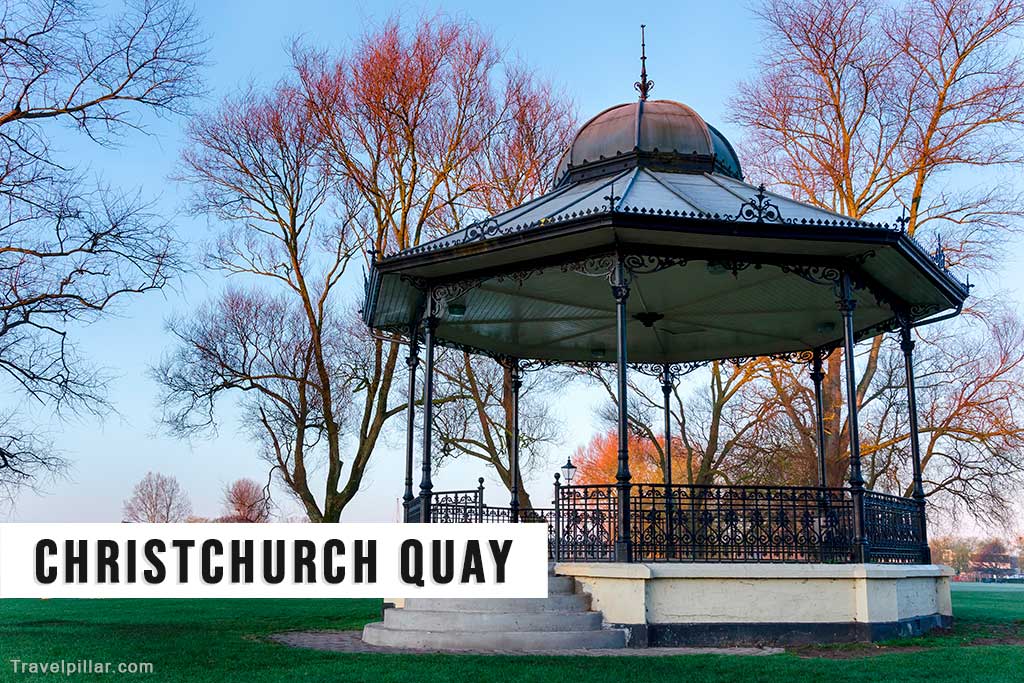
Christchurch also benefits from its coastal location, bordered by two rivers—the Avon and the Stour—leading to Christchurch Harbour. This natural harbor is a popular area for boating, sailing, and birdwatching. Hengistbury Head, a headland to the south of the harbor, is a notable nature reserve and archaeological site, with evidence of human activity dating back to the Stone Age. It provides walking trails and views of the coastline, making it a draw for nature enthusiasts.
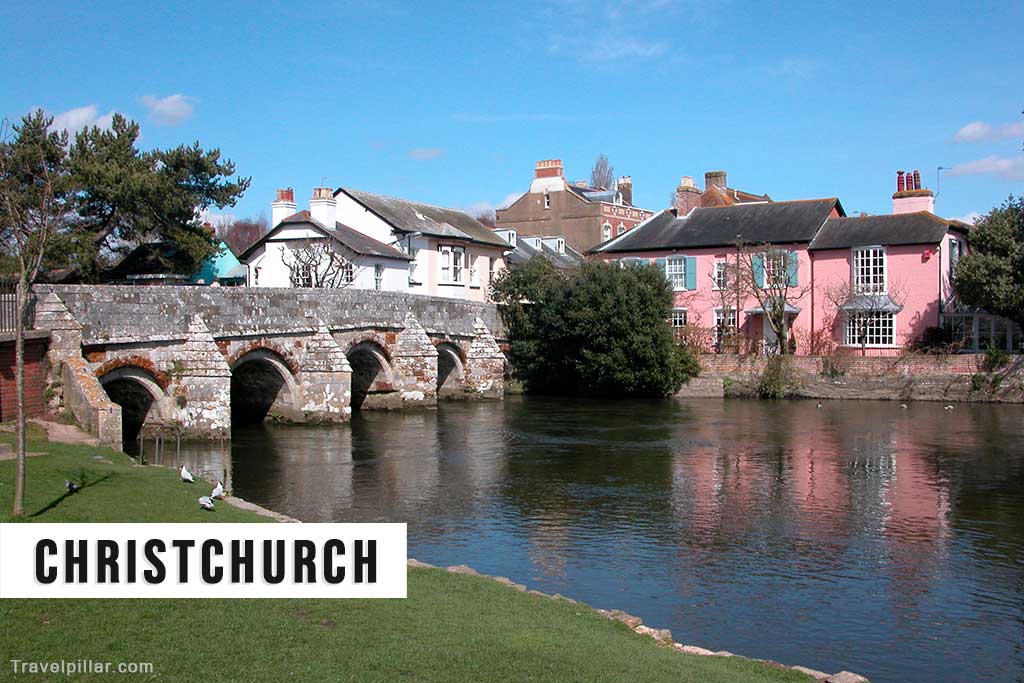
The town center has a mix of historical and modern buildings, with local markets, shops, and cafes contributing to its character. The weekly Monday market has been a fixture since the 13th century, reflecting Christchurch’s long-standing role as a market town.
Christchurch’s combination of historic sites, natural landscapes, and a traditional market atmosphere makes it an appealing destination. Its accessible location near the New Forest and the Dorset coastline further enhances its status as a point of interest for visitors exploring southern England.