

Corsica is a mountainous island in the Mediterranean Sea and one of France‘s 18 administrative regions. It is located southeast of the mainland, west of Italy, and north of Sardinia. Known as the “Island of Beauty”, Corsica’s natural splendor is marked by towering peaks, dense forests, winding coastal trails, and pristine beaches.
The island’s history has left a unique cultural footprint. It was the birthplace of Napoleon Bonaparte, and Ajaccio, the capital, hosts a museum in his ancestral home. The island was historically under Italian control, and Italian influences are evident in the local dialect, cuisine, and architecture. The citadel towns of Calvi and Bonifacio, perched on impressive cliffs, demonstrate this fusion of French and Italian styles.
Corsica is also home to the GR 20, one of the world’s most challenging long-distance hiking trails, which traverses the island’s rugged interior. The island’s distinctive flora and fauna, preserved in nature reserves like the Scandola Nature Reserve, are part of its appeal for nature lovers.
The island’s local cuisine is another highlight, featuring a range of artisanal charcuteries, cheeses, and wines. From its natural beauty to its rich culture and history, Corsica offers a diverse and distinctive experience.
Official tourism website: https://www.visit-corsica.com/en
Google map 4.8/5
The Best Places to Visit in Corsica
1. Bonifacio
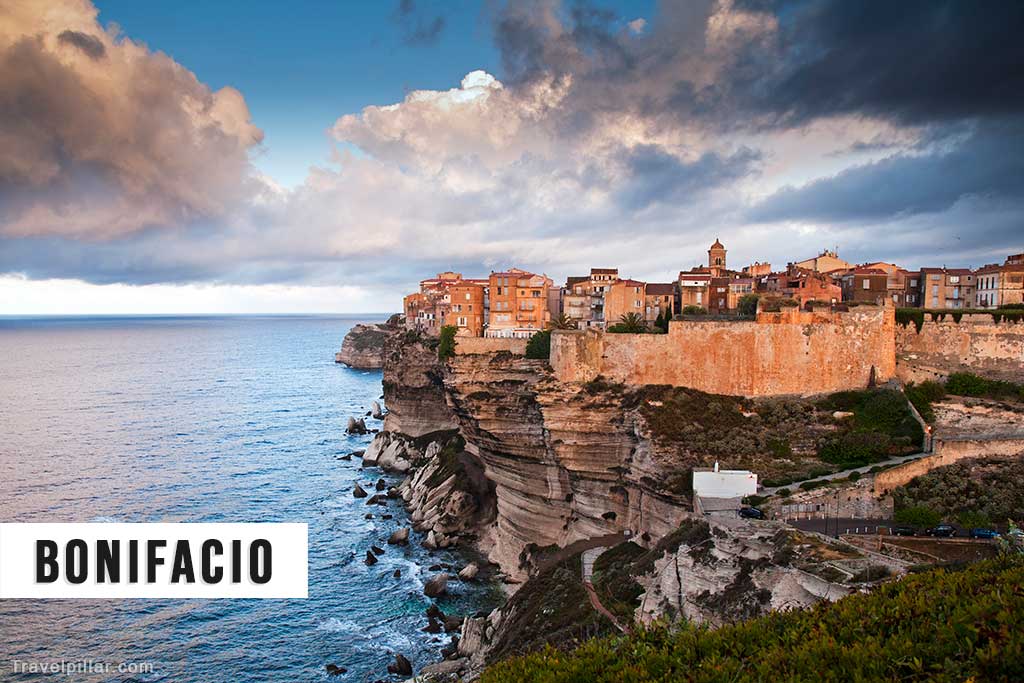
Perched atop dramatic limestone cliffs on Corsica’s southernmost tip, Bonifacio is one of the island’s most picturesque towns. Its medieval citadel, with its labyrinth of narrow streets and historic buildings, offers breathtaking views of the Mediterranean. The harbor below is bustling with cafes, yachts, and tour boats. A boat trip to see the cliffs and the nearby caves, like the Grotte de Sdragonato, is highly recommended. The Escalier du Roi d’Aragon (King Aragon’s Stairway), a steep staircase carved into the cliff, is a must-see for adventurous visitors.
2. Calanques de Piana
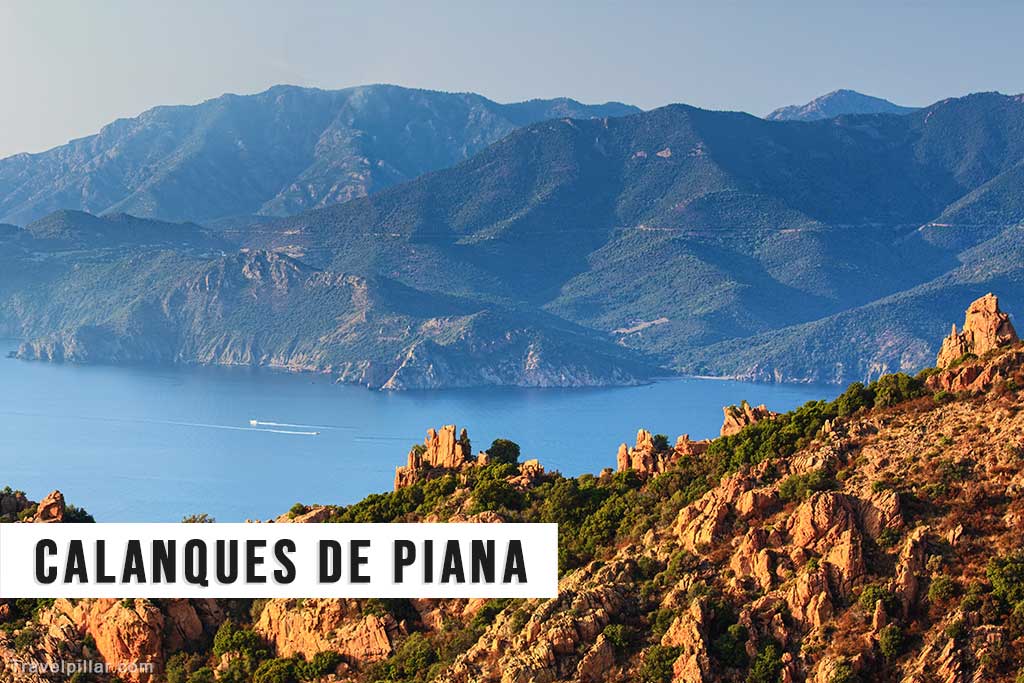
These striking red granite cliffs and rock formations, a UNESCO World Heritage Site, rise dramatically above the Gulf of Porto. The area is renowned for its unique shapes, created by centuries of wind and sea erosion. Visitors can drive along the winding coastal road for stunning views or hike the trails for a closer look. Boat tours provide an alternative perspective, showcasing the cliffs’ vibrant colors against the turquoise sea.
Google map 4.9/5
3. Scandola Nature Reserve
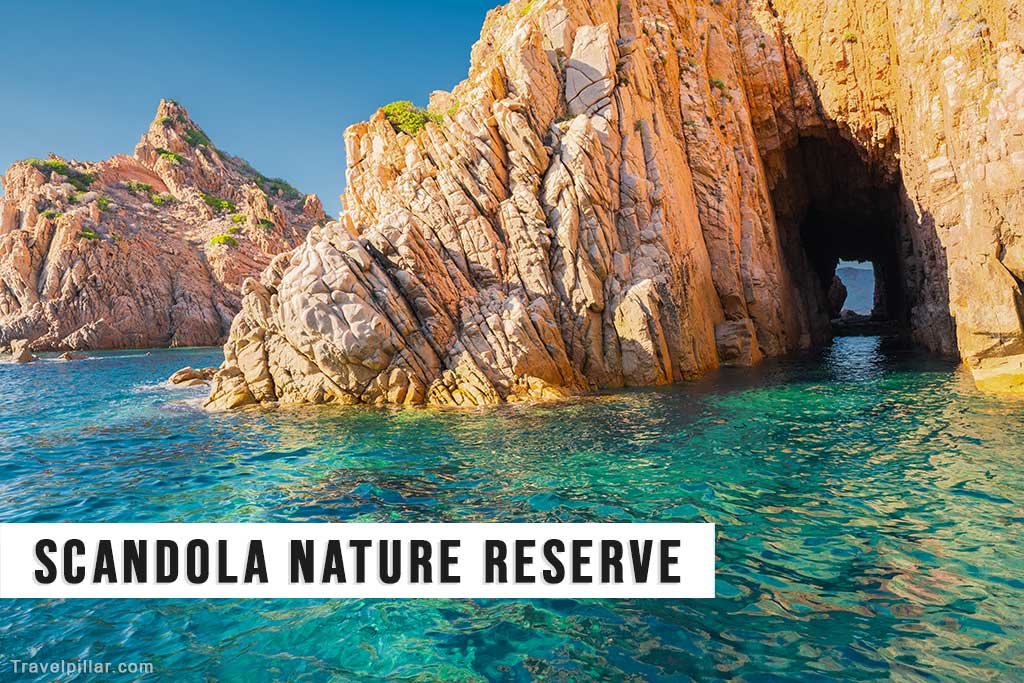
Another UNESCO World Heritage Site, Scandola is a protected marine and terrestrial reserve. Accessible only by boat, it features volcanic rock formations, crystal-clear waters, and diverse wildlife, including rare bird species. The reserve is a haven for snorkeling and scuba diving, with its pristine underwater environment drawing nature enthusiasts from around the world.
Google map 4.8/5
4. Ajaccio
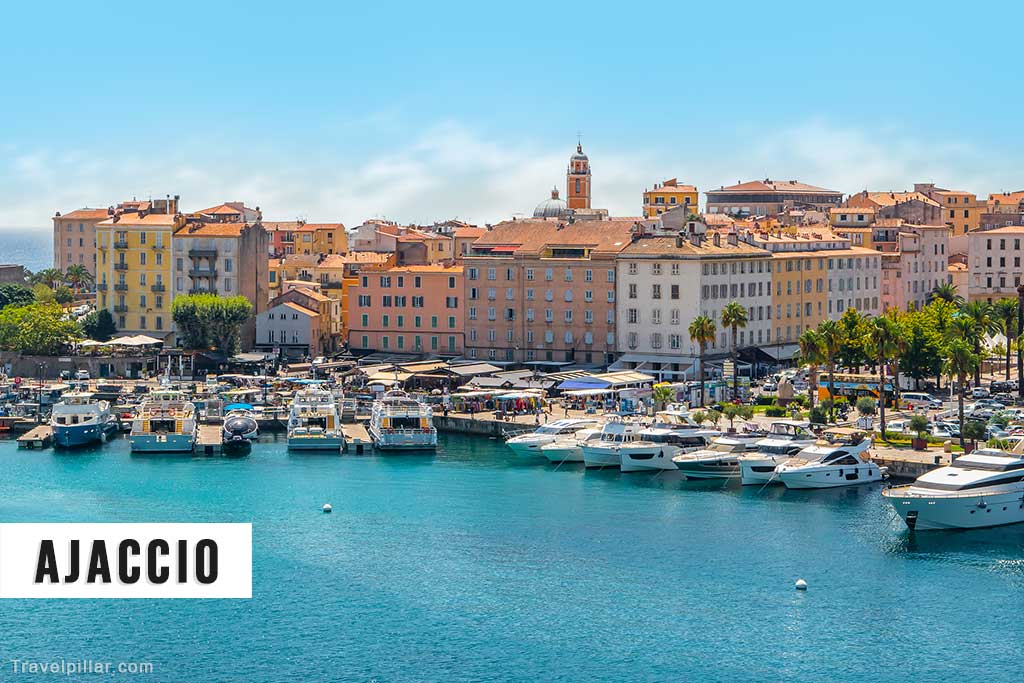
As the capital of Corsica and the birthplace of Napoleon Bonaparte, Ajaccio is a blend of historical significance and modern coastal charm. The Maison Bonaparte, Napoleon’s birthplace, is now a museum showcasing artifacts from his life. The old town is a maze of colorful streets, while the nearby beaches provide a relaxing retreat. Markets in Ajaccio offer Corsican specialties such as charcuterie, cheese, and wine, giving visitors a taste of the island’s culinary heritage.
5. Corte

Situated in the heart of Corsica’s rugged interior, Corte was once the island’s capital during its brief period of independence. The town’s Citadel, perched on a rocky outcrop, offers sweeping views of the surrounding valleys. The Musée de la Corse, located within the Citadel, provides an in-depth look at Corsican history, culture, and traditions. Corte is also the gateway to several hiking trails, including routes through the Restonica Valley and Tavignano Gorge, both known for their dramatic scenery.
6. Cap Corse
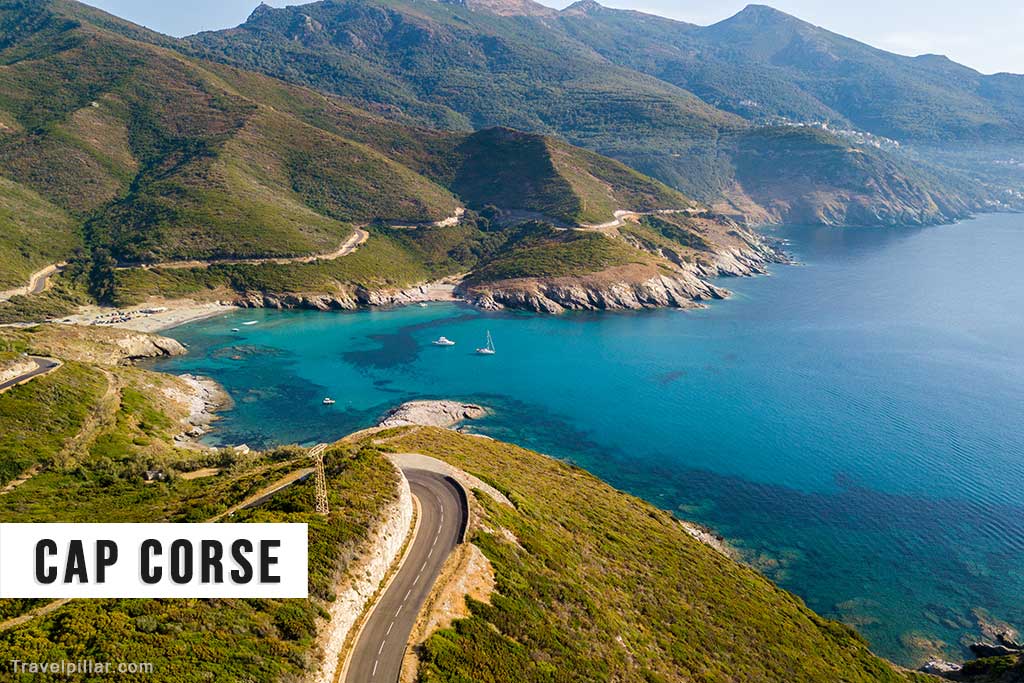
The northern peninsula of Corsica, known as Cap Corse, is a region of rugged beauty and traditional villages. Scenic coastal roads wind through dramatic cliffs, Genoese towers, and terraced vineyards. Highlights include Nonza, a village with stunning views and a unique black pebble beach, and Centuri, a small fishing port famous for its lobster. Cap Corse’s untamed landscapes make it a paradise for photographers and nature lovers.
Google map 4.8/5
7. Porto-Vecchio
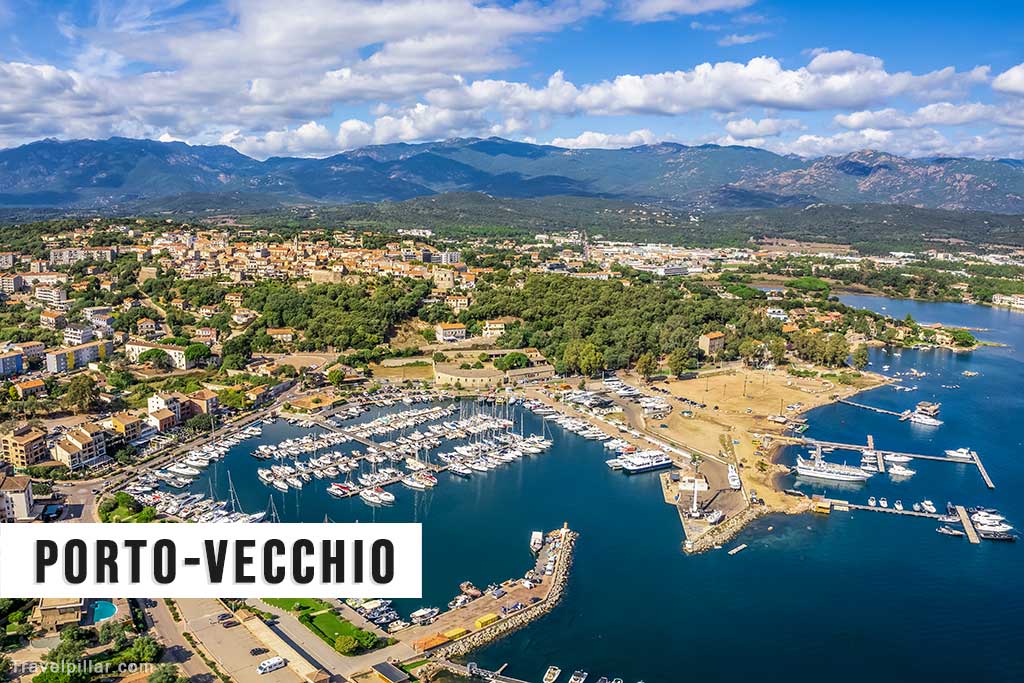
Known as the “City of Salt” due to its historic salt marshes, Porto-Vecchio is a charming town that blends old-world character with modern luxury. The old town features cobbled streets, boutique shops, and fortifications. Nearby, the beaches of Palombaggia and Santa Giulia are among Corsica’s most famous, boasting fine white sand and turquoise waters. The surrounding hills offer opportunities for hiking, with views stretching over the coastline.
8. Bavella Needles (Aiguilles de Bavella)
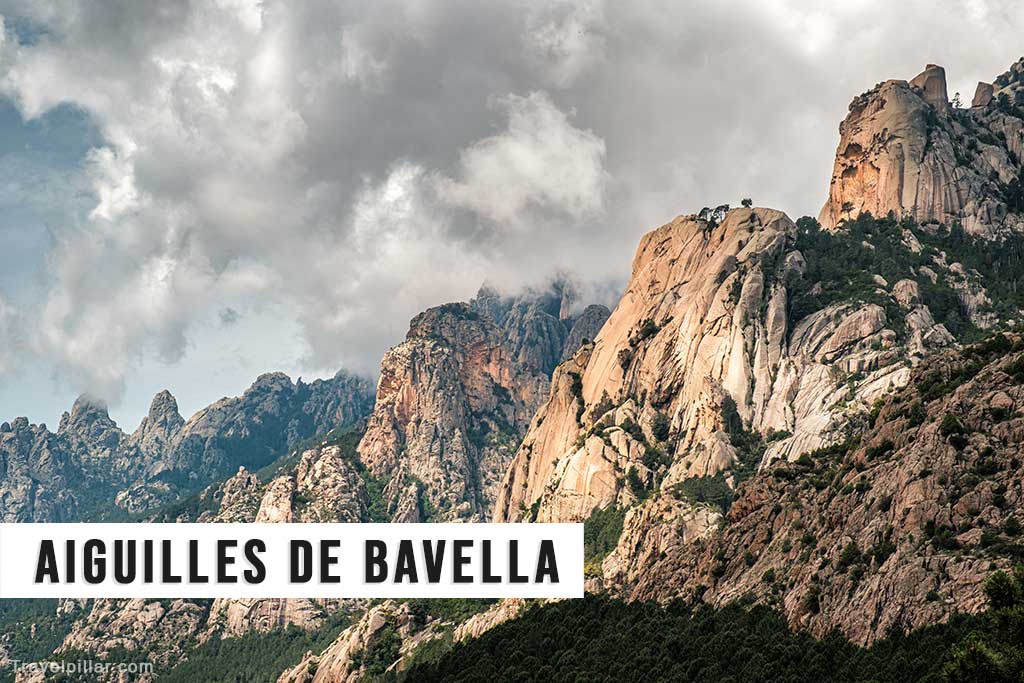
Located in the Alta Rocca region, the Bavella Needles are jagged peaks that rise dramatically above pine forests. This area is a favorite among hikers, offering trails such as the Trou de la Bombe (Hole of the Bomb) and portions of the GR20, one of Europe’s most challenging long-distance trails. The Bavella Pass provides a convenient spot for panoramic views and access to several shorter walks.
Google map 4.8/5
9. Lavezzi Islands
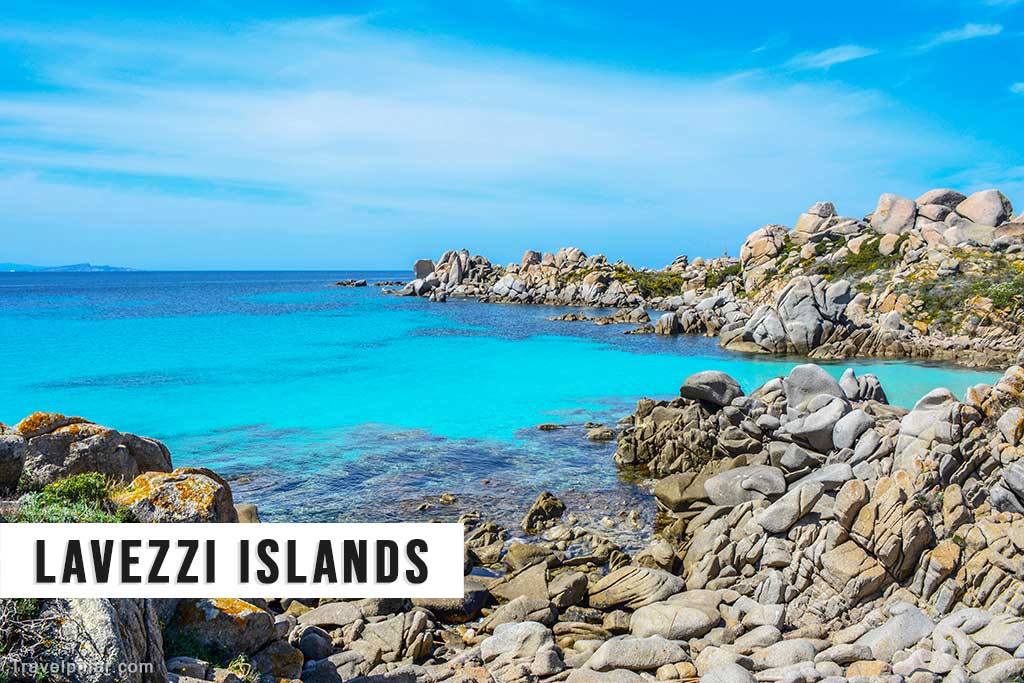
This archipelago of uninhabited islands lies off Corsica’s southern coast, accessible by boat from Bonifacio. The islands are known for their crystal-clear waters, granite rock formations, and secluded beaches. They are part of a marine reserve, making them ideal for snorkeling and swimming. The tranquility and pristine environment make the Lavezzi Islands a perfect getaway for those seeking solitude and natural beauty.
Google map 4.6/5
10. Bastia
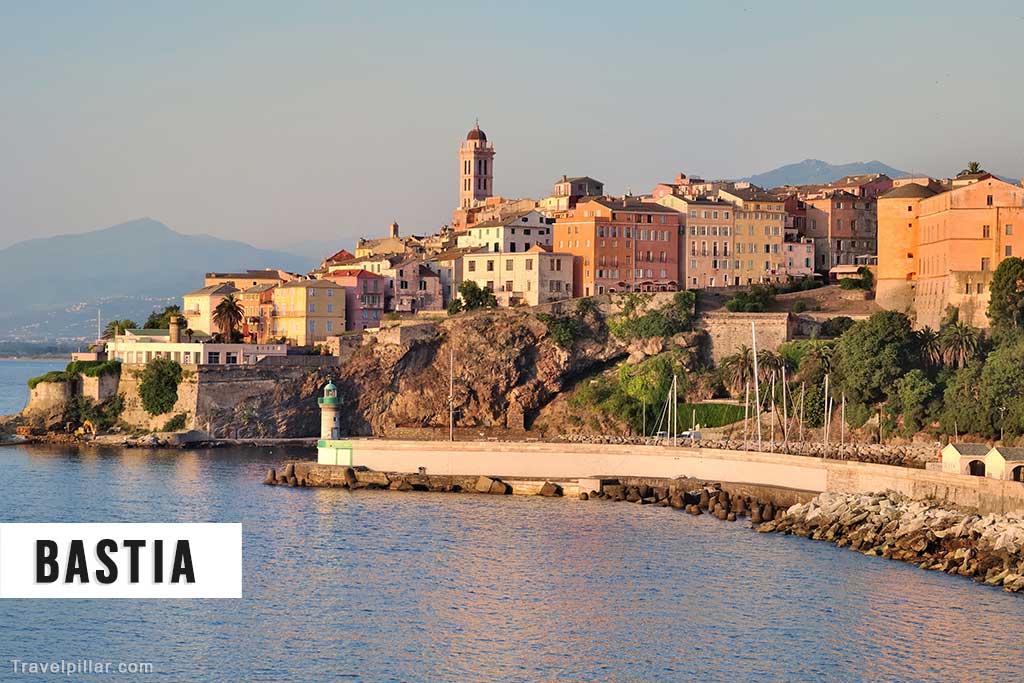
Situated in northern Corsica, Bastia is a lively port city with a mix of history and modernity. The Terra Vecchia (Old Town) is a maze of narrow streets and colorful facades, centered around the Place du Marché and Saint-Nicolas Square. The Old Port is a picturesque area filled with fishing boats and waterfront cafes. Bastia’s cultural offerings include the Oratory of the Immaculate Conception and the Oratory of Saint Roch, both featuring baroque art and architecture.