
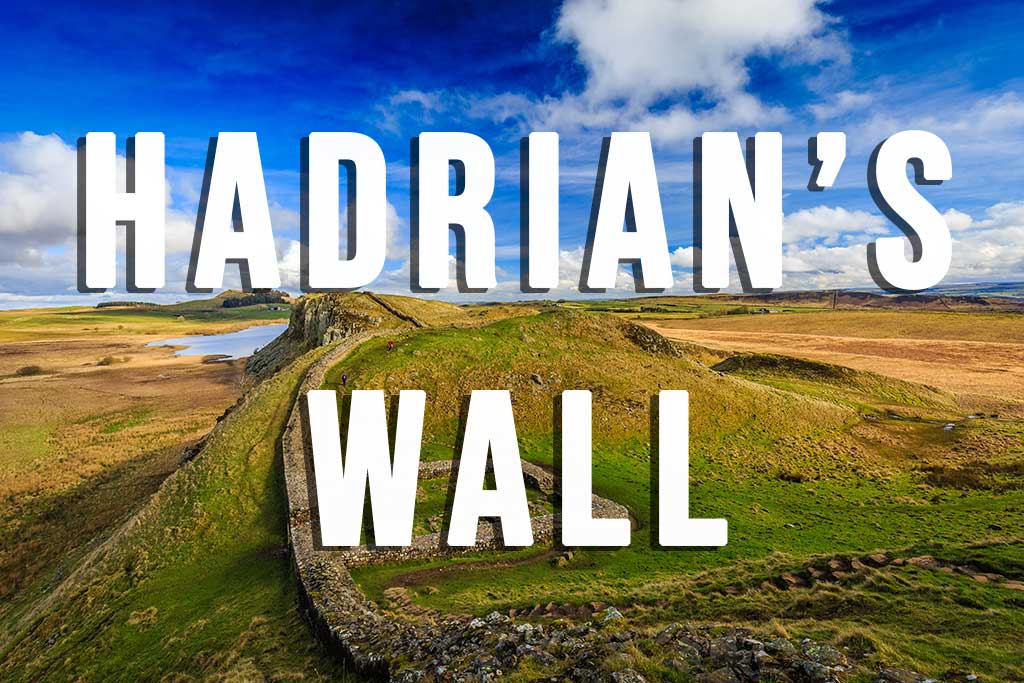
Hadrian’s Wall, a UNESCO World Heritage Site located in Northern England, is a remarkable testament to the engineering prowess and imperial ambitions of the ancient Roman Empire. Spanning approximately 73 miles from the Solway Coast in the west to Wallsend in the east, this colossal stone barrier once marked the northern boundary of Roman Britain, separating the province from the unconquered lands to the north.

Constructed under the orders of Emperor Hadrian in AD 122, Hadrian’s Wall served both as a defensive fortification and a symbol of Rome’s power. Today, visitors can explore the remnants of the wall, as well as the numerous forts, milecastles, and turrets that punctuated its length. Key sites along the wall include Housesteads Roman Fort, Vindolanda, and the Roman Army Museum, which offer insights into the lives of the soldiers stationed along the frontier and the local communities that interacted with them.
For those looking to immerse themselves in the stunning landscapes surrounding Hadrian’s Wall, the Hadrian’s Wall Path provides a challenging yet rewarding walking experience. This 84-mile National Trail follows the entire length of the wall, traversing diverse terrains such as rolling hills, rugged moorlands, and serene river valleys. Along the way, hikers can enjoy picturesque views, discover fascinating archaeological sites, and visit charming villages and towns.
In addition to its historical and archaeological appeal, Hadrian’s Wall hosts a variety of events throughout the year, including guided tours, re-enactments, and educational workshops. These activities bring the ancient Roman frontier to life, offering an engaging and informative experience for visitors of all ages.
Official website: https://www.english-heritage.org.uk
Google map Hadrian’s Wall 4.6/5
Hadrian’s Wall Main Highlights
Housesteads Roman Fort
Set atop a dramatic escarpment, Housesteads Roman Fort is one of the most iconic sites along Hadrian’s Wall. Visitors can explore the extensive remains of the fort, including the barracks where soldiers lived, the granaries where food supplies were stored, and the well-preserved Roman latrines. Interpretive panels and a small museum on-site provide further insights into the lives of the soldiers stationed at Housesteads and their role in maintaining the Roman frontier.
Official website: https://www.english-heritage.org.uk
Google map 4.6/5
Sycamore Gap
Sycamore Gap, located in Northumberland along Hadrian’s Wall, was known for its solitary sycamore tree nestled in a natural dip between two hills. This picturesque site, part of the Northumberland National Park, is accessible via several walking trails and was a popular spot for photography. The tree gained fame after appearing in the 1991 film “Robin Hood: Prince of Thieves.” In September 2023, the iconic tree was deliberately cut down, an act that drew widespread public attention and highlighted efforts to preserve historic landscapes in the region.
Google map 4.9/5 (Sycamore Gap)
Google map (Steel Rigg Car Park)
Google map (Housesteads Visitors Centre Car Park)
Vindolanda
A remarkable archaeological site, Vindolanda predates Hadrian’s Wall and was once a thriving Roman settlement. Ongoing excavations have uncovered a wealth of artifacts, including the famous Vindolanda Tablets, which provide a unique record of daily life in Roman Britain. Visitors can observe live excavations during the digging season, explore the extensive ruins of the fort and civilian settlement, and view the impressive array of artifacts in the Vindolanda Museum.
Official website: https://www.vindolanda.com
Google map 4.8/5
Roman Army Museum
The Roman Army Museum offers an immersive experience into the world of the Roman military. Through interactive exhibits, 3D films, and displays of military artifacts, visitors can learn about the life of a Roman soldier, the structure of the Roman army, and the strategies employed in battle. The museum also provides information about the construction of Hadrian’s Wall and the challenges faced by those who lived and worked along its length.
Official website: https://romanarmymuseum.com
Google map 4.6/5
Hadrian’s Wall Path (National Trail)
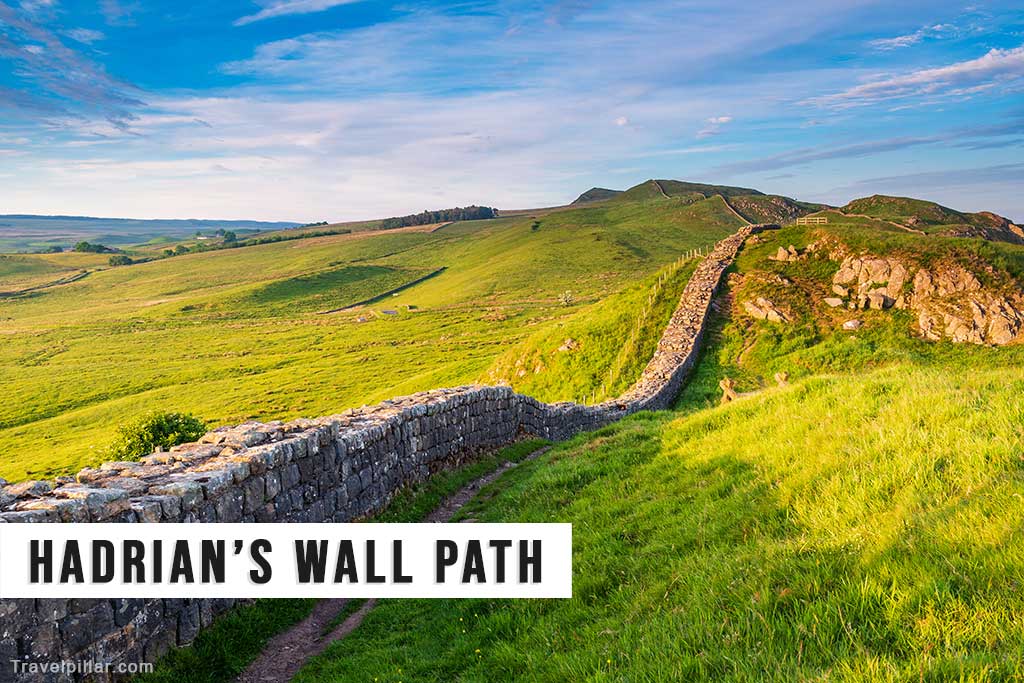
Hadrian’s Wall National Trail is an 84-mile long-distance walking route that follows the path of the ancient Roman frontier. Starting in Wallsend near Newcastle and finishing in Bowness-on-Solway, the trail takes visitors through stunning landscapes, picturesque villages, and historical sites along the way. It provides a unique opportunity to discover the remains of the iconic Roman Wall and the forts, turrets, and milecastles that once guarded it, while also showcasing the diverse landscapes of northern England. The well-signposted trail offers various options for walkers and is a must-visit destination for history enthusiasts, nature lovers, and walkers.
Official website: https://www.nationaltrail.co.uk
Chesters Roman Fort
Nestled in a picturesque riverside setting, Chesters Roman Fort is known for its well-preserved Roman baths, which include a steam room, cold plunge bath, and changing rooms. The commanding officer’s quarters, featuring an underfloor heating system and intricate mosaic floors, offer a glimpse into the luxury enjoyed by high-ranking officers. The on-site museum displays a collection of artifacts discovered during excavations, providing further context for the site’s history.
Official website: https://www.english-heritage.org.uk
Google map 4.6/5
Lanercost Priory
Lanercost Priory is a serene and atmospheric 12th-century Augustinian monastery located near Hadrian’s Wall. The priory is notable for its use of stones taken from the wall during its construction, symbolizing the link between Roman and medieval history. Visitors can explore the tranquil ruins, marvel at the beautifully preserved medieval architecture, and enjoy the peaceful setting of the English countryside.
Official website: https://www.english-heritage.org.uk
Google map. 4.5/5
Birdoswald Roman Fort
Occupying a strategic position overlooking the River Irthing, Birdoswald Roman Fort is an excellent location to explore the remains of Hadrian’s Wall and the surrounding landscape. The fort’s ruins, which include barracks, granaries, and a parade ground, reveal the layout of a typical Roman fort. An on-site exhibition delves into the construction of the wall and the lives of the soldiers stationed at Birdoswald.
Official website: https://www.english-heritage.org.uk
Google map 4.4/5
Segedunum Roman Fort and Museum
At the eastern terminus of Hadrian’s Wall, Segedunum Roman Fort boasts a comprehensive museum and a reconstructed Roman bathhouse that transports visitors back in time. The interactive museum covers various aspects of Roman life, from military organization to domestic life in the adjacent civilian settlement. A viewing tower offers panoramic views of the fort’s remains and the reconstructed section of Hadrian’s Wall.
Official website: https://www.northeastmuseums.org.uk/
Google map 4.3/5