
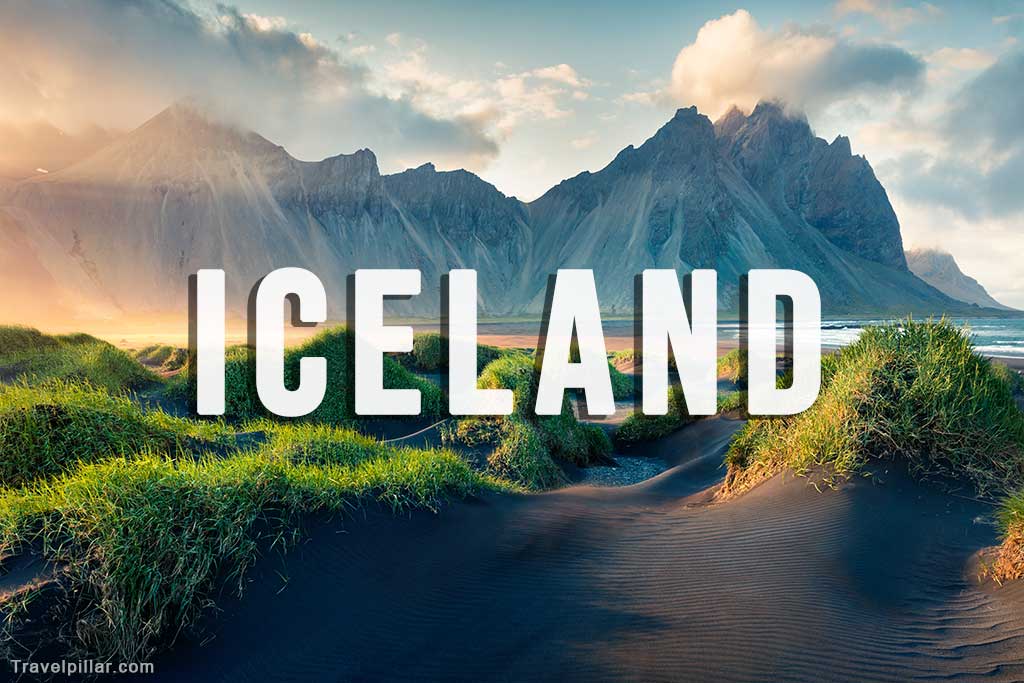
Iceland is a Nordic island nation situated in the North Atlantic Ocean. Known for its unique geological features, it boasts dramatic landscapes comprising glaciers, geysers, hot springs, lava fields, and vast volcanic deserts. Reykjavik, its capital, is a cultural hub featuring the remarkable Hallgrímskirkja Church and the National Museum, showcasing the country’s Viking history. With a population of around 360,000, Iceland is sparsely populated, leaving vast expanses of nature relatively untouched. Renowned for its commitment to renewable energy and environmental sustainability, Iceland’s geothermal power is a significant component of its energy consumption.
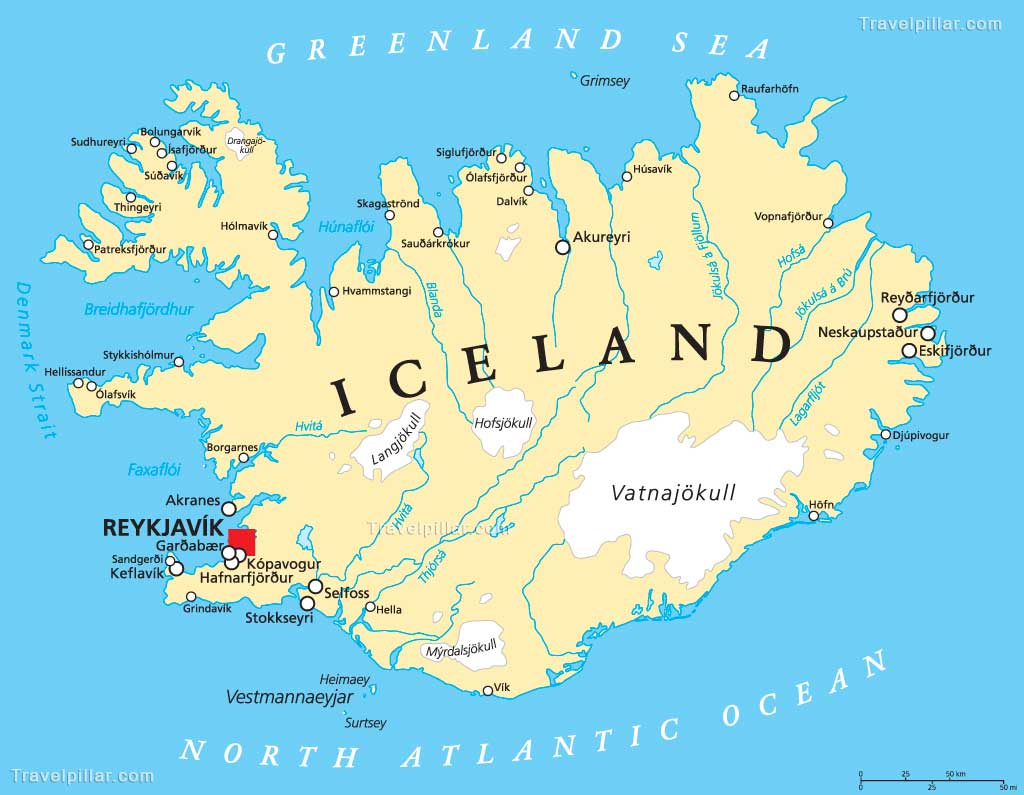
Iceland’s Official tourism website: https://www.visiticeland.com
Google map of Iceland
The Best Places to Visit in Iceland
Reykjavik
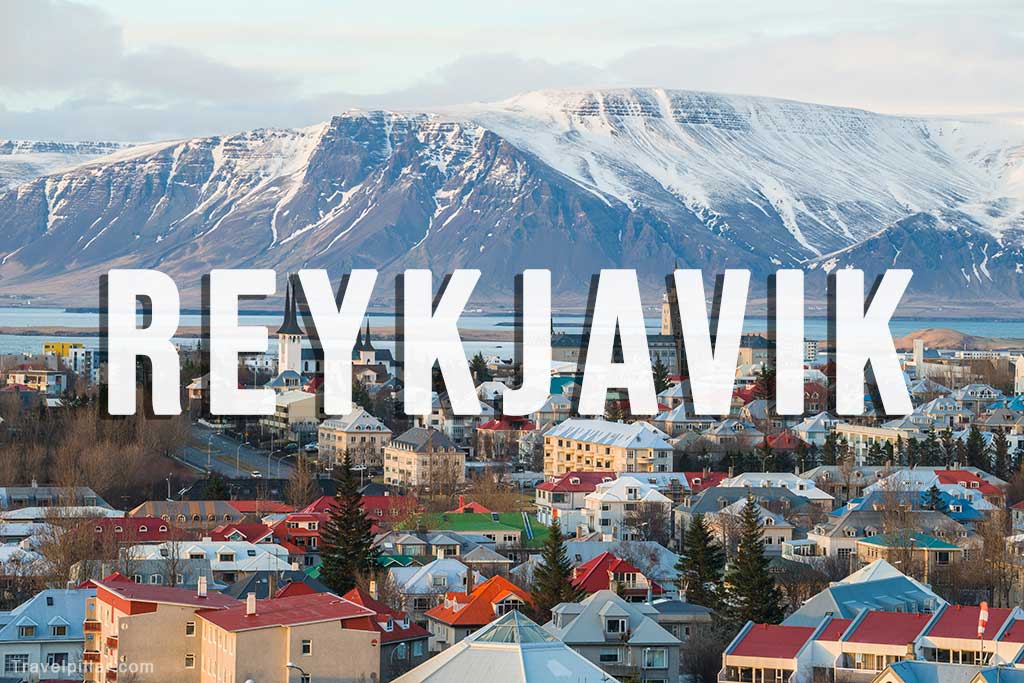
Reykjavik is the capital and largest city of Iceland, known for its cultural vibrancy and architectural innovation. Its landmarks include the striking Hallgrímskirkja Church and Harpa Concert Hall, both showcasing modern Icelandic design. The National Museum and Saga Museum offer deep insights into Icelandic history and culture. Reykjavik’s proximity to nature, with nearby geothermal pools and viewing points for the Northern Lights, blends urban amenities with outdoor attractions, making it a unique destination.
Reykjavik’s official tourism website: https://visitreykjavik.is
Google map of Reykjavik
Golden Circle
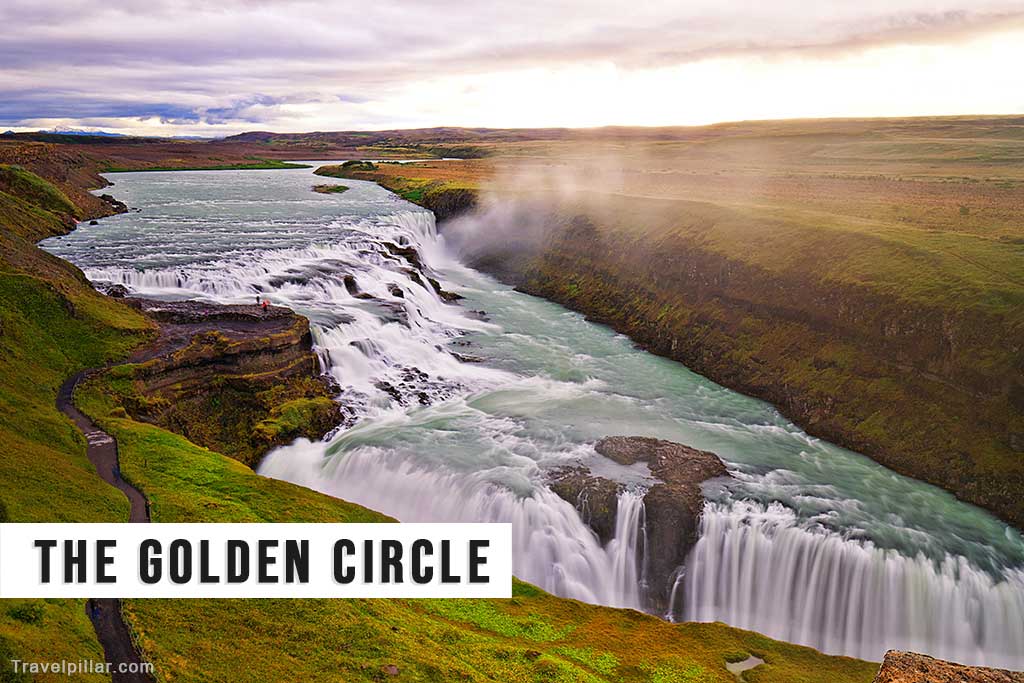
The Golden Circle is a popular tourist route in southern Iceland, encompassing three notable attractions: Thingvellir National Park, the Geysir Geothermal Area, and Gullfoss Waterfall. Thingvellir is known for its historical significance and unique geology, being situated on the rift between the North American and Eurasian tectonic plates. The Geysir area, home to active geysers, offers a fascinating display of geothermal activity. Gullfoss, or the Golden Falls, is an iconic waterfall, providing stunning views particularly in winter or sunset.
Gullfoss Waterfall
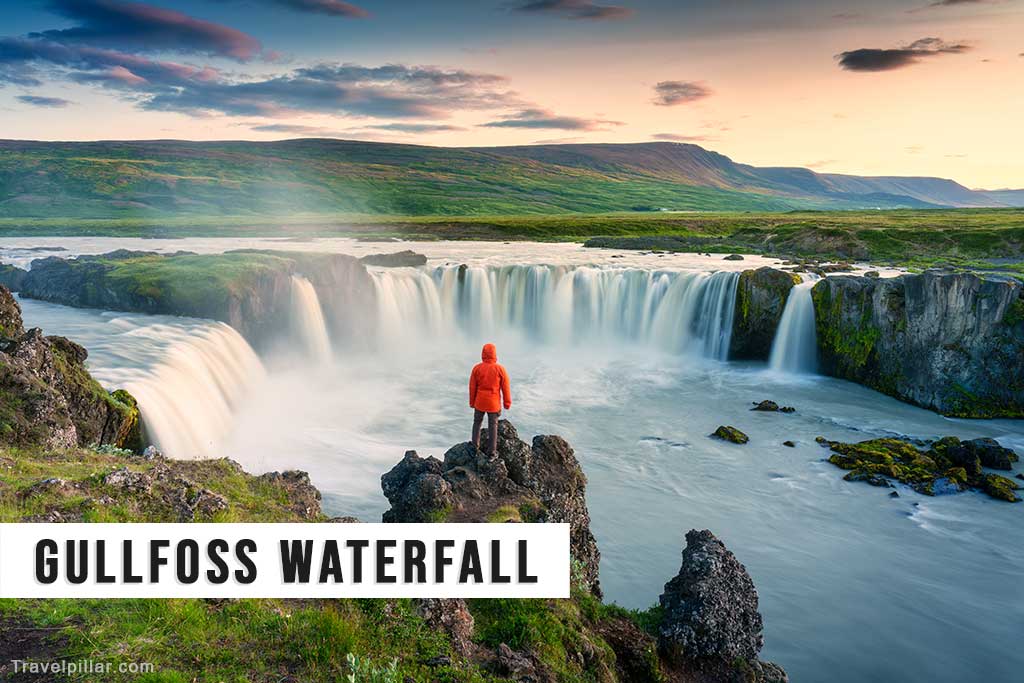
Gullfoss Waterfall, located in southwest Iceland, is one of the country’s most iconic natural attractions. Part of the Golden Circle tour, it plunges into a deep gorge in two stages, creating a stunning spectacle. Known as the “Golden Falls,” Gullfoss is renowned for the golden hue of its water on sunny days. Its surroundings are protected as a nature reserve to ensure its unspoiled beauty remains intact for future generations.
Google map 4.9/5
Thingvellir National Park

Thingvellir National Park is a UNESCO World Heritage site located in southwestern Iceland. It’s notable for its historical and geological significance. As the original site of the world’s first parliament, the Althing, established by Viking settlers in the 10th century, it holds a central place in Icelandic cultural history. Geologically, it lies in a rift valley marking the crest of the Mid-Atlantic Ridge, where the North American and Eurasian tectonic plates diverge.
Google map 4.7/5
Geysir Geothermal Area

The Geysir Geothermal Area, located in the Haukadalur Valley in southwestern Iceland, is home to an impressive array of hot springs, mud pots, and geysers. The most famous geyser, Strokkur, regularly erupts every 5-10 minutes, shooting water and steam up to 30 meters high. This area, which forms part of the Golden Circle route, provides a remarkable demonstration of the geothermal activity for which Iceland is so well known.
Google map 4.7/5
Blue Lagoon (Bláa Lónið)

The Blue Lagoon is a geothermal spa located in a lava field in Grindavík, southwest Iceland. Known for its milky-blue seawater, rich in minerals like silica and sulfur, it is considered to have healing properties, especially for skin conditions. The spa offers various amenities including a sauna, a steam room, and a mask bar. Despite its natural appearance, the lagoon is man-made and fed by water from the nearby geothermal power plant Svartsengi. Its distinctive color and therapeutic qualities attract visitors from around the globe.
Google map 4.6/5
Jökulsárlón Glacier Lagoon
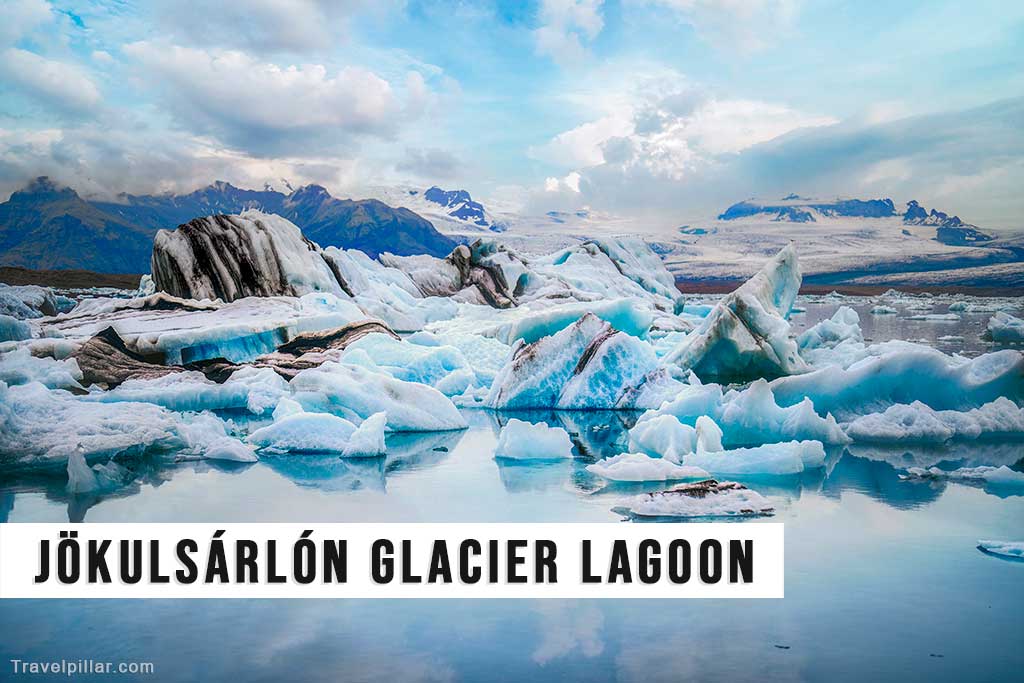
Jökulsárlón Glacier Lagoon is a spectacular natural phenomenon located in southeastern Iceland. Here, icebergs calve from the Breiðamerkurjökull glacier into a serene lagoon before drifting out to sea. The lagoon’s icy-blue waters, dotted with icebergs and often visited by seals, offer a truly captivating and otherworldly landscape. Boat tours provide close-up encounters with the icebergs, while the nearby Diamond Beach is known for ice chunks that wash ashore, resembling sparkling gems.
Google map 4.9/5
Vatnajökull National Park
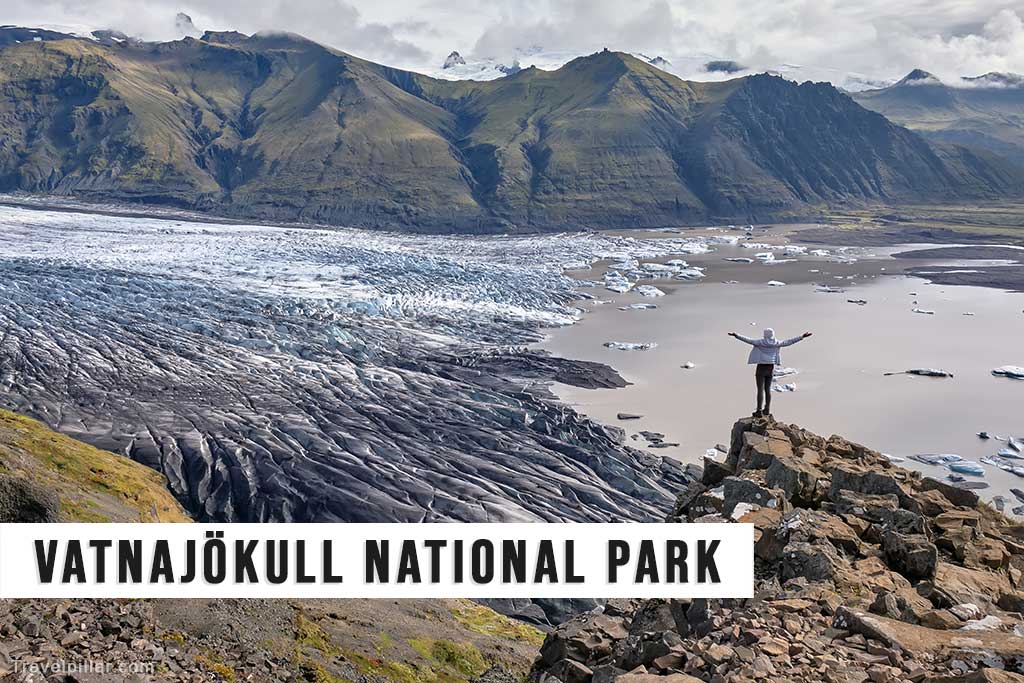
Vatnajökull National Park, covering about 14% of Iceland, is one of the largest national parks in Europe. Named after Vatnajökull, the largest glacier in Iceland, the park is characterized by an extraordinary variety of landscapes, from massive ice caps and active volcanoes to geothermal areas and expansive river plains. It includes significant natural wonders such as the Jökulsárlón glacier lagoon, the Svartifoss waterfall, and the Dettifoss, the most powerful waterfall in Europe.
Google map 4.7/5
Myvatn Nature Baths (Jarðböðin við Mývatn)

Myvatn Nature Baths is a geothermal spa located in the Lake Myvatn area in Northern Iceland. Known as the “Blue Lagoon of the North,” it offers a serene setting for relaxation amidst bubbling geothermal waters. Rich in minerals and with temperatures ranging between 36-40°C (96.8-104°F), the lagoon’s water is reputed to have beneficial health effects. The site also offers steam baths, natural sauna, and a spectacular view over the lava fields.
Google map 4.6/5
Dyrhólaey Arch
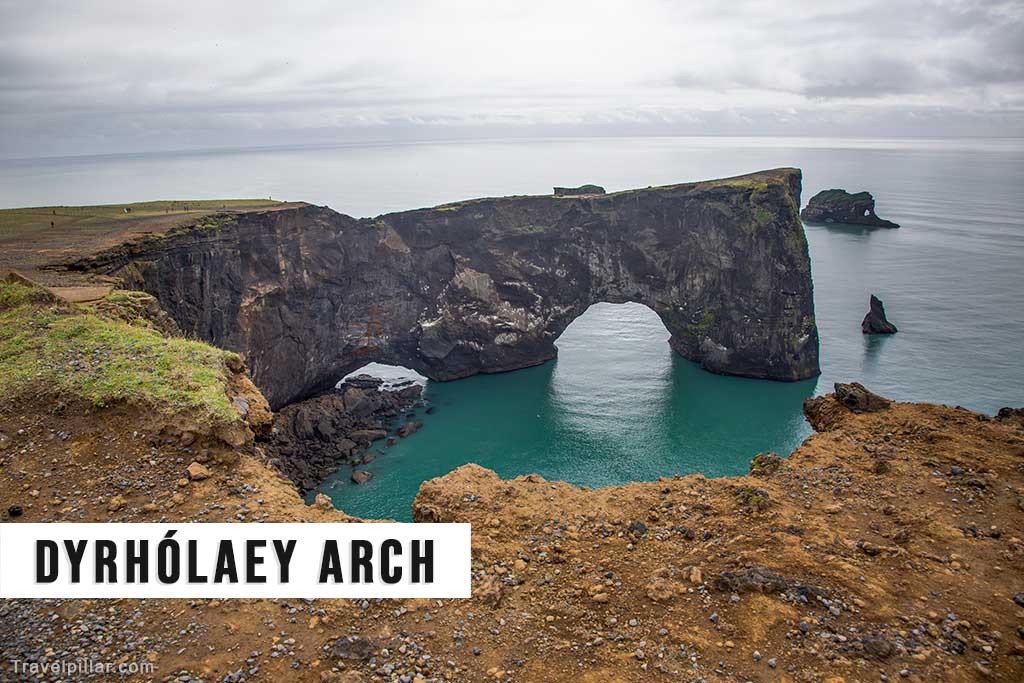
Dyrhólaey Arch is a prominent geological formation on the south coast of Iceland, near the village of Vík. This massive basalt arch, formed by centuries of erosion, is home to a diverse bird population, including the puffin. With panoramic views of the surrounding cliffs, black sand beaches, and glaciers, Dyrhólaey offers a breathtaking snapshot of Iceland’s diverse and dramatic landscape. In winter, it’s also a possible location to view the Northern Lights.
Google map 4.8/5
Skaftafell Ice Cave
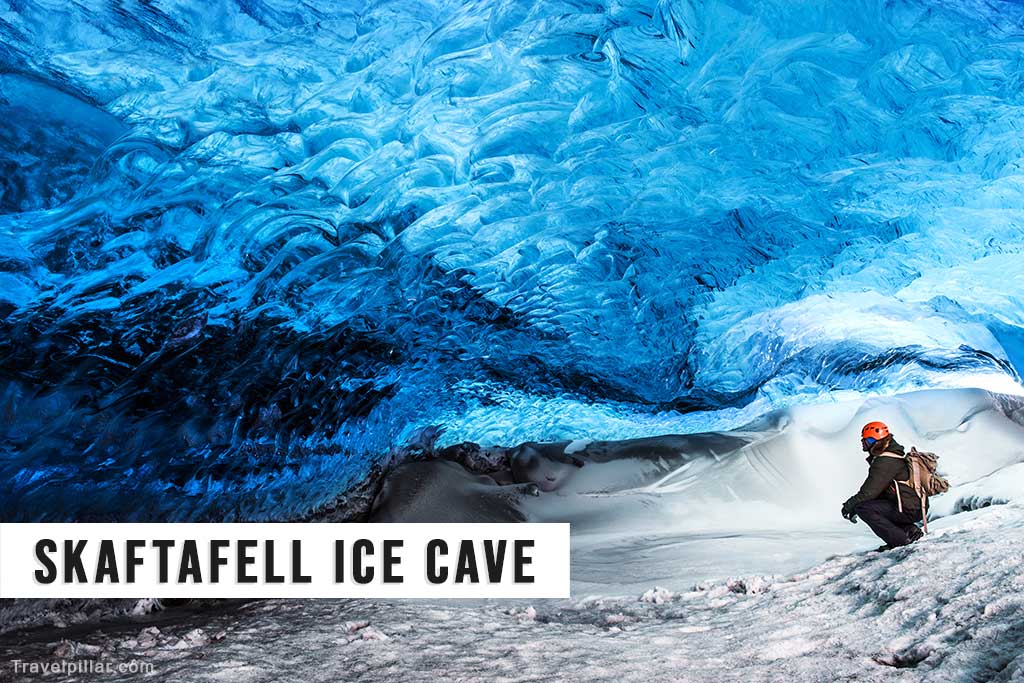
Skaftafell Ice Cave, located in Vatnajökull National Park, is a mesmerizing natural phenomenon. Formed by the melting and freezing of glaciers, these ice caves are renowned for their stunning beauty, with translucent ice creating an ethereal, blue atmosphere. Available to visit in the colder months for safety reasons, guided tours offer a unique opportunity to explore these transient, ever-changing wonders of nature.
Google map
Reynisfjara Black Sand Beach
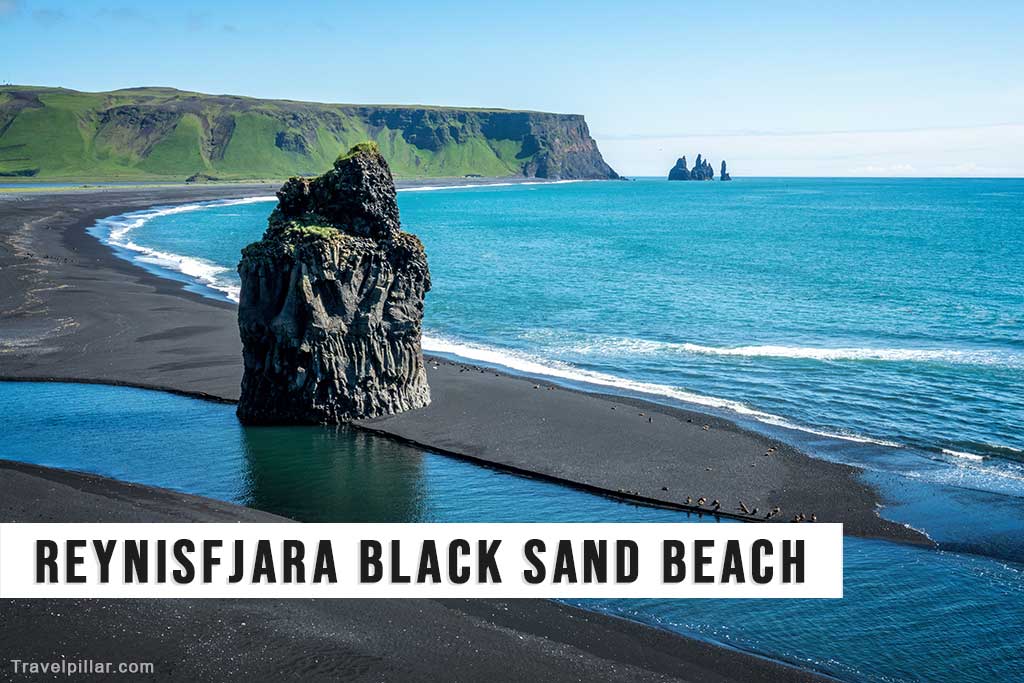
Reynisfjara Black Sand Beach is a striking coastal feature located near the village of Vík in southern Iceland. Known for its unique black pebble sand, caused by basalt lava, it’s further characterized by the dramatic Reynisdrangar sea stacks and the hexagonal-shaped basalt columns of Reynisfjall Mountain. Due to the strong, unpredictable waves, visitors are advised to enjoy the beauty from a safe distance.
Google map
Akureyri
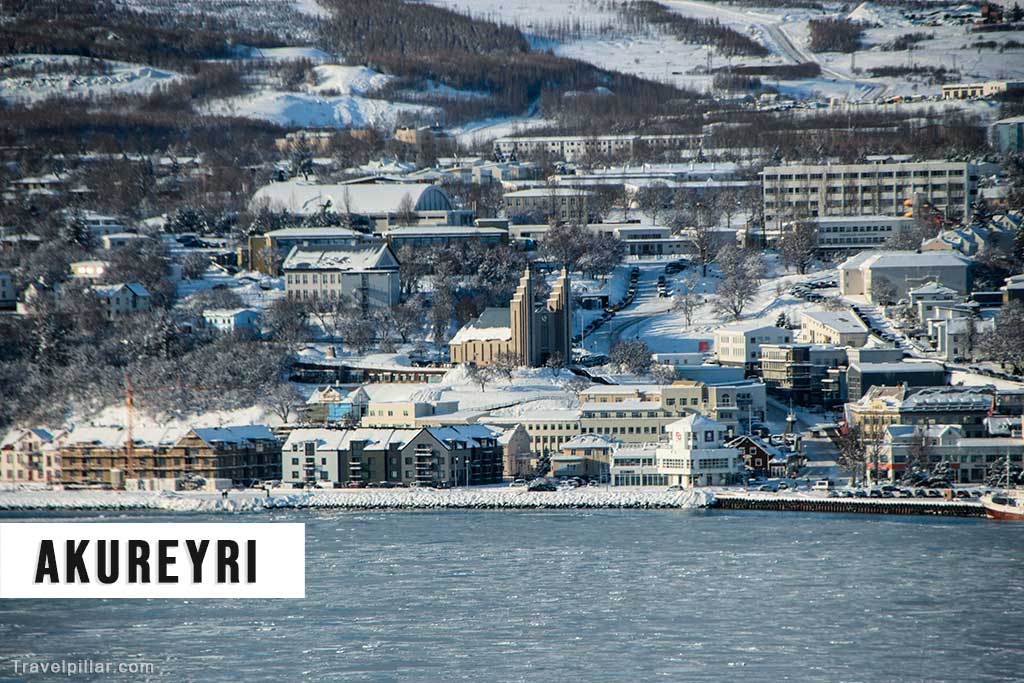
Akureyri, often referred to as the ‘Capital of North Iceland’, is a charming town located at the end of the Eyjafjörður Fjord. Despite its small size, it offers a range of attractions, including the Akureyri Church, botanical gardens, and numerous museums. It serves as a gateway to the natural wonders of northern Iceland, such as the Mývatn lake area, Dettifoss waterfall, and the whale-watching town of Húsavík. Its location within the Arctic Circle also makes it a prime spot for viewing the Northern Lights.
Google map
Snæfellsnes Peninsula
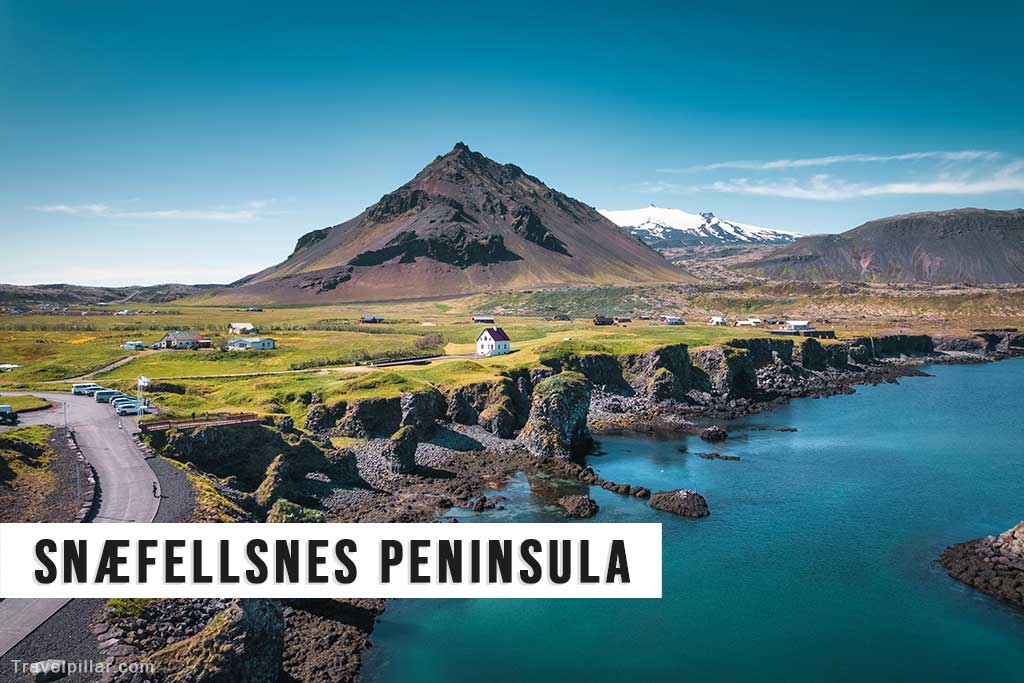
The Snæfellsnes Peninsula, located in western Iceland, is often referred to as ‘Iceland in Miniature’ due to its diverse landscapes. Dominated by the Snæfellsjökull volcano and glacier, it offers black and golden sand beaches, bird cliffs, lava fields, and charming fishing villages. The peninsula is also the setting for Jules Verne’s novel ‘Journey to the Center of the Earth,’ further enhancing its mystical allure.
Google map
Landmannalaugar
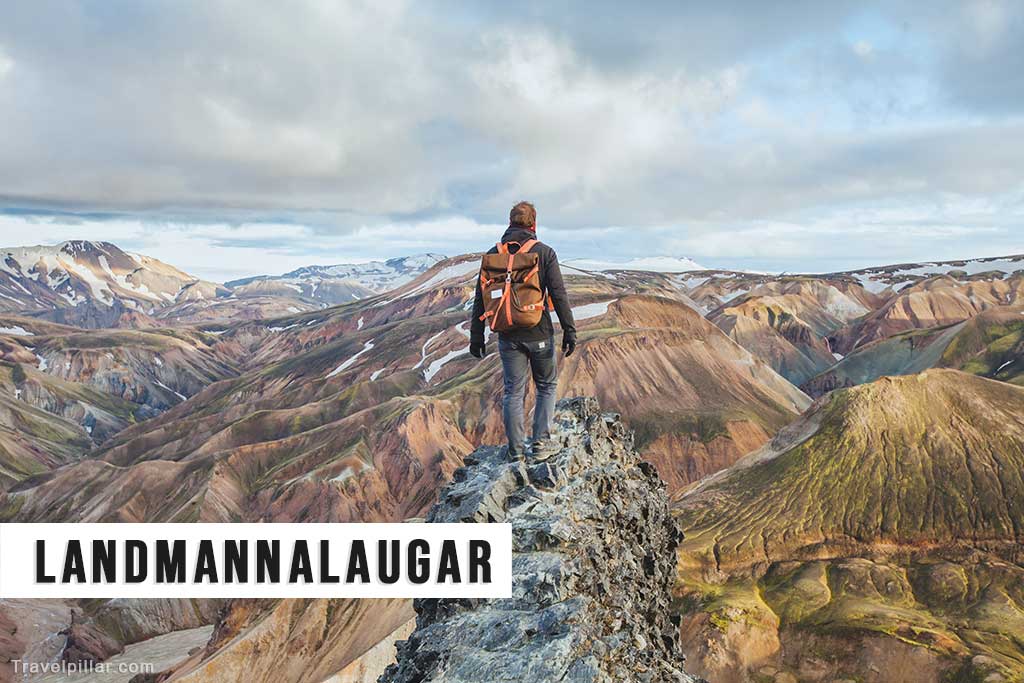
Landmannalaugar, nestled in the Fjallabak Nature Reserve in the Icelandic Highlands, is a geothermal wonder known for its multicolored rhyolite mountains and expansive lava fields. Its natural hot springs offer a unique bathing experience amidst this rugged landscape. Accessible only in summer, it’s a popular starting point for hiking, particularly the Laugavegur trail, one of Iceland’s most famous treks.
Google map
Húsavík (for Whale Watching)
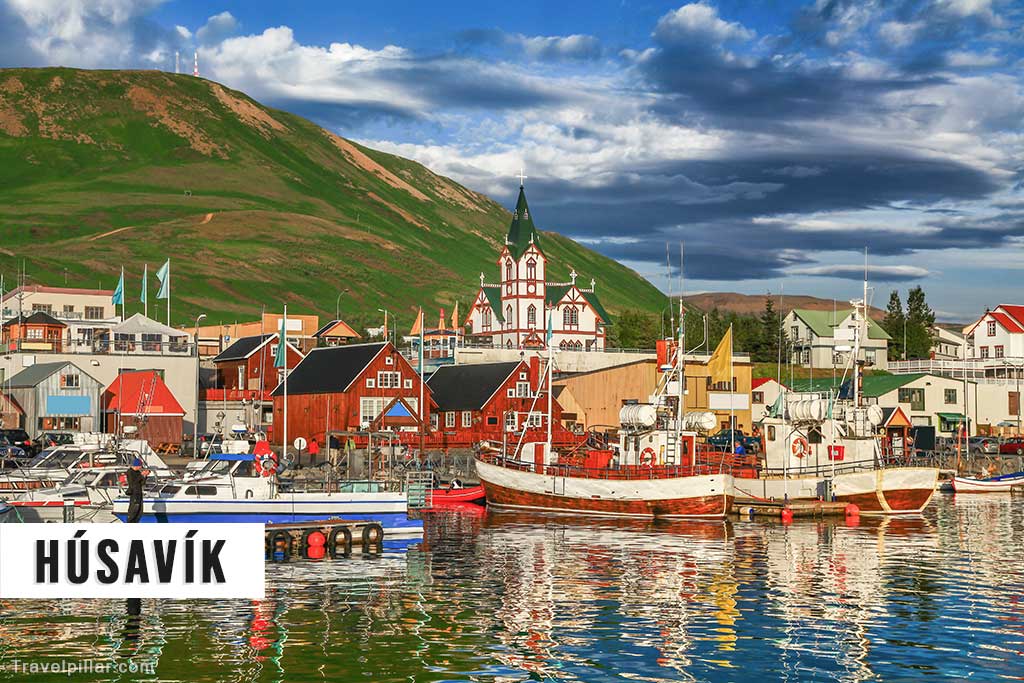
Húsavík, a town on the north coast of Iceland, has established itself as the ‘Whale Watching Capital’ of the country. From its harbor, numerous tours depart daily, offering visitors the chance to see a variety of whale species, including humpback whales, minke whales, and sometimes even blue whales. The town also hosts the Húsavík Whale Museum, providing further insights into these magnificent marine creatures.
Google map
Westfjords
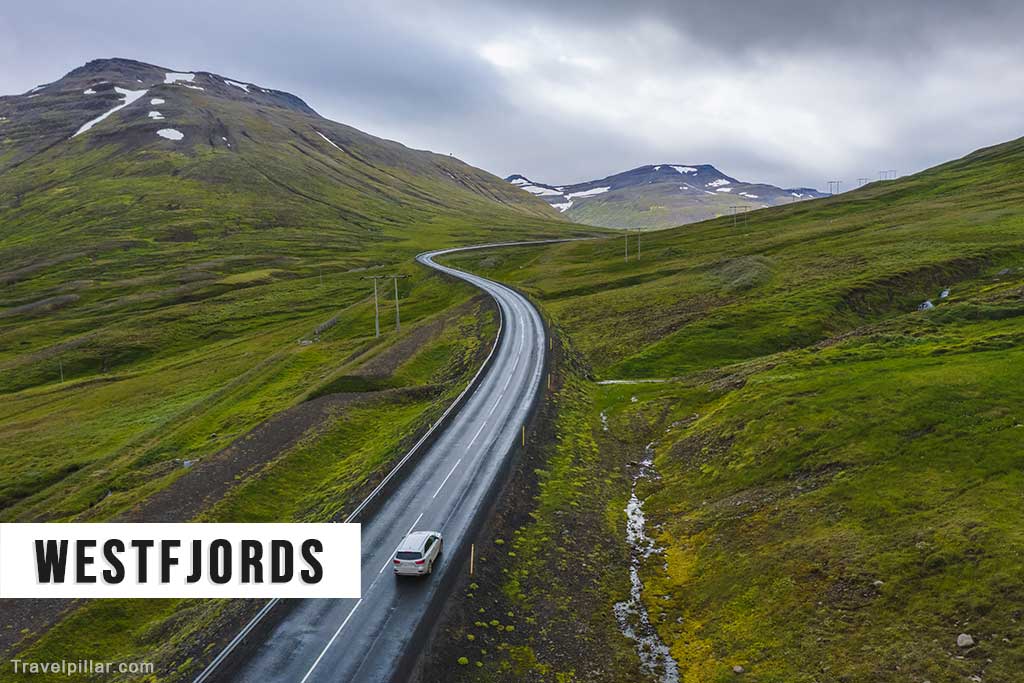
The Westfjords, located in the remote northwest of Iceland, is a region of unparalleled natural beauty. Characterized by deep fjords, rugged cliffs, and small fishing villages, it offers a less-trodden path for visitors. Notable attractions include the Dynjandi waterfall, the Látrabjarg bird cliffs – Europe’s westernmost point – and the Hornstrandir Nature Reserve, an untouched wilderness area home to Arctic foxes and abundant birdlife.
Google map
Seljalandsfoss Waterfall
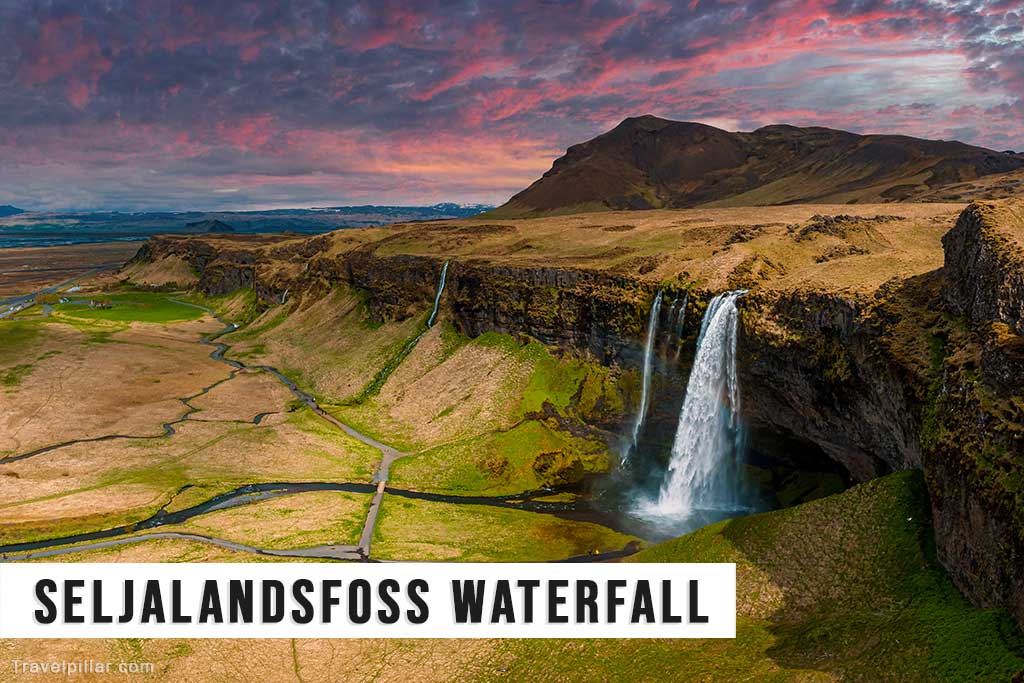
Seljalandsfoss Waterfall is a spectacular natural attraction in southern Iceland, known for its distinctive feature of a path that leads behind the cascading water. Dropping 60 meters from the cliffs above, the waterfall offers a unique vantage point for visitors brave enough to trek the slippery path behind it. Derived from glacial meltwater, Seljalandsfoss is one of the most photographed and iconic sights in Iceland, especially captivating at sunset or under the Northern Lights.
Google map
Svartifoss Waterfall
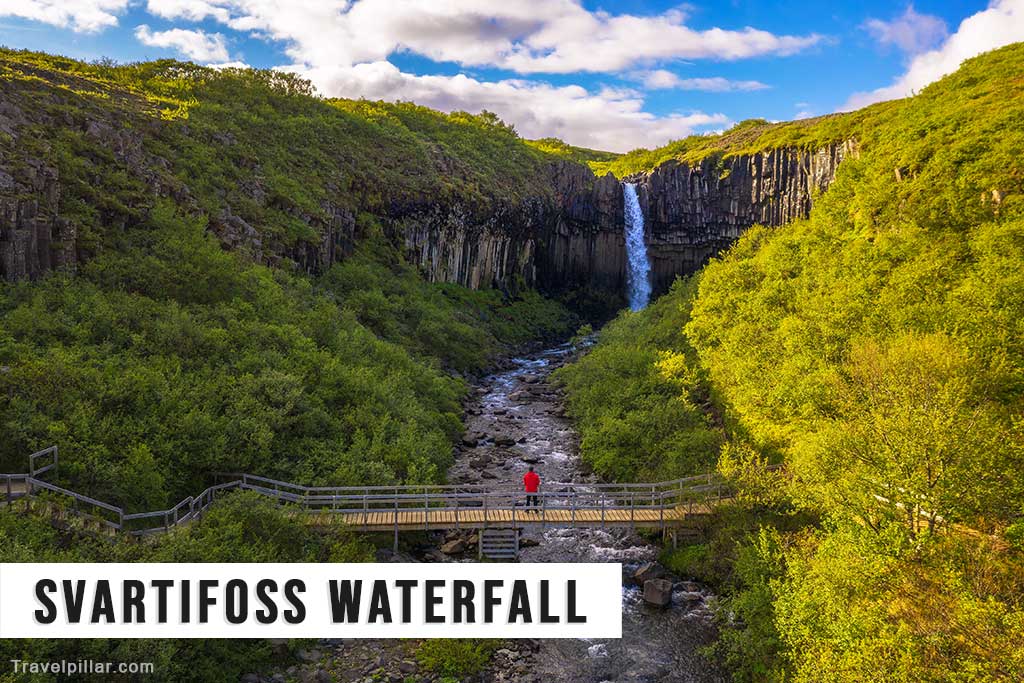
Svartifoss Waterfall, or the ‘Black Waterfall,’ is located in Vatnajökull National Park in southeast Iceland. Named for the striking hexagonal basalt columns that frame it, Svartifoss presents a remarkable display of nature’s geometric design. The contrast between the dark basalt columns and the white water creates a dramatic visual effect, making Svartifoss one of Iceland’s most unique and inspiring natural wonders. The columns have inspired various architectural works in Iceland, including Reykjavik’s Hallgrímskirkja Church.
Google map