
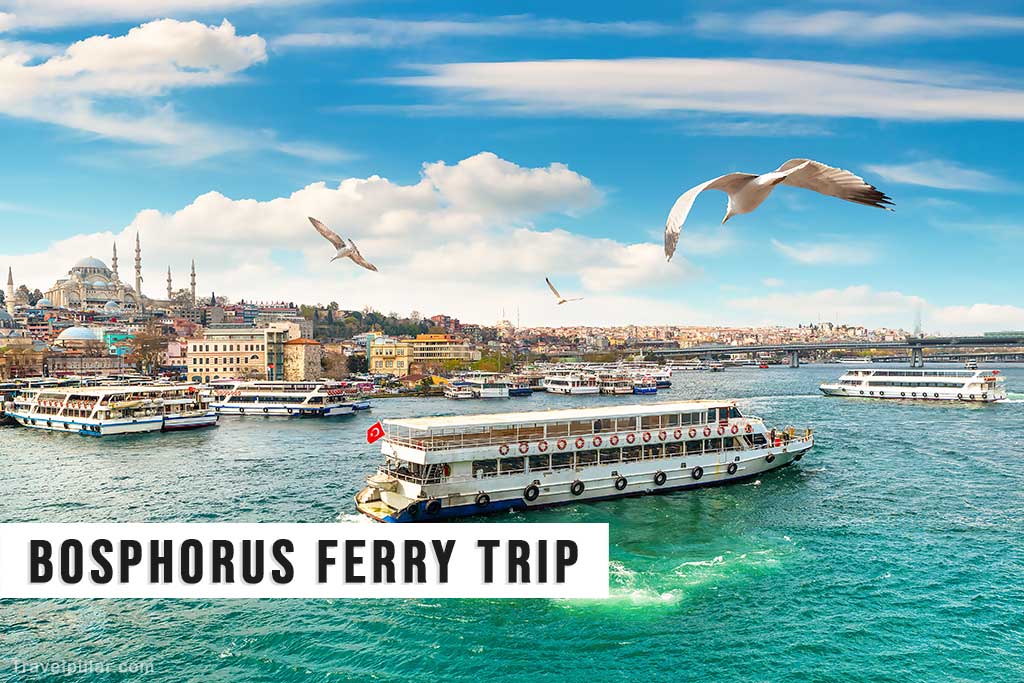
A ferry trip on the Bosphorus offers one of the most distinctive ways to experience Istanbul. The strait, approximately 30 kilometres long, links the Black Sea with the Sea of Marmara and divides the city between its European and Asian shores. Since antiquity, it has been a major waterway for trade and defence, shaping the history of both Byzantium and the Ottoman Empire.
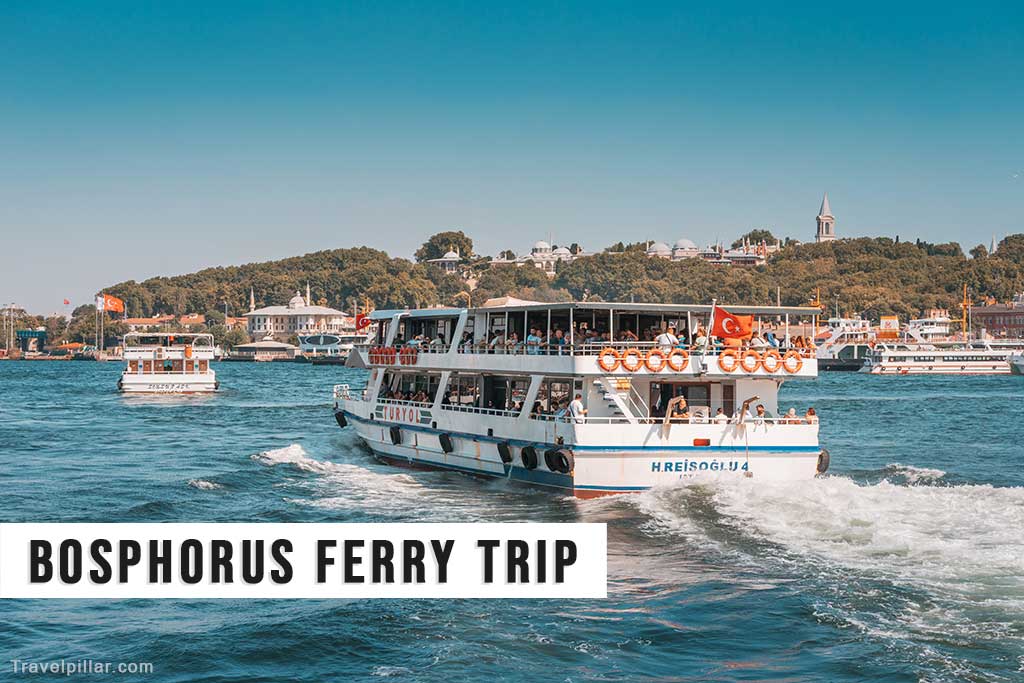
Regular ferries and private cruises operate along the Bosphorus, providing access to landmarks, residential areas, and natural scenery. Traditional ferries, known as vapur, connect districts on both sides of the city, illustrating the daily role of the strait in urban life. Longer cruises allow passengers to view bridges, palaces, mosques, and fortresses from the water, providing perspectives unavailable from land.
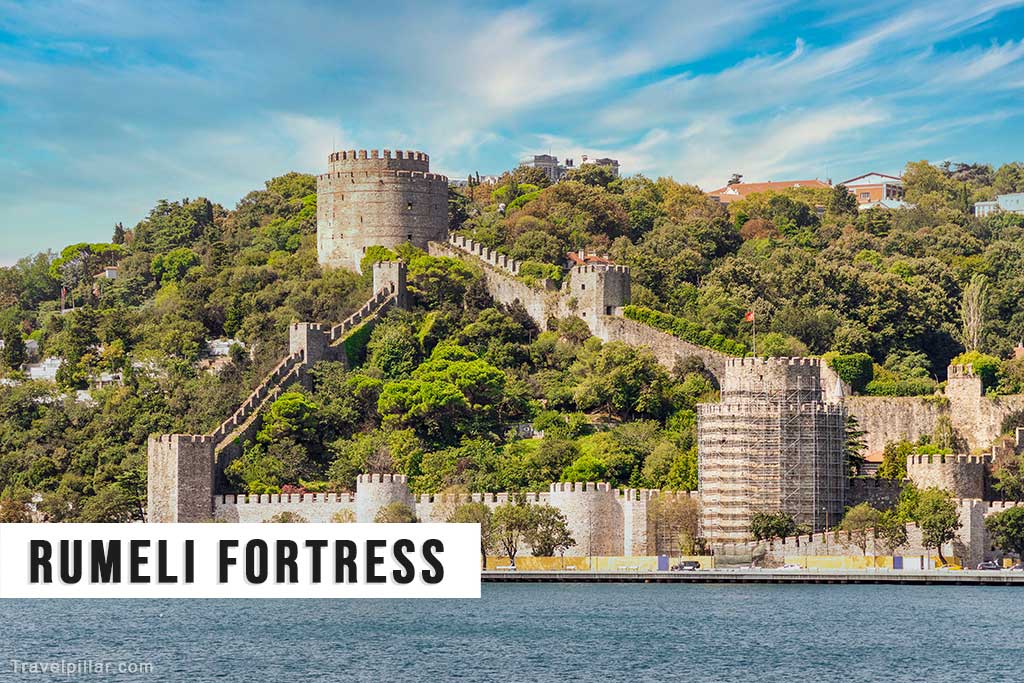
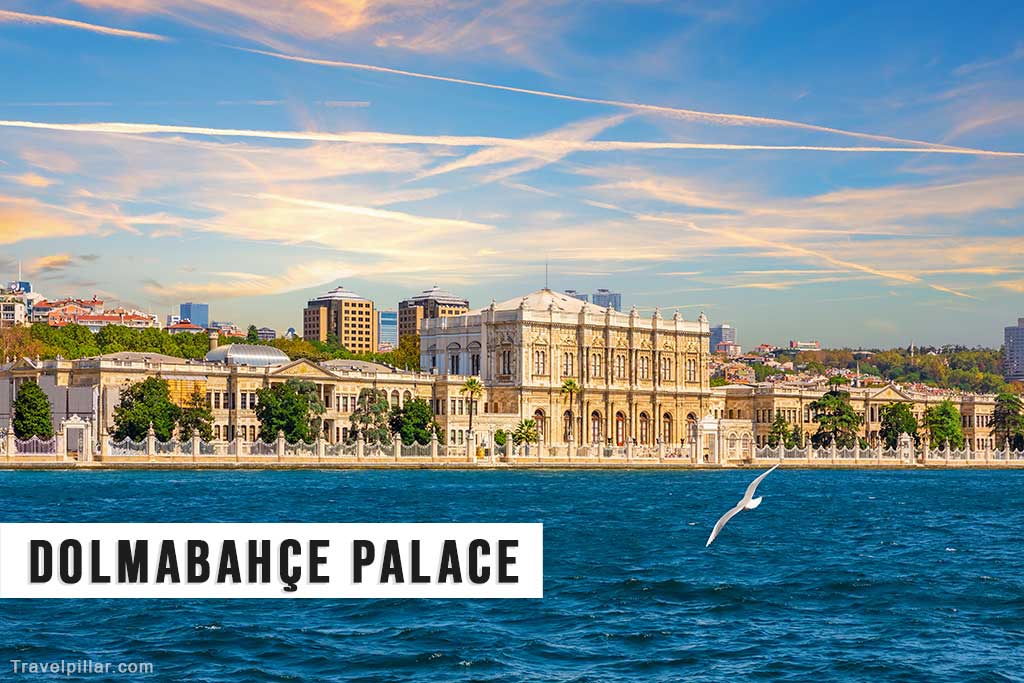
Key sights visible from the Bosphorus include the Dolmabahçe Palace, with its 19th-century European-inspired architecture, and the earlier Çırağan Palace, now a hotel. The Bosphorus Bridge and Fatih Sultan Mehmet Bridge illustrate modern engineering, linking continents across the strait. The medieval Rumeli Fortress and Anadolu Fortress demonstrate the strategic importance of controlling access to the waterway. Waterfront neighbourhoods, such as Ortaköy and Üsküdar, combine historic mosques with contemporary urban activity.
The journey also highlights the natural setting of Istanbul. Forested hills, small fishing villages, and the wide expanse of the water provide contrast to the city’s dense urban core. Longer trips continue towards the Black Sea, passing less developed areas and offering a sense of the Bosphorus as both a natural and cultural boundary.
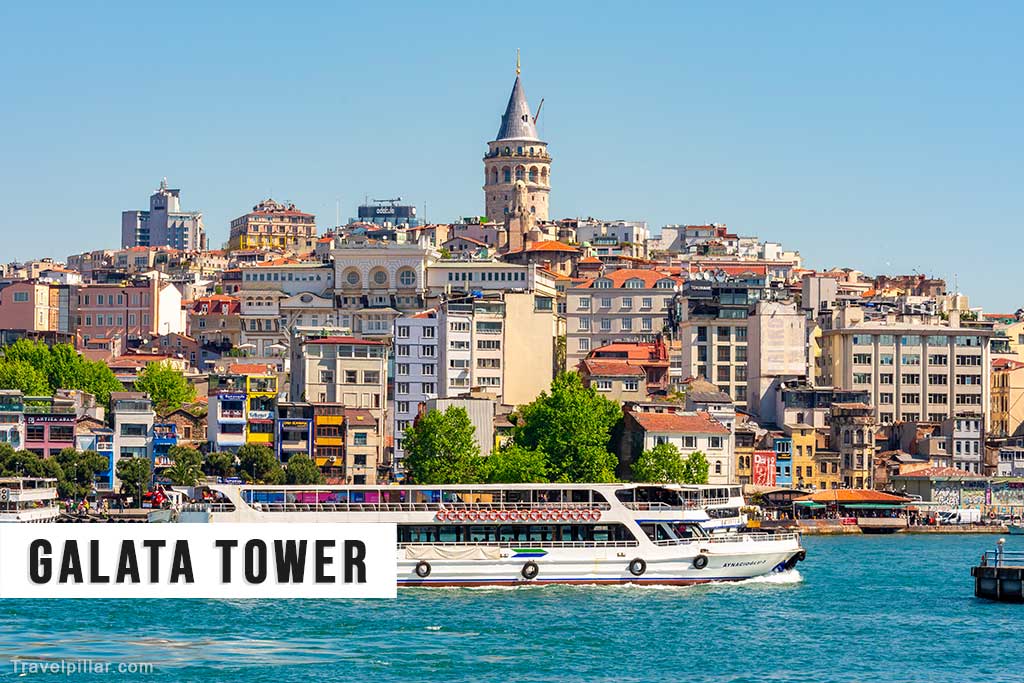
Today, a boat or ferry trip remains both a practical means of transport and a popular leisure activity. It combines urban heritage with scenic views, emphasising the role of the Bosphorus in defining Istanbul’s identity as a city positioned between continents and cultures.