
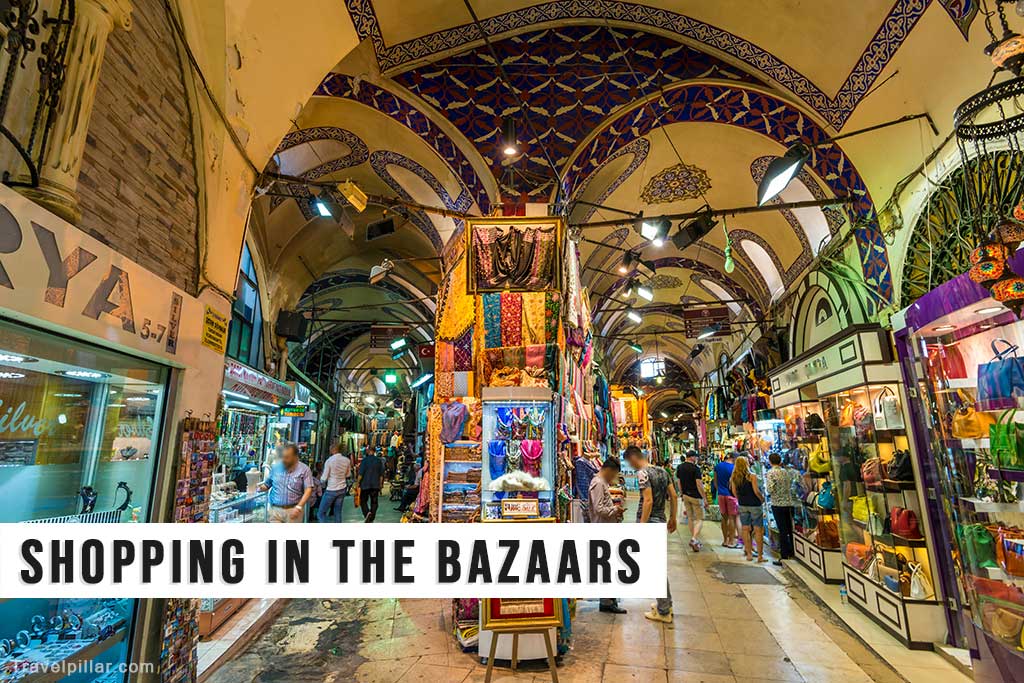
Shopping in bazaars in Istanbul reflects the city’s long history as a trading centre linking Europe, Asia, and the Middle East. Visiting the bazaars provides insight into the commercial life of Istanbul, combining architectural heritage with active trade. While modern malls exist across the city, the bazaars remain distinctive, linking contemporary commerce with Istanbul’s historic role as a centre of exchange.
The Grand Bazaar
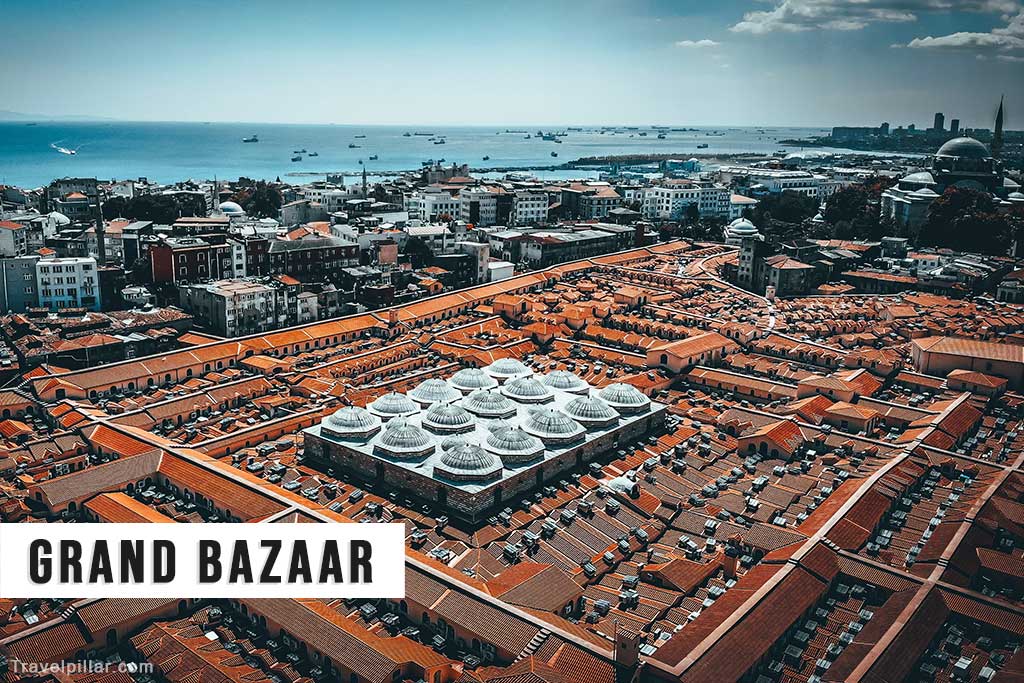
The Grand Bazaar, or Kapalıçarşı, is one of the largest and oldest covered markets in the world. Established shortly after the Ottoman conquest of Constantinople in the 15th century, it grew into a commercial hub for jewellery, textiles, carpets, and other valuable goods. Its vaulted passages and domed halls reflect traditional Ottoman architecture, with expansions over the centuries creating a complex of more than 60 streets and over 4,000 shops.
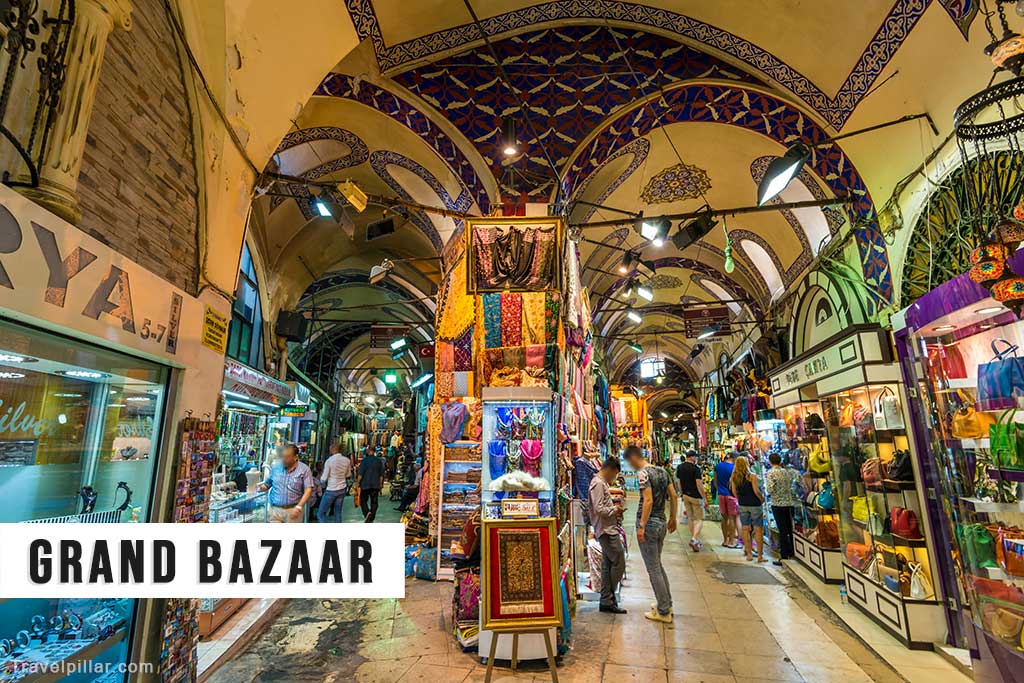
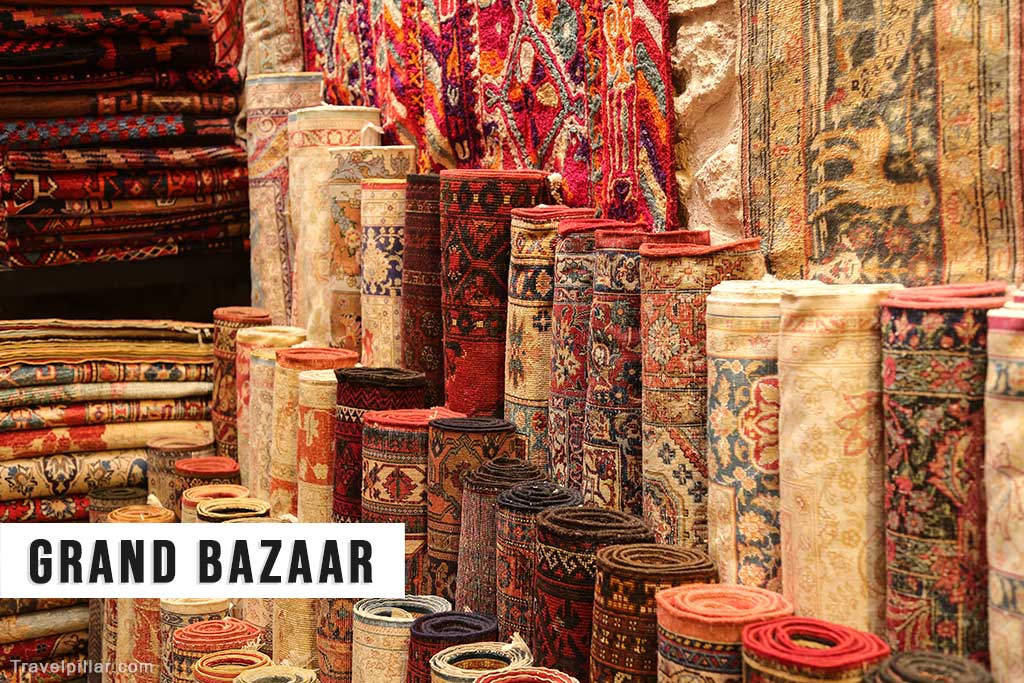
The bazaar was historically organised by guilds, with different areas dedicated to specific trades. Today, it remains active, offering carpets, ceramics, antiques, leather, and gold, alongside modern goods. Visitors encounter both historic atmosphere and contemporary commerce.
Situated in Istanbul’s Fatih district, the Grand Bazaar is still central to the city’s economic and cultural life. It illustrates the continuity of Istanbul’s role as a meeting point of trade routes linking Europe, Asia, and the Middle East.
The Spice Bazaar
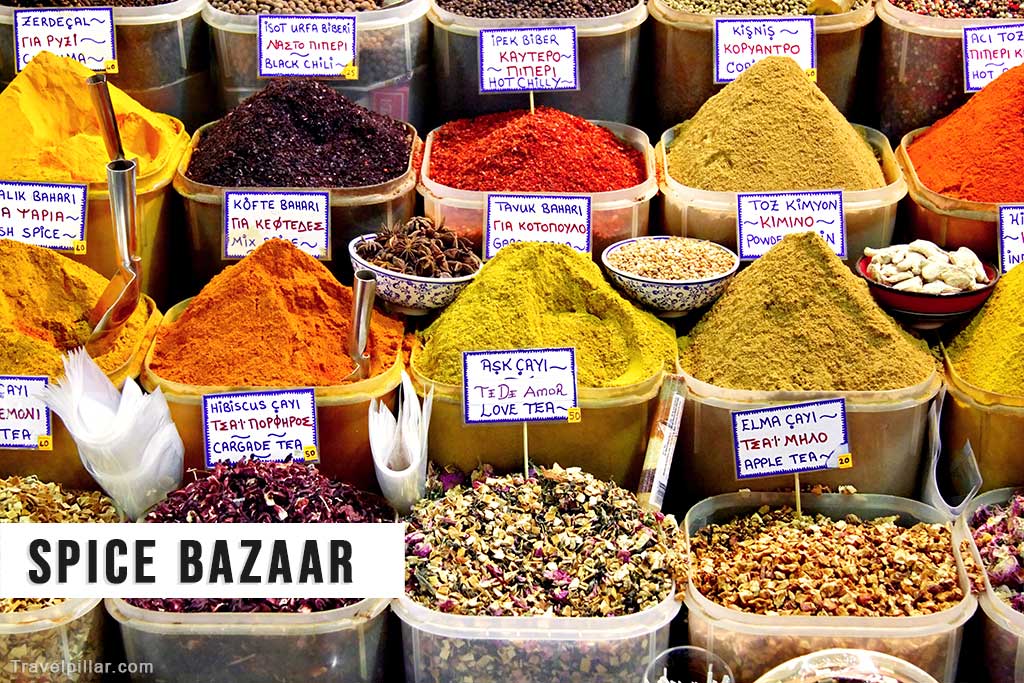
The Spice Bazaar, also known as the Egyptian Bazaar, is one of Istanbul’s most prominent covered markets. Constructed in the 17th century as part of the New Mosque complex, it was financed through revenues from Ottoman trade with Egypt, which gave it its name. Its L-shaped layout contains over 80 shops, arranged beneath arched ceilings that reflect traditional Ottoman architecture.
Historically, the bazaar served as a centre for the trade of spices, herbs, and medicinal goods arriving from Asia and the Middle East. Today, it remains active, offering spices, dried fruits, nuts, teas, and sweets such as Turkish delight. The mix of colour and aroma reflects Istanbul’s longstanding role as a hub of commerce between continents.
Located near the Galata Bridge and the Eminönü district, the Spice Bazaar continues to link heritage with daily trade, attracting both local shoppers and international visitors.
The Best Things to Buy in Istanbul’s Bazaars
1. Carpets and Kilims
Handwoven carpets and kilims remain the most iconic purchases. Produced in various regions, they feature intricate designs, natural dyes, and traditional techniques. Sellers often explain regional origins and weaving methods.
2. Ceramics
Iznik- and Kütahya-style ceramics, decorated with floral or geometric patterns, are widely available. Plates, bowls, and tiles illustrate Ottoman design traditions.
3. Jewellery
Gold and silver jewellery has long been a staple of the Grand Bazaar. Shops specialise in filigree, gemstones, and contemporary designs.
4. Spices
The Spice Bazaar offers saffron, sumac, and other seasonings, reflecting Ottoman trade connections. Colourful displays highlight the region’s culinary diversity.
5. Turkish Delight
Known locally as lokum, Turkish delight comes in flavours such as rose, pistachio, and pomegranate. It remains a popular gift and culinary tradition.
6. Textiles
Scarves, shawls, and embroidered fabrics continue Istanbul’s textile heritage. They range from silk to cotton and often feature Ottoman-inspired motifs.
7. Lamps
Handmade mosaic lamps, combining coloured glass and metalwork, provide decorative souvenirs. Their designs reflect both Ottoman and Middle Eastern influences.
8. Leather Goods
Leather jackets, bags, and belts are commonly sold, reflecting craftsmanship and durability. The Grand Bazaar has long been a centre for leatherworking.
9. Antiques
Shops sell antiques ranging from coins and manuscripts to brassware and clocks. Authenticity varies, but they reflect Istanbul’s layered history.
10. Tea and Coffee Sets
Metal and porcelain sets for serving tea and Turkish coffee are widely available. They represent both culinary culture and decorative tradition.