

Lagos, located in the Algarve region of Portugal, is a historic town known for its scenic coastline, cultural heritage, and vibrant atmosphere. The town is situated along the western Algarve, offering a blend of natural beauty and historical significance.
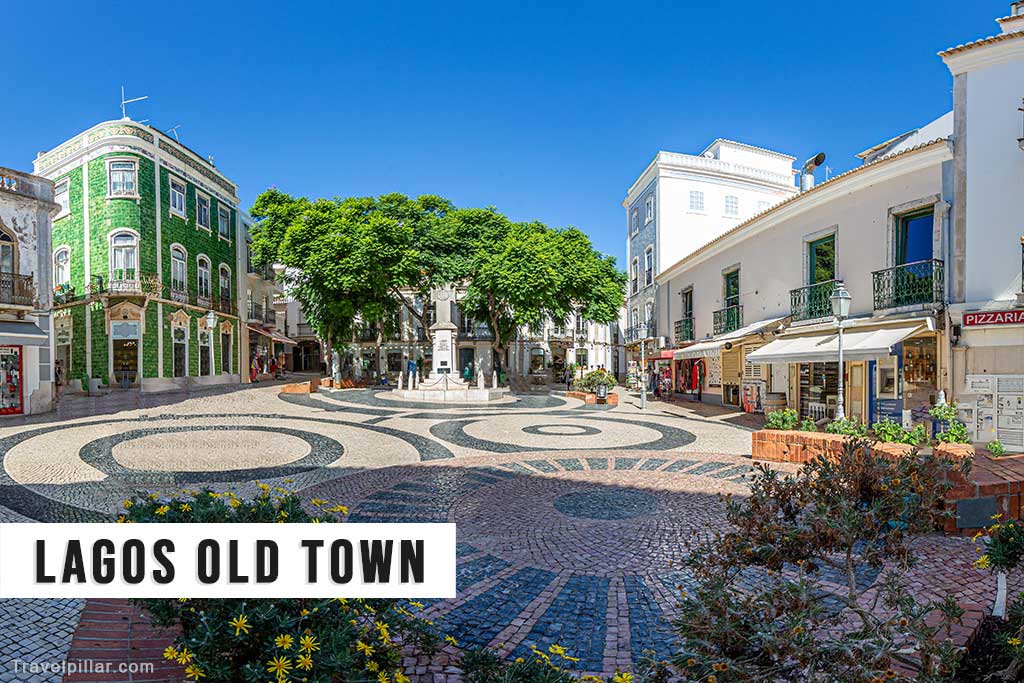
One of the key attractions in Lagos is its well-preserved old town, characterized by cobbled streets, traditional buildings, and significant landmarks. The town’s historical center is home to the Church of St. Anthony, known for its richly decorated interior, and the Lagos Municipal Museum, which offers insights into the local history and culture. The Fort of Ponta da Bandeira, a 17th-century fortress, provides panoramic views of the coastline and the Atlantic Ocean.

Lagos is also famous for its stunning beaches, each offering unique features. Praia Dona Ana, with its golden cliffs and clear waters, is popular for swimming and snorkeling. Praia do Camilo, accessed by a long wooden staircase, offers picturesque views and a secluded atmosphere. Meia Praia, one of the longest beaches in the Algarve, is ideal for various water sports and leisure activities.

The town’s marina is another significant attraction, serving as a hub for boating and water-based activities. It provides facilities for sailing, kayaking, and dolphin-watching tours. The marina area is lined with restaurants, cafes, and shops, making it a lively spot for dining and leisure.
Lagos also holds historical importance as a center of the Age of Discoveries. The town was a departure point for many Portuguese explorers in the 15th century. This heritage is commemorated in various monuments and sites, including the Mercado de Escravos, Europe’s first slave market, now a museum detailing this dark chapter of history.
The Best Places to See in Lagos
Ponta da Piedade
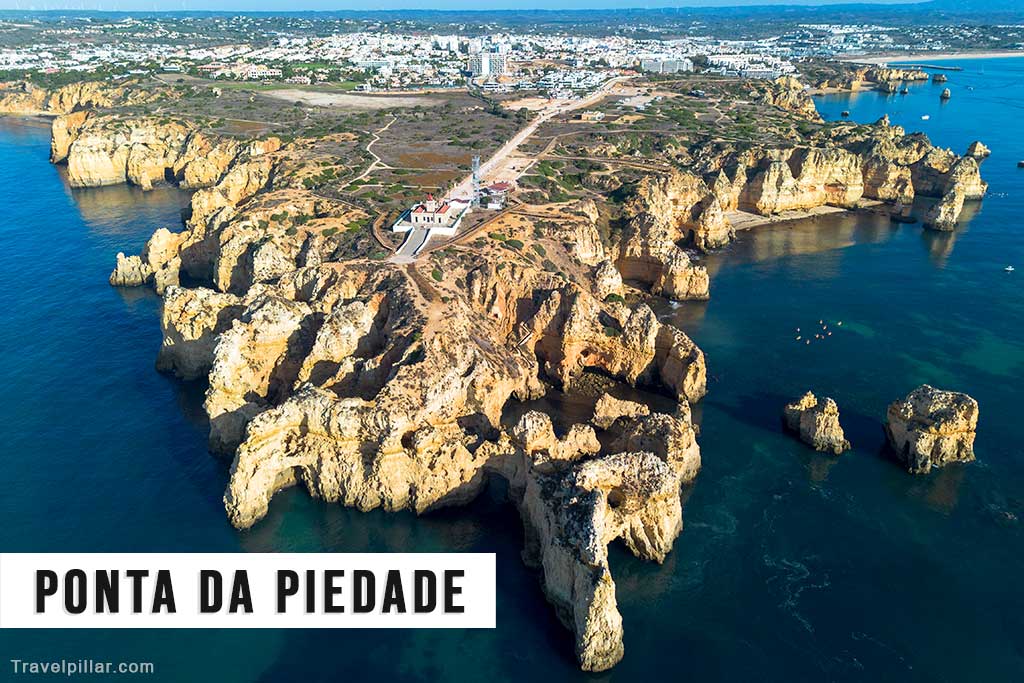
Ponta da Piedade is famous for its dramatic cliffs, rock formations, and sea arches. Visitors can explore the area by boat, kayak, or on foot, enjoying the breathtaking views of the crystal-clear waters and intricate limestone formations. The area is especially beautiful at sunrise and sunset, providing stunning photo opportunities.
Google map 4.8/5
Praia da Batata

Google map 4.7/5
Old Town Lagos
Google map 4.6/5
Praia Dona Ana
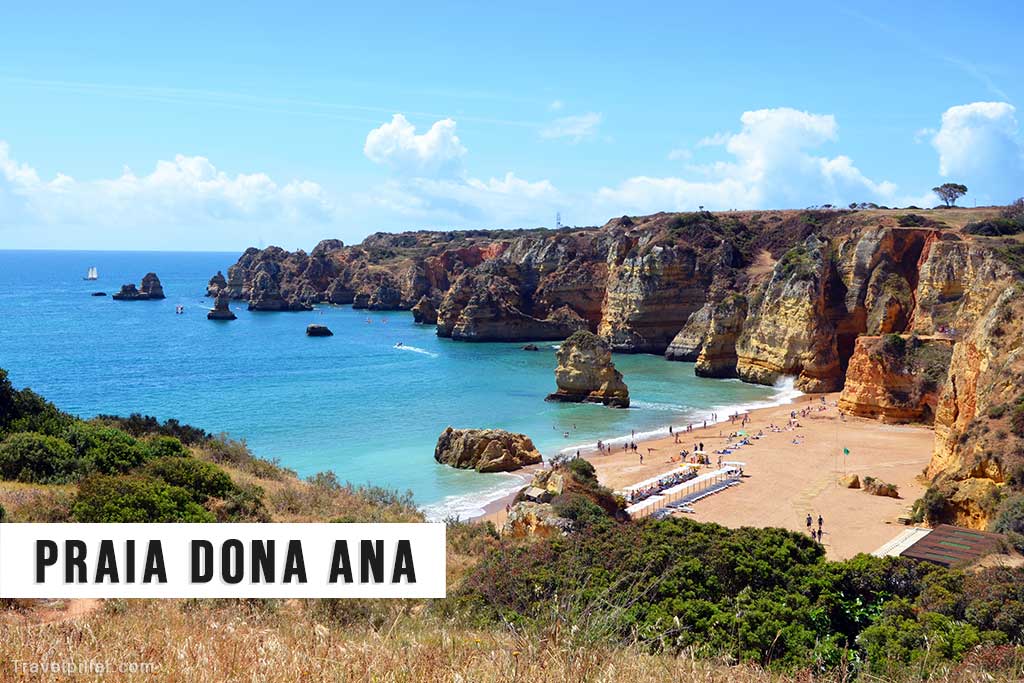
Praia Dona Ana is one of the most picturesque beaches in Lagos, known for its golden sand, turquoise waters, and surrounding cliffs. The beach is ideal for swimming, snorkeling, and sunbathing. The clear waters and rich marine life make it a popular spot for snorkeling enthusiasts.
Google map 4.6/5
Lagos Marina

The modern Lagos Marina is a bustling hub of activity, featuring a range of restaurants, cafes, and shops. It is a popular spot for boating, sailing, and water sports. Visitors can take boat tours to explore the coastline, watch dolphins, or simply enjoy the vibrant atmosphere of the marina.
Google map 4.5/5
Meia Praia

Meia Praia is the largest beach in Lagos, stretching over 4 kilometers. It offers ample space for sunbathing, beach volleyball, and various water sports such as windsurfing and kitesurfing. The wide, sandy beach is perfect for long walks, and several beach bars and restaurants provide refreshments.
Google map 4.6/5
Praia do Camilo

Praia do Camilo is a secluded beach accessed by a long wooden staircase. Known for its crystal-clear waters and stunning rock formations, it is a favorite spot for swimming and snorkeling. The beach is relatively small, providing a more intimate and tranquil environment compared to larger beaches.
Google map 4.6/5
Praia do Pinhão
Google map 4.6/5
Praia dos Estudantes

Google map 4.6/5
Castle of Lagos (Castelo dos Governadores)
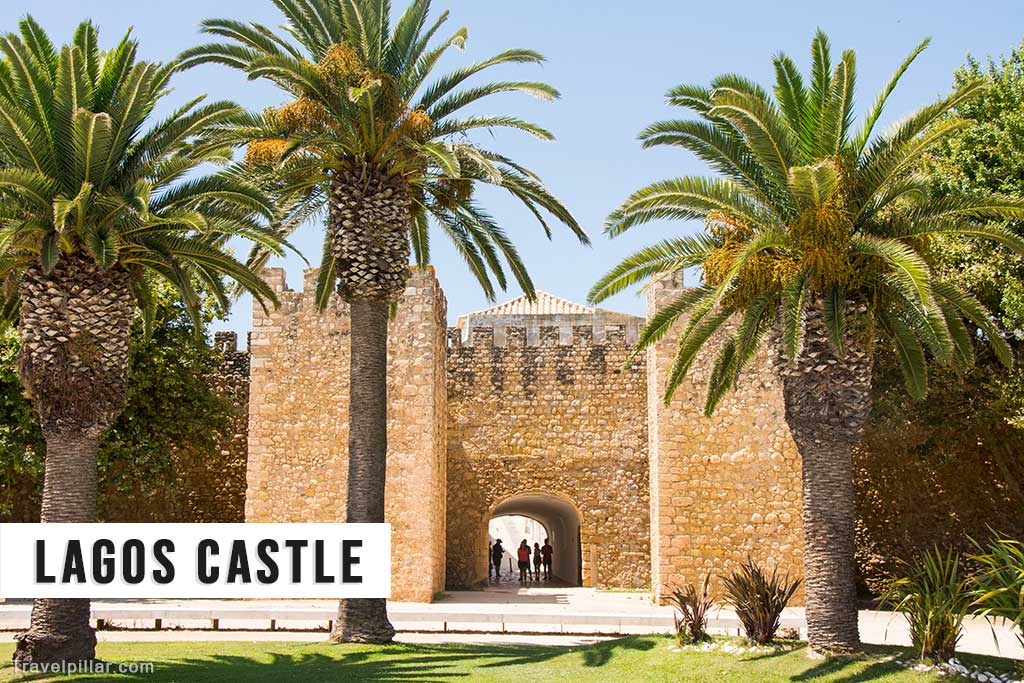
The Castle of Lagos, also known as Castelo dos Governadores, includes remnants of medieval city walls and towers. The castle provides insight into the town’s past and the architectural styles of different periods. Visitors can walk along the walls and enjoy views of Lagos and the surrounding area.
Google map 4.4/5
Igreja de Santa Maria de Lagos
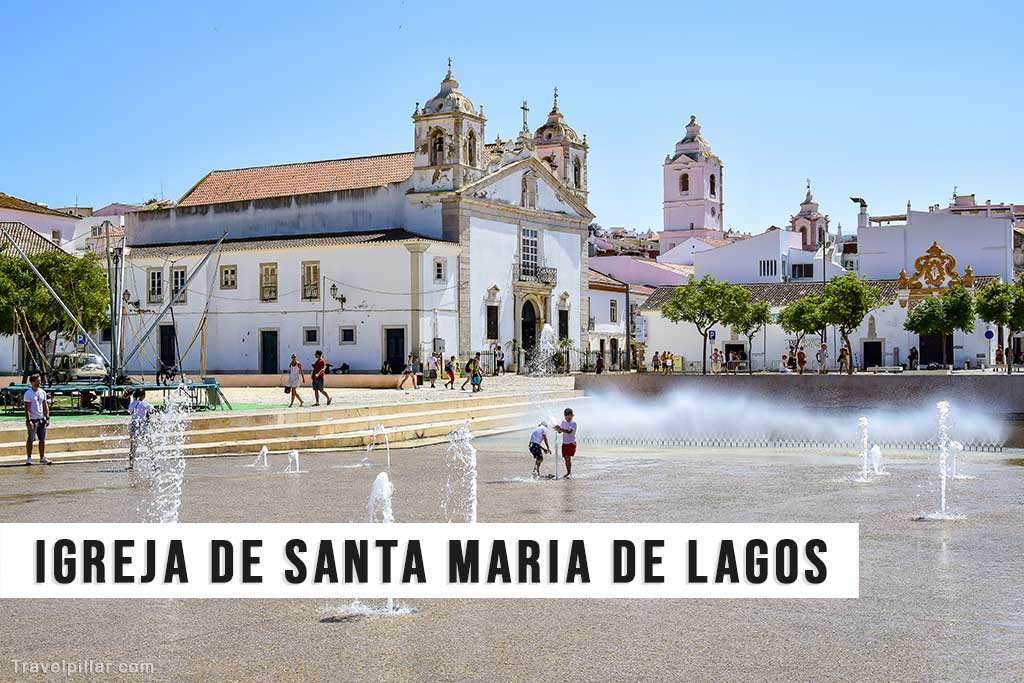
Google map 4.5/5
Church of St. Anthony (Igreja de Santo António)

This historic church, built in the 18th century, is renowned for its beautifully ornate Baroque interior. The church features intricate gilded woodwork, azulejos (decorative tiles), and religious artworks. It is a significant cultural landmark and provides insight into the religious heritage of the region.
Google map 4.3/5
Forte da Ponta da Bandeira
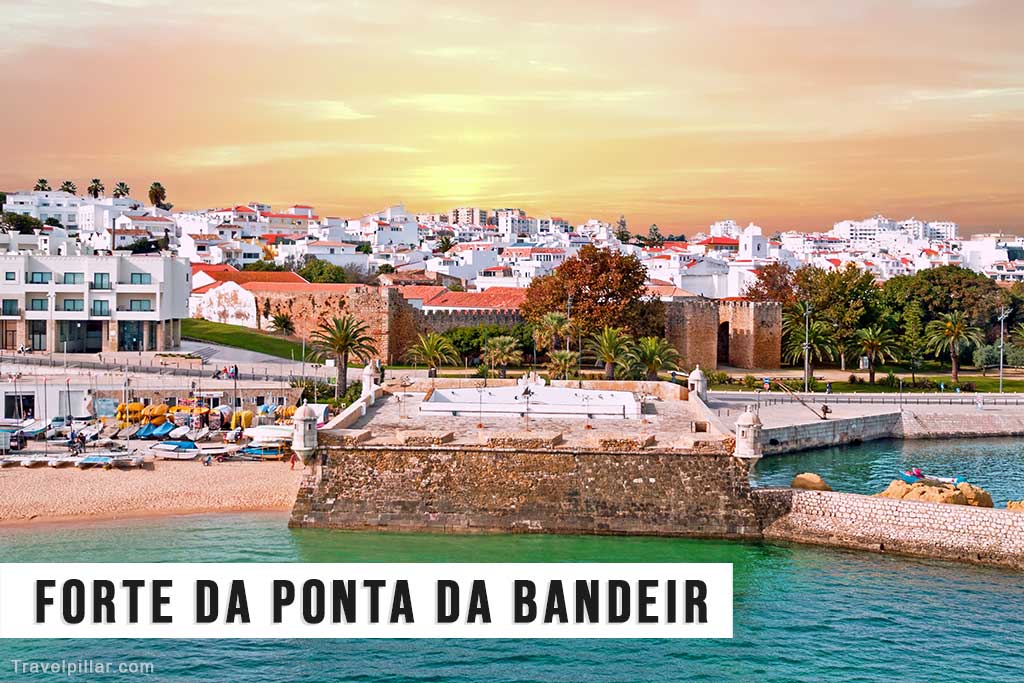
The 17th-century Forte da Ponta da Bandeira overlooks the sea and once protected the harbor of Lagos. Today, it houses a small museum with maritime artifacts and exhibits related to the Age of Discoveries. The fortress offers panoramic views of the coastline and is a great spot for photography.
Google map 3.9/5
Mercado de Escravos (Slave Market)

The Mercado de Escravos is a museum located in the building of Europe’s first slave market, established in the 15th century. The museum provides a poignant insight into Lagos’ role in the transatlantic slave trade, with exhibits detailing the history and human impact of slavery.
Google map 3.7/5