
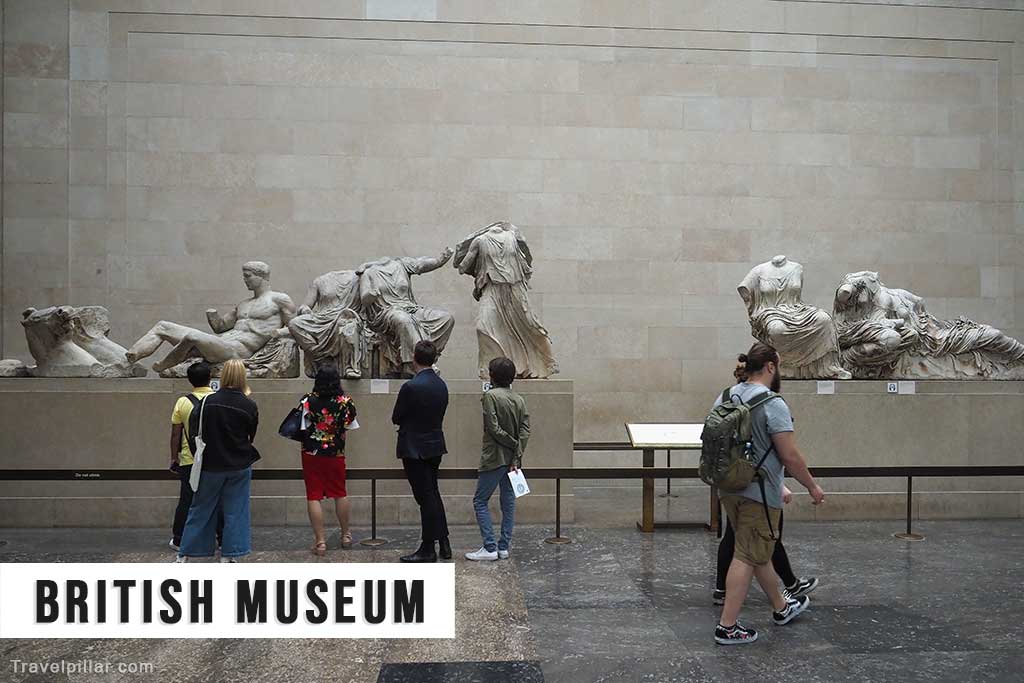
The Elgin Marbles, a collection of classical Greek marble sculptures, architectural fragments, and inscriptions, are among the most prominent artifacts housed in the British Museum. Originally part of the Parthenon and other buildings on the Acropolis of Athens, they date from the 5th century BCE, during the zenith of Athenian civilization under the leadership of Pericles. These sculptures were designed and executed under the supervision of the renowned sculptor Phidias and his workshop.
The collection includes approximately half of the surviving decorative sculptures from the Parthenon, including sections of the frieze, metopes, and pediments. Notable pieces depict scenes from Greek mythology and Athenian religious life, such as the Panathenaic procession and the battle between centaurs and Lapiths. The craftsmanship reflects the artistic and technical sophistication of ancient Greece, emphasizing naturalistic detail, dynamic movement, and idealized human forms.
Thomas Bruce, 7th Earl of Elgin, acquired the marbles during his tenure as British ambassador to the Ottoman Empire from 1799 to 1803. With the approval of the Ottoman authorities, he arranged their removal between 1801 and 1812, ostensibly to preserve them from neglect and damage. In 1816, the British government purchased the collection, transferring it to the British Museum, where they remain displayed in the Duveen Gallery.
The Elgin Marbles are central to ongoing debates about cultural heritage and the ethics of artifact acquisition. Critics argue that their removal was an act of cultural appropriation and have called for their repatriation to Greece, where the Acropolis Museum in Athens houses the remaining Parthenon sculptures. Proponents of their retention in London assert that they are better preserved and more accessible in the British Museum, where they contribute to a global narrative of shared human history.
The Elgin Marbles symbolize both the artistic achievements of ancient Greece and the complexities of modern cultural stewardship. Their legacy continues to evoke admiration for classical art while sparking critical discourse on the responsibilities of museums and the ownership of cultural treasures.
Useful link:
https://www.britishmuseum.org/blog/introduction-parthenon-and-its-sculptures