
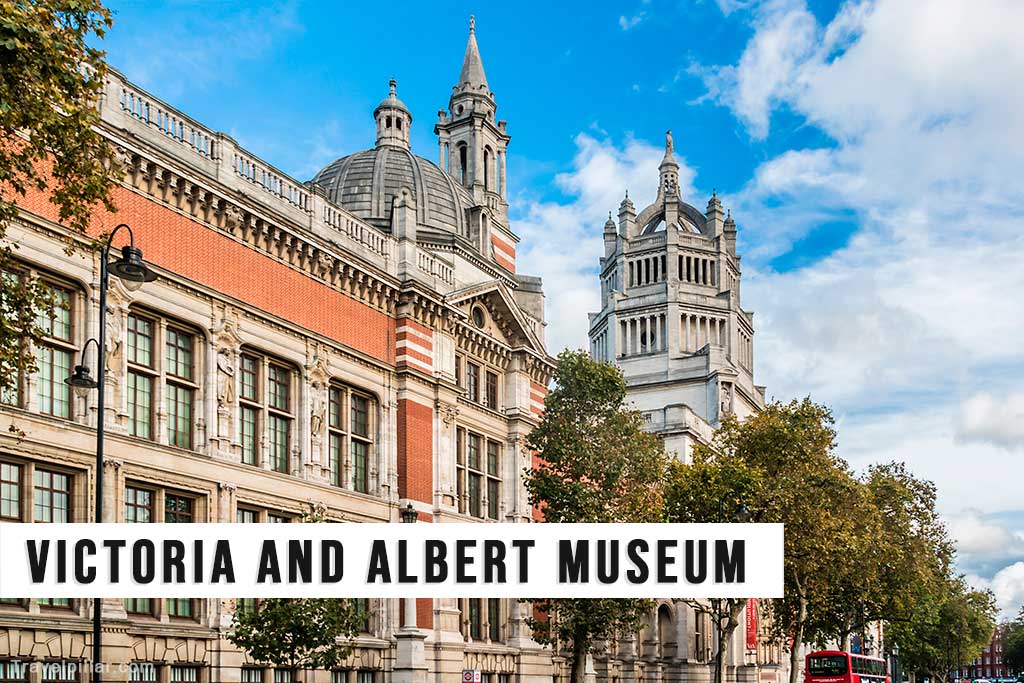
Located in the heart of London‘s South Kensington, the Victoria and Albert Museum (V&A) is the world’s largest museum of art, design, and decorative arts. Founded in 1852, the V&A boasts a vast and diverse collection spanning over 5,000 years of human creativity, encompassing cultures from Europe, Asia, Africa, and the Americas. A visit to this renowned institution offers a remarkable journey through the history of artistic achievement, with each gallery revealing a new treasure.
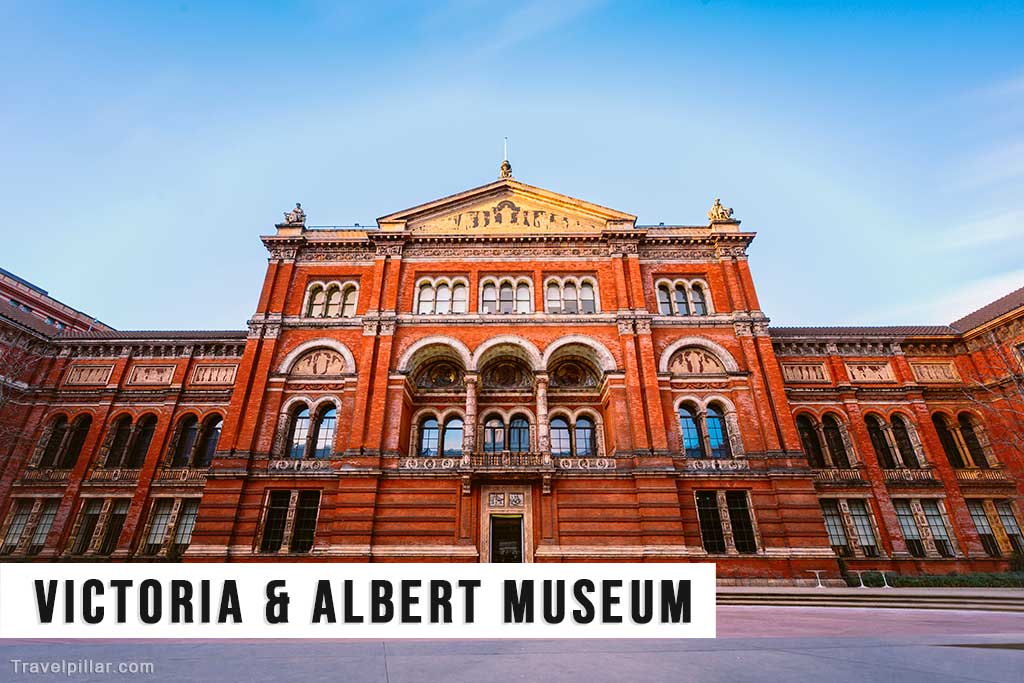
Housed in a stunning Victorian building, the V&A’s expansive collection comprises more than 2.3 million objects, from ancient textiles and ceramics to modern furniture and fashion. Some highlights of the museum’s holdings include the breathtaking Ardabil Carpet, the majestic Cast Courts showcasing plaster replicas of famous sculptures and architectural details, and the famed Raphael Cartoons, a series of large-scale designs for tapestries created by the Renaissance master.
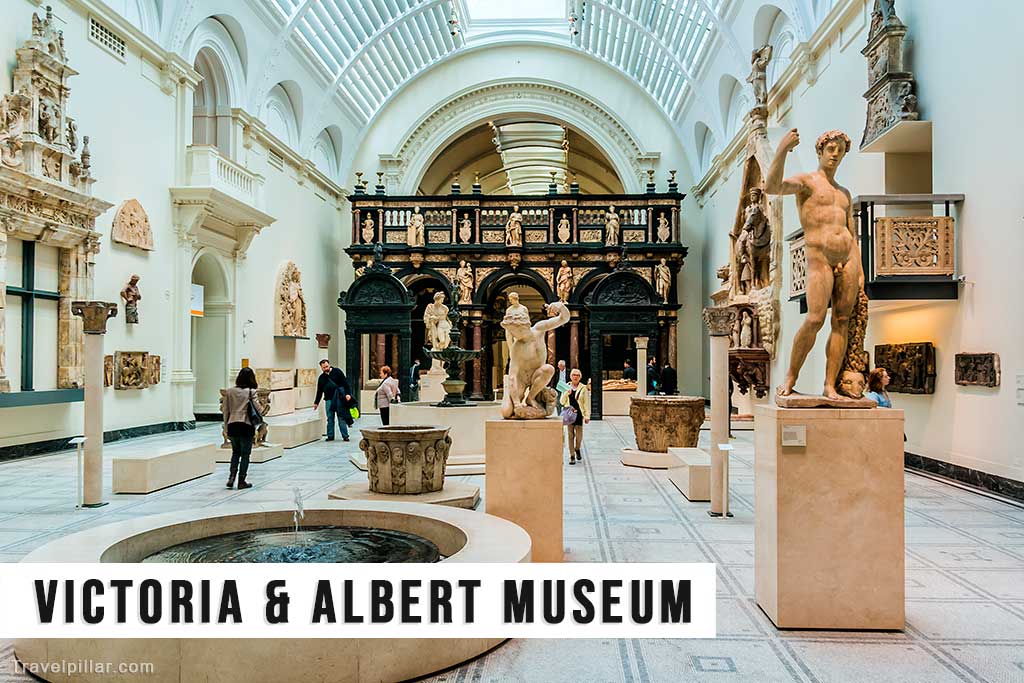
In addition to its permanent collection, the V&A is committed to fostering innovation and contemporary practice, with a dynamic program of temporary exhibitions that explore cutting-edge design, emerging artists, and the latest trends in fashion and textiles. The museum also offers a range of workshops, lectures, and events, engaging visitors of all ages in the creative process and encouraging a deeper appreciation of art and design.
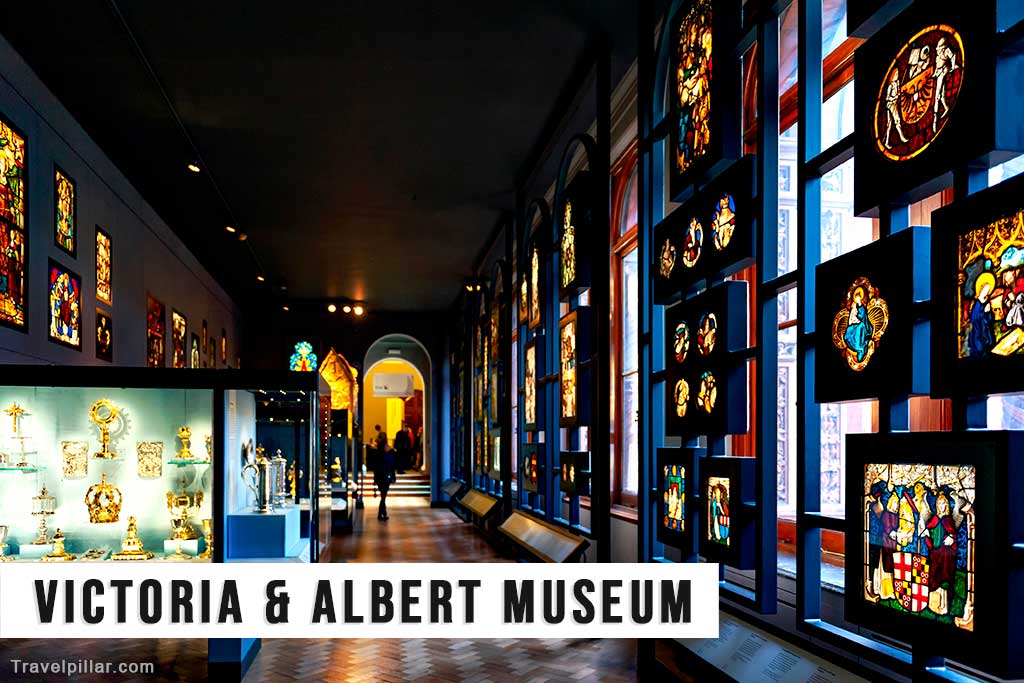
The Victoria and Albert Museum’s dedication to excellence and accessibility makes it an essential destination for anyone interested in the diverse and fascinating world of art and design. Whether exploring the museum’s extensive galleries or participating in a hands-on workshop, visitors are sure to leave the V&A inspired and enriched by the countless wonders on display.
Official website: https://www.vam.ac.uk
Google map 4.7/5
Highlights of the V&A Museum Collection
Here are ten highlights from the Victoria and Albert Museum in London, selected for their artistic, historical, and cultural significance:
The Raphael Cartoons
A set of seven large-scale designs by Raphael, commissioned in 1515 for tapestries in the Sistine Chapel. These works are key examples of Renaissance art and influence, on loan from the Royal Collection but displayed at the V&A.
https://www.vam.ac.uk/
Tipu’s Tiger
A mechanical wooden sculpture of a tiger mauling a British soldier, created for Tipu Sultan of Mysore in the late 18th century. It features internal pipework that mimics the victim’s cries and tiger’s growls, reflecting political tensions of the time.
https://www.vam.ac.uk/
The Ardabil Carpet
Dating from the 16th century, this Persian carpet is one of the oldest and finest in the world. It was made in Iran and is celebrated for its rich design, craftsmanship, and size. It is displayed under low light to preserve its natural dyes.
https://www.vam.ac.uk/
Cast Courts
These galleries house 19th-century plaster casts of famous European sculptures and monuments, including Michelangelo’s David and Trajan’s Column. The courts were intended for study and appreciation of art otherwise inaccessible in Britain.
https://www.vam.ac.uk/
Chihuly Glass Chandelier
Suspended in the museum’s entrance hall, this modern glass sculpture by Dale Chihuly is composed of hundreds of hand-blown glass elements and forms a dramatic centrepiece.
https://collections.vam.ac.uk/
The Great Bed of Ware
A large oak bed made in the 1590s, known for its elaborate carving and association with Elizabethan inns. It is referenced in Shakespeare’s Twelfth Night and reflects furniture trends of the period.
https://www.vam.ac.uk/
Jewellery Gallery
This collection spans 3,000 years and includes pieces from Ancient Egypt, the Renaissance, and contemporary designers. Highlights include jewellery owned by royalty and a diamond aigrette once worn by Catherine the Great.
Samurai Armour
An ornate suit of Japanese armour from the Edo period, made of lacquered metal, silk, and leather. It demonstrates both martial function and aesthetic decoration in Japanese culture.
Cybele by Rodin (about 1904 – 05)
Rodin’s Cybele depicts the ancient mother goddess with expressive realism and rough texture, blending classical themes with modern form to evoke timeless strength and serenity.
https://collections.vam.ac.uk/
Fashion Gallery
This gallery presents the history of European fashion from the 17th century to the present day, including garments by designers such as Dior, McQueen, and Westwood.
The British Galleries (1500–1900)
A comprehensive display of British art and design, including furniture, textiles, ceramics, and silverware from Tudor to Victorian eras.
The Medieval and Renaissance Galleries
Spanning 300–1600 AD, these galleries house sculpture, metalwork, religious artefacts, and domestic items from across Europe.
The Devonshire Hunting Tapestries
Four large Flemish tapestries from the 15th century depicting scenes of hunting and aristocratic leisure. They are among the few surviving examples of secular medieval tapestry art.
https://www.vam.ac.uk/
Betel Box
This gold container, shaped as a karaweik bird, held betel leaves in King Thibaw’s palace and symbolised longevity in traditional Burmese royal and social customs.
https://collections.vam.ac.uk/
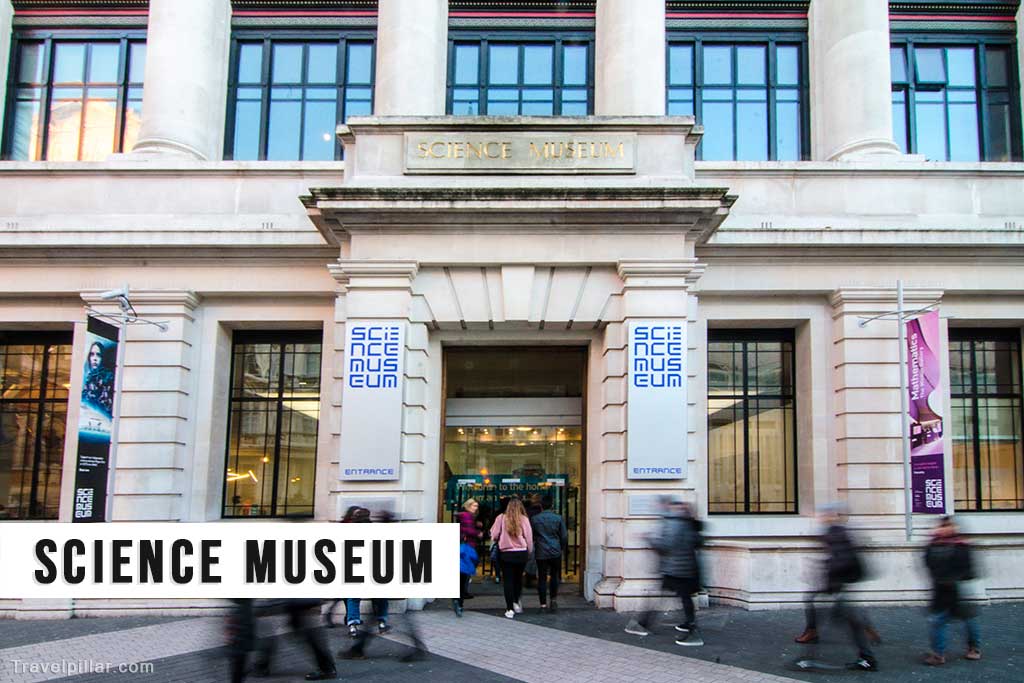
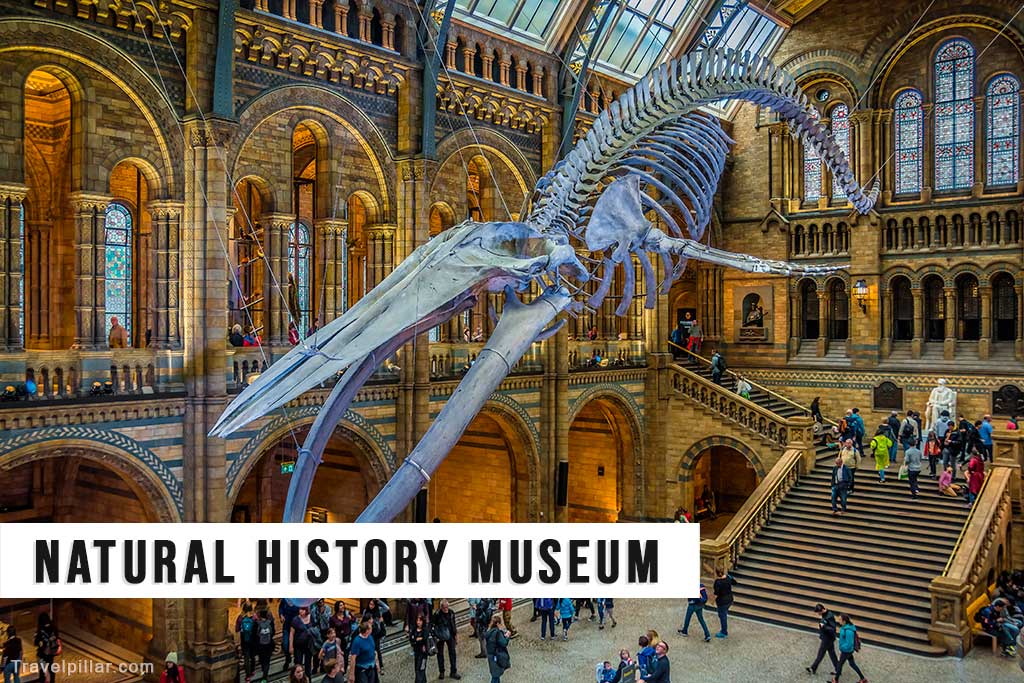
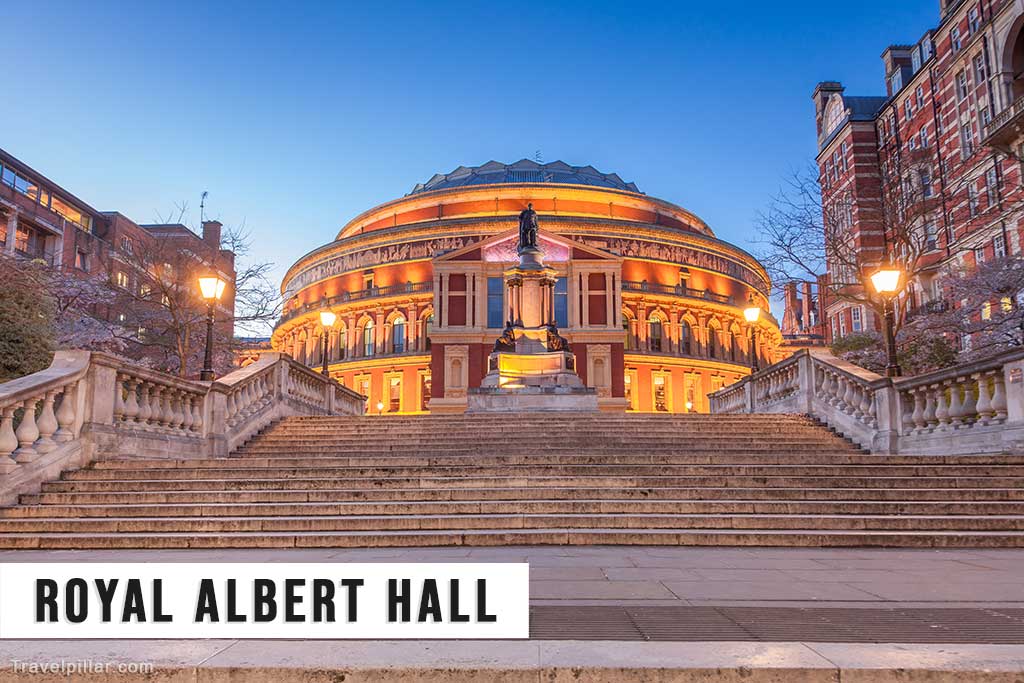
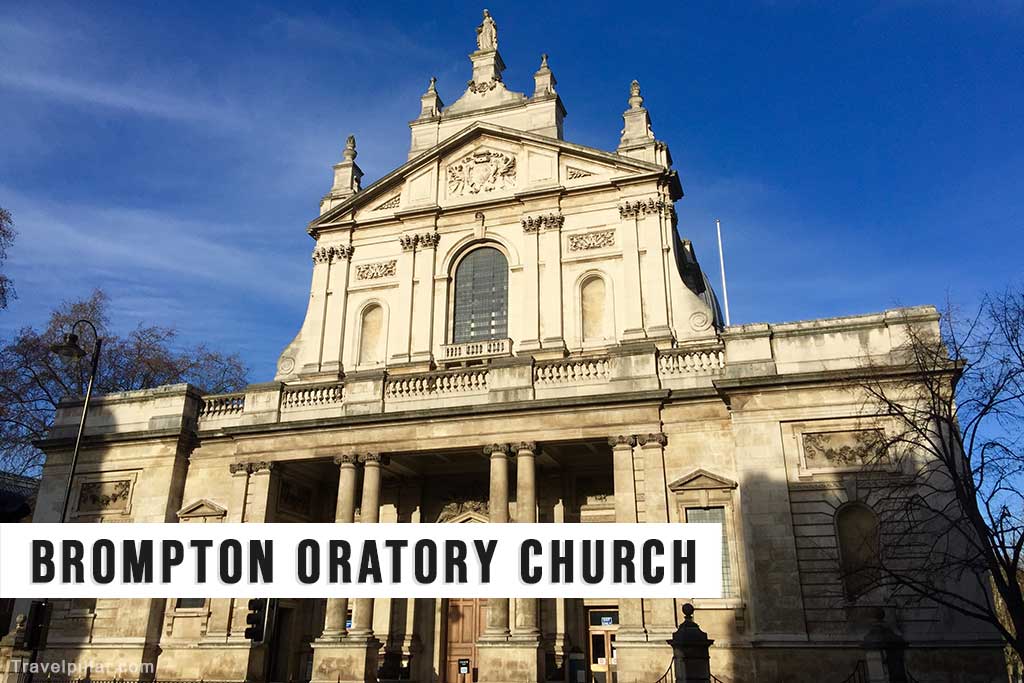
Nearby Attractions in South Kensington
Related Post:
Best Museums in the World

Museums preserve the artistic, scientific and cultural achievements of civilisation. The institutions listed below contain some of the world’s most important collections, ranging from ancient archaeology and Renaissance painting to modern art, natural history and science.
This ranking is inevitably subjective, but the museums below stand out for the scale of their collections, the quality of their exhibitions, their historical importance and the overall visitor experience. Click on the museum name or image to explore each museum in more detail.