

The Musee de l’Orangerie is one of the most impressive and unique art museums in Paris, France, located in the heart of the Tuileries Gardens. Built in the early 20th century, the museum is known for its impressive collection of Impressionist and Post-Impressionist art, as well as its stunning architecture and rich history.
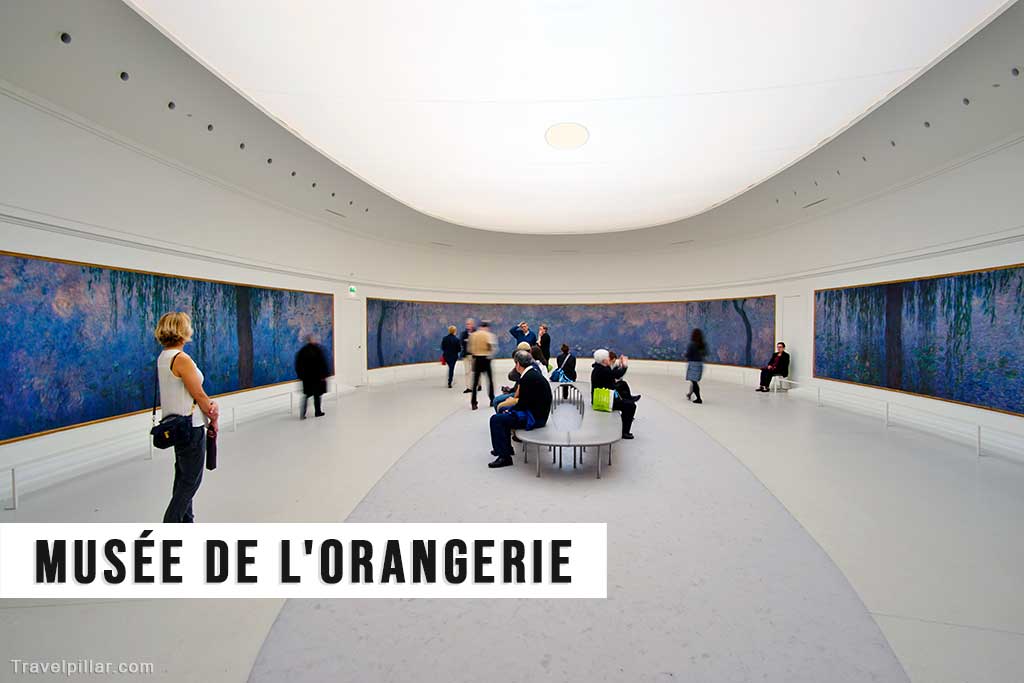
One of the most notable features of the Musée de l’Orangerie is its impressive collection of works by famous artists such as Monet, Cézanne, and Picasso. The museum is particularly famous for its series of eight water lily paintings by Monet, which are displayed in two large oval rooms designed specifically for the purpose.
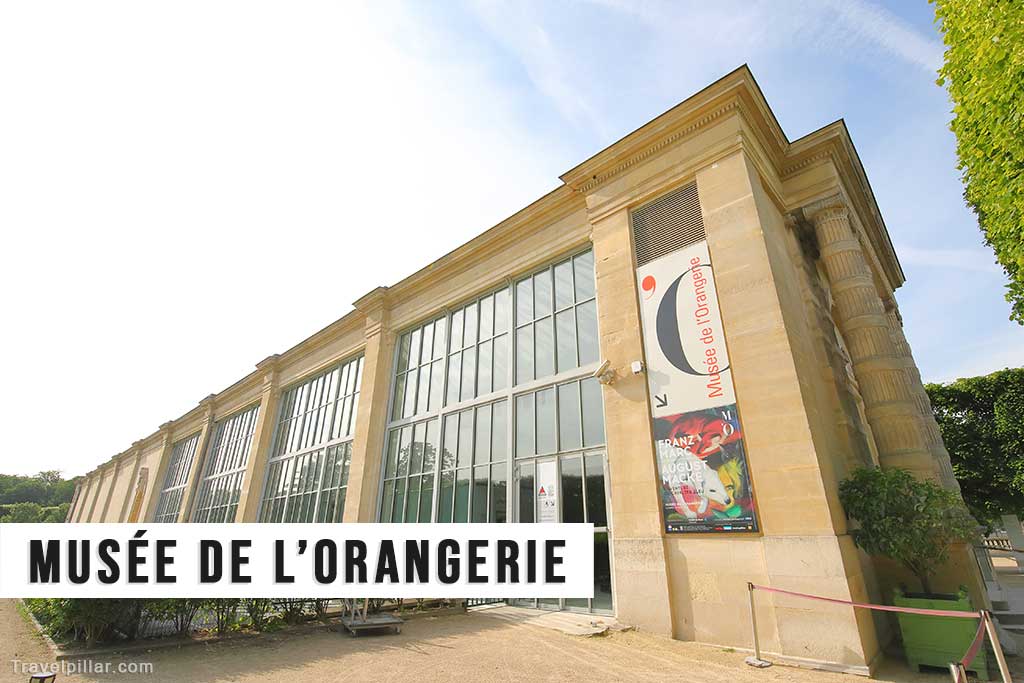
Visitors to the Musée de l’Orangerie can also explore several other galleries, including a collection of works by famous artists such as Renoir, Matisse, and Modigliani. The museum is also home to several temporary exhibits and events throughout the year.
In addition to its impressive collection of art, the Musée de l’Orangerie is also known for its stunning architecture, which features several large, airy rooms and a unique blend of classical and modern design elements. The museum was originally built as an orangery for the Tuileries Gardens, and was later converted into an art museum in the 1920s.
Official website: https://www.musee-orangerie.fr/en
Google map 4.6/5 – Located at the western end of the Tuileries Garden (Jardin des Tuileries)
Highlights from the Musée de l’Orangerie
“Water Lilies” (1915–1926) – Claude Monet
The museum’s centerpiece, this series of large-scale panels captures the beauty of Monet’s garden in Giverny. Displayed in two oval rooms, it creates a tranquil, immersive experience emphasizing light and reflection.
“Jeunes Filles au Piano” (1892) – Pierre-Auguste Renoir
A tender portrayal of two young girls at a piano, this painting exemplifies Renoir’s mastery of light and his focus on intimate domestic scenes.
“Paul Guillaume, New Pilot” (1915) – Amedeo Modigliani
“Le Jeune Apprenti” (1917-19) – Amedeo Modigliani
“La Carriole du Père Junier” (1908) – Henri Rousseau
“La Noce” (1905) – Henri Rousseau
“Grande baigneuse” (1921) – Pablo Picasso
“Femme au tambourin” (1925) – Pablo Picasso
“Pommes et Biscuits” (1880) – Paul Cézanne
“Femmes au canapé ou Le Divan” (1921) – Henri Matisse
“Femme à la mandoline” (1921-1922) – Henri Matisse
“The Portrait of Paul Guillaume” (1919) – André Derain
A dynamic Fauvist portrait of the art dealer Paul Guillaume, with bold contrasts and expressive color.