
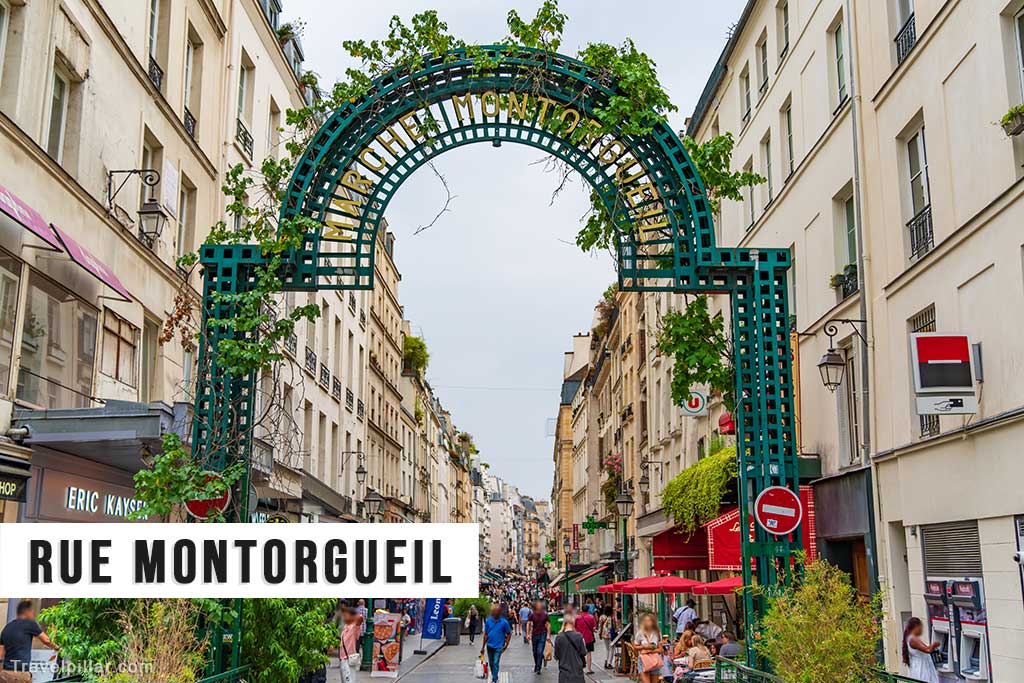
Rue Montorgueil is a lively pedestrian street in the 1st and 2nd arrondissements of Paris, known for its historic market atmosphere, traditional food shops, and local character. Stretching from Rue Rambuteau in the south to Rue Réaumur in the north, it forms part of one of the oldest market districts in the city and retains much of its traditional charm despite its central location near Les Halles.
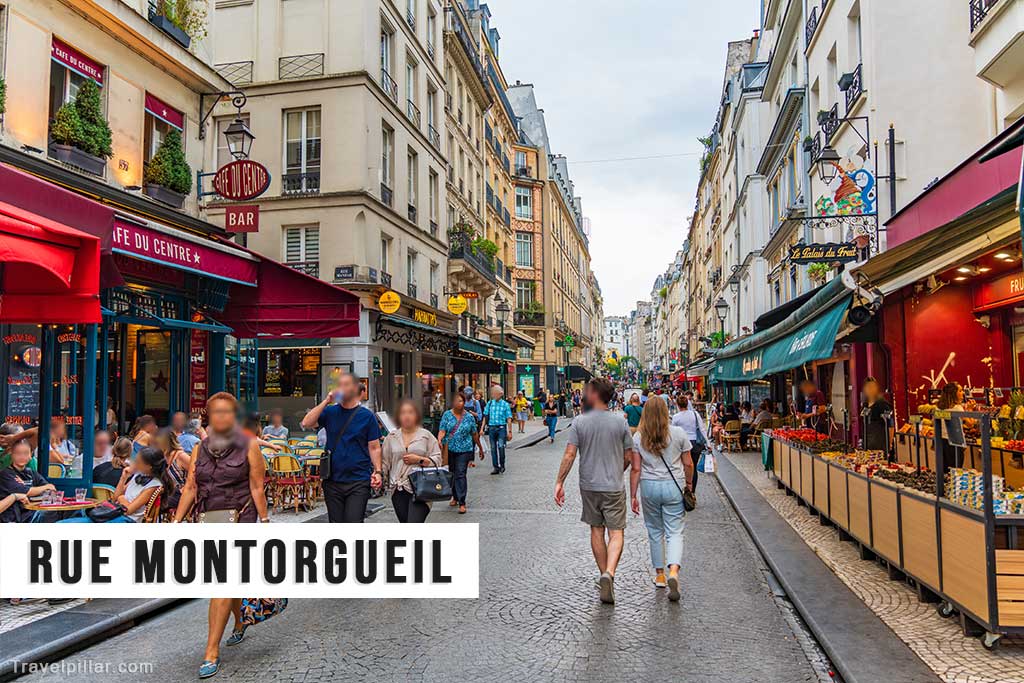
The street takes its name from the nearby Montorgueil Hill and has been associated with commerce and food since the Middle Ages. It once served as a key access route to Les Halles, the historic central market of Paris, which supplied food to the entire city. Although Les Halles was replaced in the 1970s by the Forum des Halles shopping complex, Rue Montorgueil has preserved the character of a Parisian market street where local residents shop daily for bread, cheese, fish, meat, and produce.
Among its most notable establishments is Stohrer, founded in 1730, one of the oldest patisseries in Paris and reputedly the creator of the rum baba. The street is also home to numerous boulangeries, fromageries, cafés, and small restaurants that reflect both traditional and contemporary French gastronomy. The combination of long-standing family businesses and modern eateries makes Rue Montorgueil an authentic representation of everyday Parisian life rather than a purely touristic destination.
The architecture along the street is typically Parisian, featuring 18th- and 19th-century façades with wrought-iron balconies and traditional shopfronts. Despite its popularity, the area remains primarily residential, and the street serves as a social hub where locals gather at terraces for morning coffee or evening drinks.
Rue Montorgueil is pedestrianised, which enhances its relaxed atmosphere compared with the surrounding busy streets. It connects conveniently with nearby attractions such as the Église Saint-Eustache, the Centre Pompidou, and the Palais Royal. Easily reached via the Étienne Marcel or Les Halles metro stations, it offers visitors a compact and authentic experience of Parisian urban life, combining historical continuity with modern vibrancy.