
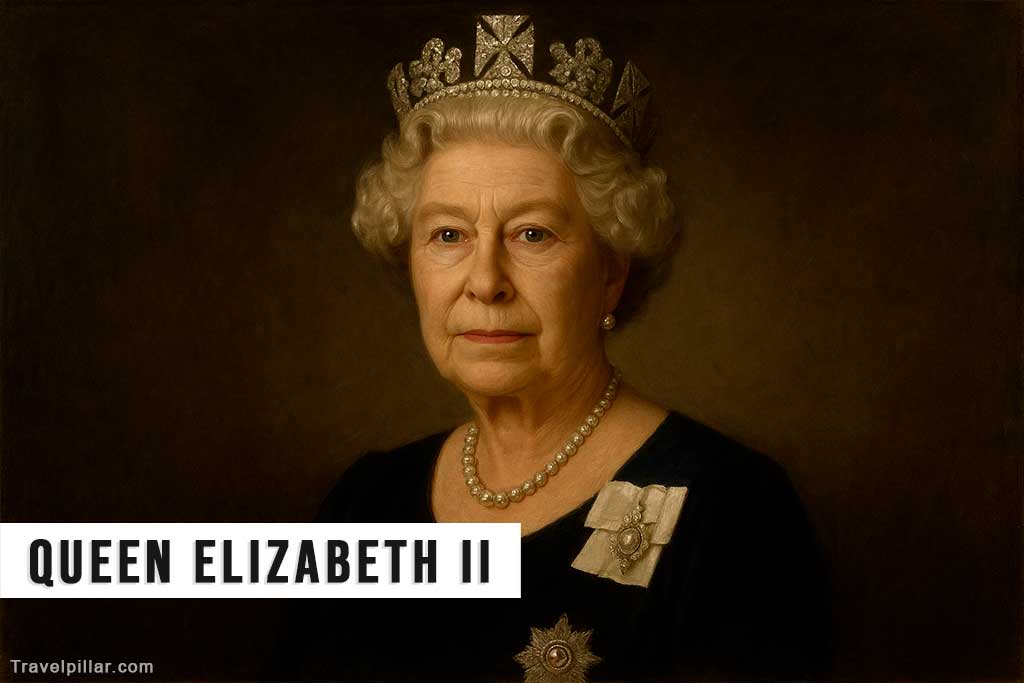
Queen Elizabeth II (1926–2022) was the longest-reigning monarch in British history, serving as Queen of the United Kingdom and other Commonwealth realms from 1952 until her death in 2022. Her reign spanned seven decades, marked by significant global changes, including the end of the British Empire, the rise of the Commonwealth, and shifts in social, cultural, and political landscapes.
Born on April 21, 1926, Elizabeth Alexandra Mary Windsor was the first child of King George VI and Queen Elizabeth. She was not initially expected to ascend the throne; however, her status changed after her uncle, King Edward VIII, abdicated in 1936, and her father became king. Elizabeth became the heir presumptive. Her early years were shaped by World War II, during which she and her sister, Princess Margaret, lived away from London for safety reasons. During the war, she took on public duties, including serving in the Auxiliary Territorial Service, where she trained as a driver and mechanic.
Elizabeth became queen in 1952, following the death of her father. Her coronation in 1953 was a historic event, televised to a global audience for the first time, symbolizing the beginning of a new era. As queen, she represented continuity and tradition, maintaining the monarchy’s presence in British society and around the world.
Throughout her reign, Queen Elizabeth II witnessed and adapted to significant societal changes, including the decolonization of Africa and the Caribbean, the Troubles in Northern Ireland, the fall of the Berlin Wall, and the advent of the internet age. She played a largely ceremonial role in British politics, adhering to the constitutional limits of a modern constitutional monarchy. Her duties included opening sessions of Parliament, meeting with Prime Ministers, and hosting foreign dignitaries, yet she remained politically neutral.
Queen Elizabeth was also the head of the Commonwealth, a voluntary association of 56 member states, most of which are former territories of the British Empire. She emphasized unity and cooperation among these nations, often undertaking extensive tours and state visits to strengthen diplomatic relations.
Her personal life attracted public interest and scrutiny. In 1947, she married Prince Philip, Duke of Edinburgh, and they had four children: Charles (now King Charles III), Anne, Andrew, and Edward. The royal family faced various public challenges over the decades, from personal controversies to global media attention.
In her later years, Queen Elizabeth II became a symbol of stability and continuity in a rapidly changing world. Her death on September 8, 2022, marked the end of an era. She was succeeded by her eldest son, Charles III, ushering in a new chapter for the British monarchy.
Queen Elizabeth II’s iconic tourist sites
Queen Elizabeth II’s legacy is closely tied to several iconic tourist sites in the United Kingdom, many of which played significant roles during her reign. These locations offer insight into the British monarchy, its history, and its traditions.
Buckingham Palace
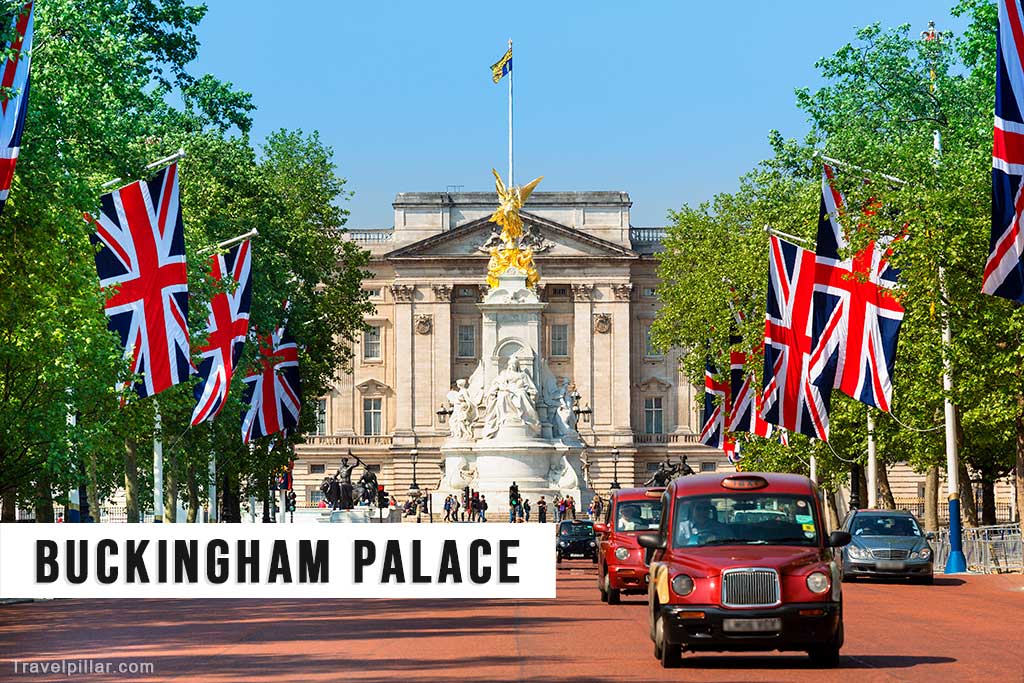
Perhaps the most well-known royal residence, Buckingham Palace served as Queen Elizabeth II’s official London home. Visitors can witness the Changing of the Guard ceremony, a tradition that dates back centuries, showcasing the pomp and pageantry associated with the British monarchy. During the summer months, parts of the palace, including the State Rooms, are open to the public, providing a glimpse into the opulent settings where state functions and official ceremonies took place.
Windsor Castle

Located just outside of London, Windsor Castle is one of the oldest and largest inhabited castles in the world. It was a favored weekend residence of Queen Elizabeth II and remains an enduring symbol of the monarchy’s continuity. Visitors to Windsor Castle can explore the State Apartments, St. George’s Chapel (where Prince Philip, Duke of Edinburgh, was interred), and the historic grounds. The castle also hosts the Order of the Garter ceremony, an ancient and prestigious event in the royal calendar.
Westminster Abbey
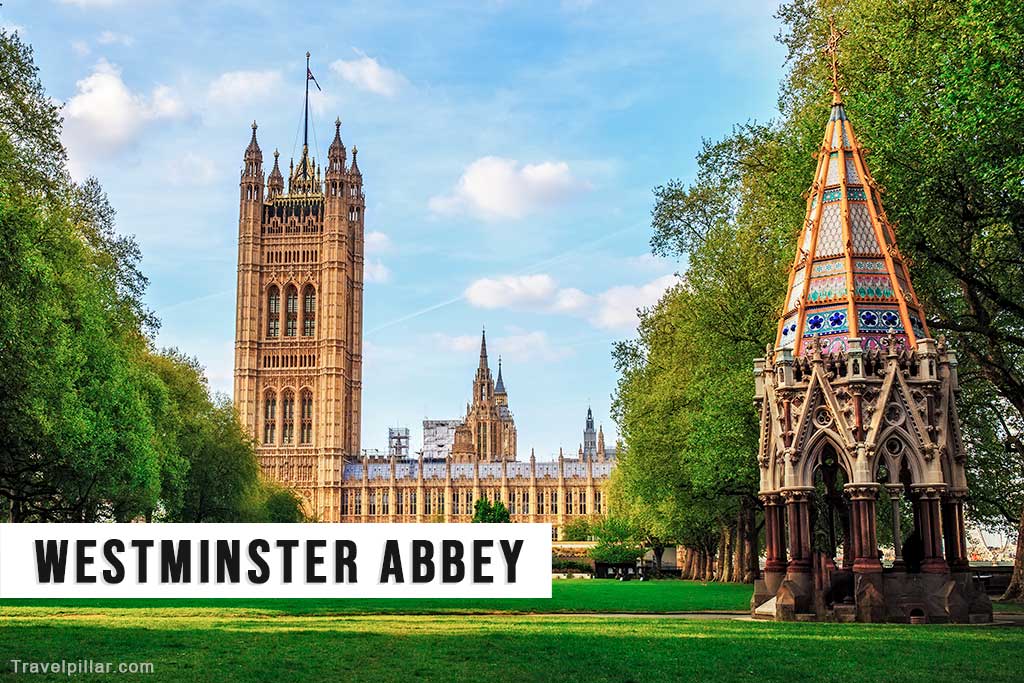
This historic church in the heart of London was the site of Queen Elizabeth II’s coronation in 1953. Westminster Abbey has been the venue for every British coronation since 1066 and numerous royal weddings, including that of Prince William and Catherine Middleton in 2011. It serves as a burial site for many monarchs and historical figures, making it a key destination for those interested in British history and the monarchy.
Balmoral Castle
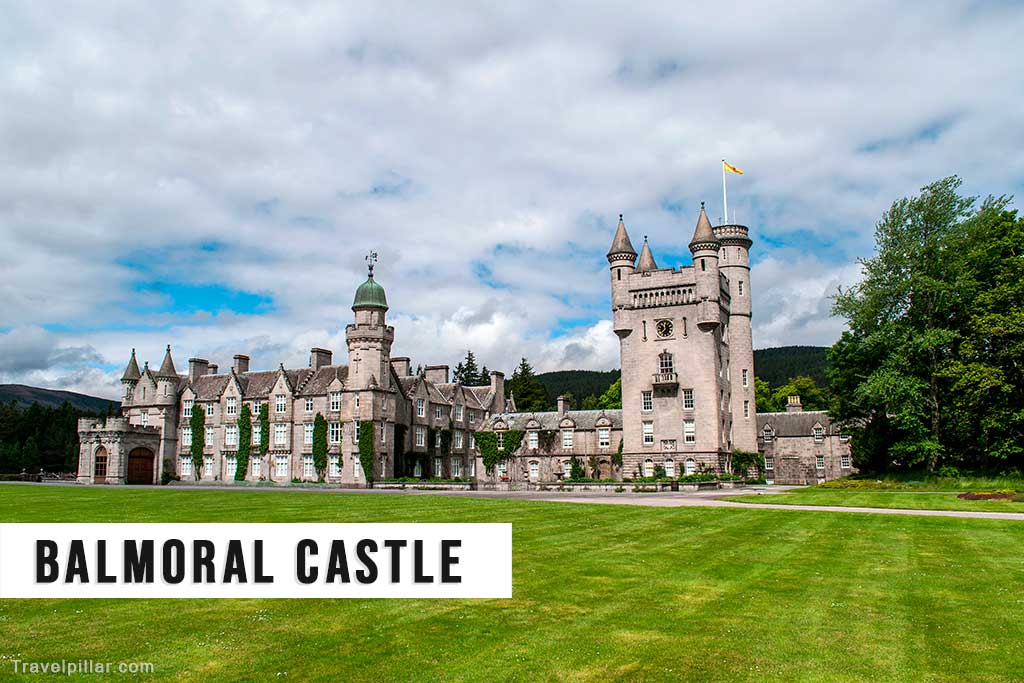
Located in the Scottish Highlands, Balmoral was Queen Elizabeth II’s private residence and a cherished retreat. Purchased by Queen Victoria in 1852, the estate has since been a royal sanctuary. Known for its scenic beauty, it was where the queen spent her summers, enjoying country pursuits. While the castle itself remains private, parts of the estate, including the gardens and grounds, are open to visitors from April to July.
Sandringham Estate
Located in Norfolk, Sandringham was one of Queen Elizabeth II’s private homes and a cherished retreat for the royal family, especially during the Christmas season. While the main house is private, parts of the estate, including the museum and gardens, are open to the public. The estate offers a unique look at the queen’s personal life away from the public eye.