
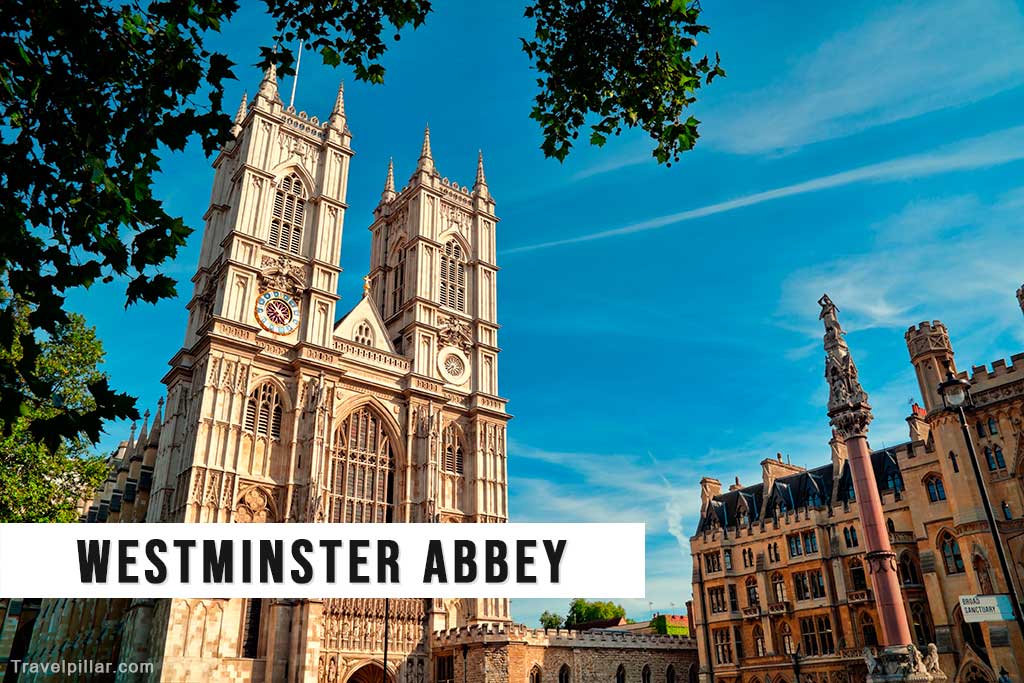
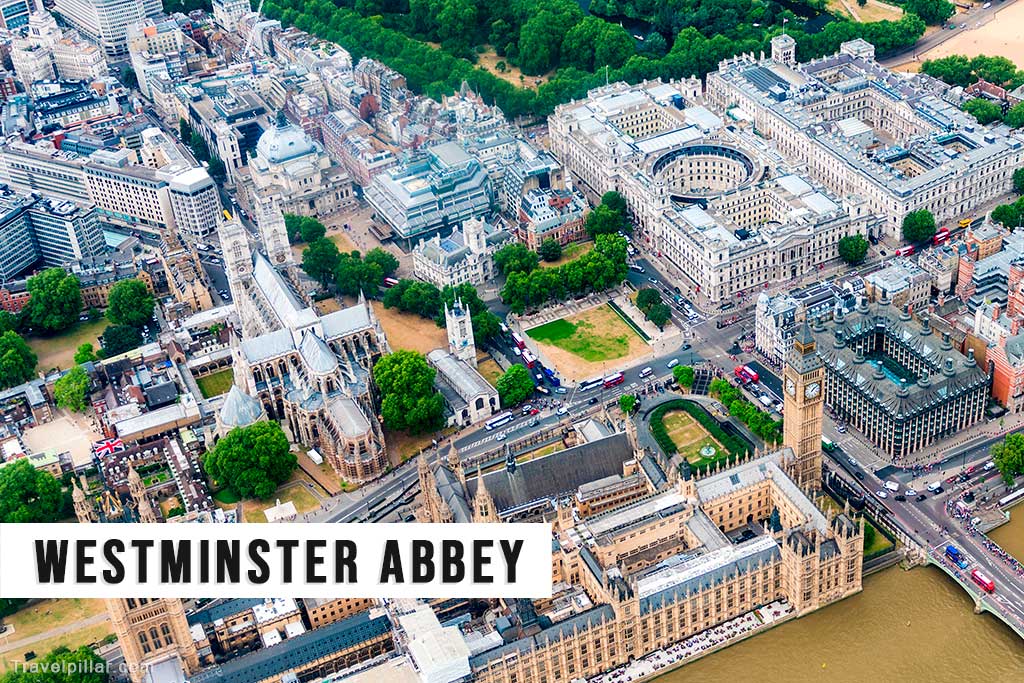
Located in the heart of London, Westminster Abbey is a magnificent Gothic masterpiece steeped in over a thousand years of British history, royal tradition, and religious significance. Established by Edward the Confessor in the 11th century, the Abbey has served as the coronation site for English and British monarchs since 1066, and has been the setting for numerous royal weddings, funerals, and state ceremonies.
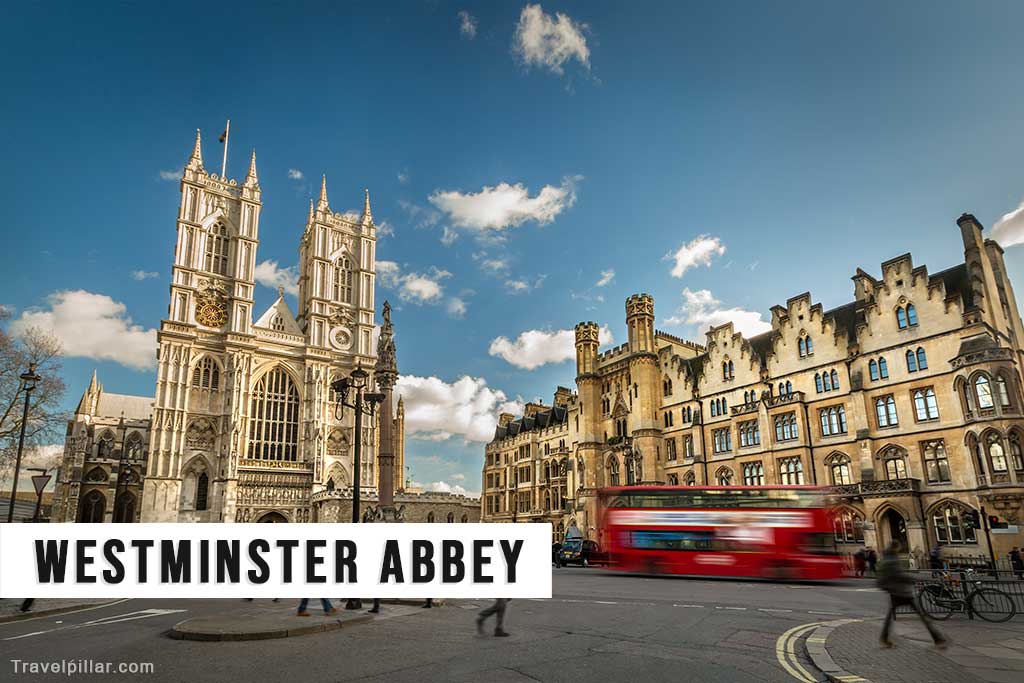
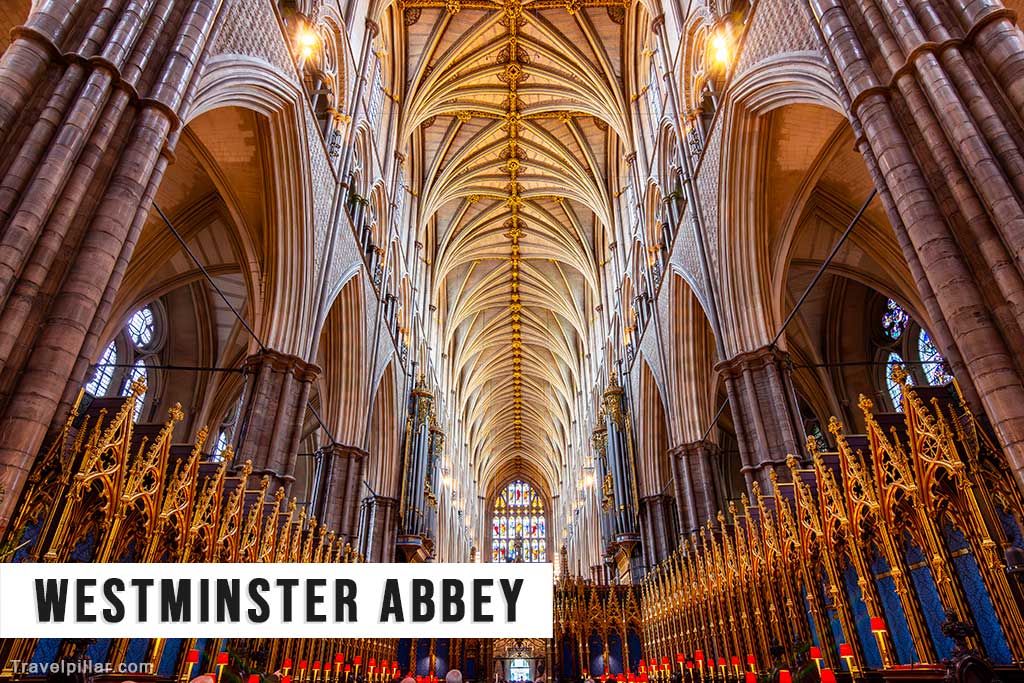
As you step inside the hallowed halls of Westminster Abbey, you are immediately enveloped by an atmosphere of reverence and awe. The soaring vaulted ceilings, intricate stained glass windows, and masterfully carved stonework stand as a testament to the Abbey’s architectural and artistic splendor.
Westminster Abbey is also the final resting place for many of Britain’s most illustrious figures, including kings, queens, poets, scientists, and statesmen. The Poet’s Corner, a revered section of the Abbey, is home to the tombs and memorials of literary giants such as Geoffrey Chaucer, Charles Dickens, and William Shakespeare.
Another noteworthy feature of the Abbey is the stunning Lady Chapel, also known as the Henry VII Chapel. Adorned with intricate fan-vaulted ceilings and a magnificent altarpiece, the chapel is a masterpiece of late medieval architecture and a fitting tribute to the Tudor dynasty.
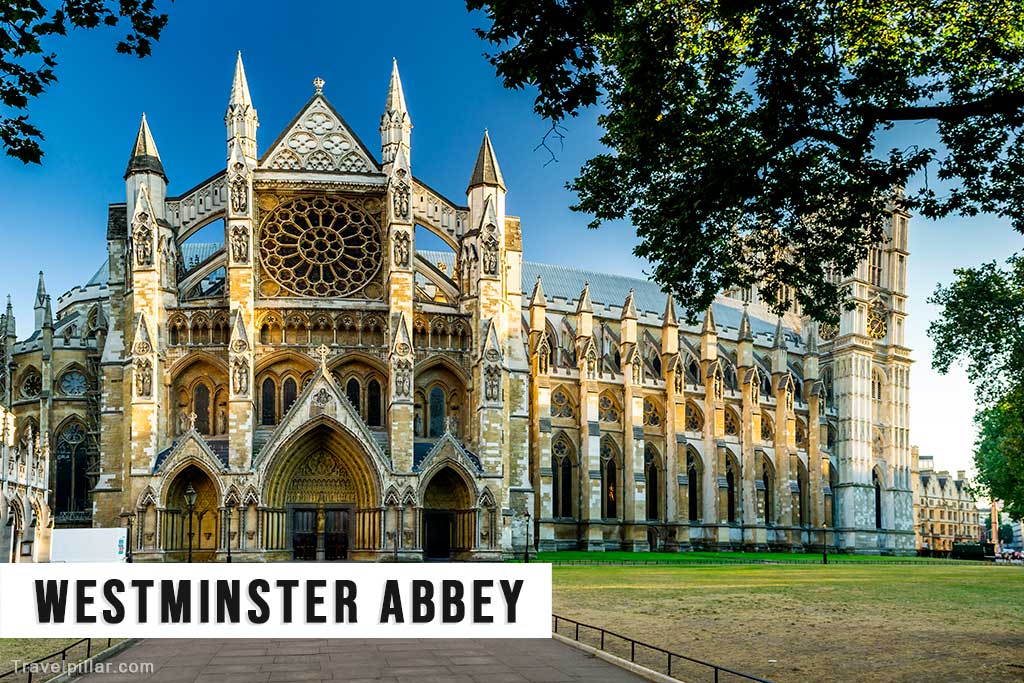
A visit to Westminster Abbey is an unforgettable journey through the rich tapestry of British history, offering a glimpse into the lives, legacies, and spiritual foundations that have shaped this storied nation. As you walk in the footsteps of kings, queens, and visionaries, you will be captivated by the timeless beauty and enduring significance of this iconic landmark.
Official website: https://www.westminster-abbey.org
Google map 4.6/5
Westminster Abbey Highlights and Self-guide Tour
For a self-guided plan: https://www.westminster-abbey.org/media/
1. The West Entrance
The West Entrance serves as the main public entry and features two towers designed by Nicholas Hawksmoor in the early 18th century. Above the doorway are statues of 20th-century Christian martyrs, installed in 1998, while four lower statues depict saints including Peter, Paul, Edward the Confessor, and John the Baptist. The entrance provides an immediate view down the Nave towards the High Altar, highlighting the abbey’s architectural grandeur and ceremonial processional route.
2. The Nave
The Nave is the longest Gothic nave in England, completed in the late 14th century. It features tall pointed arches, ribbed vaulting, and clustered columns, creating an impression of height and space. The floor is lined with memorials to notable individuals. The nave leads towards the Quire and High Altar, forming the central processional route used for services, coronations, and national ceremonies within the abbey’s architectural and ceremonial structure.
3. The Coronation Chair
The Coronation Chair was commissioned by Edward I in 1300–1301 to house the Stone of Scone, symbolising English and Scottish royal authority. Made of oak, it has been used in the coronation of British monarchs since 1308. The chair is decorated with medieval gilding and painted designs, although much is now worn. It remains an important historic artefact and ceremonial throne used during coronation services in front of the High Altar.
4. The Grave of the Unknown Warrior
The Grave of the Unknown Warrior is located near the west entrance and contains the remains of an unidentified British soldier from World War I. Buried in 1920, it represents all those who died in conflict without known graves. The grave is covered with a black marble slab surrounded by poppies and brass lettering, serving as a national memorial and a site of reflection for visitors honouring Britain’s military sacrifice and remembrance traditions.
5. Scientist’s Corner
Scientists’ Corner is located near the choir and includes the graves and memorials of notable scientists and natural philosophers. It features the tombs of Isaac Newton and Charles Darwin, reflecting their contributions to physics and natural science. Nearby are memorials to Stephen Hawking, Michael Faraday, and James Clerk Maxwell. This area acknowledges the role of scientific discovery in British history and honours individuals whose work has significantly advanced human understanding of the natural world.
6. The Quire
The Quire is the area of the church where clergy and choir sit during services. It features intricately carved 19th-century oak stalls with decorative canopies and misericords. The Quire is separated from the Nave by a Gothic screen and provides views towards the High Altar. It remains in regular liturgical use, hosting daily services and choral performances, and contributes to the abbey’s role as a functioning church and site of royal ceremonies.
7. The High Altar
The High Altar serves as the focal point for religious ceremonies and royal services. Rebuilt after World War II, it features a modern altar table with a decorative screen depicting the Last Supper by artist Gerard Johnson. In front lies the Cosmati Pavement, a 13th-century mosaic floor used during coronations. The area remains reserved for significant liturgical functions, national commemorations, and the crowning of British monarchs during coronation ceremonies.
8. The Shrine of Edward the Confessor
The Shrine of Edward the Confessor is located behind the High Altar and was constructed in the 13th century to house the remains of King Edward the Confessor, founder of the original Norman abbey. The shrine features a stone base with carved arches and a richly decorated upper structure. It was an important medieval pilgrimage site and remains a place of veneration, surrounded by the tombs of later medieval kings and queens.
9. The Lady Chapel (Henry VII Chapel)
The Lady Chapel, also known as the Henry VII Chapel, was built between 1503 and 1519 by Henry VII as a burial place for himself and his descendants. It is noted for its elaborate Perpendicular Gothic architecture, featuring intricate fan vaulting and carved stonework. The chapel contains the tombs of Henry VII and Elizabeth of York, as well as Mary I and Elizabeth I, and serves as the chapel of the Order of the Bath.
10. The Tomb of Elizabeth I
The tomb of Elizabeth I is located in the Lady Chapel and features a large marble monument with an effigy of the queen in royal robes holding the orb and sceptre. She shares the tomb with her half-sister Mary I, buried beneath. The monument was commissioned by James I and symbolises Elizabeth’s long reign, her role in establishing Protestant England, and the dynastic connection between the Tudor and Stuart monarchs.
11. The Tomb of Mary, Queen of Scots
The tomb of Mary, Queen of Scots is located in the Lady Chapel and features a white marble monument commissioned by her son, James I. The tomb includes an effigy of Mary lying in prayer, with a richly carved canopy above. It was created to honour her memory after her execution in 1587, reflecting her royal status and the Stuart dynasty’s claim to the English throne through her lineage.
12. Poet’s Corner
Poet’s Corner is located in the south transept and contains the graves and memorials of many notable British writers, poets, and playwrights. Geoffrey Chaucer was the first to be buried here in 1400. Other commemorated figures include Charles Dickens, Rudyard Kipling, and memorials to Shakespeare and Jane Austen. It reflects Britain’s literary heritage, serving as a place of recognition for contributions to English literature and cultural history.
13. The Cloisters
The Cloisters are covered walkways surrounding a central garden, built between the 13th and 14th centuries. They connected the monastic buildings and were used by monks for meditation, reading, and processions. The cloisters provide access to the Chapter House, Pyx Chamber, and abbey gardens. Their architecture features pointed arches and ribbed vaults, creating a peaceful enclosed space that reflects the abbey’s monastic origins and offers visitors a quiet route within the complex.
14. The Chapter House
The Chapter House dates to the 13th century and was used by the abbey’s monks for daily meetings and by early English Parliaments. It features a central pillar supporting its vaulted ceiling and medieval tiled flooring. The walls are decorated with 14th-century paintings depicting biblical scenes. The octagonal room includes original stone benches around the perimeter, reflecting its historical function as a place for governance, religious discussion, and administrative decisions within the abbey.
15. The Pyx Chamber
The Pyx Chamber dates from the 11th century and is one of the oldest surviving parts of the abbey. Originally used as a treasury, it stored valuables and the Pyx chest, which held coinage for testing in the Trial of the Pyx. The chamber features a stone vaulted ceiling and medieval tiled floor. It reflects the abbey’s administrative and royal functions, being associated with both monastic life and England’s early financial governance.
16. The Abbey Gardens
The Abbey Gardens include College Garden, thought to be the oldest cultivated garden in England, originally used by monks for growing medicinal herbs and food. Today, it features lawns, trees, and seasonal flower beds. The gardens provide a quiet space within the abbey precincts, surrounded by medieval walls. They are occasionally open to the public, offering visitors views of historic buildings and a sense of the abbey’s monastic and horticultural heritage.