
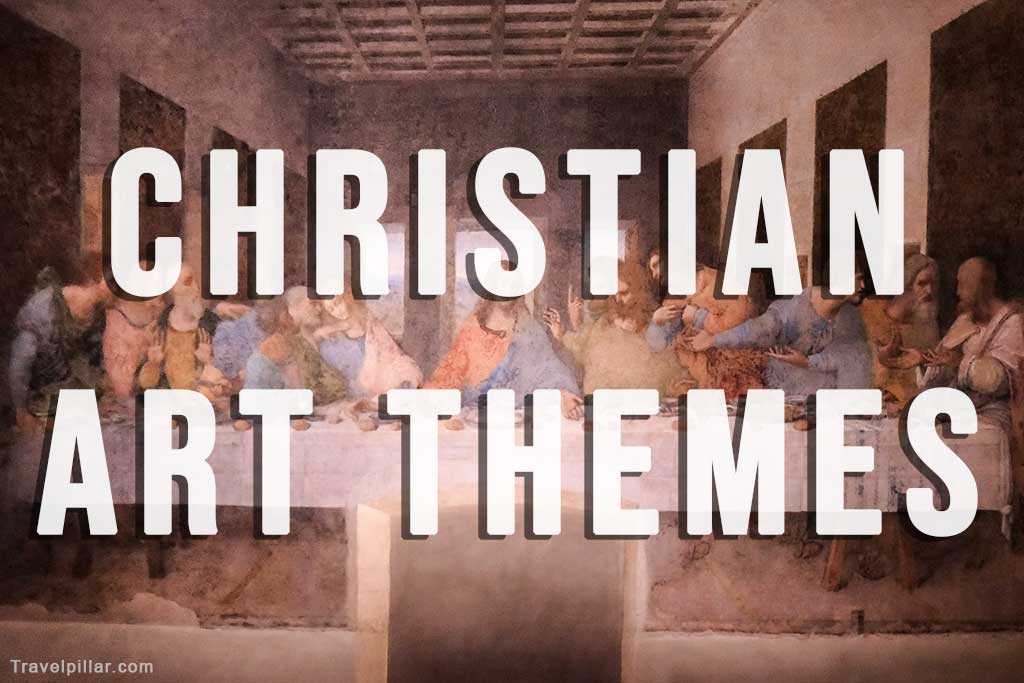
Religious art themes on biblical stories is a central theme in Western art history. Key subjects include the Crucifixion, representing Christ’s sacrifice, and the Madonna and Child, depicting Mary with the infant Jesus, a popular motif in medieval and Renaissance art. The Annunciation, where the angel Gabriel announces to Mary that she will bear Christ, is another frequently depicted scene. Other common themes are the Last Supper, focusing on Christ’s final meal with his disciples, and the Resurrection, illustrating Christ rising from the dead. Old Testament stories are also prominent, including Adam and Eve in the Garden of Eden, Noah’s Ark, David and Goliath, and the Sacrifice of Isaac. These works were intended to instruct, inspire devotion, and communicate theological ideas visually. They remain important features in museums and churches, offering insight into Christian beliefs, artistic styles, and the historical context in which they were created.
1. Annunciation
The Annunciation shows the angel Gabriel announcing to Mary that she will conceive and bear Jesus. Artists typically portray Mary seated or kneeling, often reading, with Gabriel appearing before her holding a lily symbolising purity. A ray of light or dove representing the Holy Spirit is commonly included. This scene emphasises Mary’s humility and obedience and is frequently depicted in Renaissance and medieval panel paintings, frescoes, and illuminated manuscripts.
2. Nativity
The Nativity depicts the birth of Jesus in Bethlehem. Artists typically include Mary, Joseph, and the infant Jesus in a manger, with an ox and donkey nearby. Angels, shepherds, and sometimes the Star of Bethlehem appear in the scene. The setting varies from simple stables to elaborate architectural ruins, symbolising the old world giving way to the new. This theme emphasises humility, divinity, and the fulfilment of Old Testament prophecy.
3. Adoration of the Shepherds
The Adoration of the Shepherds represents shepherds visiting the newborn Jesus after his birth in Bethlehem. Artists portray humble shepherds gathered around the infant, often kneeling in reverence, with Mary and Joseph nearby. Angels may appear above or around the scene, enhancing its sense of divine revelation. This theme emphasises the recognition of Christ by ordinary people and reflects ideas of humility, devotion, and the accessibility of salvation to all.
4. Adoration of the Magi
The Adoration of the Magi depicts the visit of the three wise men to the infant Jesus, offering gifts of gold, frankincense, and myrrh. Artists typically show the Magi in rich garments kneeling before Jesus, with Mary often seated holding the child. The scene may include attendants, animals, and architectural elements, highlighting the recognition of Christ by the wider world and symbolising homage, kingship, and the universality of salvation.
5. Presentation in the Temple
The Presentation in the Temple shows Mary and Joseph bringing the infant Jesus to the Temple in Jerusalem for purification and dedication. Artists portray Simeon holding or blessing Jesus, recognising him as the Messiah, with the prophetess Anna often present. Mary and Joseph are shown offering two doves or pigeons as a sacrifice. This scene emphasises obedience to Jewish law and the recognition of Jesus’ divine role from infancy.
6. Flight into Egypt
The Flight into Egypt illustrates Mary, Joseph, and the infant Jesus fleeing to Egypt to escape King Herod’s massacre of infants. Artists typically show Mary holding Jesus while riding a donkey, led by Joseph through a landscape. Some works include angels guiding them or scenes of rest during the journey. This theme emphasises divine protection, fulfilment of prophecy, and the Holy Family’s experience as refugees seeking safety in a foreign land.
7. Massacre of the Innocents
The Massacre of the Innocents depicts King Herod’s order to kill all male infants in Bethlehem to eliminate the newborn Jesus. Artists portray scenes of violence and grief, with soldiers seizing babies from mothers who struggle to protect them. The compositions often include dramatic movement and emotional expressions. This theme highlights cruelty, human suffering, and the cost of power, serving as a stark contrast to the surrounding narratives of Christ’s birth and early life.
8. Baptism of Christ
The Baptism of Christ shows Jesus being baptised by John the Baptist in the River Jordan. Artists typically show John pouring water over Jesus’ head or immersing him, with the Holy Spirit represented as a dove descending from above. God the Father’s voice is sometimes depicted as rays of light. This scene emphasises the beginning of Jesus’ public ministry, his divine sonship, and the significance of baptism as a ritual of purification and spiritual rebirth.
9. Temptation of Christ
The Temptation of Christ depicts Jesus fasting in the wilderness and being tempted by the Devil. Artists often show Satan in human or demonic form presenting temptations, such as turning stones into bread or offering worldly power. Jesus is typically portrayed calm and resolute, rejecting each offer. The scene emphasises Christ’s moral strength, divinity, and resistance to sin, reflecting theological themes of obedience, spiritual discipline, and preparation for his public ministry.
10. Calling of the Apostles
The Calling of the Apostles depicts Jesus inviting his first disciples to follow him. Artists often portray scenes by the Sea of Galilee, with Jesus calling fishermen such as Peter, Andrew, James, and John. The figures are shown leaving their nets and boats in obedience. This theme emphasises discipleship, sacrifice, and the beginning of Jesus’ ministry, illustrating the moment when ordinary individuals are chosen to spread his teachings and establish the early Christian community.
11. The Sermon on the Mount
The Sermon on the Mount depicts Jesus teaching a large crowd on a hillside, delivering key moral teachings including the Beatitudes. Artists typically portray Jesus seated or standing on an elevated area, surrounded by attentive disciples and followers. The scene emphasises his role as a teacher and moral authority, highlighting themes of compassion, humility, and spiritual righteousness. It reflects the transmission of core ethical principles central to Christian belief and practice.
12. Raising of Lazarus
The Raising of Lazarus shows Jesus restoring Lazarus to life after four days in the tomb. Artists often portray Jesus standing before the tomb, calling Lazarus, who emerges wrapped in burial cloths. Onlookers, including Mary and Martha, react with awe, amazement, or disbelief. This scene emphasises Christ’s divine authority over death and prefigures his own resurrection, highlighting themes of faith, miraculous power, and the promise of eternal life.
13. Transfiguration
The Transfiguration represents Jesus revealing his divine nature to Peter, James, and John on a mountain. Artists usually show Jesus radiant with light, elevated above the ground, flanked by Moses and Elijah, while the three disciples look on in fear or awe. Clouds and rays of light often indicate God’s presence and voice declaring Jesus as his Son. This scene conveys Christ’s divinity, his fulfilment of the Law and Prophets, and spiritual revelation.
14. Entry into Jerusalem
The Entry into Jerusalem illustrates Jesus entering the city riding a donkey, welcomed by crowds laying palm branches and cloaks along his path. Artists often show Jesus seated on the donkey with followers surrounding him, while people in the city gates greet him with gestures of praise. This event marks the beginning of Holy Week and signifies Jesus’ humility and messianic role, fulfilling prophecy and foreshadowing the events leading to his crucifixion.
15. Last Supper
The Last Supper shows Jesus sharing his final meal with the twelve apostles before his crucifixion. Artists typically portray Jesus at the centre of a long table, often announcing that one disciple will betray him, creating varied emotional reactions. Bread and wine are included, symbolising the Eucharist. This scene emphasises themes of sacrifice, betrayal, and communion, marking the institution of the Lord’s Supper and highlighting the human and divine aspects of Christ’s mission.
16. Washing of the Feet
The Washing of the Feet portrays Jesus washing the feet of his disciples during the Last Supper. Artists often show Jesus kneeling with a basin, washing Peter’s feet while other disciples observe. This act demonstrates humility and service, emphasising Jesus’ teaching that his followers should serve others selflessly. The scene highlights themes of purification, discipleship, and moral example, reflecting Christ’s role as both teacher and servant in his ministry.
17. Agony in the Garden
The Agony in the Garden shows Jesus praying in the Garden of Gethsemane before his arrest. Artists often present Jesus kneeling alone in prayer, with an angel offering comfort, while his disciples sleep nearby. Some works include a view of soldiers approaching to arrest him. This scene emphasises Christ’s human fear and divine obedience, highlighting themes of suffering, isolation, and submission to God’s will in preparation for his crucifixion and sacrifice.
18. Betrayal of Christ
The Betrayal of Christ captures the moment Judas Iscariot identifies Jesus to the arresting soldiers with a kiss. Artists often depict Judas approaching Jesus, surrounded by armed men holding torches and weapons, while the disciples react with fear or attempt to defend him. This scene emphasises themes of betrayal, loyalty, and the fulfilment of prophecy, marking the beginning of Christ’s Passion and his path towards trial, suffering, and eventual crucifixion.
19. Arrest of Christ
The Arrest of Christ depicts Jesus being seized by soldiers in the Garden of Gethsemane following Judas’ betrayal. Artists often show soldiers surrounding Jesus, with Peter drawing a sword to cut off the ear of Malchus, the high priest’s servant, an act Jesus rebukes. The scene conveys themes of betrayal, non-violence, and submission to divine will, marking the transition from Jesus’ ministry to his trial and crucifixion within the Passion narrative.
20. Christ before Pilate
Christ before Pilate shows Jesus brought before the Roman governor Pontius Pilate for judgment. Artists often depict Jesus standing calmly, bound or robed, while Pilate sits in a position of authority, sometimes washing his hands to signify innocence. Onlookers, soldiers, and accusing priests may appear in the scene. This theme emphasises themes of injustice, political authority, and moral responsibility, highlighting the trial that led to Christ’s condemnation and crucifixion.
21. Flagellation
The Flagellation portrays Jesus being scourged by Roman soldiers before his crucifixion. Artists often show Jesus tied to a column or pillar, partially clothed, while soldiers whip him with rods or scourges. The scene focuses on Christ’s physical suffering, with emphasis on his calm endurance amid brutality. This theme highlights the cruelty of his punishment, the fulfilment of prophecy, and his willing sacrifice, reflecting theological concepts of atonement and redemptive suffering.
22. Crowning with Thorns
The Crowning with Thorns shows Roman soldiers mocking Jesus by placing a crown of thorns on his head. Artists often depict Jesus seated or standing, surrounded by soldiers who press the thorns into his scalp and strike him with reeds, while draping him in a purple robe as a parody of kingship. This scene emphasises themes of humiliation, suffering, and mockery, highlighting the contrast between Christ’s true spiritual kingship and earthly cruelty.
23. Ecce Homo
Ecce Homo, meaning “Behold the Man,” presents Jesus shown by Pilate to the crowd after his scourging and crowning with thorns. Artists typically depict Jesus wearing a purple robe and thorn crown, often with hands bound, while Pilate gestures towards him addressing the people. The scene emphasises Christ’s suffering, humiliation, and innocence, highlighting themes of human cruelty and divine sacrifice as Jesus is presented before his final condemnation and crucifixion.
24. Way to Calvary
The Way to Calvary depicts Jesus carrying the cross to his crucifixion site at Golgotha. Artists often portray Jesus struggling under the weight of the cross, surrounded by soldiers, with onlookers lining the route. Simon of Cyrene is sometimes shown helping him carry it, while Veronica wipes his face. This scene emphasises Christ’s suffering, endurance, and humanity, highlighting themes of sacrifice, compassion, and the fulfilment of his mission towards redemption through crucifixion.
25. Crucifixion
The Crucifixion shows Jesus nailed to the cross at Golgotha between two thieves. Artists typically depict Jesus’ outstretched arms, a crown of thorns, and an inscription above reading “INRI.” Mary, John the Apostle, and other figures often stand in mourning below. The scene emphasises themes of sacrifice, redemption, and human suffering, marking the central event of Christian belief in which Christ’s death is seen as atonement for humanity’s sins and the path to salvation.
26. Descent from the Cross
The Descent from the Cross shows Jesus’ body being taken down after crucifixion. Artists often portray Joseph of Arimathea and Nicodemus lowering him, with Mary, John, and other mourners nearby expressing grief. The composition usually emphasises the weight of Christ’s body and the sorrow of his followers. This scene highlights themes of compassion, mourning, and fulfilment of prophecy, marking the transition from Christ’s death to burial within the narrative of his Passion.
27. Lamentation (Pietà)
The Lamentation, or Pietà, shows the Virgin Mary mourning over the dead body of Jesus after his removal from the cross. Artists typically depict Mary holding Jesus on her lap or cradling him, surrounded by other grieving figures such as John, Mary Magdalene, and angels. This scene emphasises themes of sorrow, maternal grief, and sacrifice, highlighting the human suffering and emotional depth within the Passion narrative before Christ’s burial and resurrection.
28. Entombment
The Entombment shows Jesus’ body being placed in the tomb after his crucifixion. Artists often portray Joseph of Arimathea, Nicodemus, and disciples carrying or laying Jesus’ body within a rock-cut tomb, while Mary and other followers mourn nearby. The composition emphasises solemnity, reverence, and grief. This scene highlights themes of death, burial, and fulfilment of prophecy, marking the conclusion of the Passion narrative before the resurrection and the continuation of the salvation story.
29. Resurrection
The Resurrection depicts Jesus rising from the dead on the third day after his crucifixion. Artists often show Christ emerging from the tomb in radiant glory, sometimes holding a victory banner, while Roman soldiers recoil in fear or sleep nearby. Some works include angels or women approaching the empty tomb. This scene emphasises themes of triumph over death, divinity, and hope, marking the central event of Christian faith and the promise of eternal life.
30. Ascension
The Ascension shows Jesus rising into heaven forty days after his resurrection. Artists often depict Christ ascending in a cloud, with his feet visible as he departs, while apostles and the Virgin Mary look upward in awe or prayer. Angels may appear accompanying him or announcing his departure. This scene emphasises Christ’s divine nature, the completion of his earthly mission, and the promise of his return, marking a key moment in the Christian narrative.