
The Dodecanese, a group of 15 larger plus 150 smaller Greek islands in the southeastern Aegean Sea, are known for their rich history, diverse culture, and stunning landscapes. Here is an overview of some of the most significant islands in this archipelago:
Rhodes
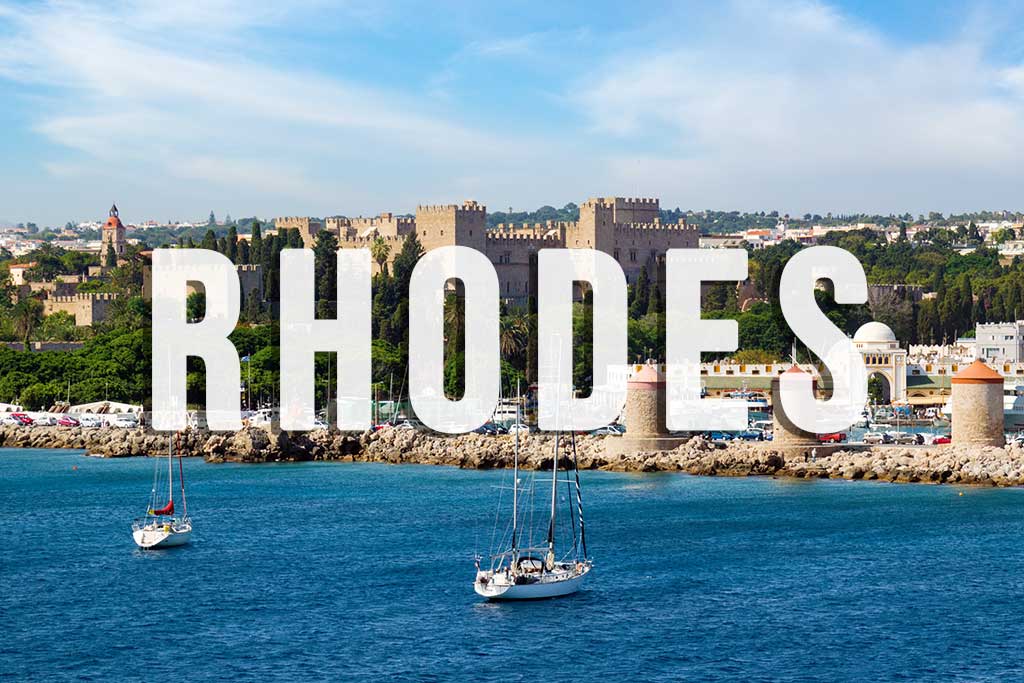
Rhodes is the largest and most well-known of the Dodecanese islands, covering an area of 1,401 square kilometers with a population of around 115,000. The island’s capital, Rhodes Town, is renowned for its well-preserved medieval old town, a UNESCO World Heritage site, featuring the Palace of the Grand Master, cobblestone streets, and ancient walls. Rhodes also offers beautiful beaches such as Faliraki, Lindos, and Tsambika. The ancient city of Kamiros and the Acropolis of Lindos are significant archaeological sites that attract history enthusiasts.
Symi
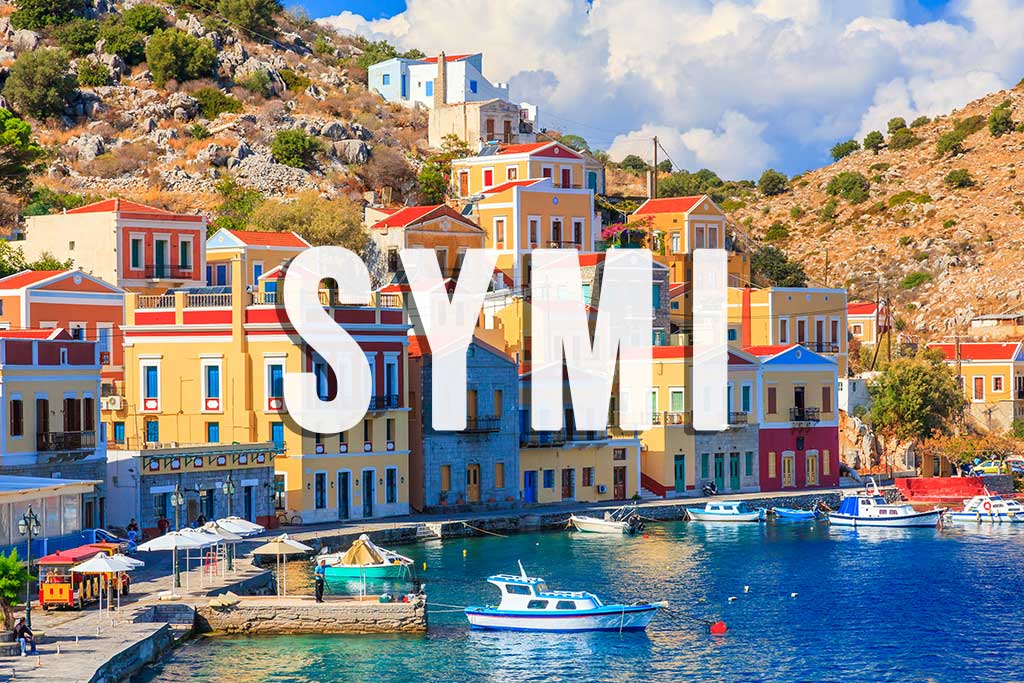
Symi, a small island of 58 square kilometers with a population of about 2,500, is renowned for its neoclassical architecture and picturesque harbor. The Monastery of Archangel Michael Panormitis is a significant religious site. Symi’s beaches, such as Nos and Pedi, offer crystal-clear waters and a peaceful atmosphere.
Kos

Kos, the third largest island in the Dodecanese, spans 290 square kilometers and has a population of about 33,000. It is famous for its sandy beaches, such as Tigaki and Paradise Beach, and its historical sites, including the Asklepion, an ancient healing center linked to Hippocrates, the father of modern medicine. Kos Town features the Castle of the Knights, ancient ruins in the Agora, and vibrant nightlife along the harbor.
Patmos
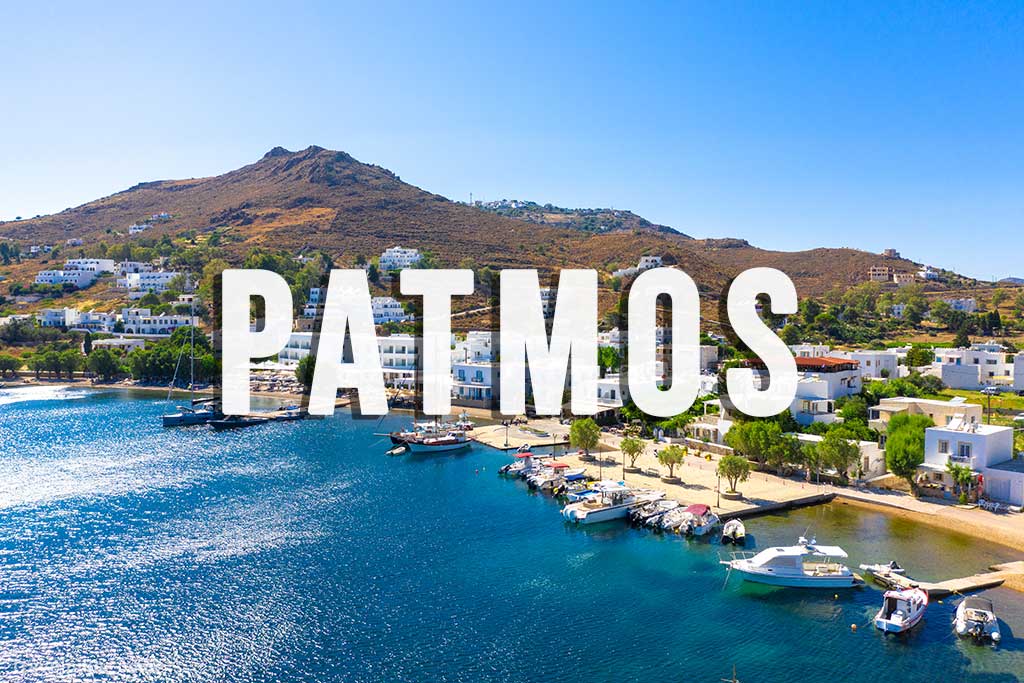
Patmos is known as the “Island of the Apocalypse” due to its religious significance. Covering 34 square kilometers and home to around 3,000 residents, it is where St. John is believed to have written the Book of Revelation. The Monastery of St. John and the Cave of the Apocalypse are key pilgrimage sites. The capital, Chora, with its white-washed buildings and narrow streets, offers a picturesque setting.
Kalymnos
Kalymnos, covering 109 square kilometers with a population of approximately 16,000, is known as the “island of the sponge divers.” It has a rugged landscape that makes it a popular destination for rock climbing enthusiasts. The capital, Pothia, is a lively town with a colorful harbor. The island’s beaches, such as Massouri and Myrties, are ideal for relaxation and water sports.
Karpathos
Karpathos is the second largest island in the Dodecanese, covering 324 square kilometers with a population of about 6,000. Known for its traditional villages like Olympos, where ancient customs are still preserved, Karpathos also offers beautiful beaches such as Apella and Kyra Panagia. The island’s mountainous terrain provides excellent hiking opportunities.
Leros
Leros, spanning 74 square kilometers and home to around 8,000 residents, combines lush landscapes with historical sites. The capital, Platanos, features the Castle of Panagia, offering stunning views of the island. Leros is also known for its World War II history, with the War Museum in Lakki highlighting the island’s past. Beaches such as Alinda and Agia Marina are popular spots for visitors.
Astypalaia
Astypalaia, covering 97 square kilometers with a population of approximately 1,300, combines Cycladic and Dodecanese architectural styles. The island’s capital, Chora, features a Venetian castle and charming white-washed houses. Livadi and Agios Konstantinos are among its notable beaches.
Nisyros
Nisyros is known for its active volcano, which is one of the most accessible volcanic craters in the world. Covering 41 square kilometers and home to about 1,000 residents, the island’s capital, Mandraki, features traditional houses and the Monastery of Panagia Spiliani. The volcano’s crater, Stefanos, offers a unique experience for visitors.
Accessibility and Transport
The Dodecanese islands are accessible by ferry from Piraeus, Crete, and other islands, with some also having airports connecting to Athens and various European cities. Local transportation includes buses, car rentals, and scooters, facilitating exploration of these diverse and culturally rich islands.