
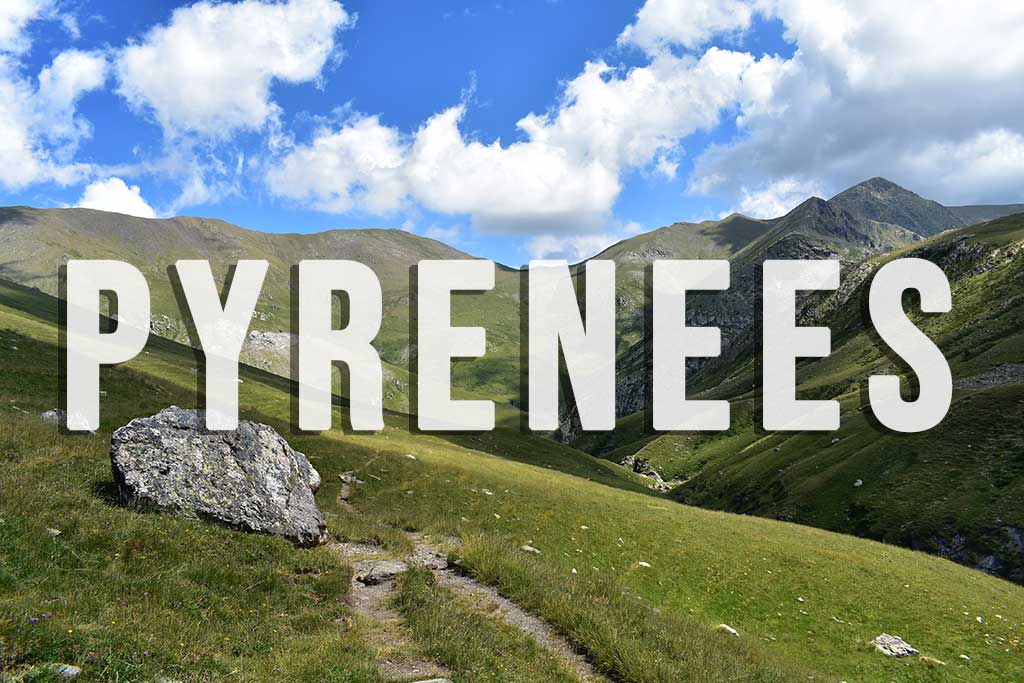
The Spanish Pyrenees is a mountain range that forms a natural border between Spain and France, extending approximately 430 kilometers from the Bay of Biscay to the Mediterranean Sea. This geographic marvel is renowned for its rugged beauty, steep peaks, deep valleys, and a wealth of flora and fauna. It includes several national parks, such as Aigüestortes i Estany de Sant Maurici and Ordesa y Monte Perdido, which preserve the region’s natural and cultural heritage.
The area is popular for outdoor activities including hiking, mountaineering, skiing, and cycling, offering a multitude of trails and ski resorts for different skill levels. Furthermore, the Spanish Pyrenees is home to distinct cultures and languages, such as Aragonese, Catalan, and Basque.
Historically significant sites can be found throughout the region, from Romanesque churches to medieval castles. One notable site is the old town of Aínsa, a beautifully preserved medieval town that transports visitors back in time.
Lastly, the Spanish Pyrenees is known for its gastronomy, offering a rich culinary tradition that includes dishes like trinxat, a hearty potato and cabbage pancake, and locally produced artisan cheeses. Visitors to the Spanish Pyrenees can expect an engaging combination of natural beauty, cultural richness, and outdoor adventure.
The Best Places to Visit in the Spanish Pyrenees
Ordesa y Monte Perdido National Park
Spain’s oldest national park is a UNESCO World Heritage site filled with breathtaking landscapes. The park features deep canyons, towering waterfalls, verdant valleys, and an array of wildlife. The titular Monte Perdido is the third highest peak in the Pyrenees and a significant challenge for mountaineers. The park’s diverse trails cater to both casual walkers and serious hikers, providing different perspectives of the park’s beauty.
Google map
Aigüestortes i Estany de Sant Maurici National Park
This national park is renowned for its high-mountain landscapes, boasting over 200 lakes, dense forests, and rugged peaks. The park’s name, Aigüestortes, means ‘twisting waters’ in Catalan, referring to the meandering streams that crisscross the park. Estany de Sant Maurici, the park’s largest lake, is a stunning sight with the Els Encantats peaks reflected in its tranquil waters.
Google map
Aínsa
Positioned on a hill overlooking the confluence of the Ara and Cinca rivers, Aínsa is one of the most well-preserved medieval towns in Spain. The town’s focal point is Plaza Mayor, a large, arcaded square lined with stone houses. The 11th-century castle offers panoramic views of the surrounding landscape, while the Santa María Church is a beautiful example of Romanesque architecture.
Google map
Vielha
Nestled in the Vall d’Aran, Vielha pairs natural beauty with cultural charm. Traditional Aranese architecture fills its streets, complemented by the 13th-century Church of Saint Miqueu. Vielha is an excellent base for outdoor activities, with numerous hiking trails and proximity to Baqueira-Beret ski resort.
Google map
Baqueira-Beret
As Spain’s largest ski resort, Baqueira-Beret offers over 150 kilometers of slopes catering to various skill levels. The resort is divided into three areas – Baqueira, Beret, and Bonaigua – each with its own distinct character. Aside from skiing and snowboarding, other winter activities like snowshoeing and dog-sledding are also available.
Google map
Girona
Although not situated in the Pyrenees, Girona is a great starting point for explorations into the mountain range. This historic city boasts a well-preserved Jewish quarter, the Força Vella, where narrow, winding streets transport you back in time. The Girona Cathedral is a stunning mix of Romanesque, Gothic, and Baroque styles, housing the world’s widest Gothic nave.
Google map
Monastery of San Juan de la Peña
This unique monastery is built into a massive rock cliff, seemingly part of the landscape itself. The lower cloister is a beautiful example of Romanesque architecture with beautifully carved capitals. The monastery is steeped in legends, including one suggesting it was the hiding place of the Holy Grail during the medieval period. The location offers a peaceful atmosphere and scenic views of the Pyrenean countryside.
Google map