
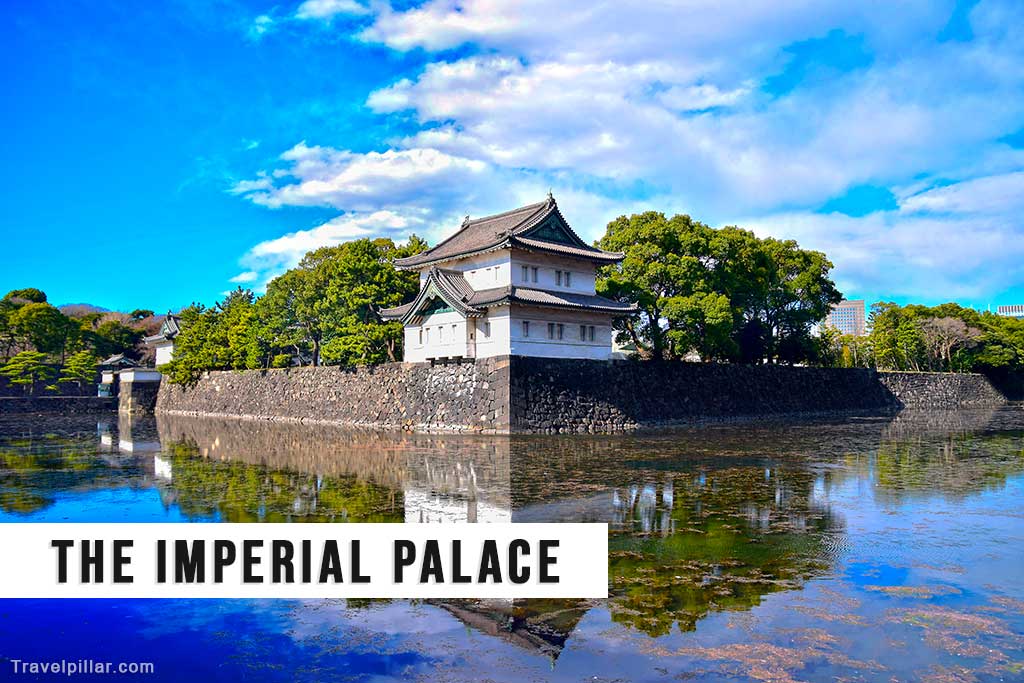
The Imperial Palace, located in the heart of Tokyo, serves as the residence of the Emperor of Japan. Situated on the former site of Edo Castle, it holds historical significance as a symbol of Japan’s cultural heritage and its modern governance. The current structure was rebuilt in 1968 after the original buildings were destroyed during World War II.
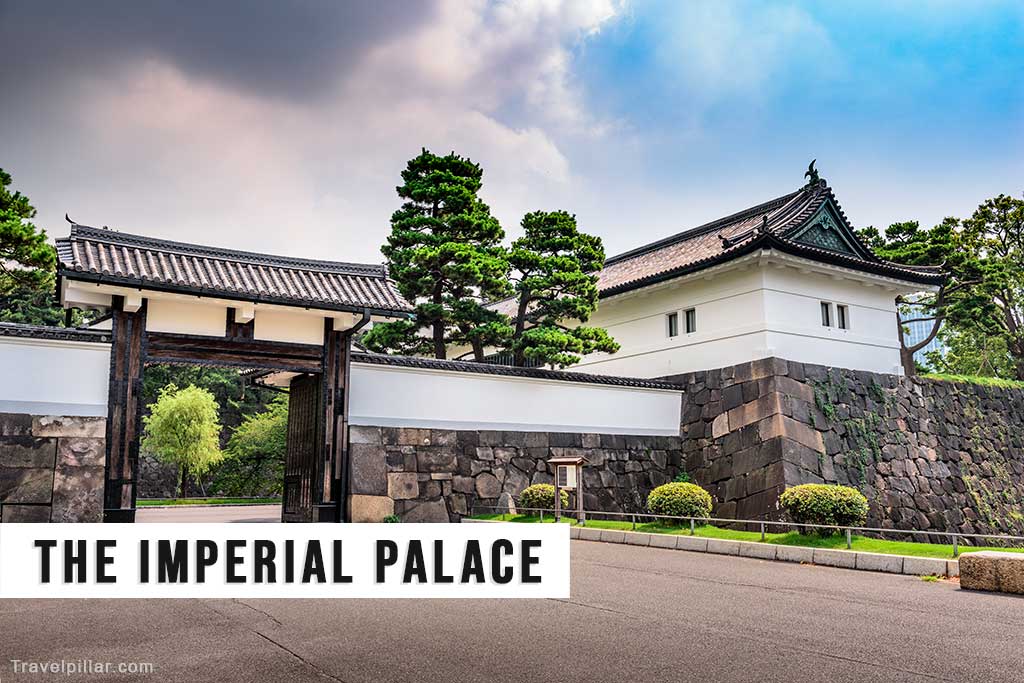
The palace grounds are vast, spanning over 1.15 square kilometers and encompassing beautifully landscaped gardens, moats, and historic structures. The main palace buildings, where the Emperor conducts official duties, are closed to the public except on special occasions, such as the Emperor’s birthday (February 23) and New Year’s Greetings (January 2), when visitors are allowed into the inner grounds.
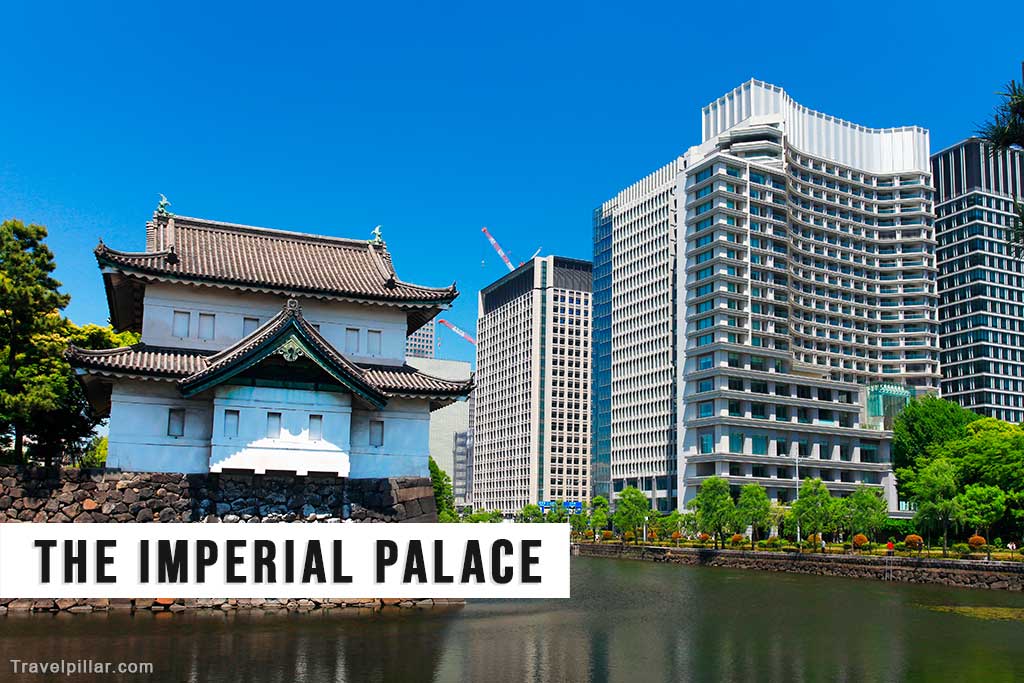
The East Garden (Higashi Gyoen) is open to the public year-round and offers a glimpse into the historical and cultural aspects of the Imperial Palace. This area includes remnants of Edo Castle’s original structures, such as the stone walls, gates, and the foundation of the main keep. The garden itself is meticulously maintained, showcasing seasonal flowers, a Ninomaru (secondary circle) garden, and traditional Japanese landscaping.
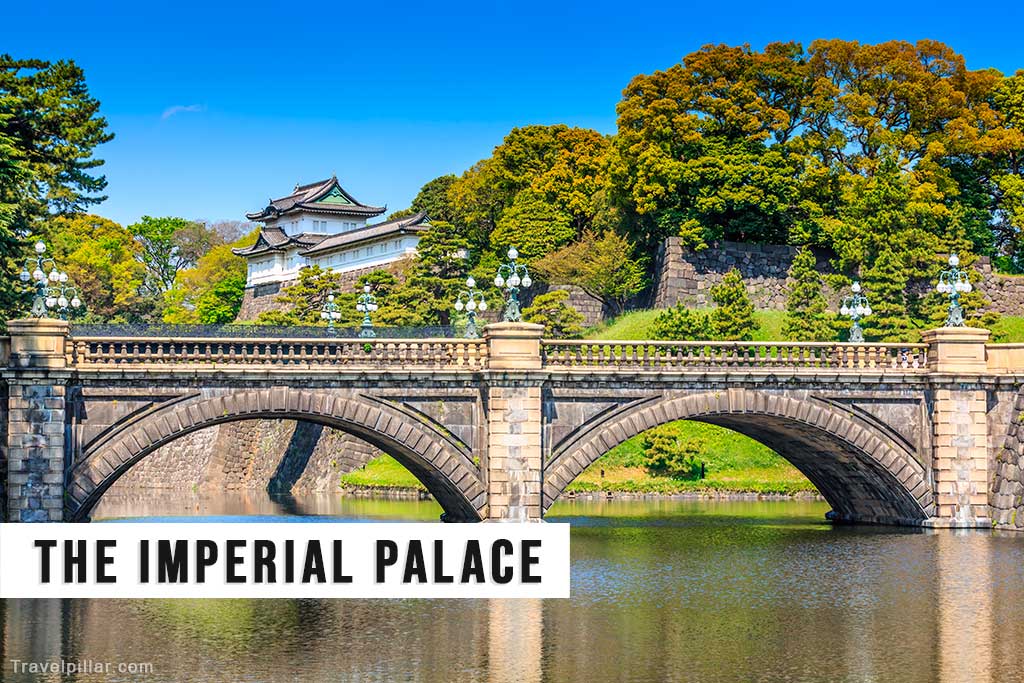
The Nijubashi Bridge, a double-arched stone bridge leading to the main gate of the inner palace, is one of the palace’s most photographed landmarks. Visitors often view the bridge from the outer grounds, which also include the Imperial Palace Plaza, a wide open area frequently used for public gatherings and ceremonies.
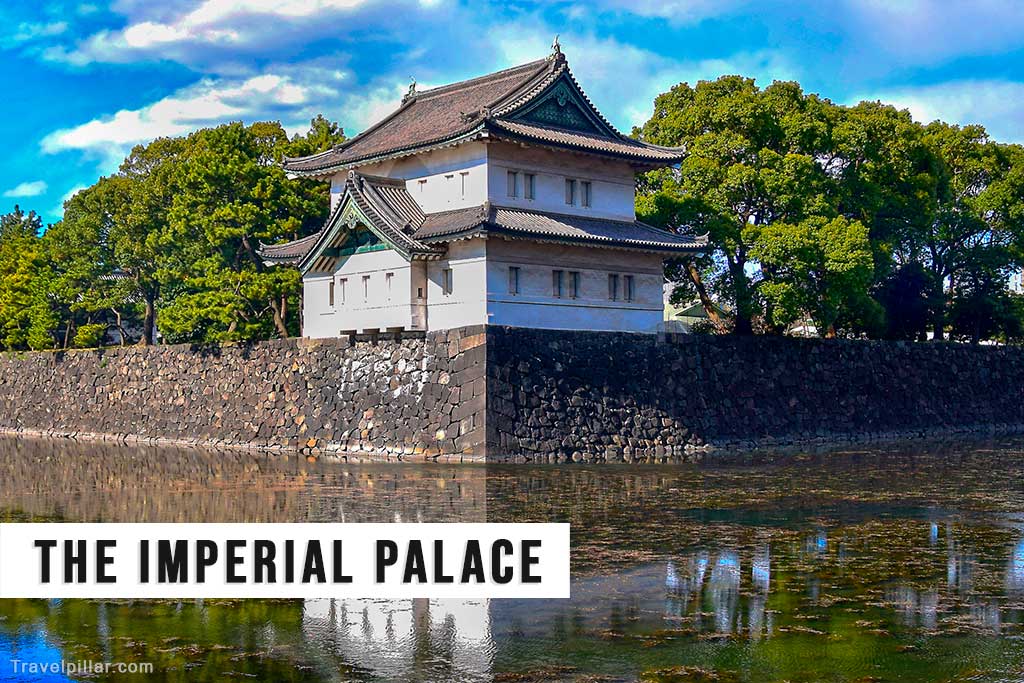
The palace is surrounded by a network of moats and tree-lined pathways, making it a popular spot for walking and jogging. Guided tours of the outer grounds, conducted by the Imperial Household Agency, provide additional historical context about the palace and its role in Japan’s history.
The Imperial Palace is both a functioning seat of the monarchy and a historic site, blending Japan’s feudal past with its modern identity. Its serene gardens and cultural significance make it a prominent destination in Tokyo.
Official website: https://sankan.kunaicho.go.jp/
Google map 4.4/5