
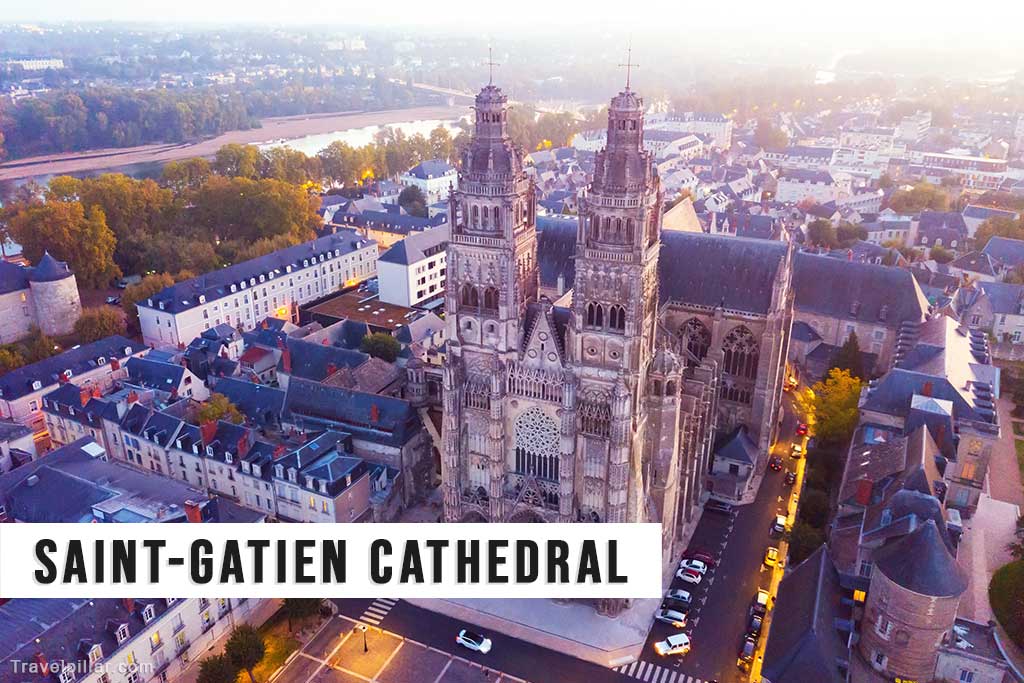
Saint-Gatien Cathedral, located in the heart of Tours in France’s Loire Valley, is a remarkable example of Gothic architecture and one of the city’s most significant landmarks. Its construction spanned nearly 400 years, from the 12th to the 16th century, resulting in a harmonious blend of Romanesque and Gothic styles.
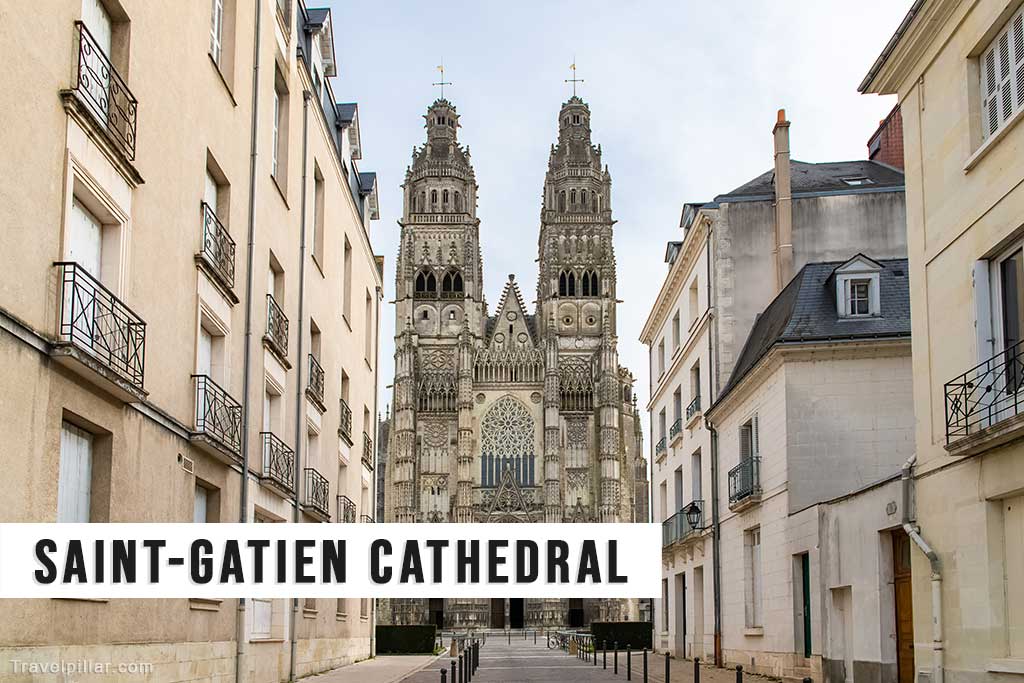
The cathedral’s twin towers dominate the skyline and are a defining feature of the city. Each tower reflects a different architectural influence: the north tower exhibits flamboyant Gothic detail, while the south tower showcases a Renaissance design. Together, they represent the evolution of architectural styles over the centuries.
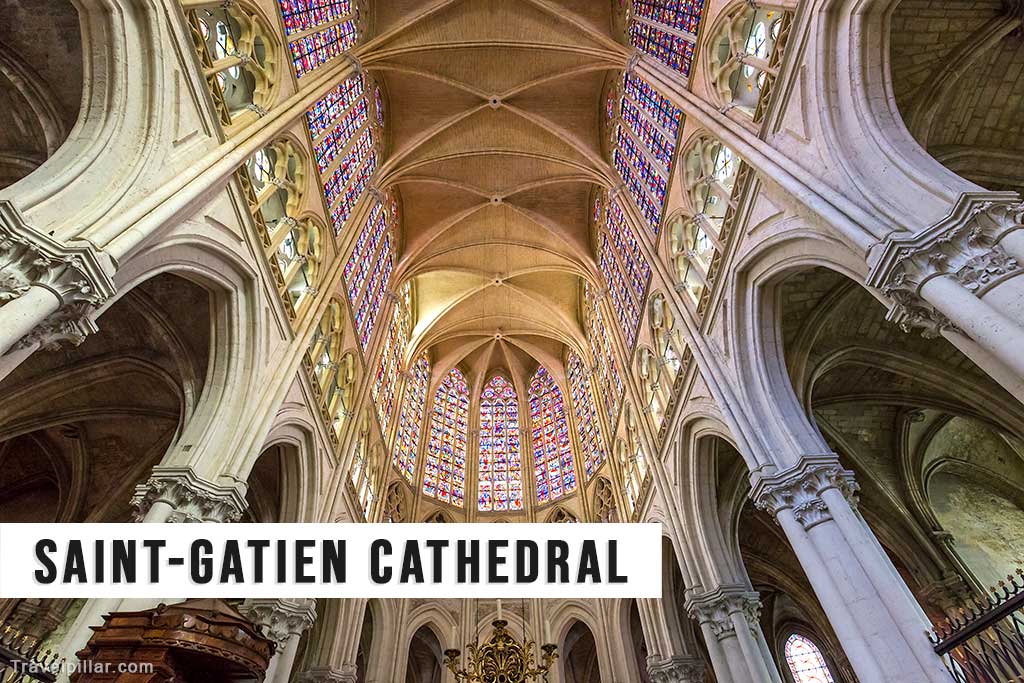
The interior of Saint-Gatien Cathedral is equally impressive. Visitors are greeted by soaring vaulted ceilings, finely carved stone columns, and an atmosphere of serene grandeur. The cathedral’s stained-glass windows are particularly noteworthy. Many of these date back to the 13th century and depict biblical scenes with intricate designs and vivid colors. These windows allow natural light to filter into the nave, creating a luminous and contemplative environment.
The cathedral’s history is tied closely to that of Tours itself. It was named after Saint Gatien, the first bishop of Tours, who played a key role in establishing Christianity in the region during the 3rd century. The cathedral also holds the tombs of Charles VIII’s children, marked by an elegant Renaissance-style memorial in the choir area, adding a layer of royal historical significance.
The exterior of the cathedral features elaborate sculptures and carvings, many of which illustrate biblical narratives or depict saints and angels. These elements highlight the craftsmanship and attention to detail that characterized the Gothic period.
Adjacent to the cathedral is the Cloître de la Psalette, a 15th-century cloister that served as a scriptorium for monks. Its Gothic architecture and tranquil atmosphere make it a complementary site for visitors.
Saint-Gatien Cathedral is an essential stop for those exploring Tours and the Loire Valley. Its architectural beauty, historical significance, and spiritual ambiance make it a compelling destination for both history enthusiasts and those seeking a serene cultural experience.