
The Turquoise Coast is one of the most spectacular holiday regions in Turkey, where pine-covered mountains meet crystal-clear Mediterranean water, ancient Lycian cities overlook secluded bays and traditional harbour towns sit beside modern marinas. Stretching along southwestern Turkey between Fethiye and Antalya, the coastline is renowned for its beautiful beaches, dramatic scenery, boat trips and rich history, making it one of the country’s most popular destinations.
The name “Turquoise Coast” comes from the remarkable colour of the sea, which changes from deep sapphire blue to brilliant turquoise depending on the light and depth of the water. Visitors come to relax on beautiful beaches, explore ancient ruins, cruise aboard traditional gulets, hike sections of the Lycian Way and discover hidden coves that remain accessible only by boat.
Although often grouped together, each destination along the Turquoise Coast has its own distinct character. Fethiye is the region’s centre for archaeology, spectacular scenery and outdoor adventure, while nearby Oludeniz is famous for its Blue Lagoon, beautiful beaches and world-class paragliding. Dalyan offers a completely different experience, combining peaceful river cruises, wildlife, loggerhead turtles and the remarkable Kaunos Rock Tombs.
Further west, Marmaris is best known for its lively marina, sailing, boat trips and excursions, while Icmeler provides a quieter beach resort just along the coast. The beautiful Datça Peninsula offers a more authentic and unspoilt side of Turkey, with picturesque villages, secluded beaches and the magnificent ruins of Knidos. Meanwhile, elegant Göcek has become one of the Mediterranean’s premier sailing destinations, where luxury yachts, island-hopping cruises and tranquil bays create a more relaxed atmosphere.
Whether you’re looking for a family beach holiday, ancient history, outdoor adventure or simply somewhere to unwind beside one of the Mediterranean’s most beautiful coastlines, the Turquoise Coast offers an unforgettable combination of natural beauty, culture and Turkish hospitality.
Fethiye
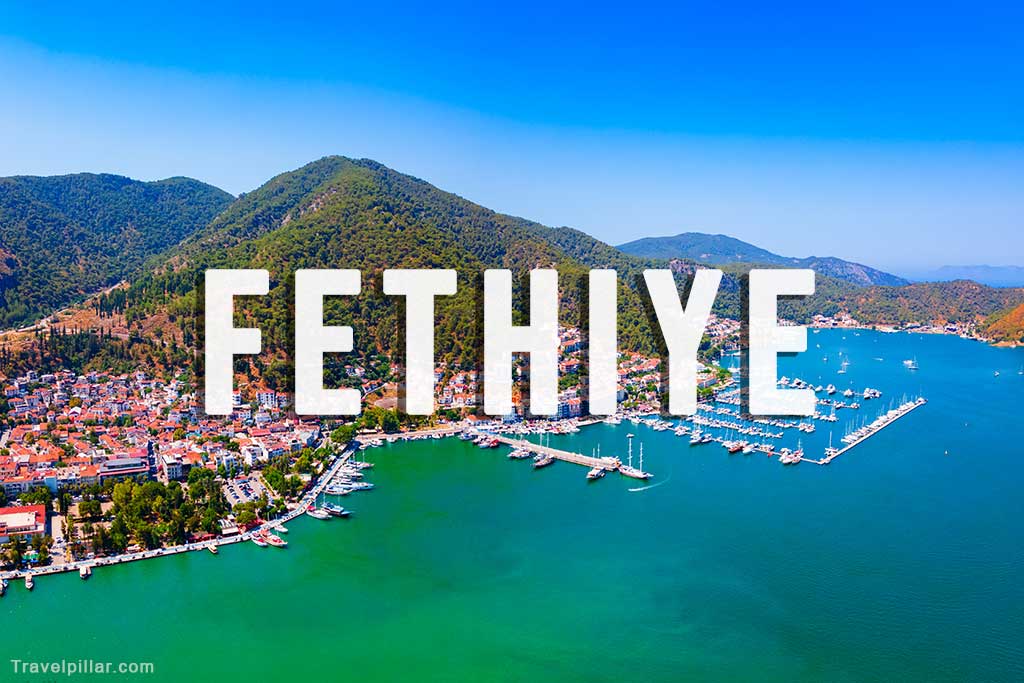
Fethiye is one of the Turquoise Coast’s main resort towns and an excellent base for exploring the surrounding region. Built around a natural harbour beneath mountain scenery, the town combines marinas, beaches, boat excursions and traditional Turkish atmosphere with a large choice of restaurants, hotels and excursions.
The surrounding coastline contains some of Turkey’s most famous scenery, while nearby islands and bays make Fethiye particularly popular for boat trips and sailing holidays.
Oludeniz (Ölüdeniz or Olu Deniz)
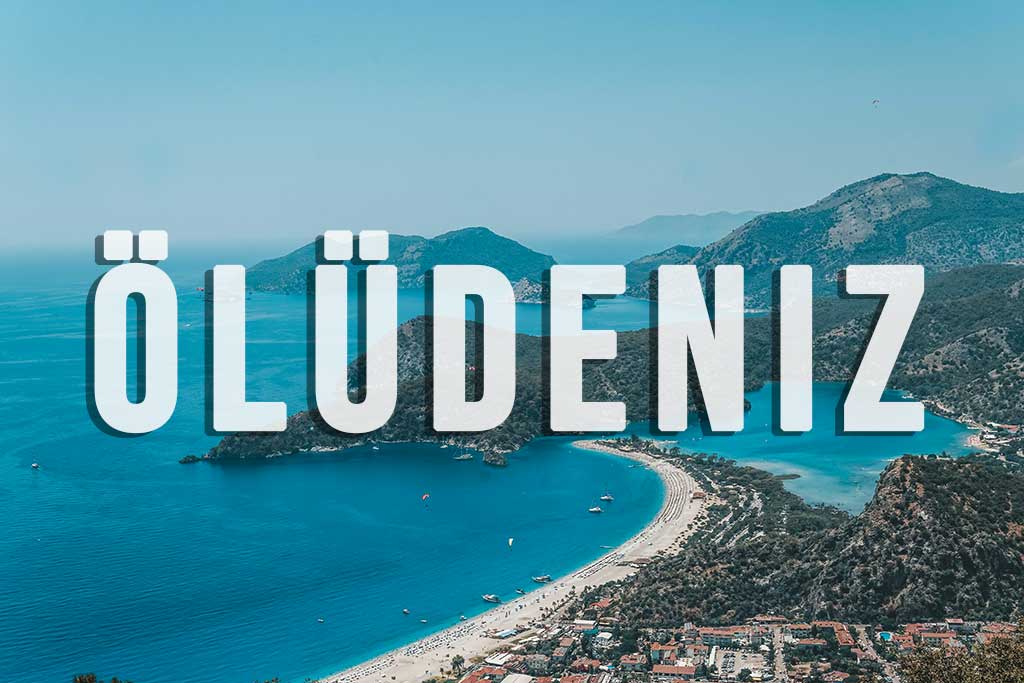
Ölüdeniz is internationally famous for its Blue Lagoon and dramatic mountain backdrop. The calm turquoise water and protected beach have become some of the most photographed coastal scenery in Turkey.
The area is also one of the world’s best-known paragliding destinations, with flights launching from Babadag Mountain high above the coastline. Boat trips to nearby coves and Butterfly Valley are among the most popular activities.
Marmaris
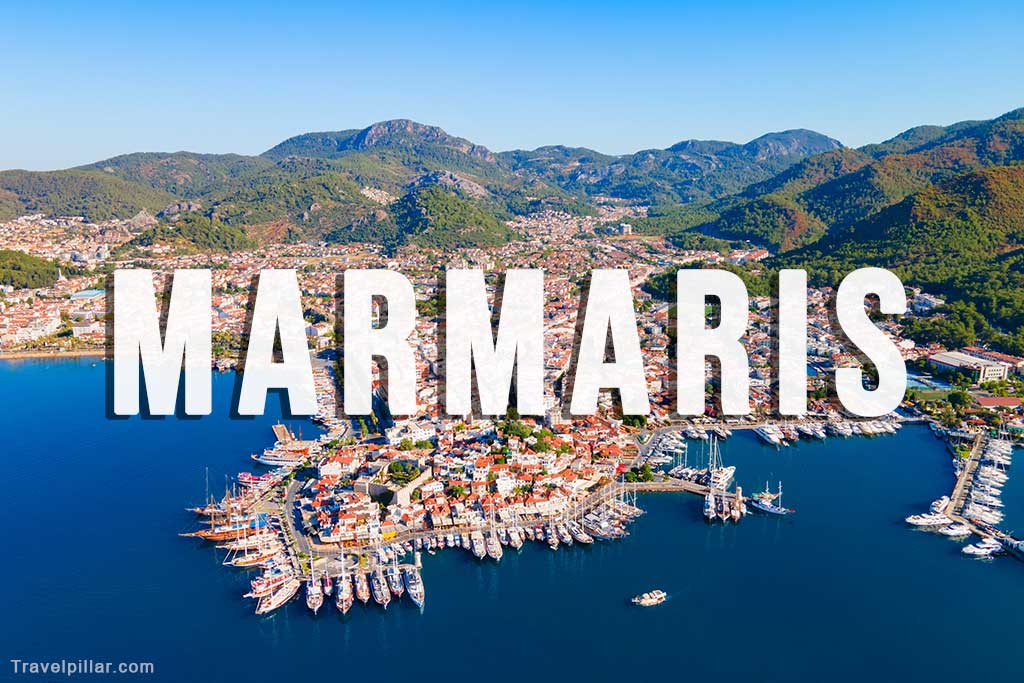
Marmaris is one of Turkey’s largest and busiest beach resorts, combining a large marina, nightlife, shopping and resort hotels with access to scenic mountain landscapes and boat excursions along the coast.
Although more developed than some smaller destinations, the surrounding region still contains beautiful bays, pine forests and island-dotted coastlines popular for day cruises and sailing holidays.
Kas (Kaş)
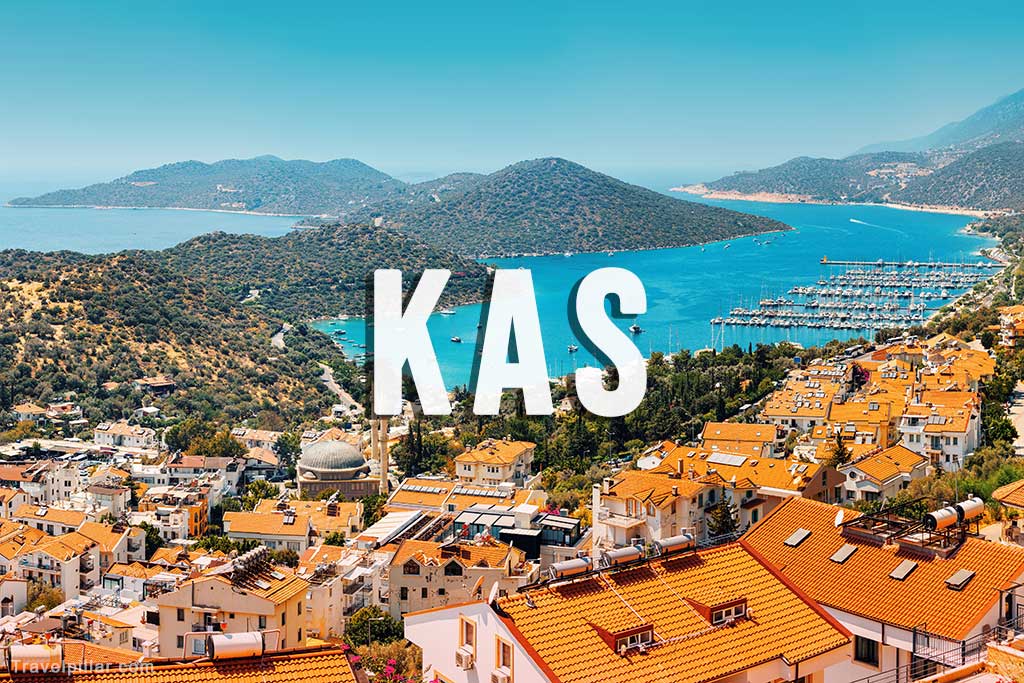
Kas (Kaş) is one of the Turquoise Coast’s most attractive smaller towns and has become especially popular with independent travellers. Whitewashed buildings, hillside cafés, small beaches and clear water create a more relaxed atmosphere than many larger Mediterranean resorts.
The surrounding coastline is popular for diving, kayaking and boat trips, while nearby archaeological sites reflect the region’s ancient Lycian history.
Dalyan
Dalyan sits beside a reed-lined river connecting Lake Köyceğiz with İztuzu Beach. The town is known for its relaxed atmosphere, wildlife, mud baths and impressive Lycian rock tombs carved into the cliffs above the river.
Unlike many purpose-built coastal resorts, Dalyan has retained much of its small-town character and offers easy access to beaches, river excursions and archaeological sites.
Kalkan
Kalkan is one of the most attractive towns on the Turquoise Coast, known for its whitewashed houses, rooftop restaurants and picturesque harbour. Built on a hillside overlooking a sheltered bay, the town retains much of its traditional character despite its popularity with international visitors.
The surrounding coastline contains some of Turkey’s finest beaches and archaeological sites, while the relaxed atmosphere and beautiful setting make Kalkan a favourite destination for couples and independent travellers.
Datca (Datça)
Datca occupies a spectacular position at the end of a long mountainous peninsula separating the Aegean and Mediterranean seas. Known for its clear water, small beaches, traditional villages and slower pace of life, it feels noticeably less developed than many Turkish coastal resorts.
The town is also the gateway to the ancient city of Knidos and offers access to some of the most beautiful and unspoilt coastal scenery on the Turquoise Coast.
Akyaka
Akyaka is a charming riverside town located at the head of the Gulf of Gökova, surrounded by forests, mountains and wetlands. The town is known for its distinctive traditional architecture, crystal-clear Azmak River and relaxed atmosphere.
Popular with nature lovers, walkers and kitesurfers, Akyaka offers a very different experience from the larger beach resorts while still providing easy access to beautiful beaches and outdoor activities.
Gocek (Göcek)
Gocek (Göcek) is a quieter and more relaxed destination centred around marinas, sailing and scenic coastal landscapes. The coastline around the town is broken into countless islands, forested bays and sheltered coves, many accessible only by boat.
Compared with larger Turkish resorts, Göcek has a more peaceful and upmarket atmosphere and is especially popular with yacht visitors and travellers looking for a slower pace.
Icmeler (İçmeler)
Icmeler (İçmeler) is a popular beach resort located a few kilometres southwest of Marmaris. Surrounded by pine-covered mountains and a sheltered bay, it combines attractive scenery with a relaxed atmosphere and a long sandy beach.
Although tourism is now central to the town, Icmeler generally feels quieter and greener than neighbouring Marmaris and is particularly popular with families, couples and visitors looking for a more laid-back holiday.
Ovacik
Ovacik is a peaceful resort village situated on the slopes of Babadag Mountain above Oludeniz. Surrounded by pine forests and mountain scenery, it provides a cooler and quieter alternative to the busy coastal resorts while remaining close to the beaches and attractions of the region.
Its location near the Lycian Way, Oludeniz Blue Lagoon and Babadag paragliding centre makes Ovacik an excellent base for outdoor activities and exploring the wider Turquoise Coast.
The Lycian Way
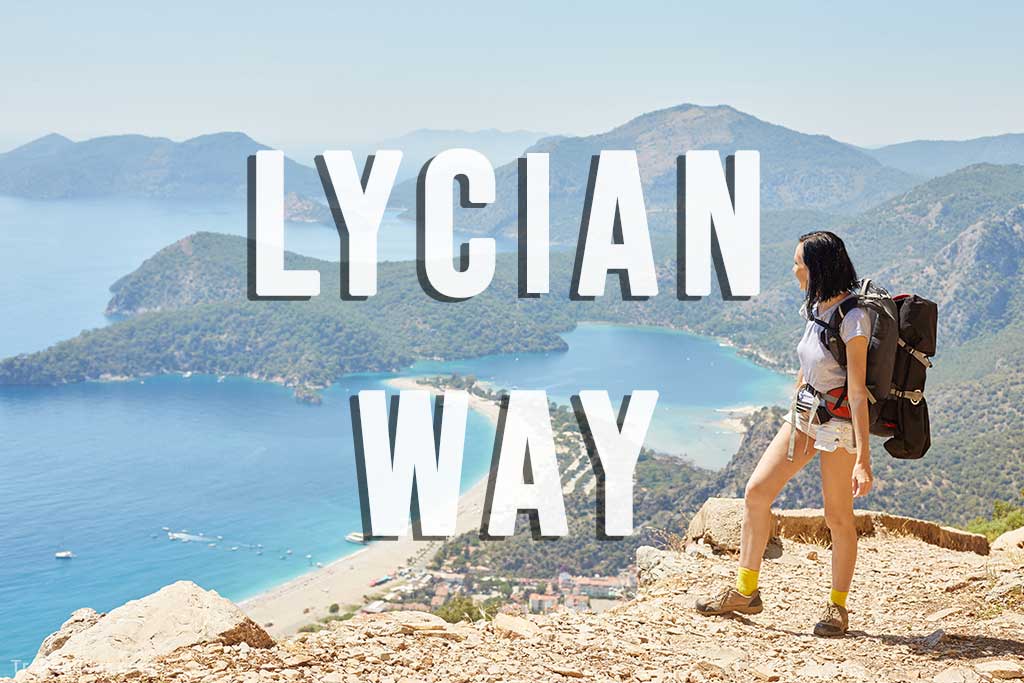
The Lycian Way is Turkey’s best-known long-distance hiking trail and follows parts of the Turquoise Coast between Fethiye and Antalya. The route passes through mountain scenery, coastal villages, hidden beaches and ancient Lycian ruins overlooking the Mediterranean.
Even visitors not attempting the full trail often walk shorter scenic sections around Ölüdeniz, Kabak and Kaş.
Best Time to Visit the Turquoise Coast
The main holiday season runs from May to October, when temperatures are warm and sea conditions are ideal for swimming and boat trips. July and August are the hottest and busiest months, while spring and autumn often provide more comfortable temperatures for sightseeing and walking.
Why Visit the Turquoise Coast?
The Turquoise Coast combines beaches, scenery, history and outdoor activities more successfully than almost anywhere else in the Mediterranean. Visitors can spend the morning exploring ancient ruins, the afternoon swimming in turquoise coves and the evening dining beside a marina or traditional harbour town.
For many travellers, it represents the most scenic and relaxed side of coastal Turkey.