
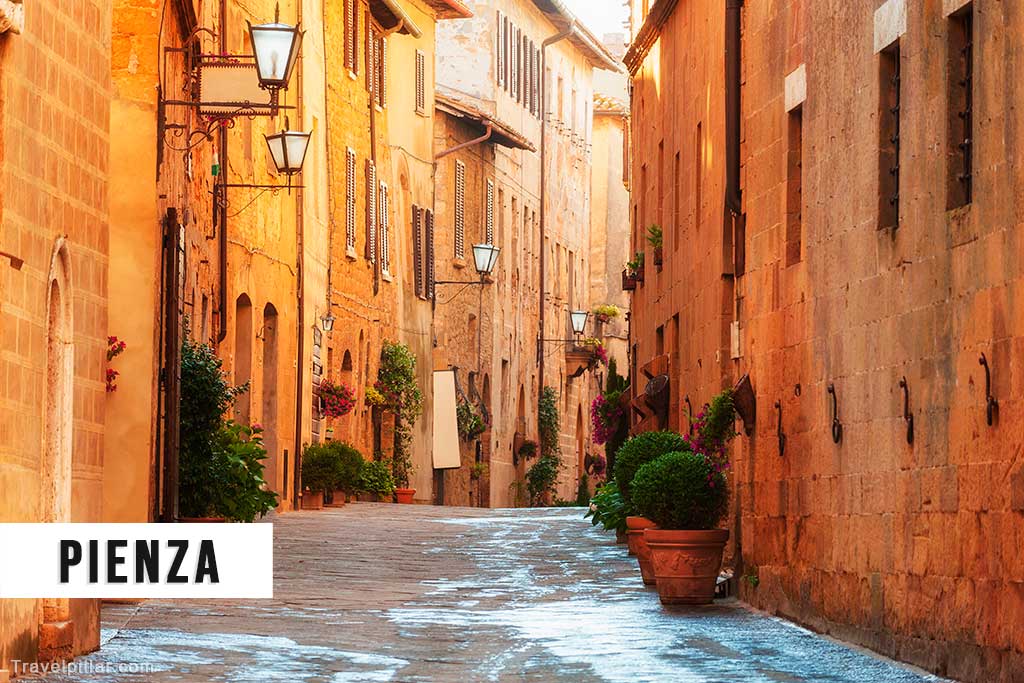
Situated in the idyllic Val d’Orcia region, Pienza is a small, enchanting Tuscan town known for its striking Renaissance architecture and breathtaking landscapes. Recognized as a UNESCO World Heritage Site, Pienza represents the realization of a humanist ideal, showcasing the harmonious fusion of nature and urban design.
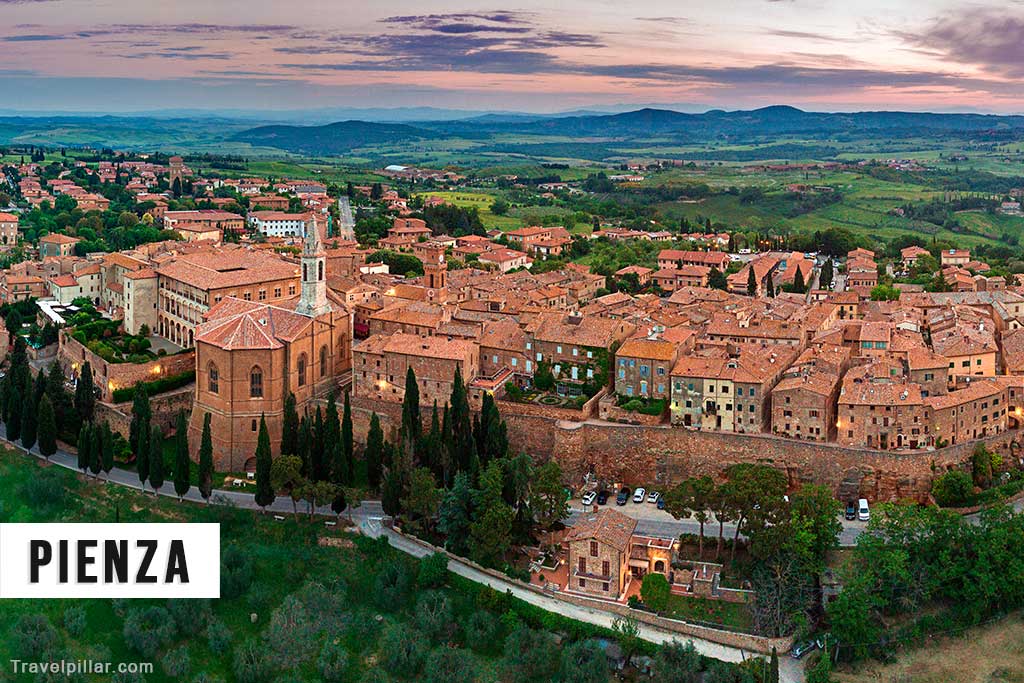
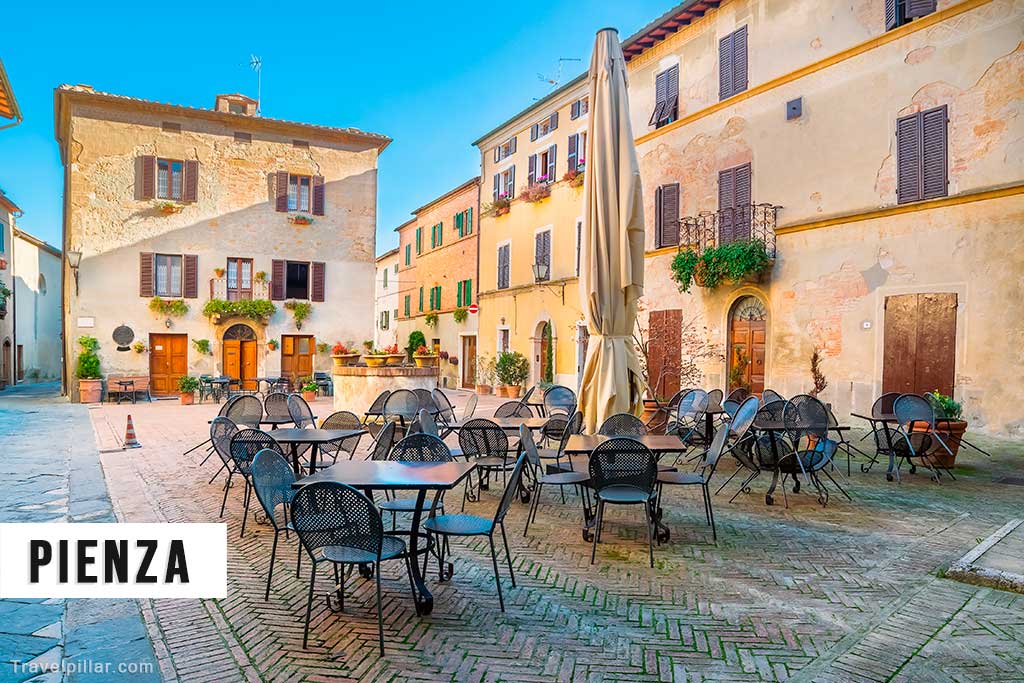
The town’s transformation began in the 15th century under the patronage of Pope Pius II, a native of the region. He envisioned Pienza as the epitome of Renaissance urban planning, and the town’s central square, Piazza Pio II, is a testament to this vision. The square is surrounded by a harmonious ensemble of buildings, including the Pienza Cathedral, the Palazzo Piccolomini, the Palazzo Comunale, and the Palazzo Borgia.
The Pienza Cathedral, a prime example of Renaissance architecture, features a stunning façade adorned with intricate carvings and a magnificent interior with frescoes by renowned artists such as Vecchietta and Piero della Francesca. The Palazzo Piccolomini, once the residence of Pope Pius II, now houses a museum that showcases the Pope’s living quarters and offers panoramic views of the surrounding countryside from its loggia.
Pienza is also famous for its production of Pecorino cheese, a regional specialty made from sheep’s milk. The town’s many cheese shops offer a wide variety of Pecorino, ranging from young and creamy to aged and crumbly, providing visitors with a delectable culinary experience.
Pienza Top 10
Pienza Cathedral (Duomo di Santa Maria Assunta)
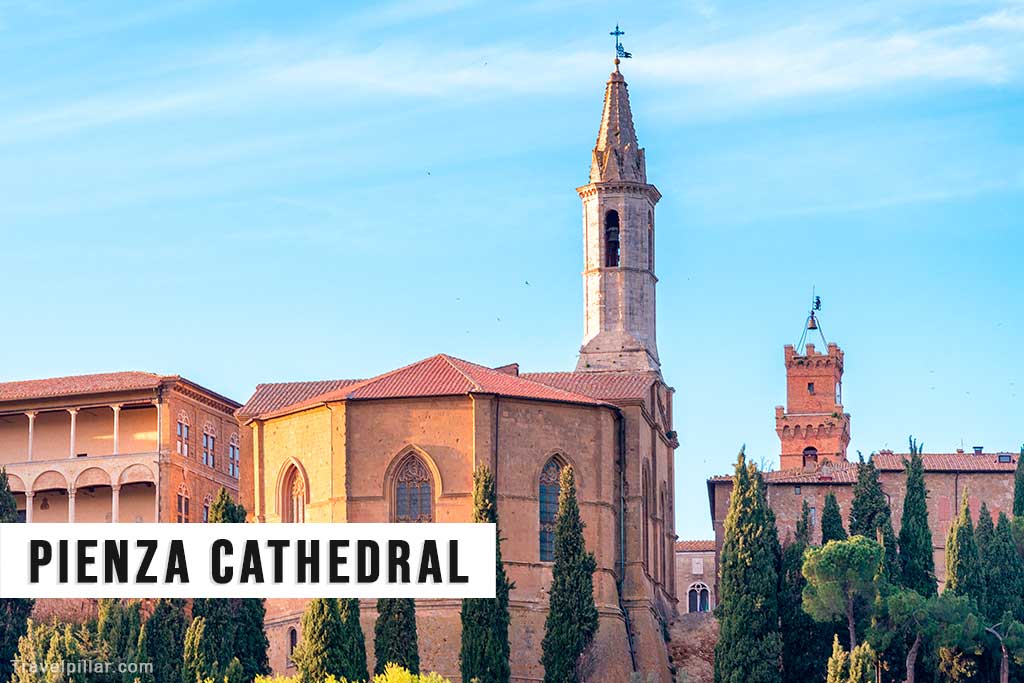
Pienza Cathedral, dedicated to the Assumption of the Virgin Mary, was constructed between 1459 and 1462 on the orders of Pope Pius II. Its façade reflects Renaissance ideals, while the interior shows Gothic influence, with tall columns and large stained glass windows. Housing paintings by Sienese artists, the cathedral represents the blending of artistic traditions and remains central to the town’s religious and architectural identity.
Google map 4.7/5
Piazza Pio II
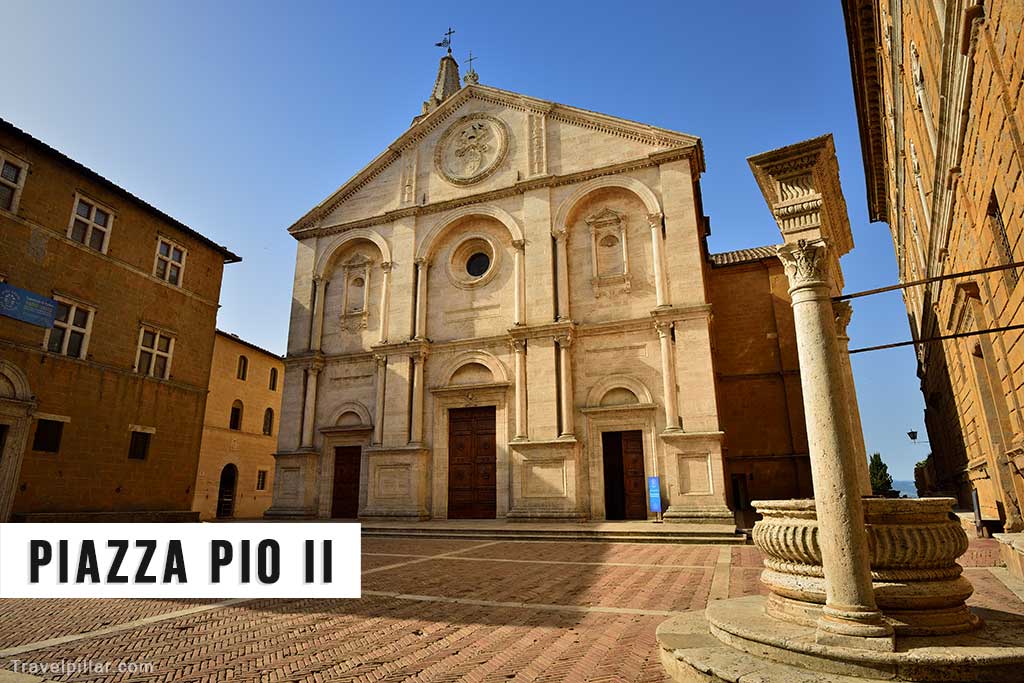
Piazza Pio II is the central square of Pienza, designed in the 15th century by Bernardo Rossellino under the direction of Pope Pius II. It exemplifies Renaissance urban planning with its trapezoidal layout and harmonious proportions. Surrounded by the cathedral, palaces, and town hall, the square remains the focal point of Pienza’s historic centre and a key example of Renaissance ideals in architecture and town design.
Google map 4.6/5
Corso il Rossellino
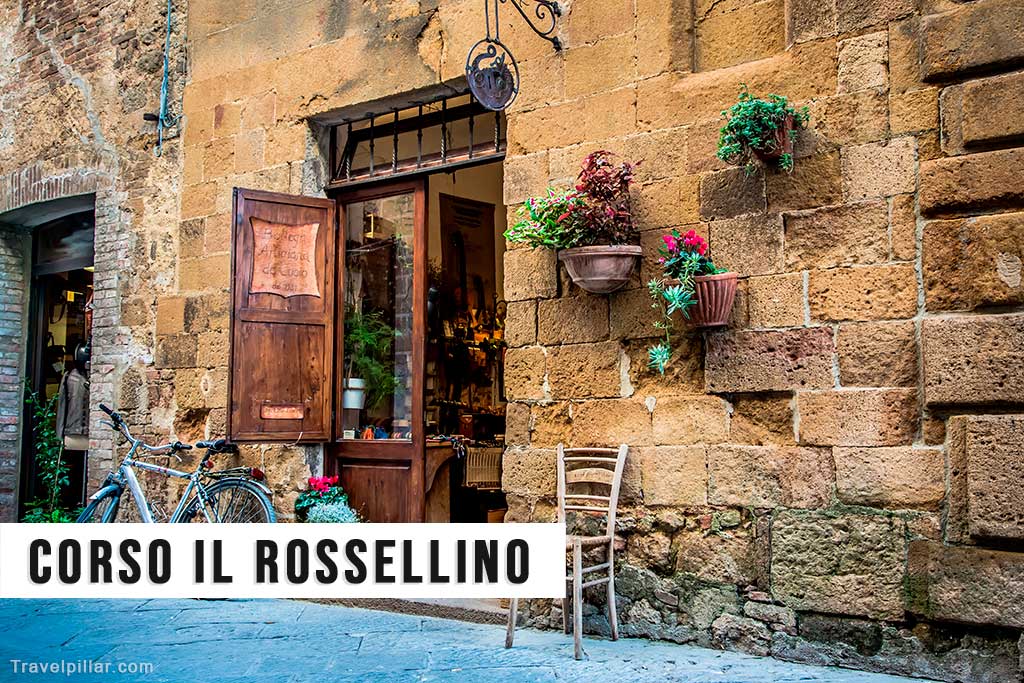
Corso il Rossellino, the main street of Pienza, was named after architect Bernardo Rossellino, who designed the town’s Renaissance layout. Running through the historic centre, it is lined with palaces, shops, and cafés that reflect the town’s blend of heritage and daily life. The street forms the spine of Pienza’s urban plan, linking key landmarks and offering a practical route through one of Tuscany’s most carefully planned Renaissance towns.
Palazzo Piccolomini Museum
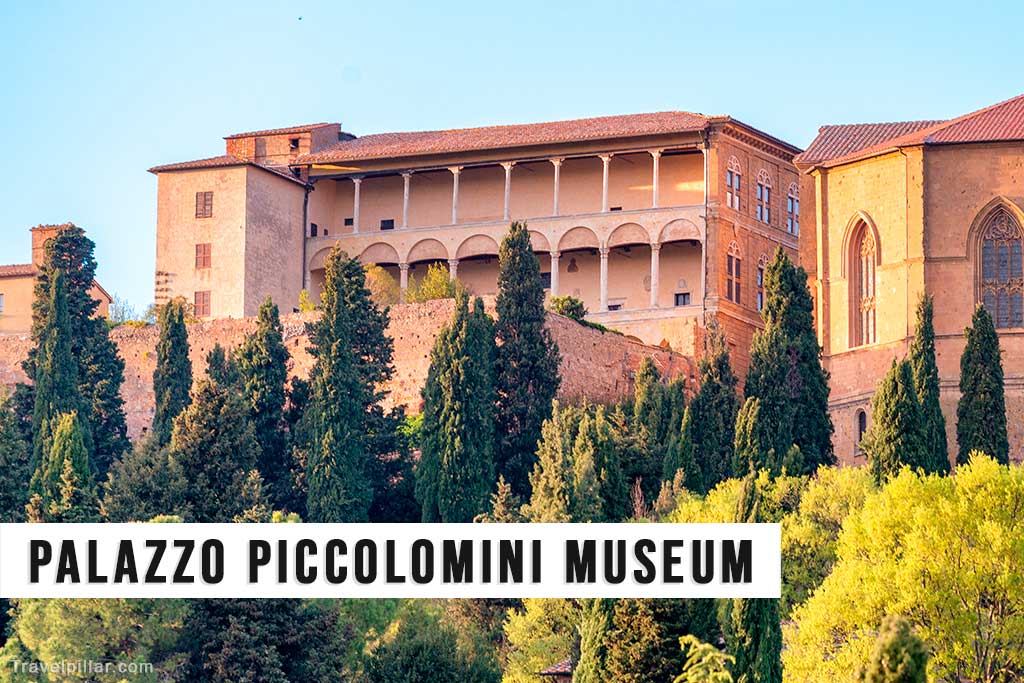
Palazzo Piccolomini Museum occupies the 15th-century palace built for the Piccolomini family by architect Bernardo Rossellino under Pope Pius II. The museum preserves original furnishings, Renaissance artworks, and decorative interiors, offering insight into noble domestic life. Its loggia and hanging garden provide panoramic views over the Val d’Orcia, illustrating the integration of Renaissance architecture with the surrounding landscape. The museum remains one of the key monuments on Piazza Pio II.
Official website:
http://www.palazzopiccolominipienza.it/ (not secure)
Google map (in Piazza Pio II to the right of the Cathedral)
Diocesan Museum (Palazzo Borgia)
Palazzo Borgia was originally built for Cardinal Rodrigo Borgia, later Pope Alexander VI. Today, it houses the Diocesan Museum, displaying religious artworks, vestments, and manuscripts. Highlights include works by artists of the Sienese school and medieval wooden sculpture. Situated on Piazza Pio II, the building illustrates the dual function of palaces as both residences and cultural repositories, contributing to Pienza’s role as a Renaissance model town.
Official website: https://www.museisenesi.org/en/
Google map 4.4/5
Church of San Francesco (Chiesa di San Francesco)
The Church of San Francesco, dating to the 13th century, is one of the few pre-Renaissance buildings preserved in Pienza. Built in Gothic style, its interior features frescoes depicting scenes from the life of Saint Francis, attributed to Sienese painters. The church provides contrast to the Renaissance redesign of the town, illustrating its medieval origins and continuity of religious practice within Pienza’s evolving architectural landscape.
Enoteca di Ghino
Enoteca di Ghino in Pienza is a well-regarded wine shop specializing in Tuscan and Italian wines, with an emphasis on local varieties from the Val d’Orcia and surrounding regions. The enoteca offers tastings and expert guidance, highlighting producers both large and small. Beyond wine, it stocks olive oils and regional products, making it a resource for those interested in the area’s culinary heritage. Its central location connects wine culture directly with Pienza’s historic core.
Google map 4.8/5
Pieve di Corsignano
Pieve di Corsignano is a Romanesque church located just outside Pienza. Built in the 11th century on an earlier foundation, it is notable for its austere stone construction and cylindrical bell tower. The church’s interior includes a baptismal font where Pope Pius II was baptised. Its simplicity and age contrast with Pienza’s Renaissance centre, offering insight into the area’s earlier religious architecture and long continuity of Christian worship.
Google map 4.6/5
Val d’Orcia Panoramic Walks
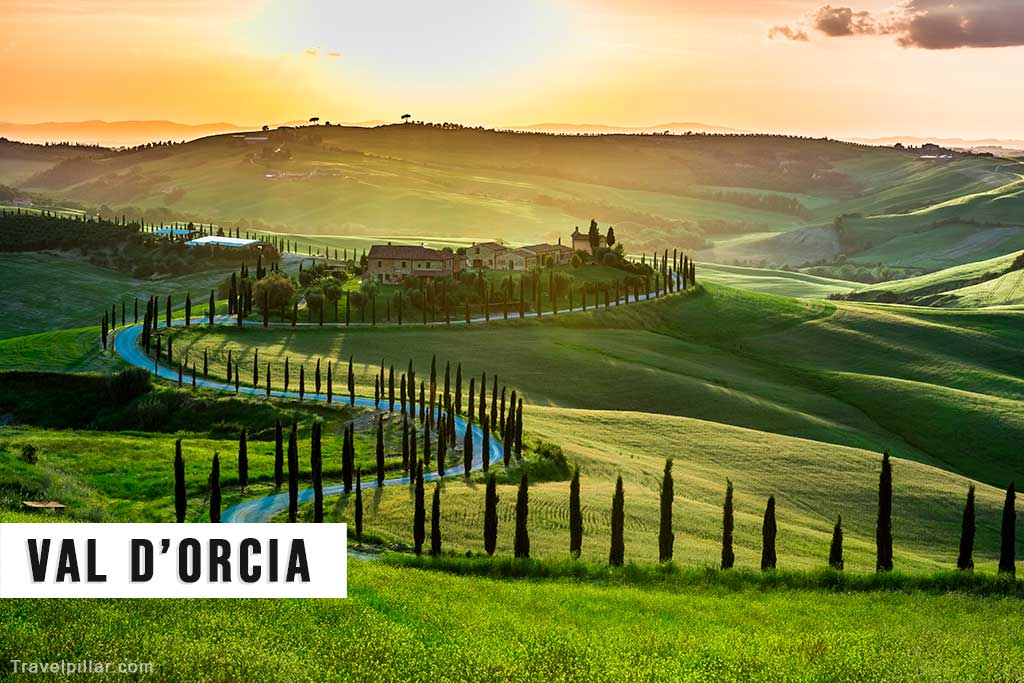
Pienza is situated within the Val d’Orcia, a UNESCO World Heritage Site known for its Renaissance-inspired agricultural landscapes. From the town, panoramic walks and viewpoints reveal rolling hills, cypress-lined roads, vineyards, and medieval farmsteads. The views are integral to Pienza’s identity, as the town was designed to harmonise with its surroundings, reflecting humanist ideals of order and beauty in both urban and rural environments.
Google map
Pecorino di Pienza Tasting
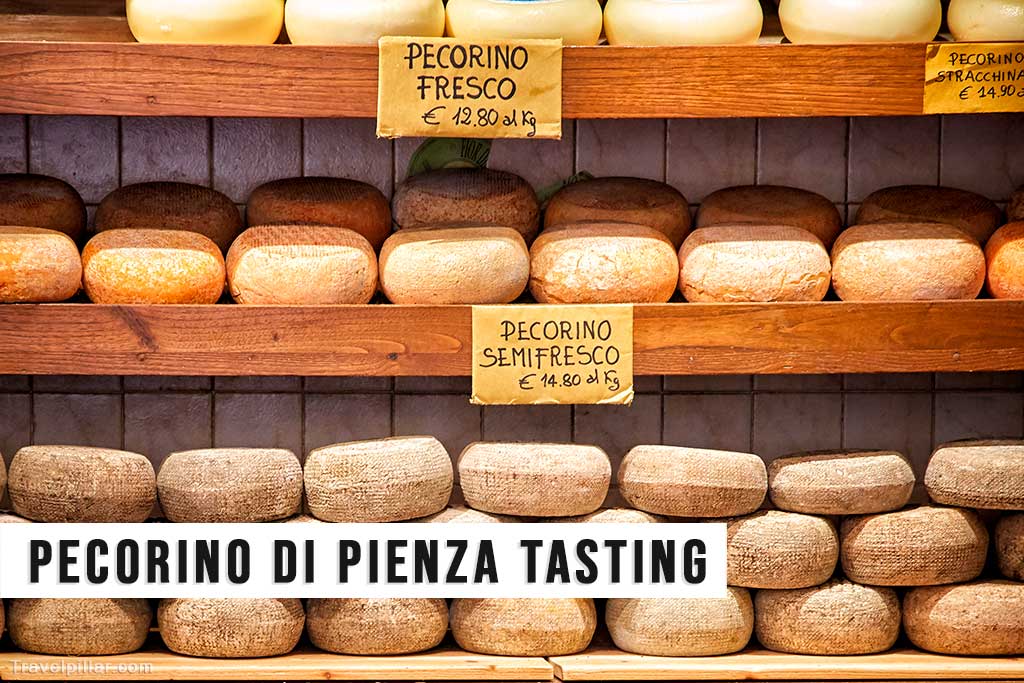
Pienza is widely recognised for its production of pecorino cheese, made from sheep’s milk and available in fresh, semi-aged, and matured varieties. Shops and local producers offer tastings that highlight the range of flavours, often paired with regional wines. The cheese has historical roots in Pienza’s rural economy and remains a central element of the town’s cultural identity, linking agricultural traditions with the visitor experience of local food.
Google map