
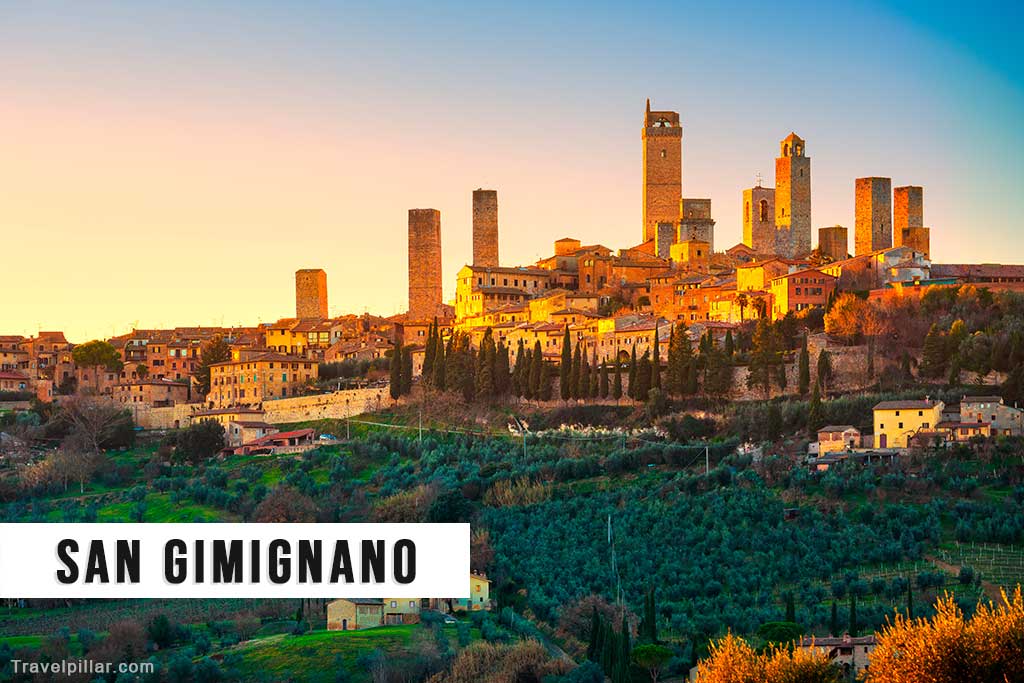
Located in the heart of Tuscany, San Gimignano is a small medieval town known for its historic charm and distinctive skyline. A UNESCO World Heritage Site since 1990, this picturesque destination offers a glimpse into the past with its well-preserved architecture and captivating atmosphere.
San Gimignano’s most striking feature is its 14 remaining towers, which once numbered 72. These tall structures were built between the 11th and 13th centuries by wealthy families, serving as both status symbols and defensive fortifications. The tallest, Torre Grossa, stands at an impressive 54 meters and offers panoramic views of the surrounding countryside.
The town’s central square, Piazza della Cisterna, is surrounded by a myriad of architectural gems. Notable among them is the Collegiate Church of Santa Maria Assunta, a prime example of Romanesque architecture. Inside, visitors can admire frescoes by prominent 14th-century artists, including Taddeo di Bartolo and Benozzo Gozzoli.
Another important site is the Palazzo Comunale, the town’s historical seat of power. Constructed in the 13th century, it houses the Civic Museum, home to an impressive collection of medieval art. Here, visitors can explore exhibits showcasing works by Filippino Lippi, Pinturicchio, and other renowned painters.
For a unique cultural experience, visit the Vernaccia di San Gimignano Wine Museum. This small museum, dedicated to the region’s signature white wine, offers an educational tour and tastings. The wine, produced exclusively in the San Gimignano region, boasts a rich history dating back to the 13th century.
Despite its modest size, San Gimignano boasts an abundance of art, history, and culture. Its cobbled streets, charming shops, and stunning vistas make it an essential stop for any Tuscany itinerary. To fully appreciate its allure, consider spending at least one night within the ancient walls, and let yourself be transported to another era.
Highlights of San Gimignano
Piazza della Cisterna
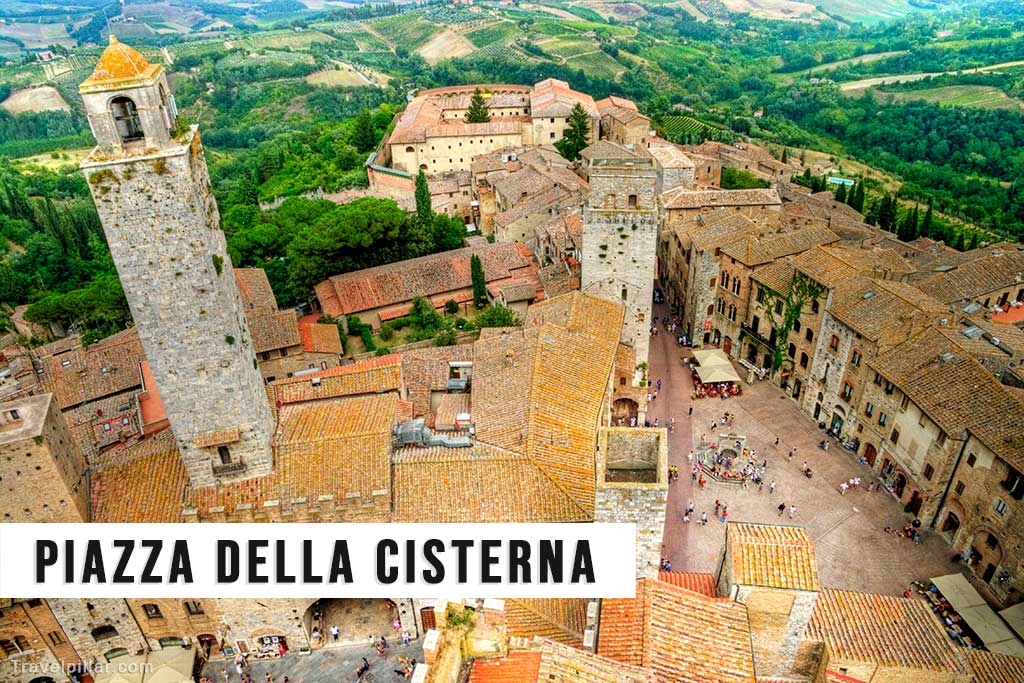
Piazza della Cisterna is a triangular medieval square named after the 13th-century cistern located at its center. Surrounded by historic buildings and several tower houses, the square served as a hub for markets and festivals. It is paved with red brick and connected to the nearby Piazza del Duomo. Notable palaces such as Palazzo Tortoli and Torre del Diavolo contribute to its architectural significance and preserved medieval character.
Google map 4.8/5
Torre Grossa & Palazzo Comunale
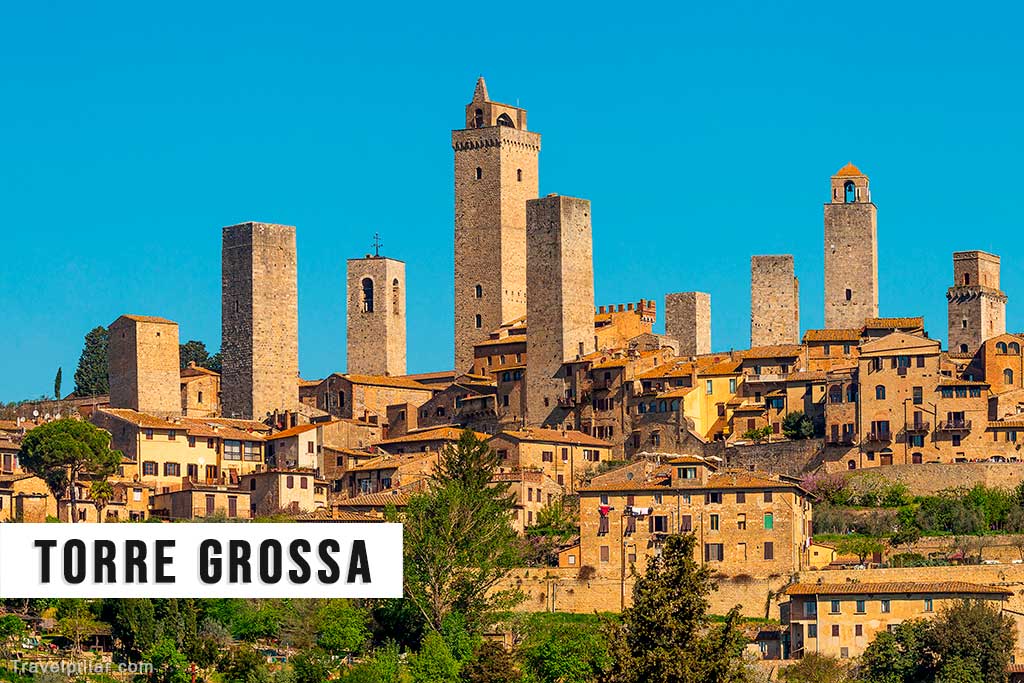
Torre Grossa, built in 1311, is the tallest tower at 54 meters and offers panoramic views from its summit. It is attached to Palazzo Comunale, the town hall, which houses the Civic Museum. The museum features works by artists such as Lippo Memmi and Filippino Lippi. The building also includes the historic council chamber, known as the Sala di Dante, named after the poet’s visit in 1300.
Google map 4.6/5
Duomo di Santa Maria Assunta
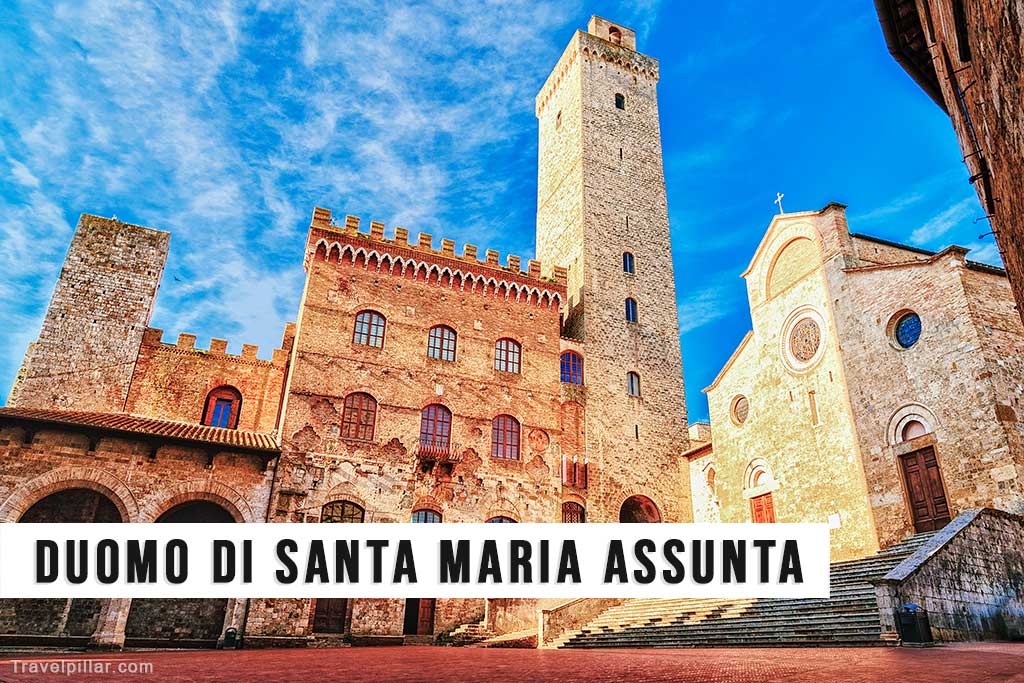
The Duomo di Santa Maria Assunta is a Romanesque collegiate church completed in the 12th century. Its interior is noted for extensive fresco cycles by artists such as Taddeo di Bartolo, Benozzo Gozzoli, and Bartolo di Fredi. Themes include the Last Judgment, Old and New Testament scenes, and martyrdoms. The church’s plain façade contrasts with its richly decorated interior, which reflects the religious and artistic developments of the late medieval period.
Google map 4.5/5
Sanctuary of Sant’Agostino
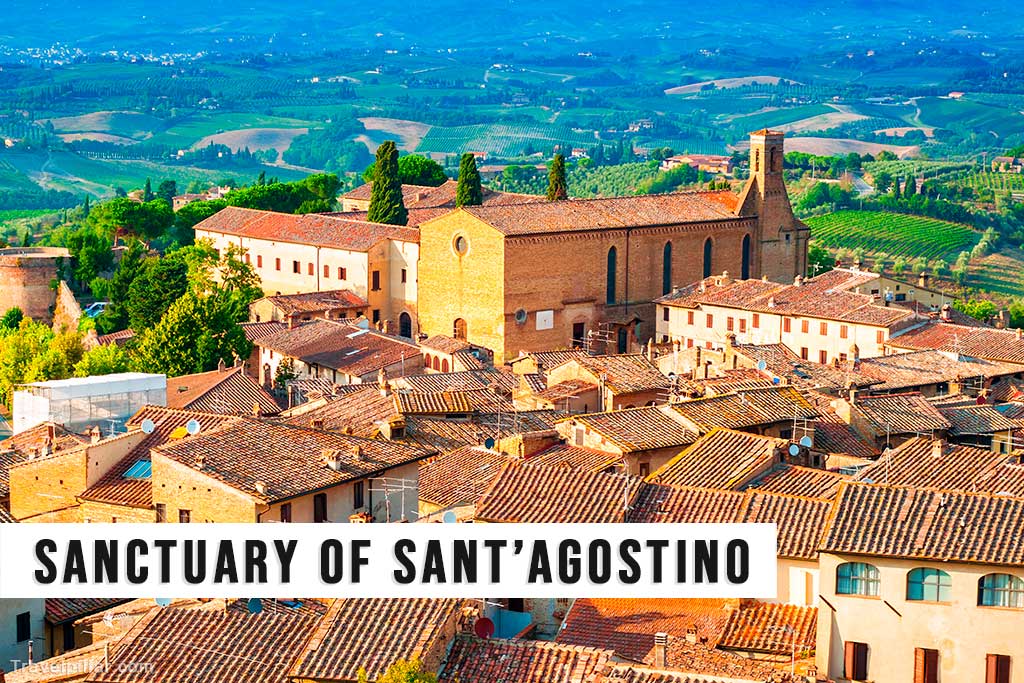
The Sanctuary of Sant’Agostino is a 13th-century church built in Romanesque-Gothic style by the Augustinian order. It contains important frescoes by Benozzo Gozzoli depicting the life of Saint Augustine, completed in the 15th century. The single-nave interior also features artworks by Piero del Pollaiuolo and a polychrome marble altar by Benedetto da Maiano. The adjoining cloister and convent buildings reflect the church’s historical religious and community functions.
Google map 4.5/5
Medieval Towers
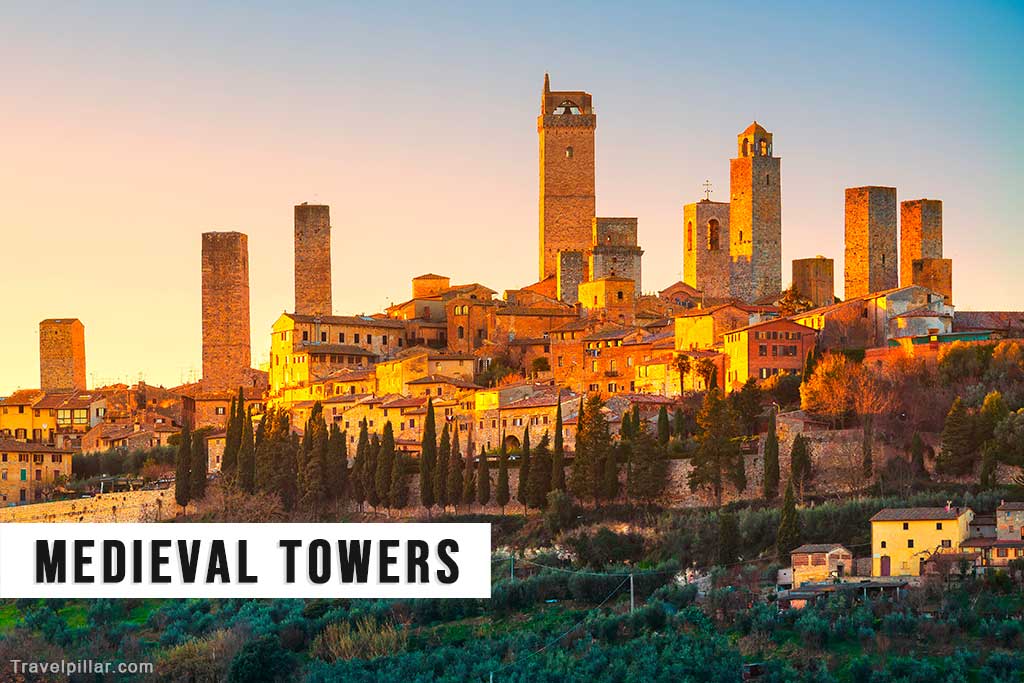
The town’s medieval towers were built by noble families between the 12th and 14th centuries as symbols of wealth and power. Originally numbering 72, only 14 remain. These stone structures, some exceeding 50 meters in height, dominate the skyline and reflect the town’s urban and social history. The towers served both residential and defensive purposes and are among the best-preserved examples of medieval tower architecture in Italy.
Google map Torre e Casa Campatelli 4.6/5
Torre dei Becci 4.7/5
Torre Grossa 4.6/5
Torre Rognosa 4.6/5
Torre Chigi 4.4/5
SanGimignano1300
SanGimignano1300 is a museum featuring a detailed ceramic model of the town as it appeared in the 14th century. Created by local artists, the exhibit reconstructs the architectural layout, including towers, churches, and streets. Informational panels and multimedia displays provide historical context about urban development, daily life, and local trade. The museum serves as an educational resource for understanding the town’s medieval structure and its significance during the period.
Google map 4.8/5
Parco della Rocca
Parco della Rocca is a public park located on the site of a 14th-century fortress, the Rocca di Montestaffoli. Although only partial ruins remain, the site offers elevated views of the surrounding countryside and town skyline. The park includes walking paths, shaded areas, and open spaces used for cultural events and temporary exhibitions. It provides a quiet setting for visitors and retains historical significance as a former military structure.
Google map 4.6/5
San Gimignano Wine and Wineries
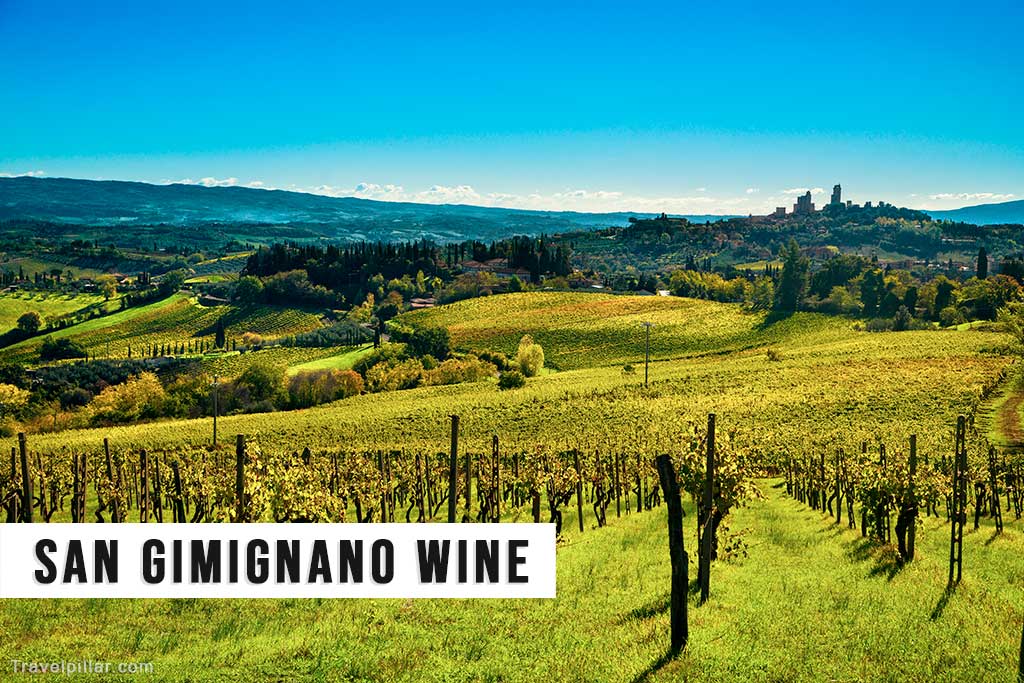
The area is known for producing Vernaccia di San Gimignano, a white wine with DOCG status. Local wineries offer vineyard tours and tastings, often featuring traditional Tuscan methods. Many estates are family-run and combine wine production with olive oil and other regional products. The surrounding hills and climate provide ideal growing conditions, contributing to the wine’s distinctive character. Wineries play a significant role in the region’s agricultural and economic landscape.
Google map Vernaccia di San Gimignano Wine Experience 4.4/5