Vittorio Emanuele II (1820-1878) was a pivotal figure in Italian history, best known as the first king of a united Italy. Born into the House of Savoy, a royal family that ruled over the region of Piedmont-Sardinia, he ascended the throne of Sardinia in 1849. His reign marked a significant era in Italian history, as it was during his rule that Italy underwent the complex process of unification.
Vittorio Emanuele II became a central figure in the Risorgimento, the 19th-century movement for Italian unification. Alongside key figures like the statesman Camillo Benso di Cavour and the revolutionary Giuseppe Garibaldi, he worked to consolidate various independent states, kingdoms, and territories into a single nation. His efforts, combined with military campaigns and strategic alliances, eventually led to the proclamation of the Kingdom of Italy in 1861, with Vittorio Emanuele II as its king.
During his rule, the kingdom expanded to include Venetia and, later, Rome, solidifying the nation’s borders. His leadership was characterized by a constitutional monarchy model, where a parliament played a significant role in governance. Despite his role in unification, Vittorio Emanuele II was not without controversy. He was often criticized for the militaristic and sometimes forceful methods used to bring various regions under a central government.
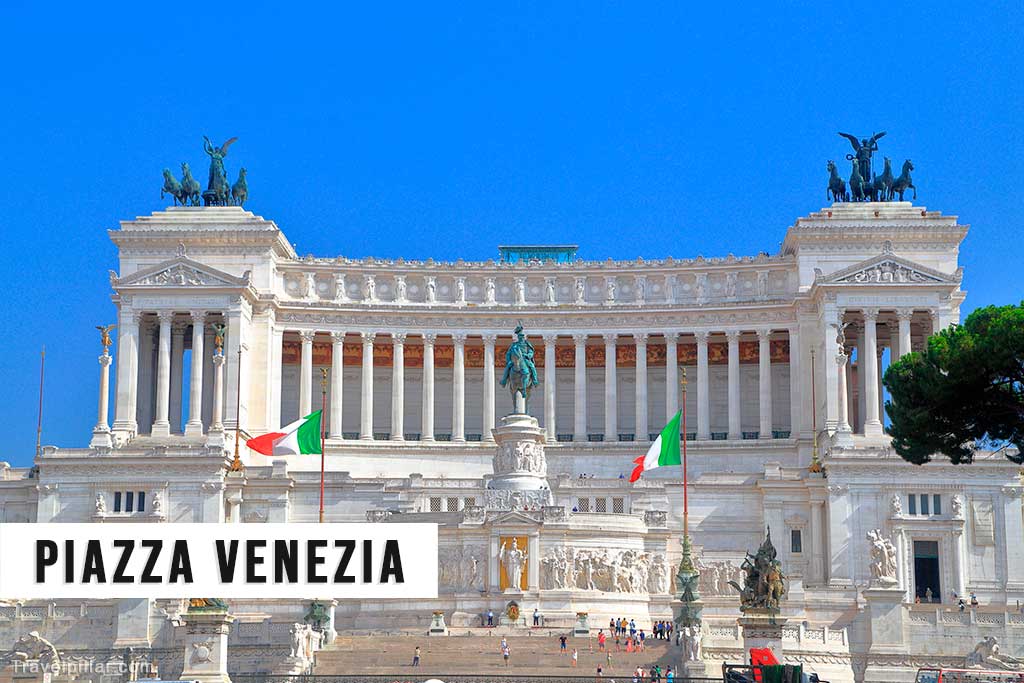
In Rome, his legacy is preserved in the imposing monument, the Altare della Patria (Altar of the Fatherland), also known as the Vittoriano, located in the Piazza Venezia. The monument was erected in his honor and remains a significant landmark. Today, Vittorio Emanuele II is remembered as the figure who helped shape modern Italy, despite the complexities and challenges of his era.
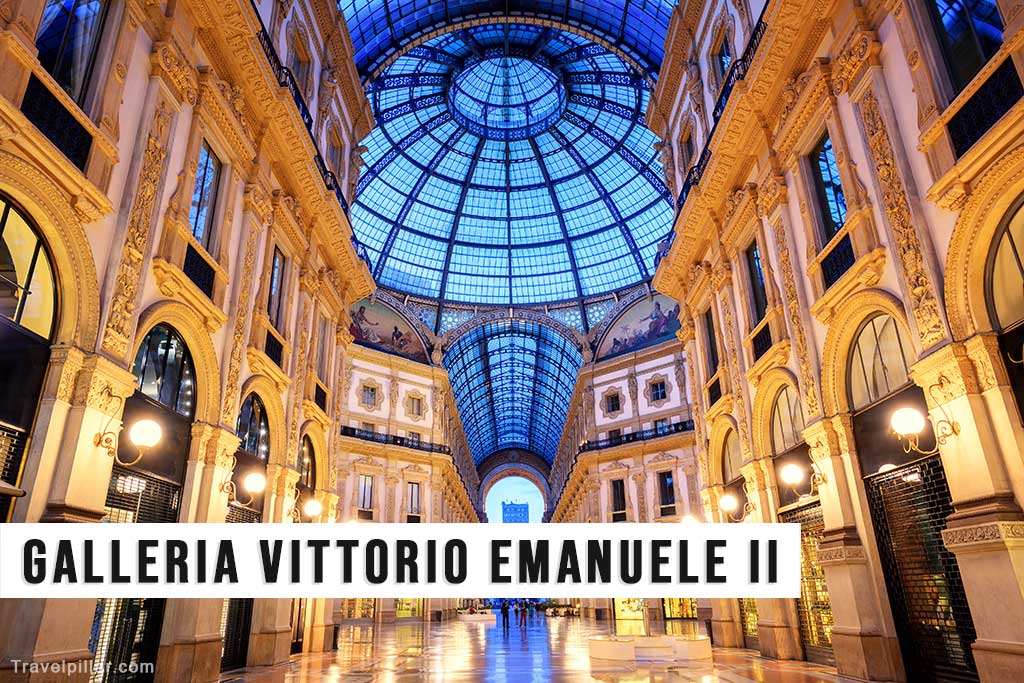
Additionally, Milan’s Galleria Vittorio Emanuele II, one of the world’s oldest shopping malls, bears his name. Built between 1865 and 1877, this architectural masterpiece features a glass-vaulted arcade and houses luxury shops, cafes, and restaurants. It stands as a tribute to Vittorio Emanuele II and reflects Italy’s rich cultural and historical heritage.