
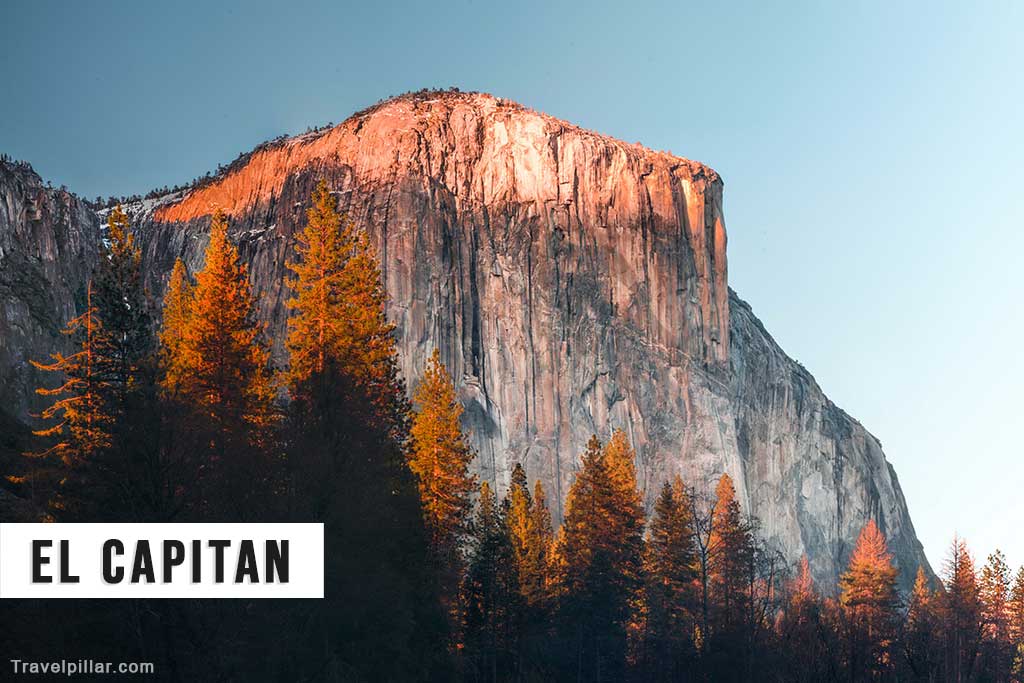
El Capitan is one of Yosemite National Park’s most prominent geological features, recognised for its massive vertical granite face that rises approximately 3,000 feet (914 metres) from the valley floor. Located on the north side of Yosemite Valley, near the western end, it is considered the largest exposed granite monolith in the world. Formed from solidified magma deep underground around 100 million years ago, El Capitan was later exposed and shaped by uplift, erosion, and extensive glacial activity during the Ice Ages.
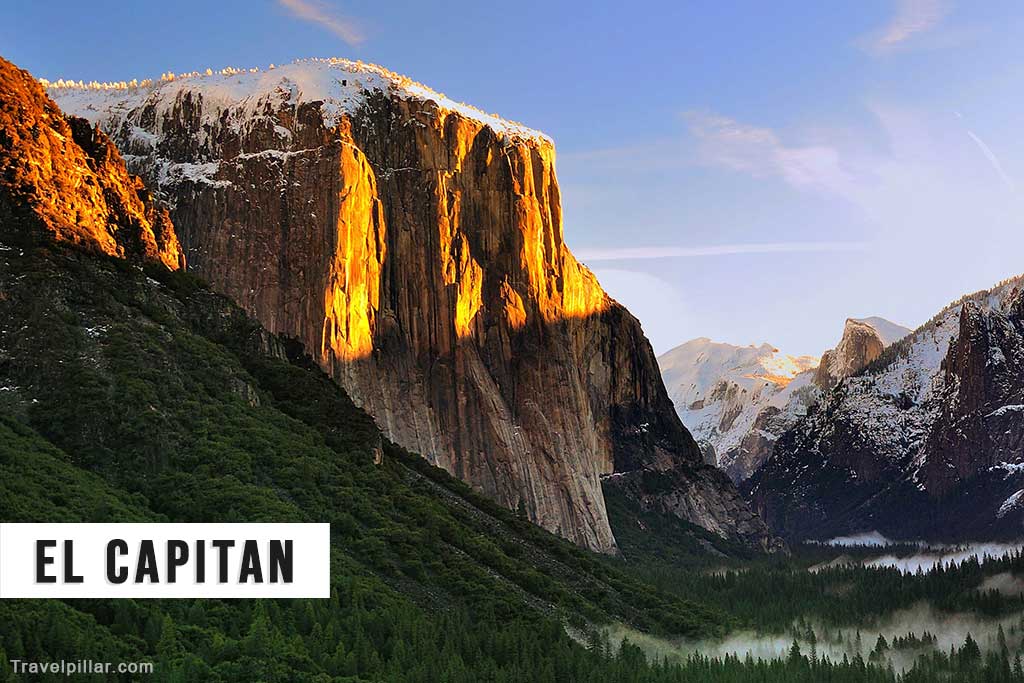
The cliff is a major destination for rock climbers, with routes that are internationally renowned for their difficulty and length. The most famous climbing route, The Nose, follows the prominent central ridge and was first ascended in 1958. Advances in climbing techniques have since reduced ascent times from multiple days to under two hours for elite climbers. Other significant routes include Salathé Wall and Freerider, the latter gaining public attention in 2017 when climber Alex Honnold completed a free solo ascent without ropes.
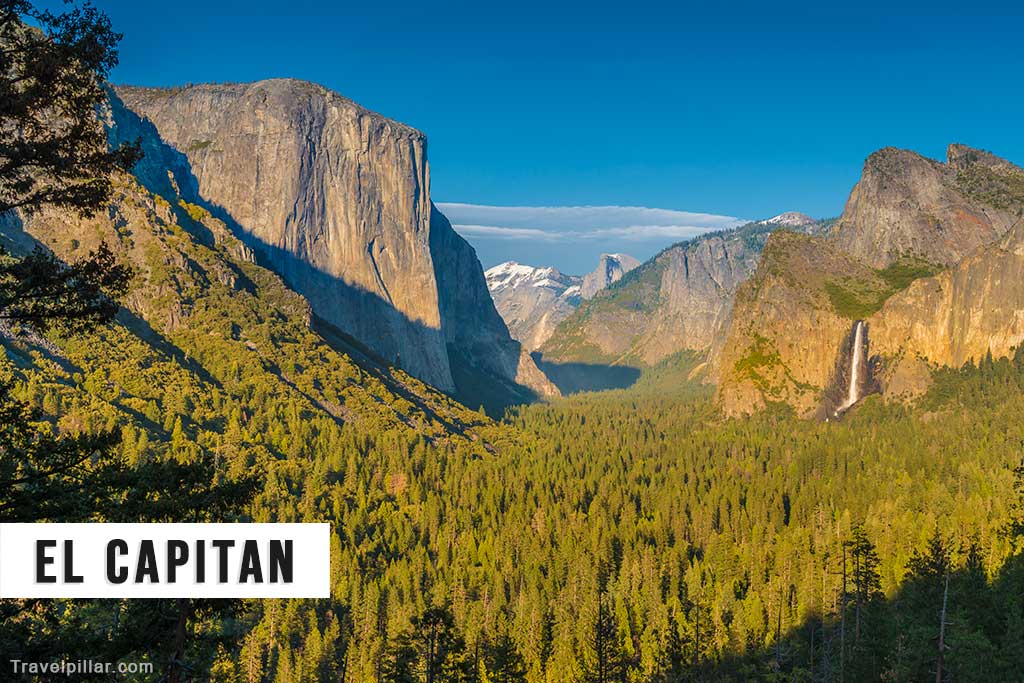
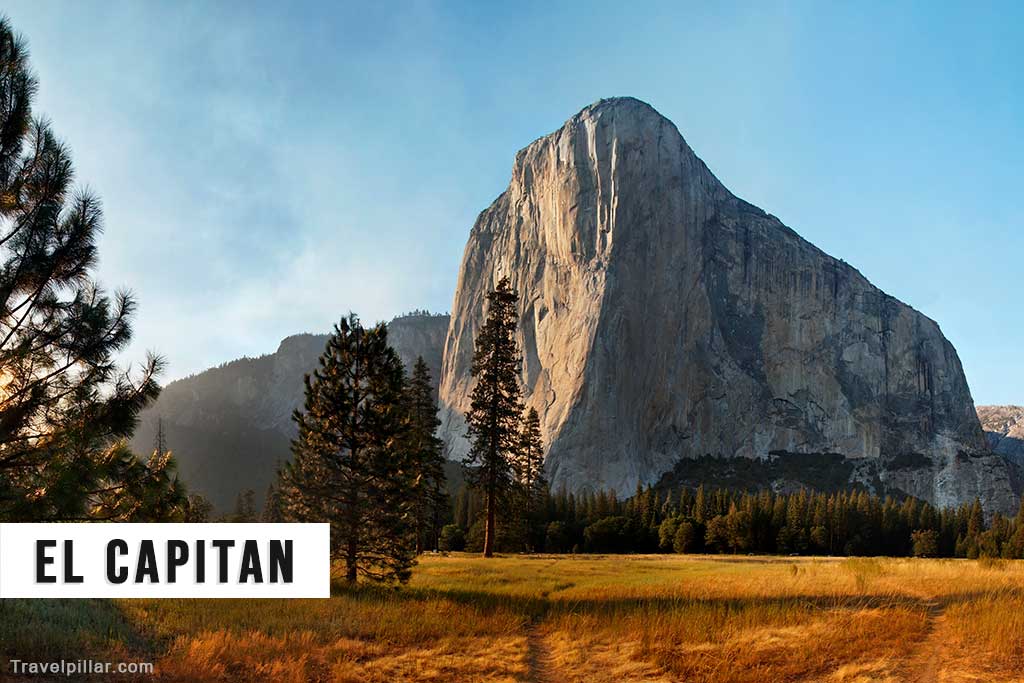
El Capitan is also a notable point of interest for non-climbers. It is visible from multiple locations in Yosemite Valley, including El Capitan Meadow, which offers one of the best vantage points for observing climbing activity. Visitors with binoculars can often see climbers on the rock face, particularly during spring and autumn when conditions are most favourable.
From an ecological perspective, the cliff’s vertical environment supports specialised plant life, including drought-tolerant species growing in cracks and ledges. Peregrine falcons also nest on the sheer walls, and seasonal climbing restrictions are sometimes in place to protect these birds during breeding periods.
The formation’s name, meaning “The Captain” in Spanish, was likely given by members of the Mariposa Battalion in the mid-19th century. In Ahwahneechee tradition, it is associated with various legends connected to the valley’s creation and early inhabitants.
Today, El Capitan stands as both a natural landmark and a cultural symbol of Yosemite, representing the park’s combination of geological grandeur and human endeavour. Its scale, visibility, and historical significance make it one of the most recognised and visited features in the park, appealing to climbers, photographers, and general visitors alike.
Google map 4.8/5