
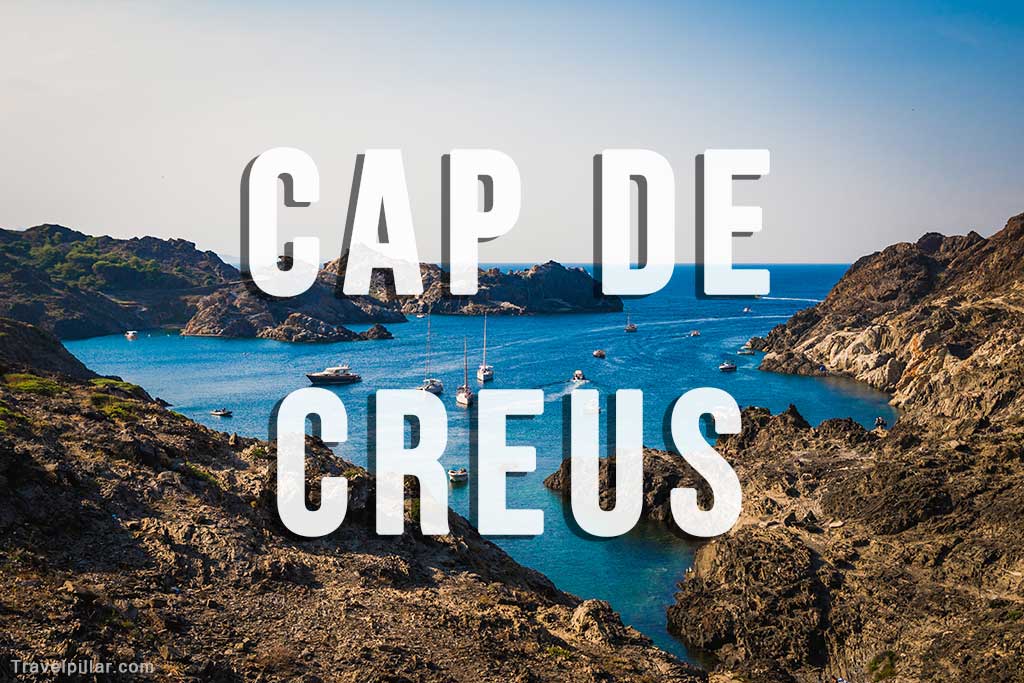
Cap de Creus Natural Park, located on the Costa Brava at the easternmost point of Spain’s Iberian Peninsula, protects a landscape of rocky headlands, hidden coves, and wind-shaped formations. Declared a protected area in 1998, it combines terrestrial and marine zones across 14,000 hectares.
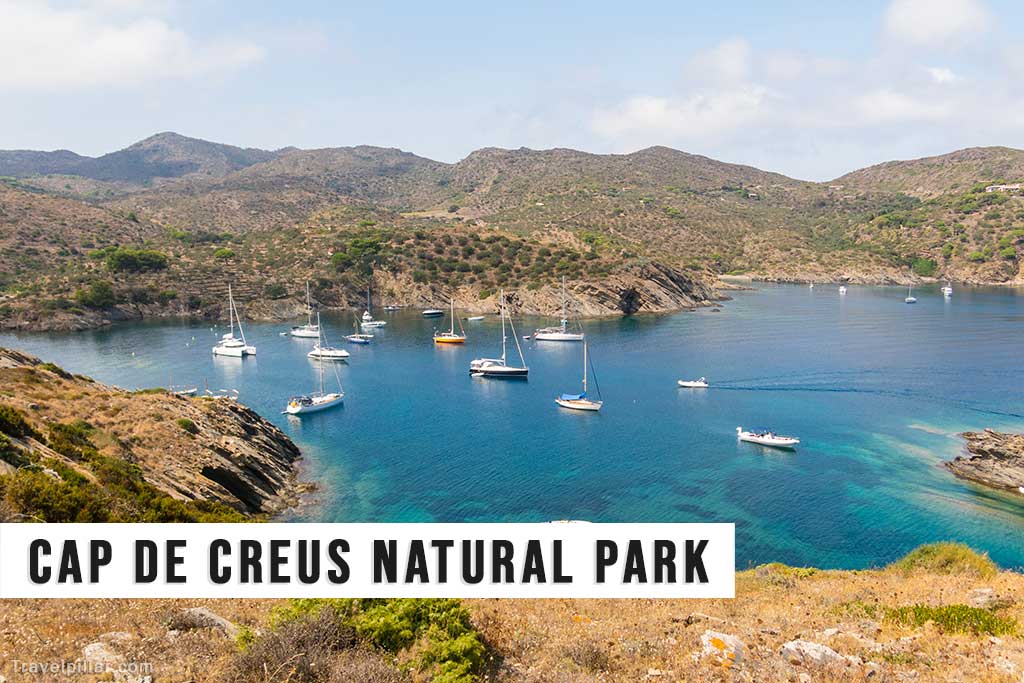
The park is recognised for its distinctive geology, biodiversity, and cultural associations. Strong winds and erosion have created unusual rock formations, while marine ecosystems support diverse species. Artists, including Salvador Dalí, drew inspiration from its landscapes.
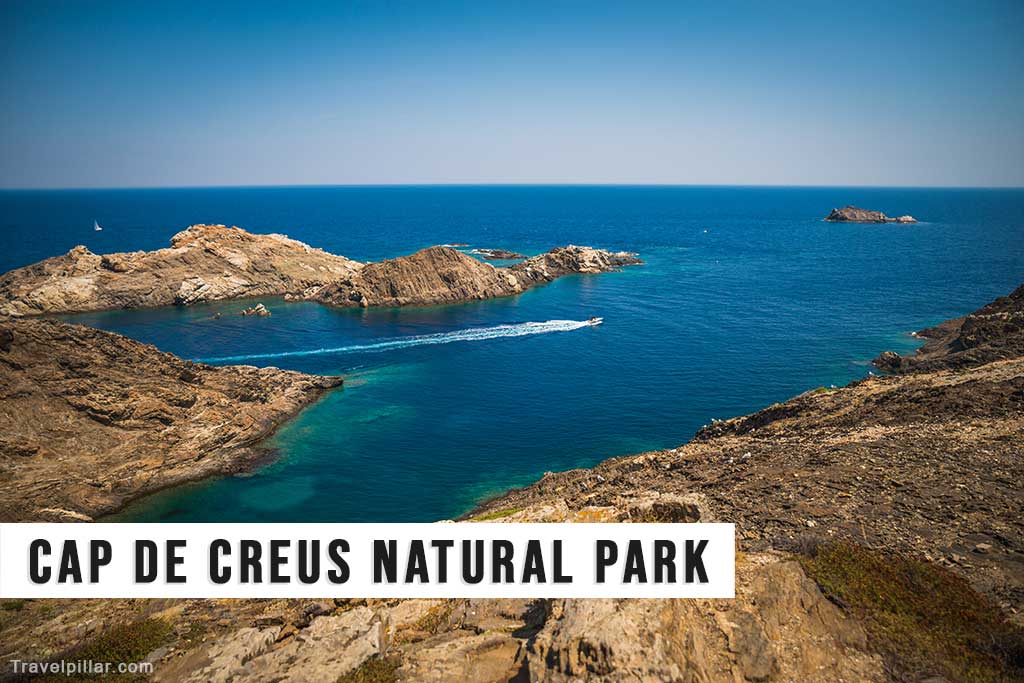
Visitors encounter walking routes, lighthouses, and archaeological remains, alongside small fishing settlements. The park illustrates the coexistence of natural heritage, traditional livelihoods, and modern tourism within the Costa Brava.
Official website: https://parcsnaturals.gencat.cat/es/ (only in Spanish)
The Best Things to Do in Cap de Creus National Park
Cap de Creus Lighthouse
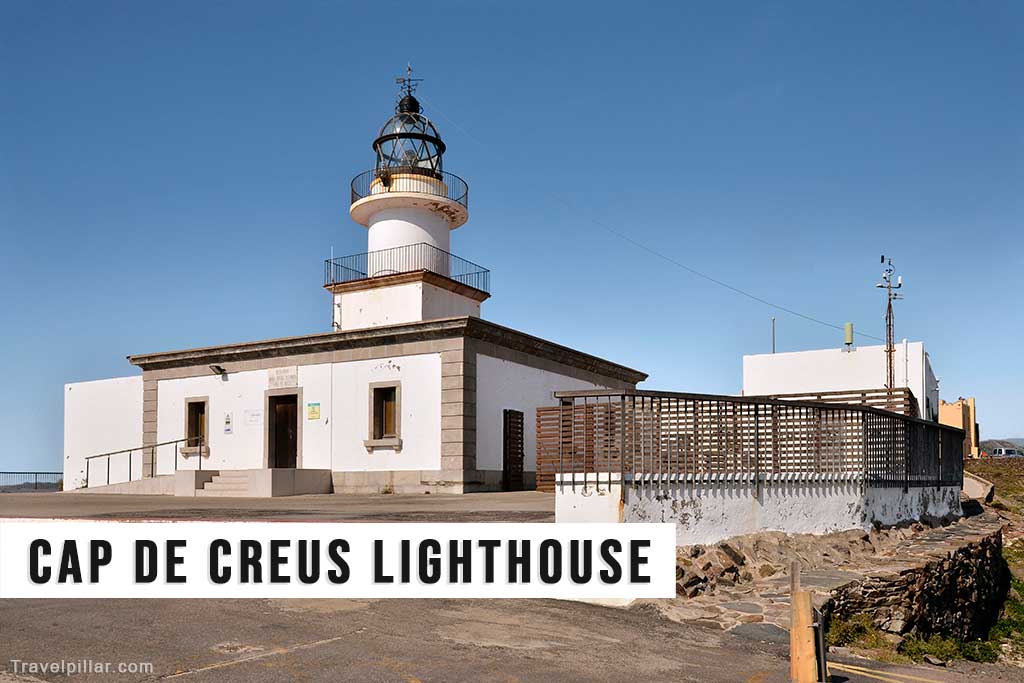
Situated at the tip of the peninsula, the lighthouse was built in 1853. It remains an active navigational point and houses a visitor centre and café. The site provides panoramic views over cliffs and sea, illustrating the maritime role of Cap de Creus. It is one of the park’s most visited landmarks.
Google map 4.7/5
Paratge de Tudela

This area is known for distinctive rock formations sculpted by wind and erosion. Shapes resembling animals and figures inspired Dalí and other artists. Walking routes allow access to these formations, which are protected for their geological interest. Paratge de Tudela highlights the artistic and natural significance of the park.
Google map 4.7/5
Cala Culip
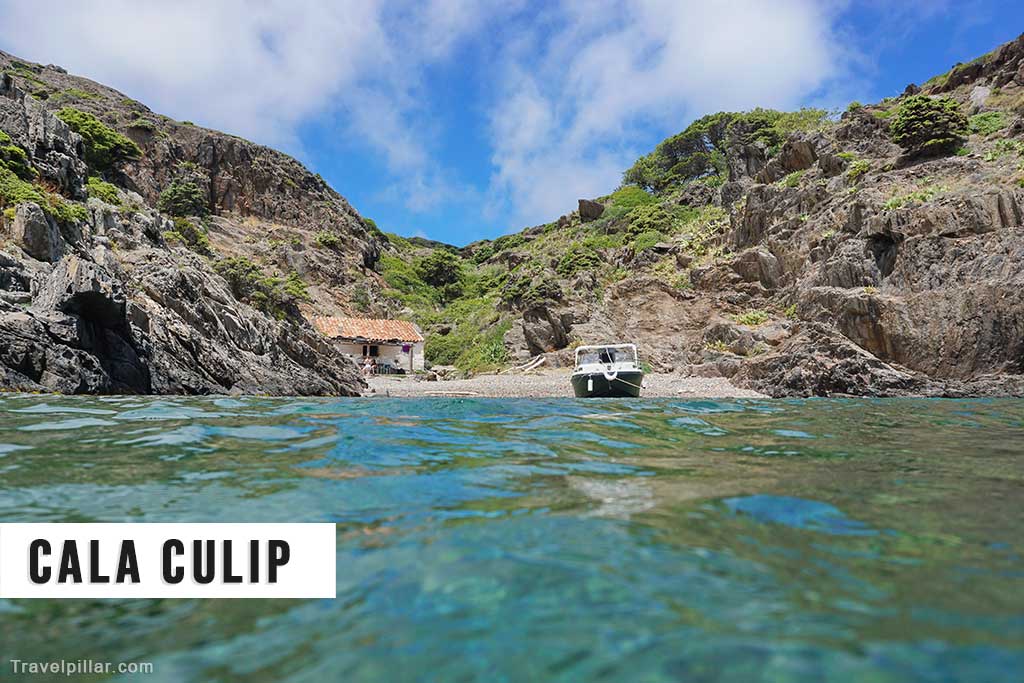
Cala Culip is a small cove once used as a shelter for fishing and trading ships. Remains of ancient shipwrecks have been found offshore. Today the cove is popular for diving and swimming, with clear waters and surrounding cliffs. It illustrates the maritime history and biodiversity of Cap de Creus.
Cala Montjoi
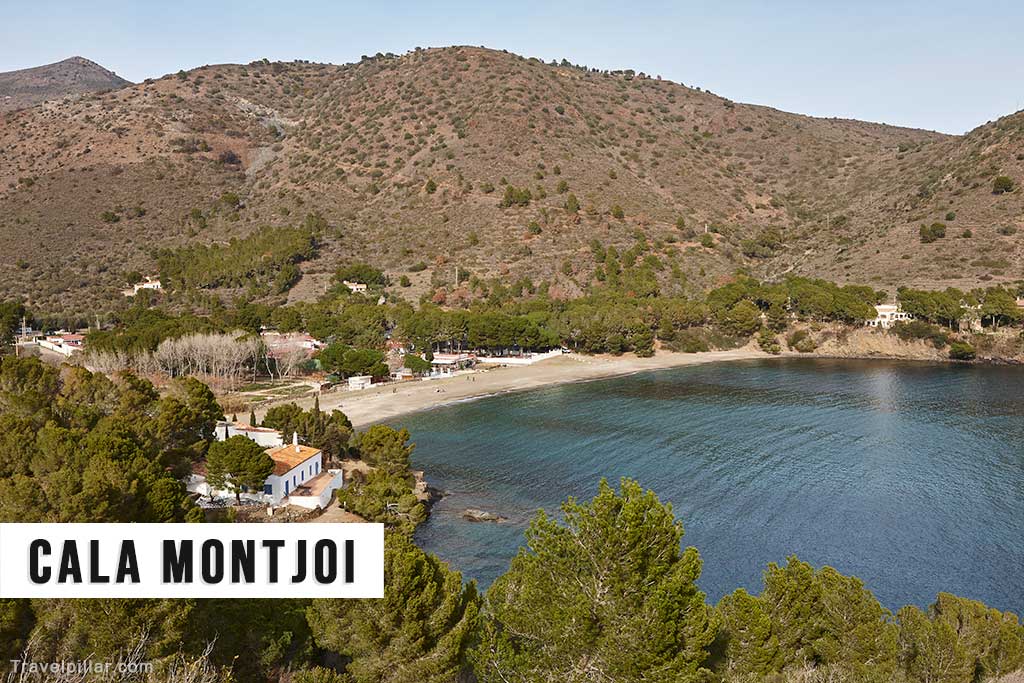
Located on the southern edge of the park, Cala Montjoi is a wide bay known as the site of El Bulli, the former restaurant of chef Ferran Adrià. The beach offers calm waters and access to surrounding walking trails. Cala Montjoi reflects both the cultural and culinary associations of the Costa Brava.
Google map beach
Sant Pere de Rodes Monastery
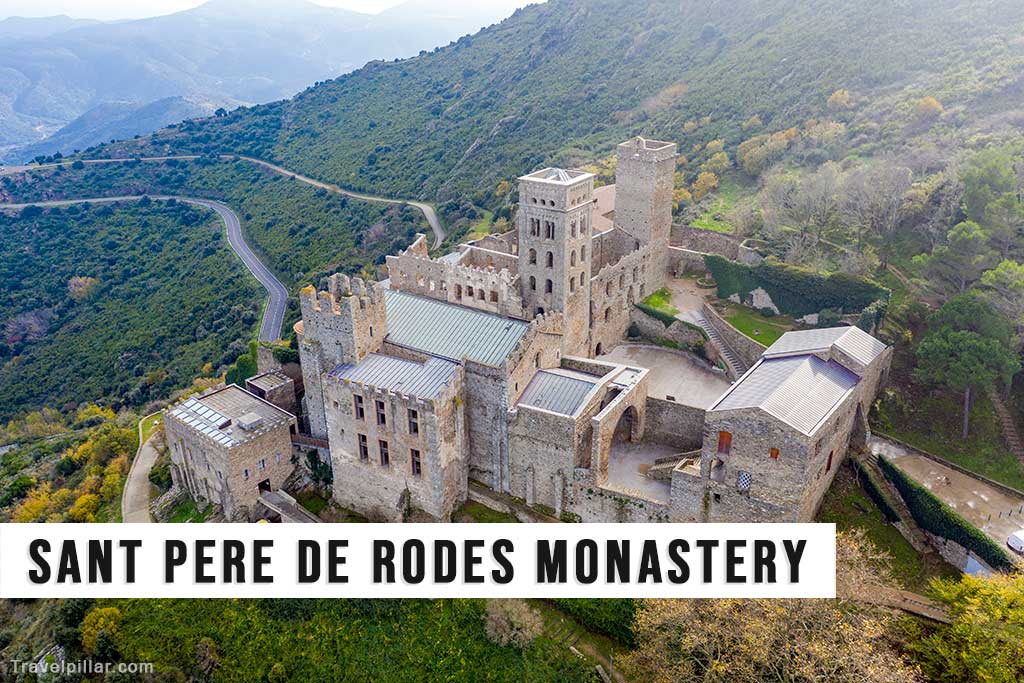
Though just outside the park’s boundaries, this Benedictine monastery is often included in visits to Cap de Creus. Dating from the 10th century, it preserves Romanesque architecture on a hillside overlooking the sea. The monastery reflects the spiritual and political influence once exercised in the region.
Official website: https://patrimoni.gencat.cat/en/
Google map 4.6/5
Cala Jóncols
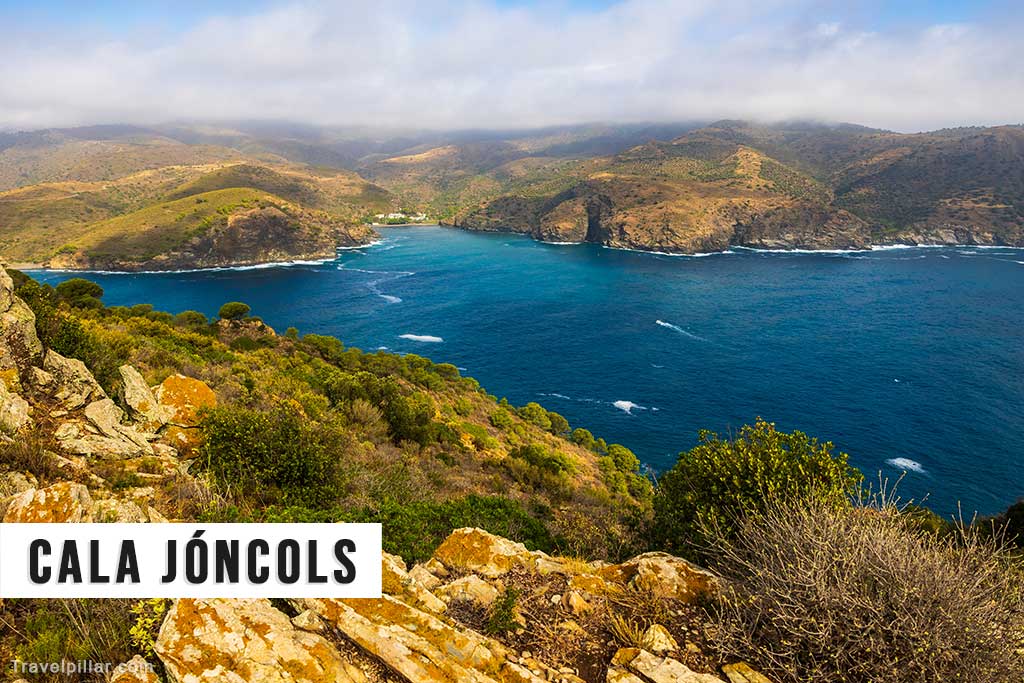
Cala Jóncols is a remote cove accessible by road or boat. Its clear waters make it suitable for diving, while surrounding cliffs and pine forests frame the bay. Limited development preserves its natural setting. The cove illustrates the wild coastal character of Cap de Creus.
Walking Routes
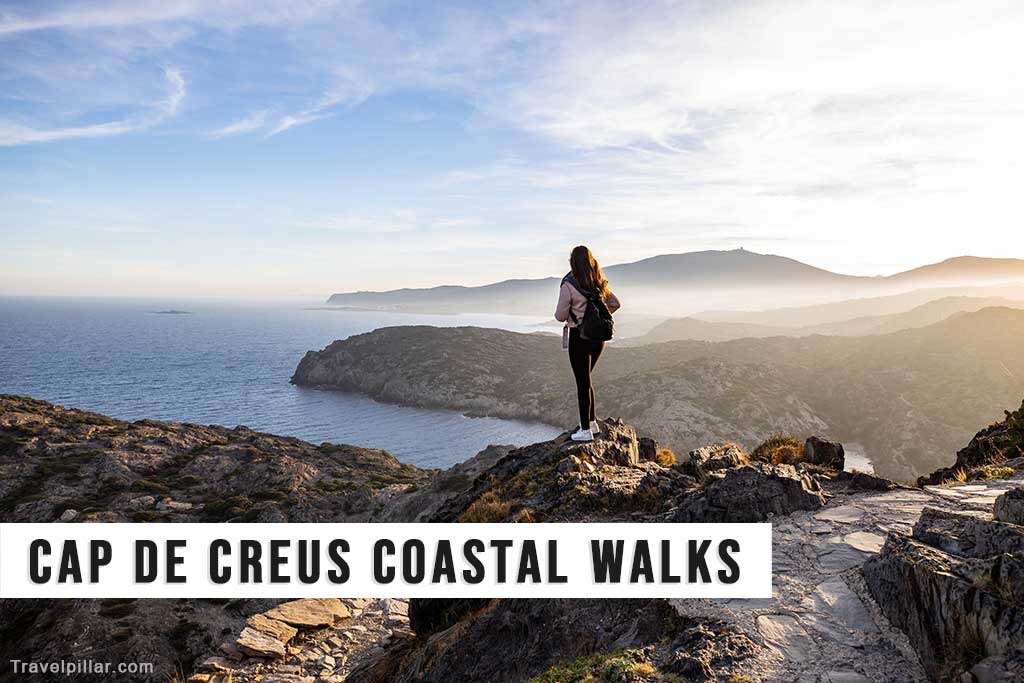
Cap de Creus contains numerous marked trails, ranging from short walks to full-day hikes. Paths lead to lighthouses, coves, and hilltop viewpoints. They provide access to both the rugged coastline and inland scrubland. The network illustrates how the park balances conservation with recreational use.
Google map
Cadaqués
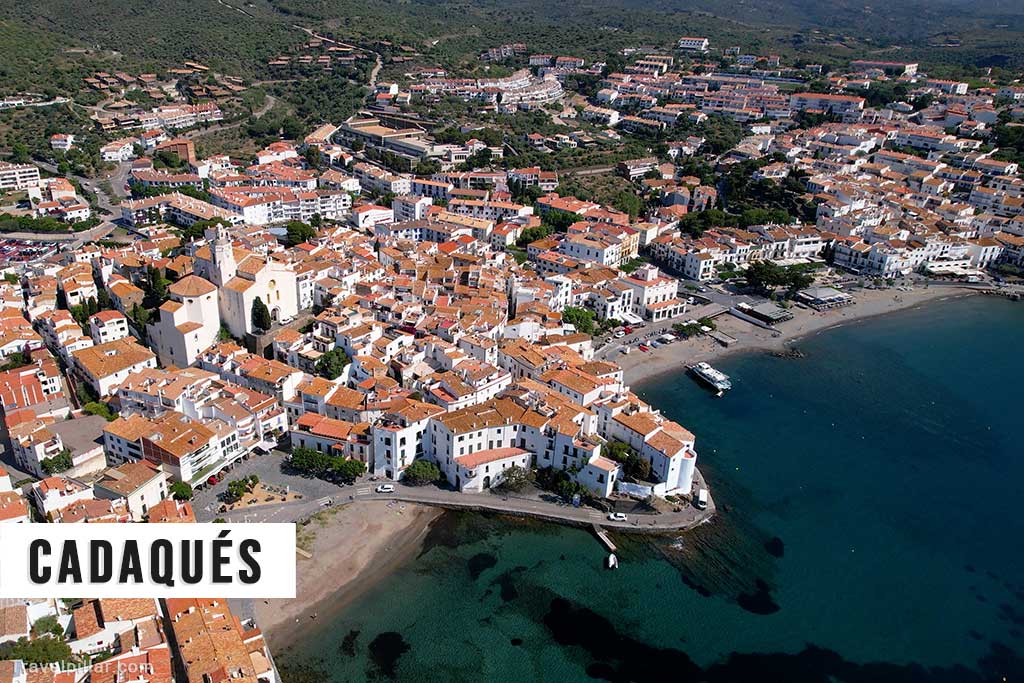
Located on the park’s edge, Cadaqués is a fishing village known for its whitewashed houses and connection to Dalí. Its narrow alleys and seaside church illustrate traditional coastal settlement. The town provides a cultural complement to the park’s natural attractions.
Portlligat
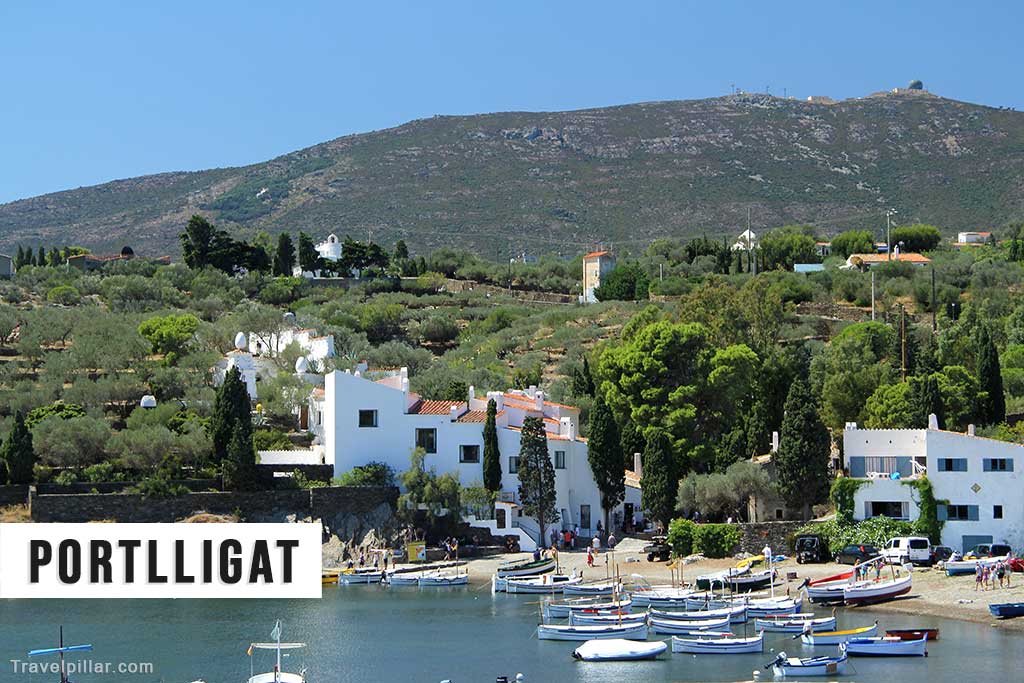
This small cove beside Cadaqués is where Dalí lived and worked. His house is now a museum, preserving his studios and eccentric interiors. The site connects the surrealist artist directly to the Cap de Creus landscape, underlining the link between cultural heritage and natural environment.
Cala Guillola
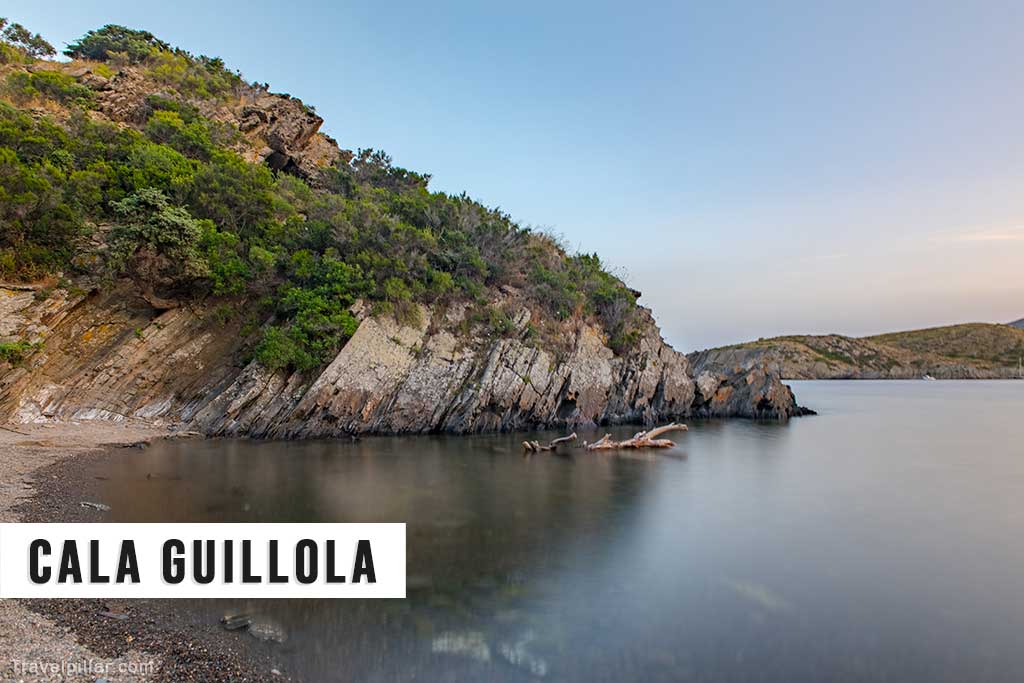
Cala Guillola lies within a sheltered bay of the park. It is suitable for anchoring boats and is popular for kayaking and swimming. Surrounded by forested slopes, it retains a quiet atmosphere. The cove illustrates the mixture of marine and terrestrial environments characteristic of Cap de Creus.
Google map 4.5/5