

Greece is a country located in southeastern Europe, known for its ancient history, stunning beaches, and beautiful islands. Visitors can explore iconic landmarks like the Acropolis in Athens and the ancient ruins of Delphi, or soak up the sun on the sandy beaches of Santorini and Mykonos. With a rich culinary tradition and a vibrant nightlife scene, Greece offers a range of experiences for travelers. From the rugged mountains of Crete to the picturesque villages of the Peloponnese, Greece is a destination that is steeped in history and culture, and a must-visit for any traveler.
Official tourism website: https://www.visitgreece.gr
Google map of Greece
The Best Places to Visit in Greece
#1 Greek Islands

The Greek Islands are a collection of over 6,000 islands and islets, located in the Aegean and Ionian Seas. Known for their picturesque beaches, crystal clear waters, and stunning sunsets, the Greek Islands offer a range of experiences for visitors. From the party atmosphere of Mykonos to the laid-back charm of Santorini, each island has its own unique character and appeal.
Official tourism website: https://www.visitgreece.gr
#2 Athens

Athens is the capital city of Greece and a hub for history, culture, and art. Home to iconic landmarks like the Acropolis, the Parthenon, and the Ancient Agora, Athens is a must-visit destination for history buffs. The city also boasts a range of world-class museums and galleries, as well as a vibrant culinary scene and a lively nightlife.
Official tourism website: https://www.visitgreece.gr
#3 Meteora
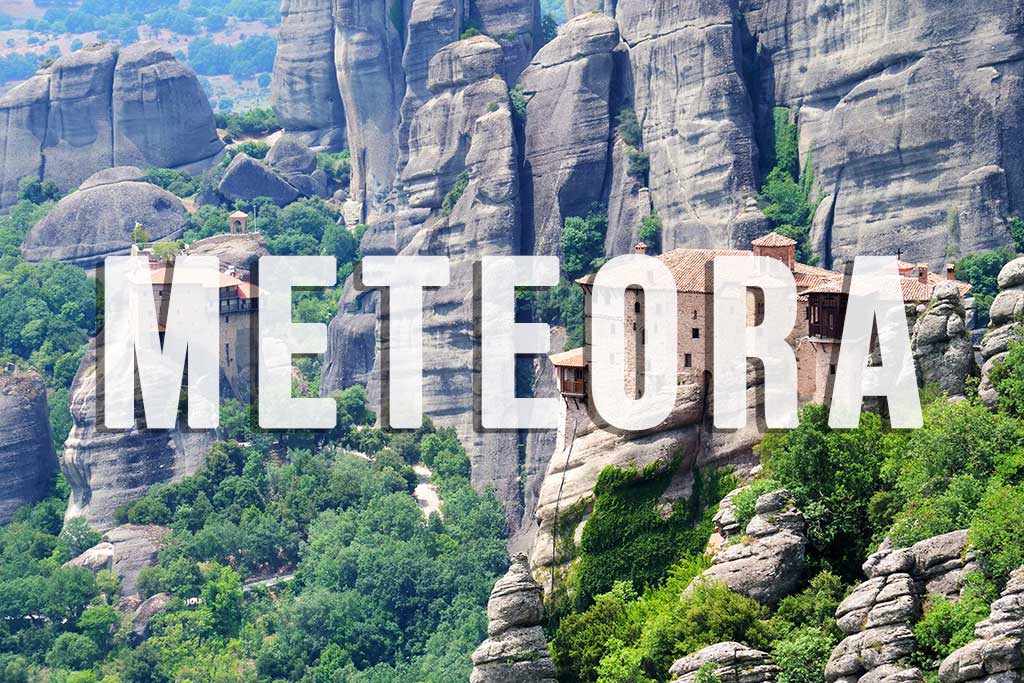
Meteora is a group of Eastern Orthodox monasteries built atop towering rock pillars in central Greece. Established mainly during the 14th and 15th centuries, the monasteries served as centres of monastic life and refuge during periods of instability. The site is notable for its combination of geological formations and religious architecture, illustrating how spiritual communities adapted to extreme natural landscapes.
Official tourism website: https://www.visitgreece.gr
Google map 4.9/5
#4 Peloponnese
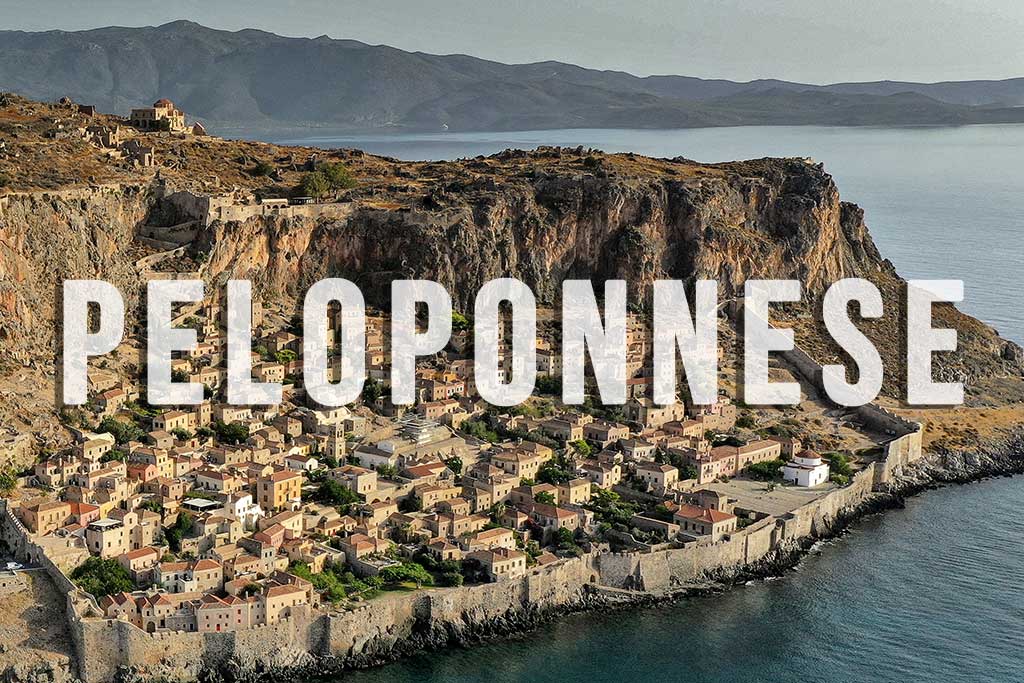
Peloponnese is a large peninsula in southern Greece, connected to the mainland by the Isthmus of Corinth. It contains some of the country’s most important archaeological sites, including Mycenae, Epidaurus, and Olympia. Historically central to ancient, Byzantine, and medieval Greece, the region combines mountainous interiors, fertile plains, and long coastlines, reflecting a wide range of cultural, political, and economic developments across several millennia.
Official tourism website: https://www.visitgreece.gr
#5 Delphi
Delphi is an ancient sanctuary in central Greece, located on the slopes of Mount Parnassus. In antiquity it was home to the Oracle of Apollo and considered the symbolic centre of the Greek world. The site includes the Temple of Apollo, theatre, stadium, and treasuries, offering insight into Greek religion, politics, and pan-Hellenic identity. Its setting and monuments illustrate centuries of ritual practice and interstate competition among Greek city-states nationwide.
Google map Temple of Apollo 4.8/5
#6 Mount Olympus
Mount Olympus is Greece’s highest mountain, rising on the border of Thessaly and Macedonia. In antiquity it was regarded as the mythical home of the Olympian gods. Today it is a national park with varied ecosystems, marked trails, and archaeological remains. The massif combines mythology, geography, and biodiversity, offering insight into ancient belief systems alongside significant natural and scientific value. Its peaks include Mytikas, attracting climbers and researchers studying environments.
Google map 4.7/5
#7 Halkidiki
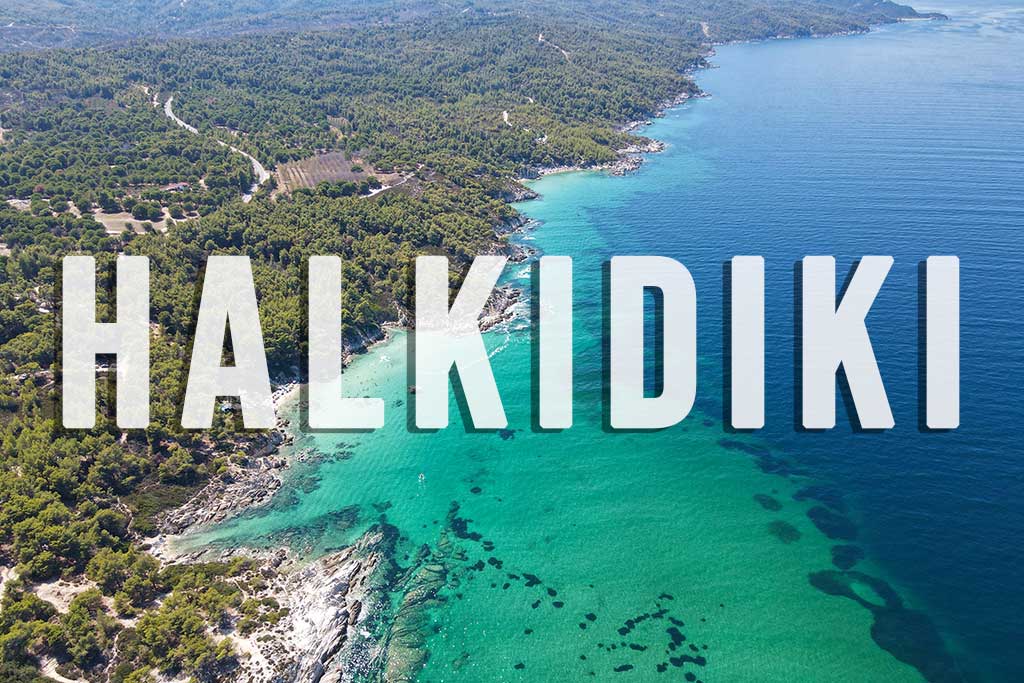
Halkidiki is a three-pronged peninsula in northern Greece, extending into the Aegean Sea southeast of Thessaloniki. Known for its varied coastline, beaches, and forested interior, the region also includes significant archaeological sites and monastic territory. Halkidiki combines tourism, agriculture, and religious heritage, with settlements ranging from modern resorts to traditional villages, reflecting long-term human activity shaped by geography and access to maritime routes.
Official tourism website: https://www.visitgreece.gr
#8 Zagori
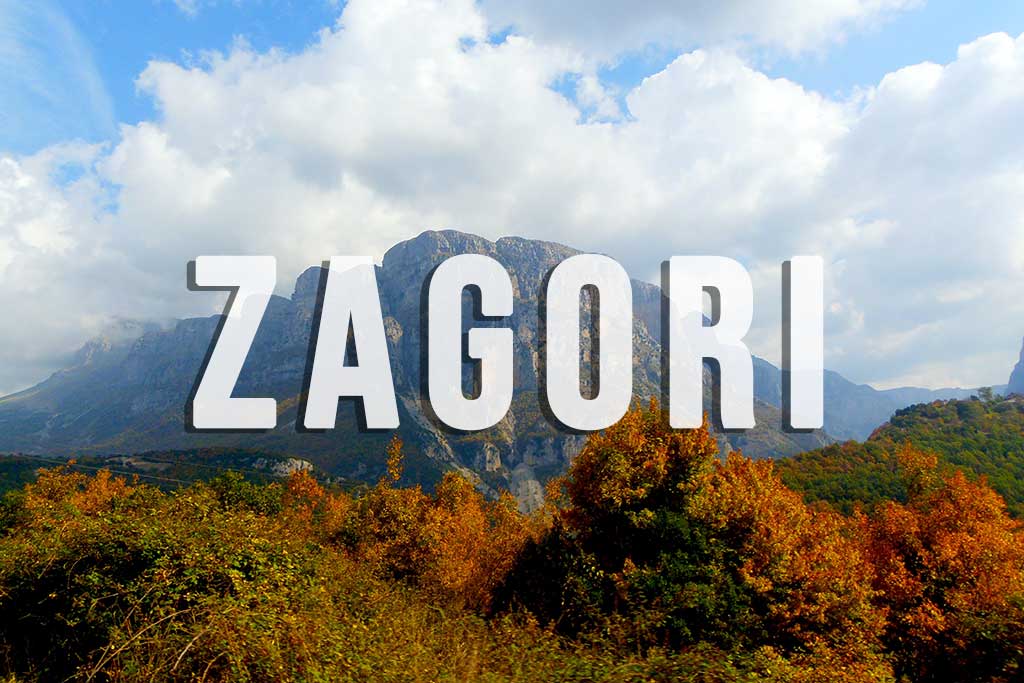
Zagori is a mountainous region in Epirus, northwestern Greece, known for its traditional stone villages and dramatic natural landscapes. The area includes the Vikos Gorge, one of the deepest gorges in the world. Historically isolated, Zagori developed a distinct architectural and cultural identity. Today it is valued for hiking routes, preserved settlements, and its relationship between human habitation and rugged terrain.
Official tourism website: https://www.visitgreece.gr
#9 Ancient Olympia
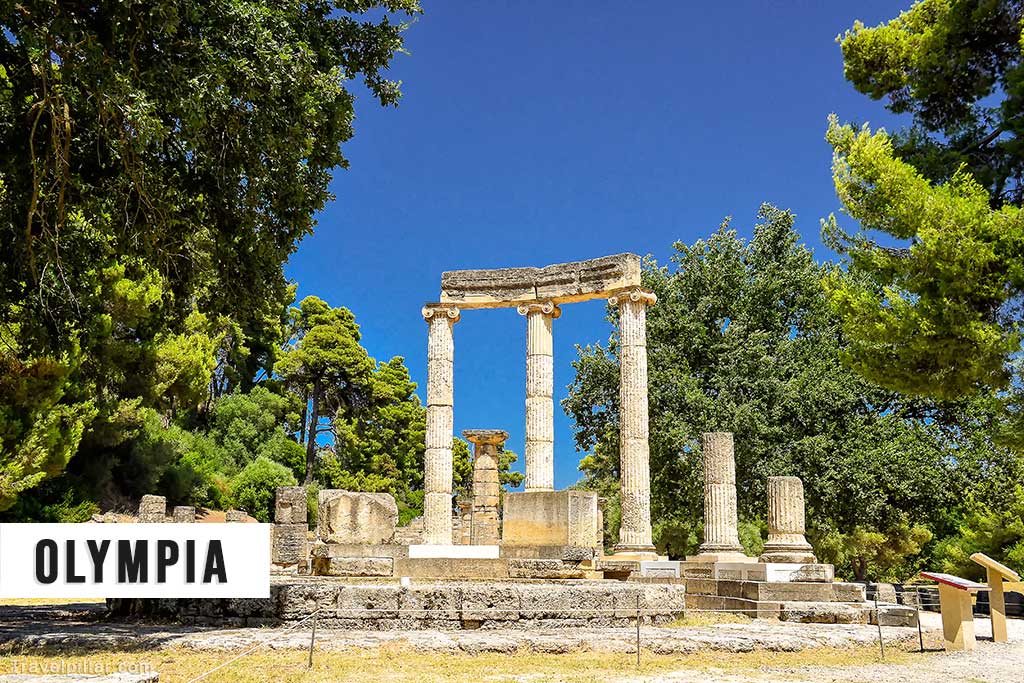
Ancient Olympia is an archaeological sanctuary in the western Peloponnese, best known as the birthplace of the ancient Olympic Games. Dedicated primarily to Zeus, the site includes temples, athletic facilities, and public buildings associated with religious festivals and competition. The Olympic Games, held every four years, brought together athletes from across the Greek world and played a significant role in promoting shared cultural identity and interstate interaction.
Google map 4.7/5
#10 Thessaloniki
Thessaloniki is Greece’s second-largest city and a major urban centre in northern Greece. Founded in the 4th century BC, it has served as an important hub during Hellenistic, Roman, Byzantine, and Ottoman periods. The city contains extensive archaeological remains, early Christian monuments, and Byzantine walls. Its long waterfront and dense historic core reflect its continuous role as a commercial, cultural, and administrative centre.