
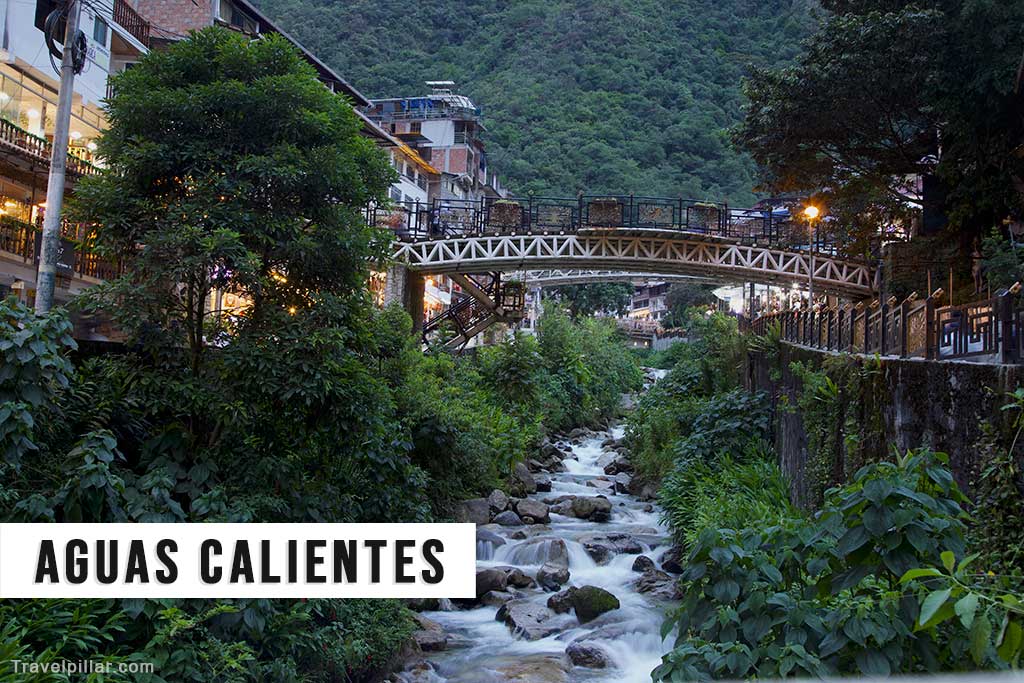
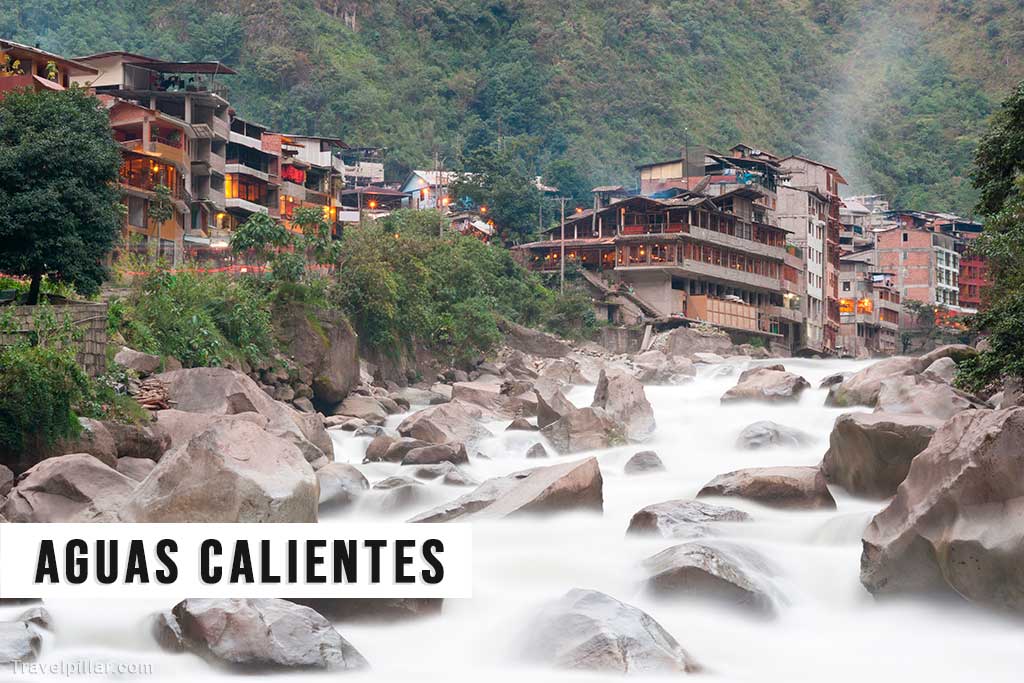
Aguas Calientes, officially named Machu Picchu Pueblo, is the small town located at the base of the mountain on which Machu Picchu stands. Situated in a narrow valley along the Urubamba River, it functions primarily as the main access point to the Inca citadel. The town lies at approximately 2,040 metres above sea level, lower than Cusco but within a subtropical cloud forest environment.
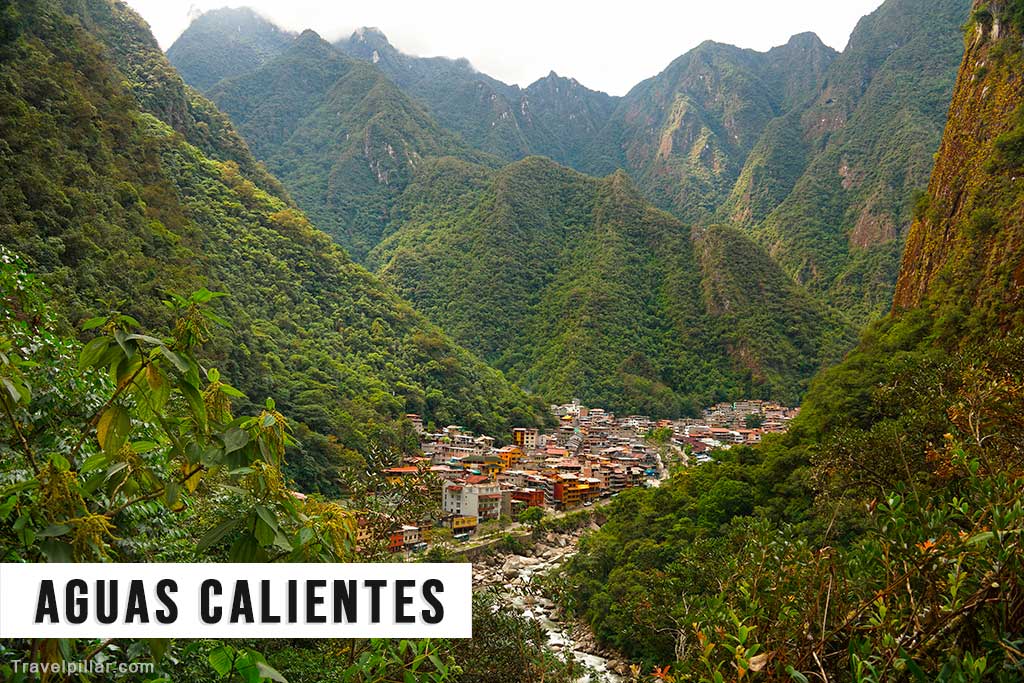
There is no direct road connection from Cusco to Aguas Calientes. Most visitors arrive by train from Ollantaytambo, following the river through steep-sided valleys. Trekking routes such as the Inca Trail also terminate near the town. From Aguas Calientes, buses ascend a series of switchbacks to the entrance of Machu Picchu, although a walking path is also available.
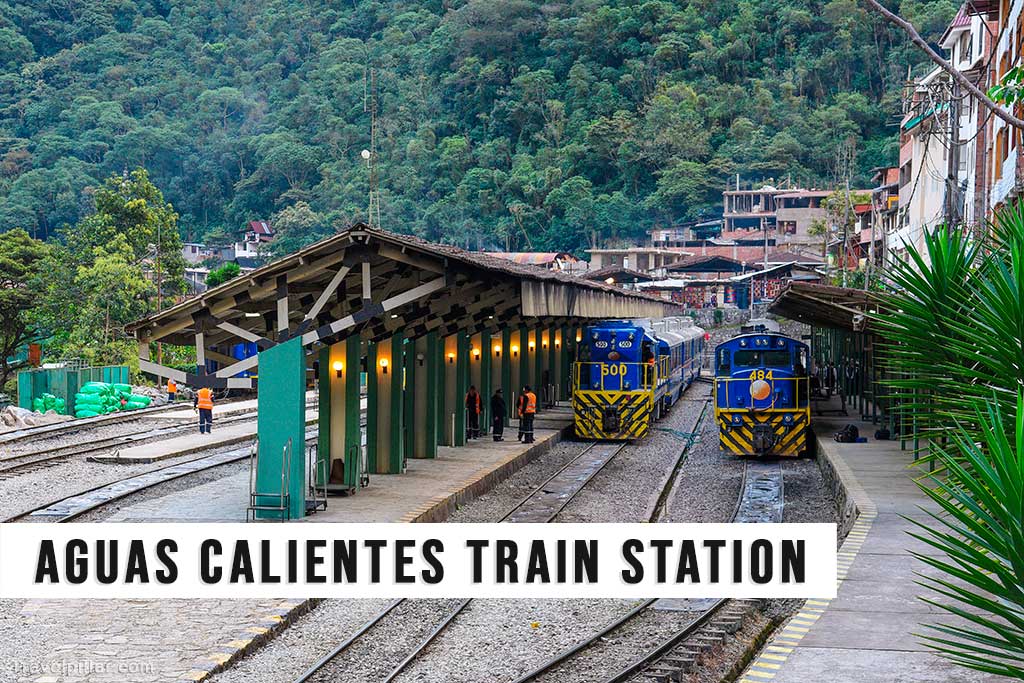
The town’s layout is compact, with pedestrian streets concentrated near the railway station and river. Accommodation ranges from basic hostels to mid-range hotels, reflecting its role as a transit base rather than a long-stay destination. Restaurants, souvenir shops and tour agencies occupy much of the central area. Prices are typically higher than in other parts of the Sacred Valley due to the town’s limited access and high visitor demand.
Aguas Calientes takes its name from nearby thermal springs. The hot baths are located uphill from the town centre and consist of a series of open-air pools fed by naturally heated mineral water. While the facilities are modest, they provide a structured activity for visitors staying overnight.
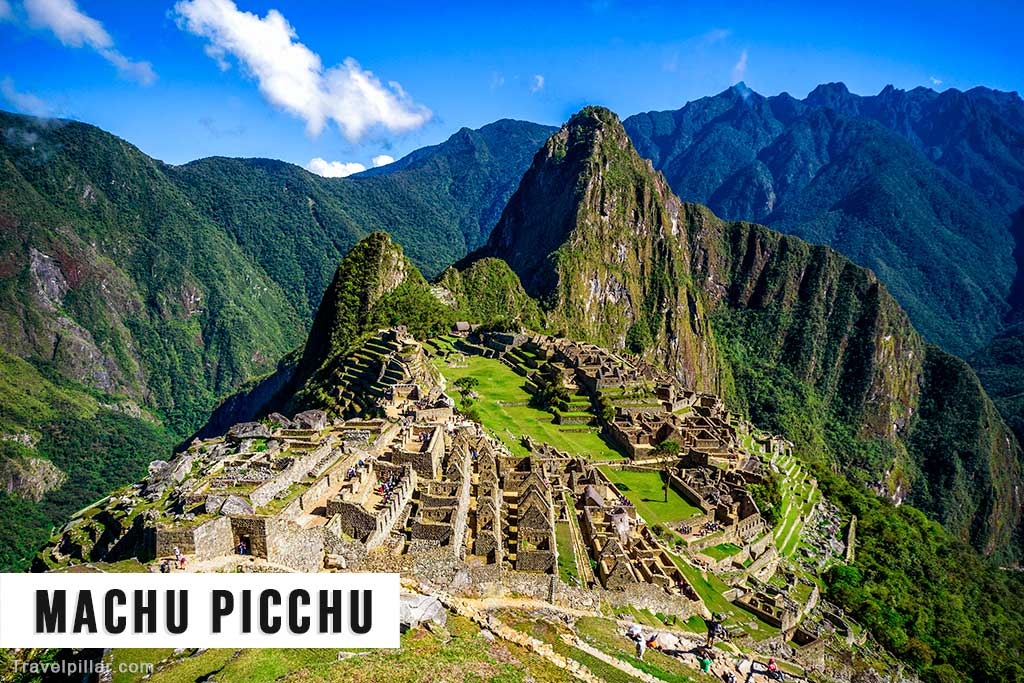
Surrounding the town are steep forested slopes that form part of the Machu Picchu Historic Sanctuary. Short walking routes lead to viewpoints, waterfalls and the Mandor Gardens botanical area. The climate is humid compared to the high Andean plateau, with frequent rainfall, particularly between November and March.
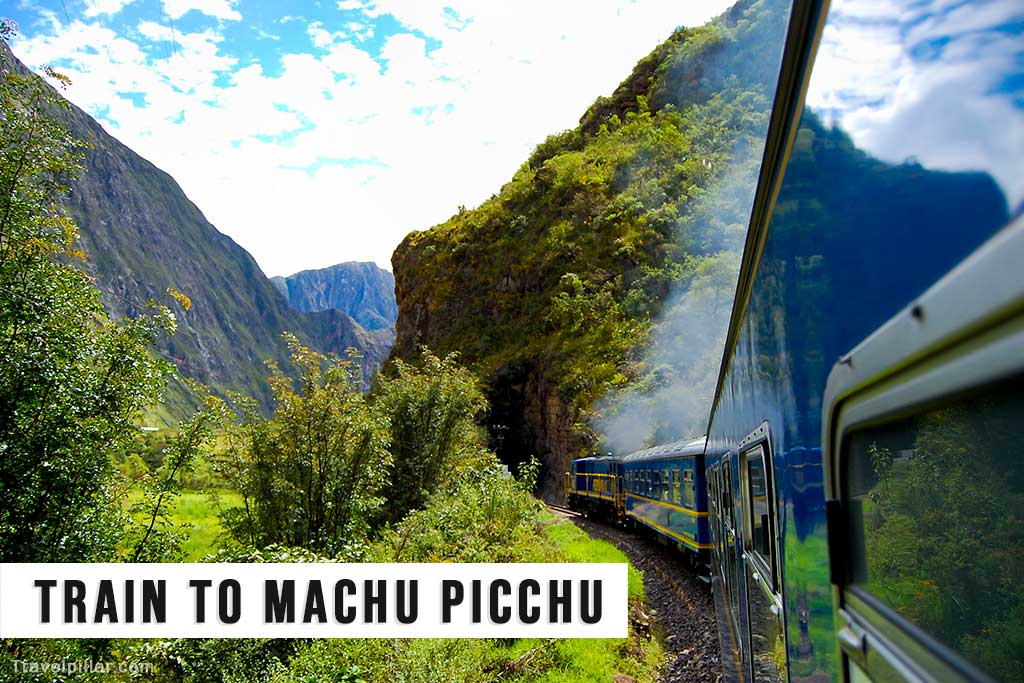
Aguas Calientes serves a functional role within the Machu Picchu visitor system. It provides accommodation, transport coordination and basic services in a constrained geographical setting. While not architecturally significant in itself, its position at the entrance to one of South America’s principal archaeological sites gives it strategic importance within the regional tourism network.
Google map Aguas Calientes
Google map Machu Picchu Train station
Google map Consettur departure point for buses to Machu Picchu
Google map Thermal springs