
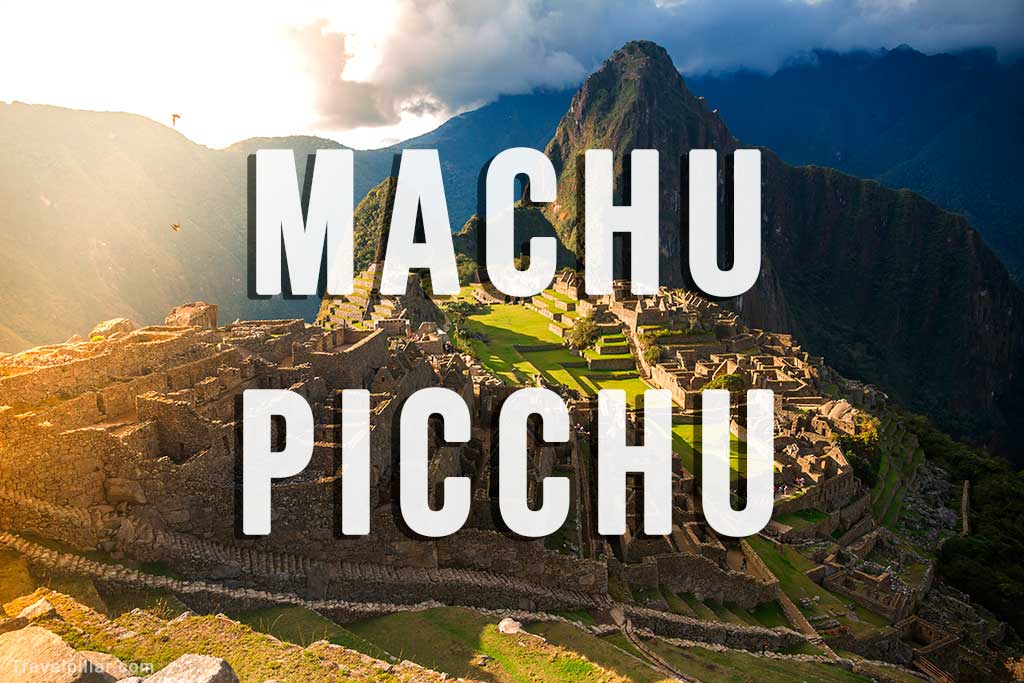
Machu Picchu, situated in the Andes Mountains of Peru, is one of the world’s most famous archaeological sites and a must-visit destination for travelers to South America. The ancient Inca citadel was built in the 15th century and abandoned shortly thereafter, only to be rediscovered by Hiram Bingham in 1911. Today, the site is a UNESCO World Heritage Site and attracts millions of visitors each year.
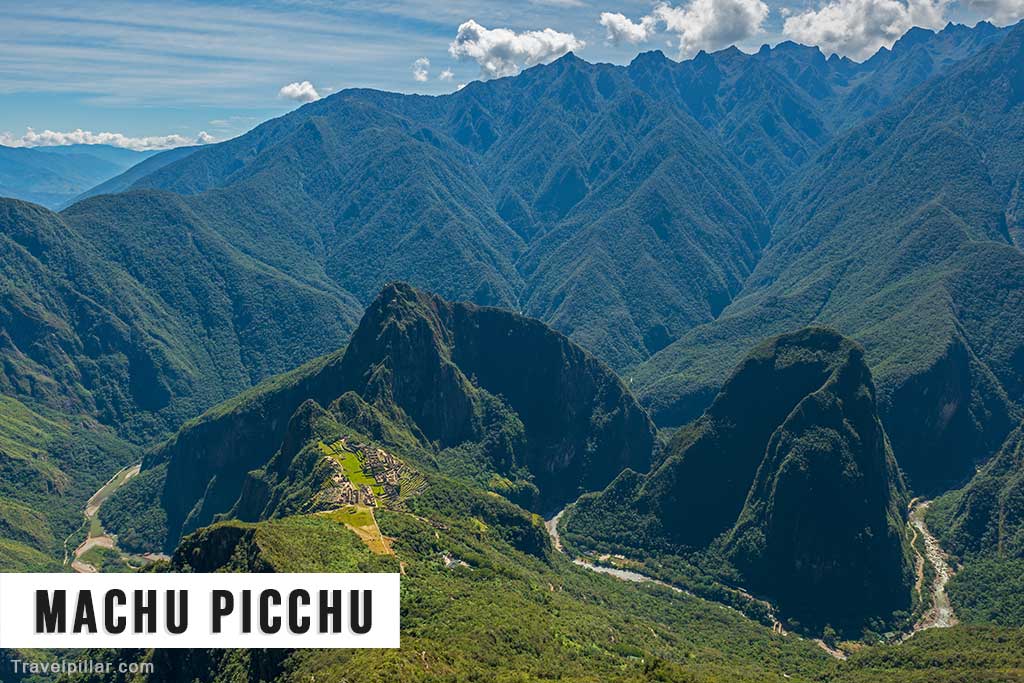
Machu Picchu is known for its stunning location, situated atop a mountain ridge at an altitude of over 7,000 feet. Visitors can reach the site via the famous Inca Trail or by train from Cusco. The site’s terraced fields, stone structures, and ceremonial temples showcase the advanced engineering and architectural skills of the Incan people.

Visitors can explore the site’s many highlights, including the Temple of the Sun, Intihuatana Stone, and the Royal Tomb. The site also features numerous hiking trails that provide breathtaking views of the surrounding Andean landscape.
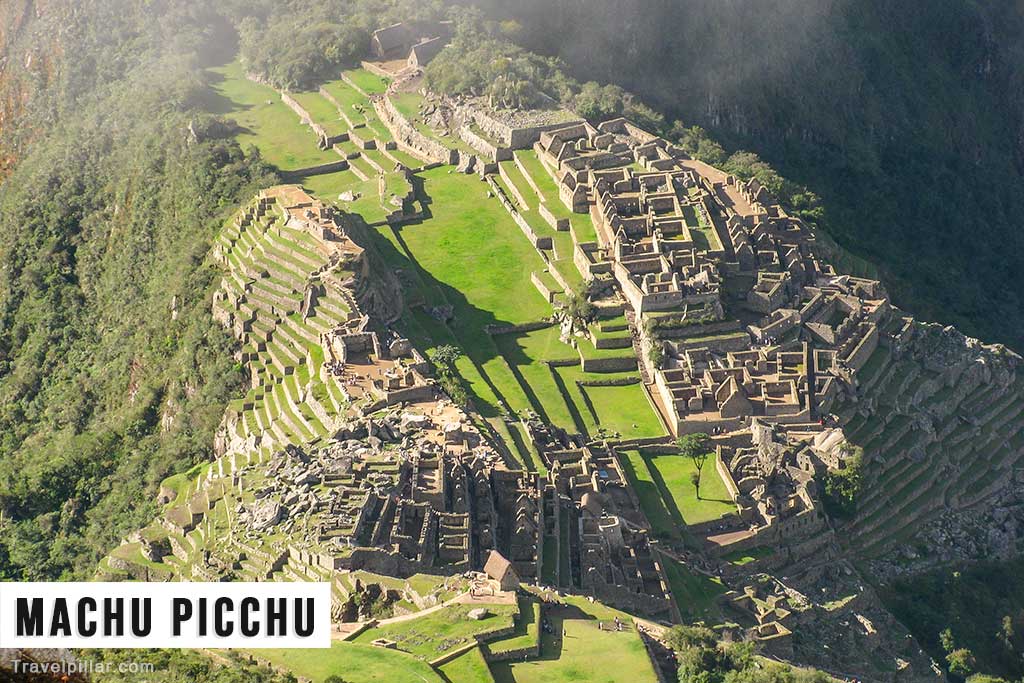
Machu Picchu has also become a symbol of Peru’s cultural heritage and is celebrated for its role in the country’s history and identity. The site has been featured in numerous films, books, and works of art, and is widely regarded as one of the world’s most iconic destinations.
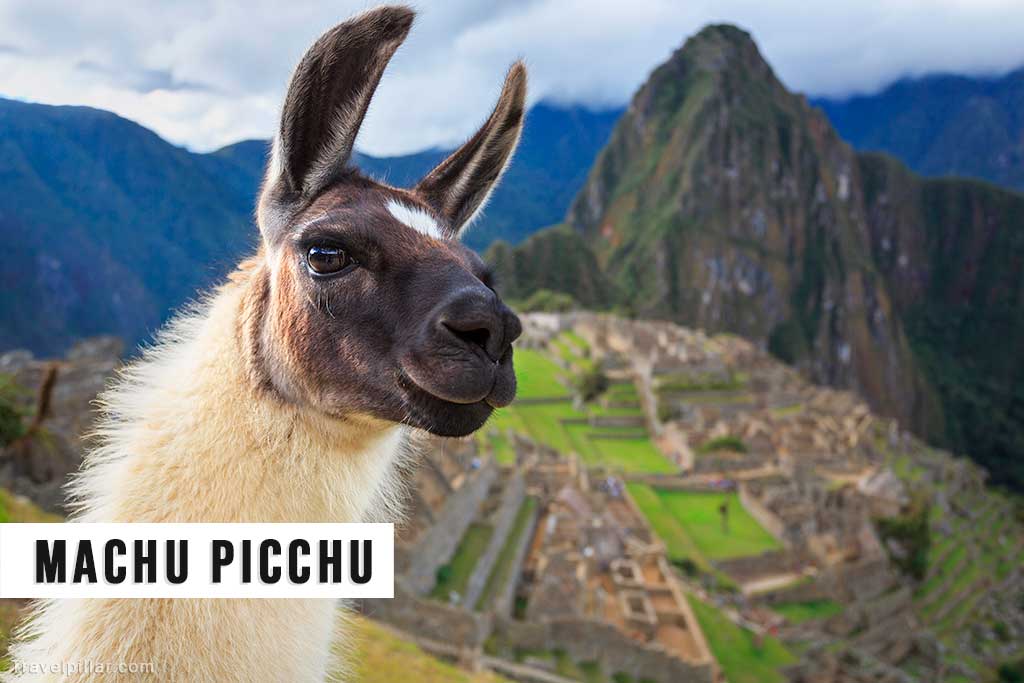
While Machu Picchu has become a popular tourist destination, efforts are being made to preserve the site’s natural and cultural heritage. Visitors are encouraged to respect the site’s rules and regulations, including staying on designated trails and not disturbing the site’s fragile ecosystem.
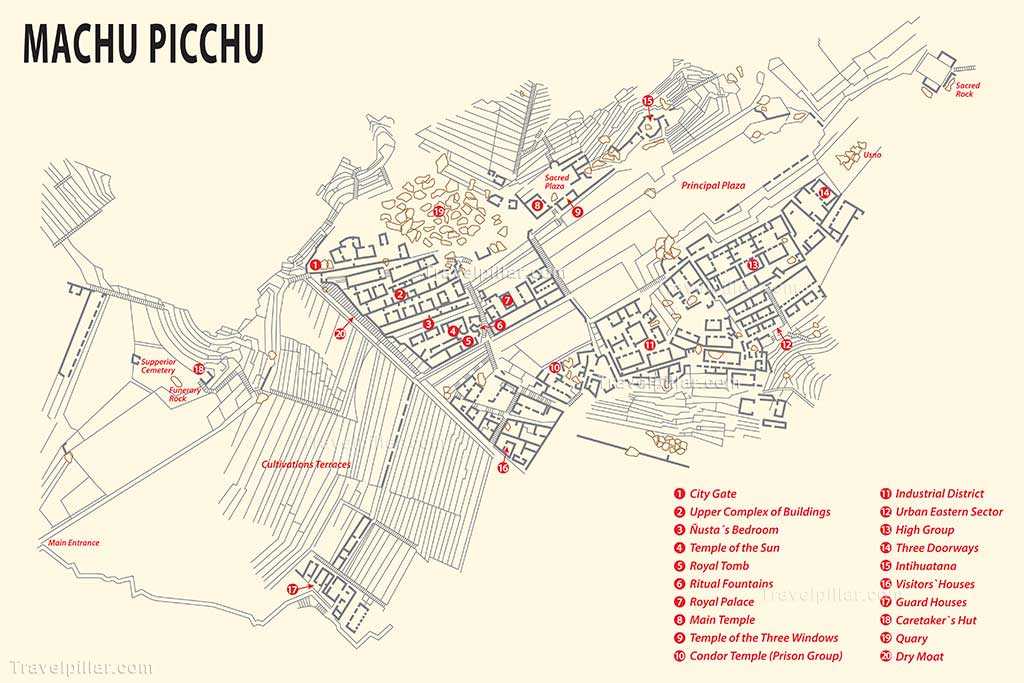
Official website: https://www.machupicchu.gob.pe/
Official website of train company: https://www.perurail.com
Google map 4.8/5
The Main Attractions at Machu Picchu
Machu Picchu Classic Viewpoint
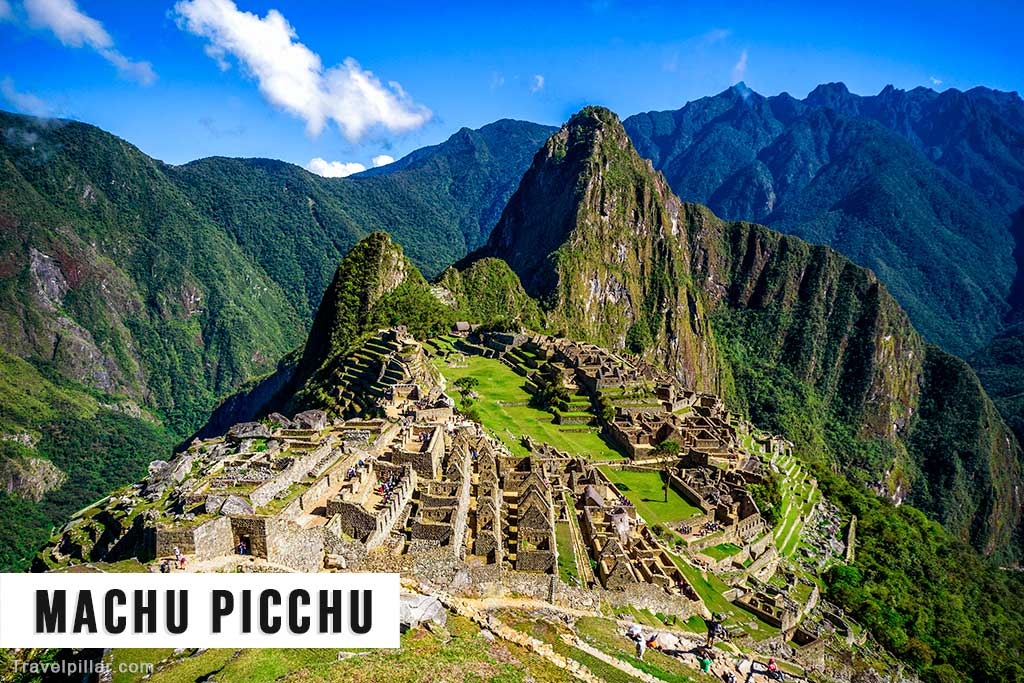
The Machu Picchu Classic Viewpoint, located along the terraces near the Guardian’s House (Guardhouse), offers the iconic panoramic view of the ancient Inca citadel. This elevated vantage point provides a sweeping perspective of the ruins, framed by the surrounding mountains, including Huayna Picchu in the background. It is a popular spot for photography, allowing visitors to capture the full grandeur of the Inca citadel. The viewpoint is easily accessible from the main entrance, making it a must-visit for travelers.
House of the Guardian to the Funerary Rock
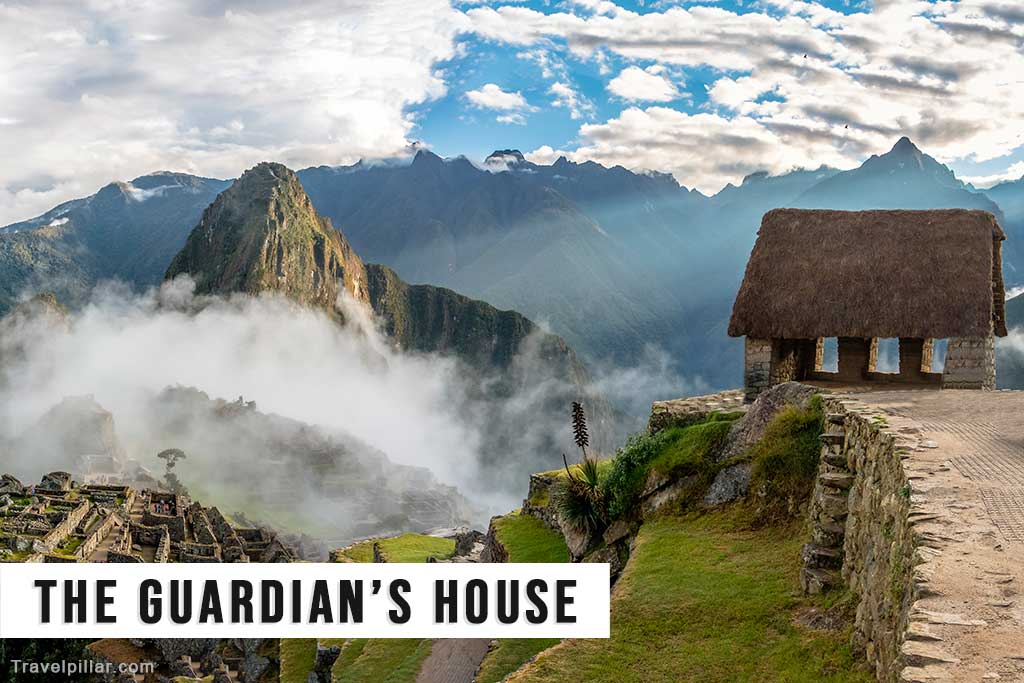
The House of the Guardian to the Funerary Rock is a notable structure with historical significance. Positioned on elevated terraces, it is believed to have been used for ceremonial purposes related to burials. The nearby Funerary Rock, a large carved stone, may have served as an altar for mummification rituals. This area offers stunning views of the citadel and is easily accessible to visitors, making it an important cultural and visual landmark within the site.
Old City Gate
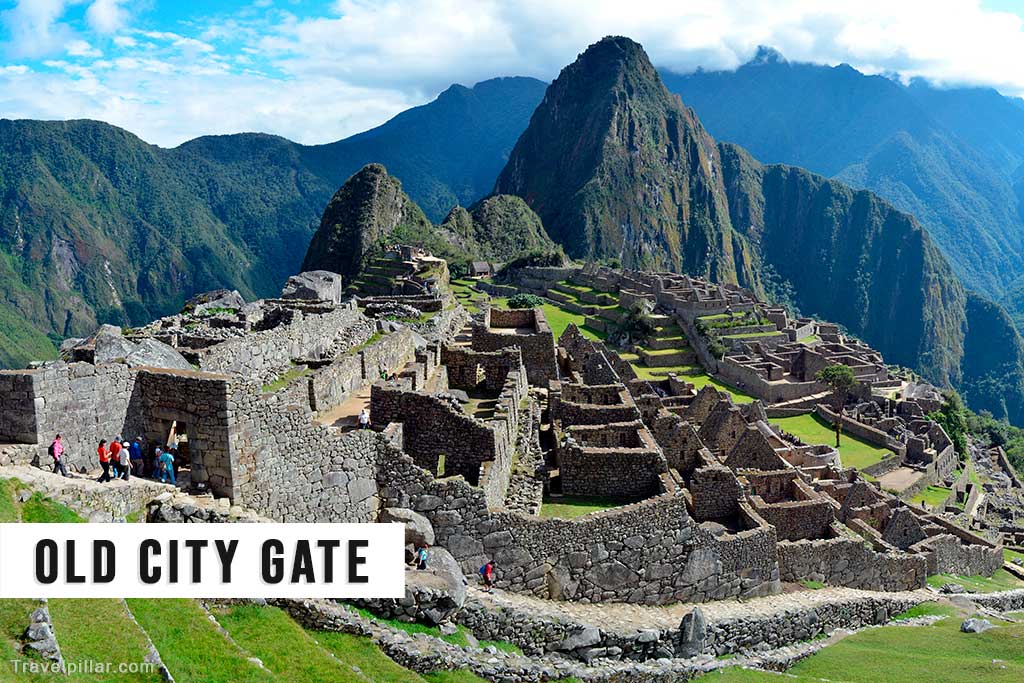
The Old City Gate marks one of the original entrances to the ancient Inca citadel. Positioned strategically on the approach to the main ruins, the gate once served as a control point for access to the site. Its construction, featuring precise stonework, showcases the advanced engineering skills of the Inca. Visitors passing through the Old City Gate can appreciate its historical importance while also enjoying panoramic views of the surrounding Andean landscape.
The Temple of the Sun / El Templo del Sol
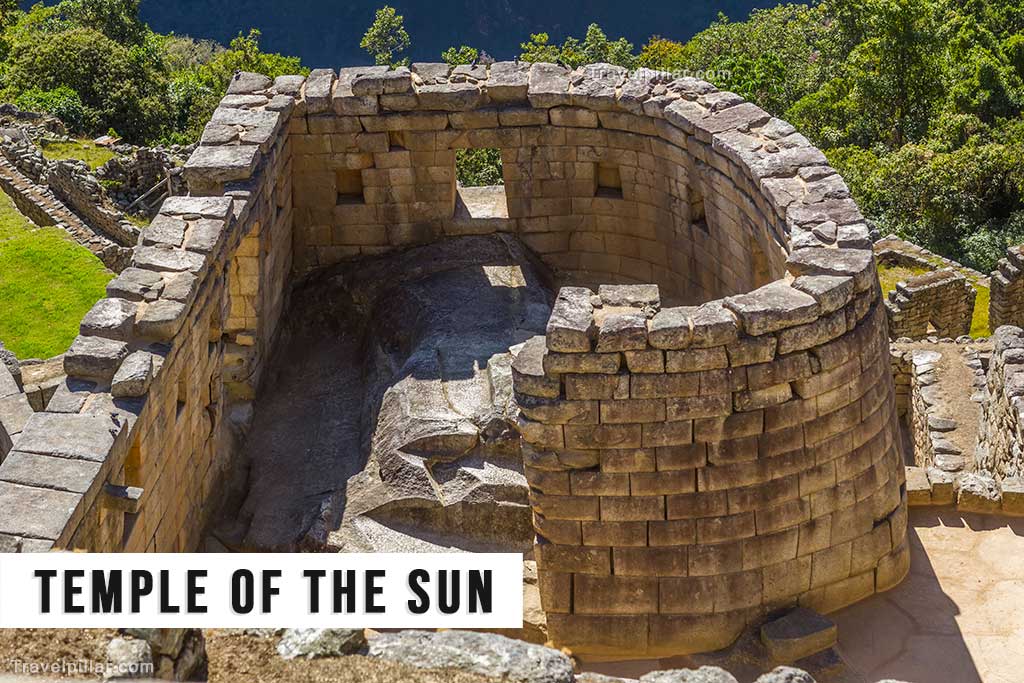
The Temple of the Sun is an important religious structure within the Inca citadel, believed to have been used for solar worship. This semi-circular temple features fine stonework, and its windows are aligned to capture the sun’s rays during the solstices. Positioned on a rocky outcrop, the temple offers a commanding view of the surrounding area. The site’s architectural precision reflects the Inca’s advanced understanding of astronomy and their spiritual connection to the sun.
Google map 5/5
The Royal Tomb
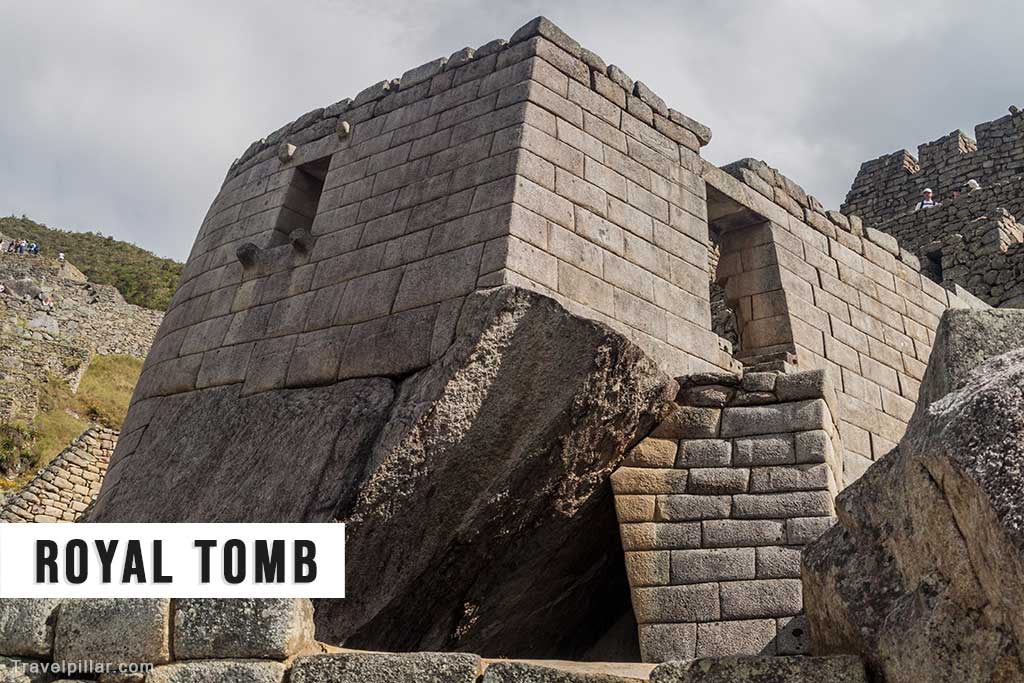
This structure was likely used for ceremonial purposes, and it features a unique stone throne that was likely used by the Incan ruler. The tomb is located on the western side of the site, and it offers stunning views of the surrounding mountains and valleys.
Google map
The Main Plaza
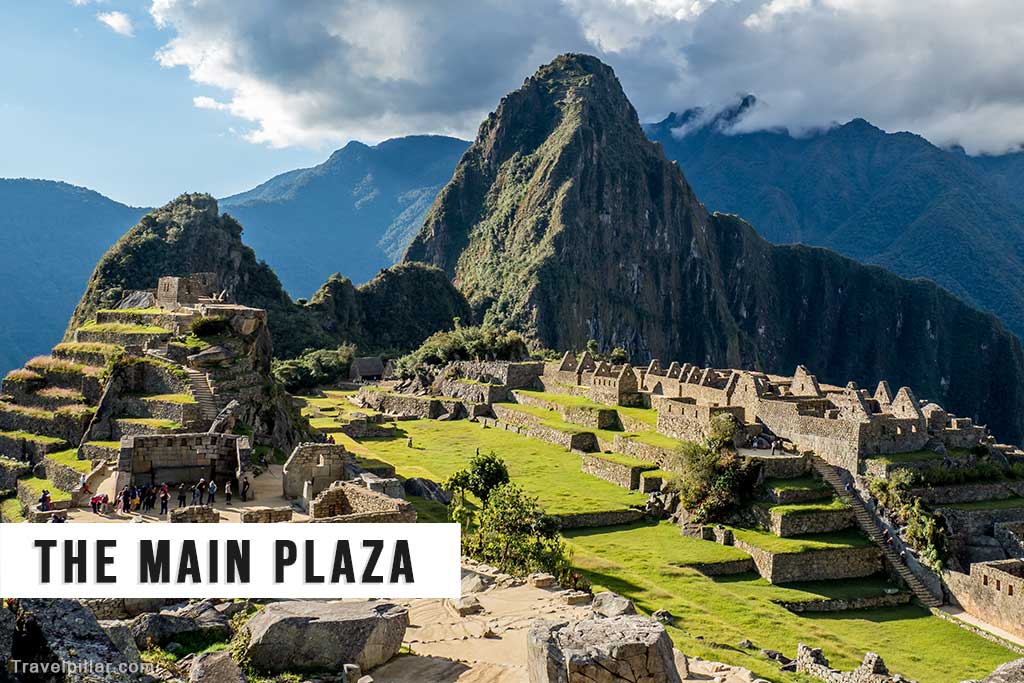
This is the heart of the site, and it’s where many of the most impressive structures are located. The plaza is surrounded by walls and buildings, and it offers breathtaking views of the surrounding mountains and valleys.
The Temple of the Three Windows
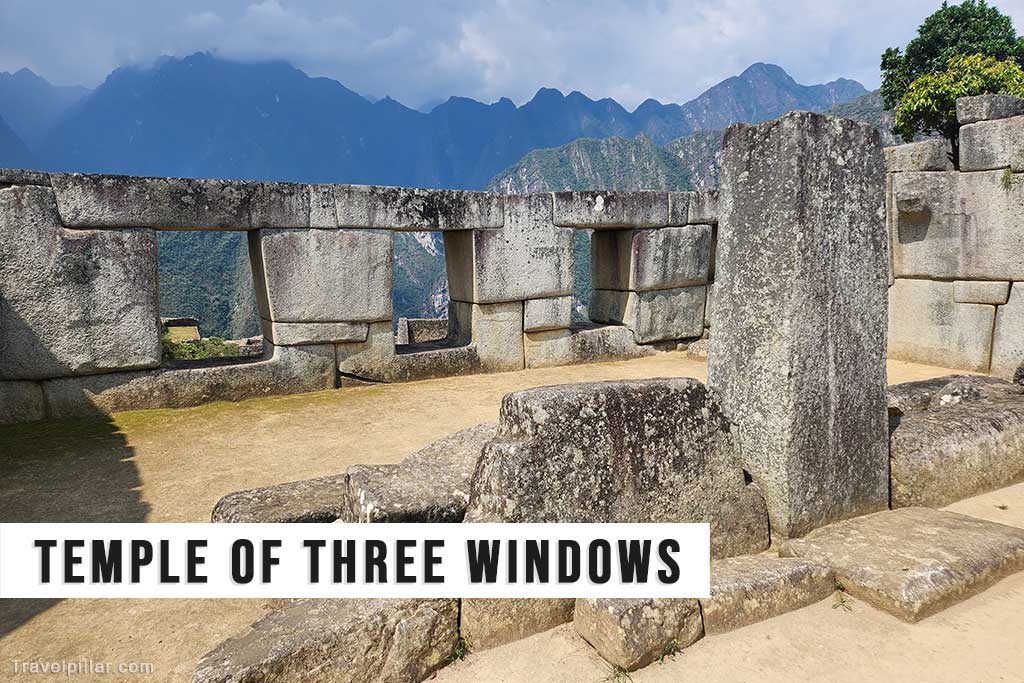
This is one of the most impressive structures at Machu Picchu, and it features three large windows that offer stunning views of the surrounding mountains and valleys. The temple is located on the eastern side of the site, and it was likely used for religious ceremonies.
Google map 4.8/5
The Intihuatana Stone
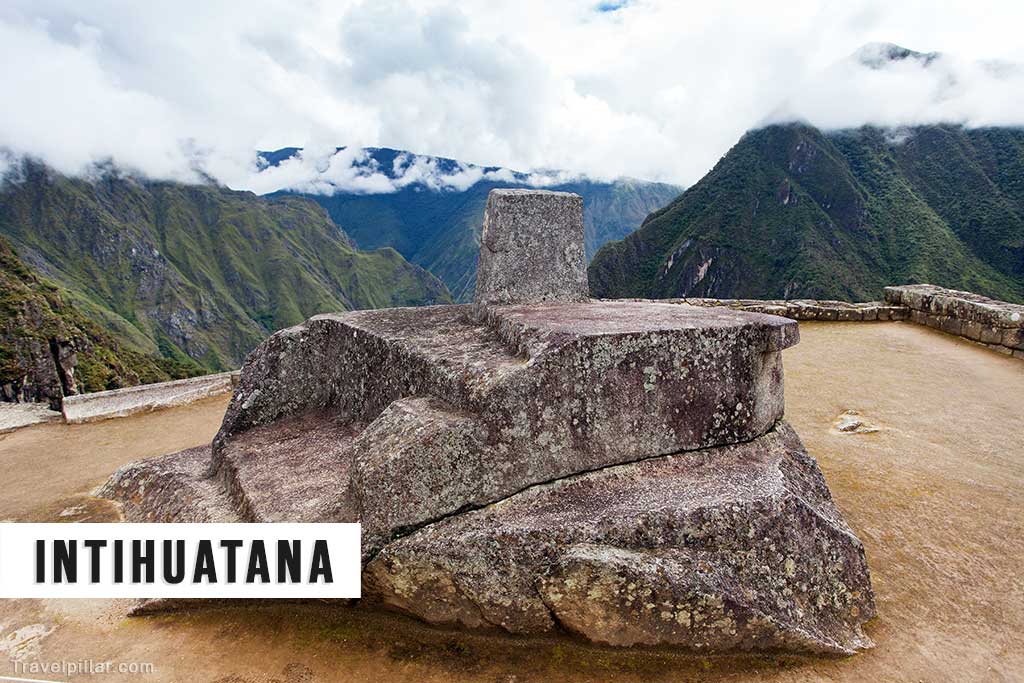
Intihuatana is a carved stone pillar believed to have served as a solar clock or astronomical tool for the Inca. Its name translates to “Hitching Post of the Sun,” reflecting its role in tracking the movement of the sun throughout the year. Positioned on a high platform, Intihuatana is one of the most significant spiritual and ceremonial elements at Machu Picchu, showcasing the Inca’s advanced understanding of astronomy and their connection to celestial events.
Google map 4.8/5
Sacred Rock
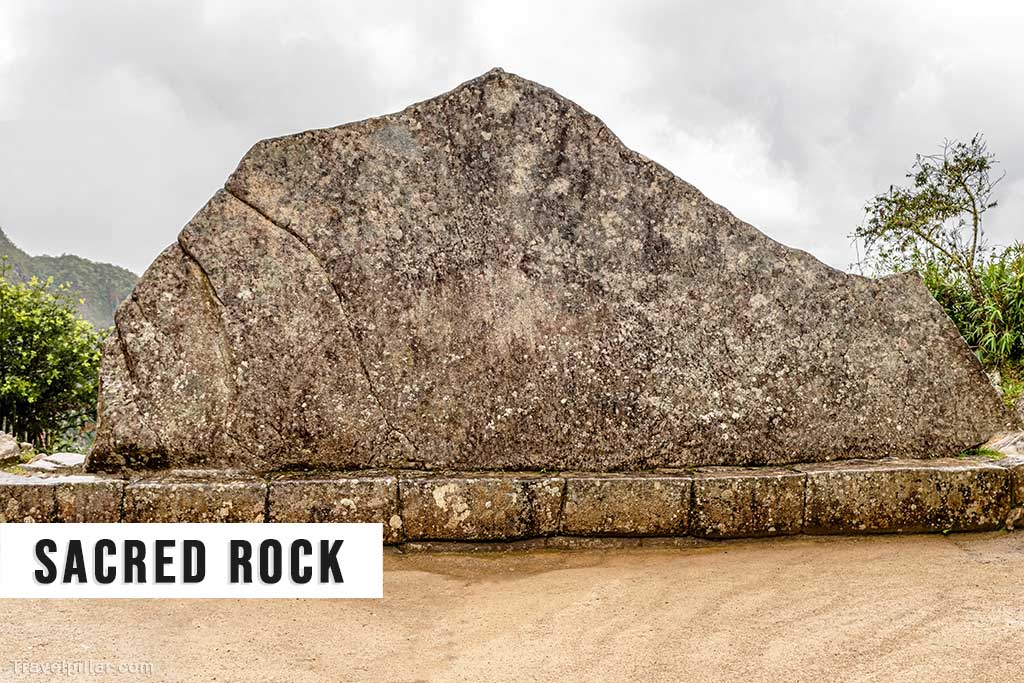
The Sacred Rock is a large, carved stone situated near the entrance to Huayna Picchu. Believed to have held spiritual significance for the Inca, the rock’s shape resembles the surrounding mountain peaks, suggesting a symbolic connection to the natural landscape. Positioned on a stone platform, the Sacred Rock may have been used for religious ceremonies or rituals. Its setting and historical context make it an important cultural feature within the ancient citadel.
Google map 4.8/5
Huayna Picchu Mountain
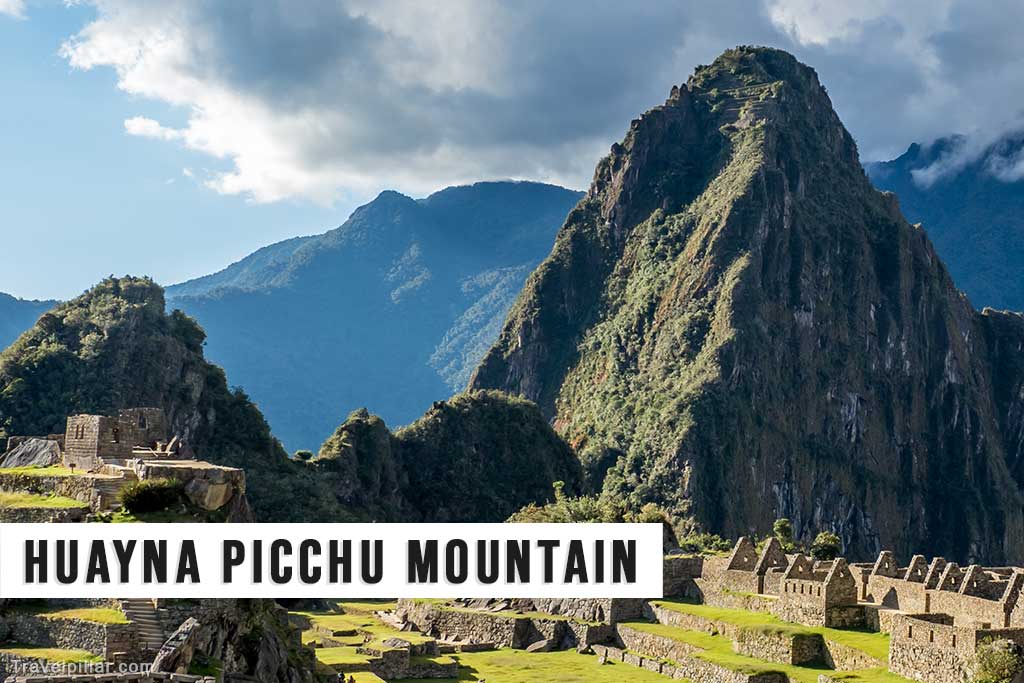
Huayna Picchu is the towering mountain that forms the iconic backdrop to Machu Picchu. Rising 2,720 meters, it offers a challenging yet rewarding hike with steep, narrow trails. The summit provides panoramic views of the Machu Picchu ruins and the surrounding Andean landscape. Along the trail, hikers can explore Inca ruins, including terraces and temples. Due to limited access, only 400 hikers are permitted daily, making advance booking essential for this popular attraction.
Google map 5/5
Temple of the Moon
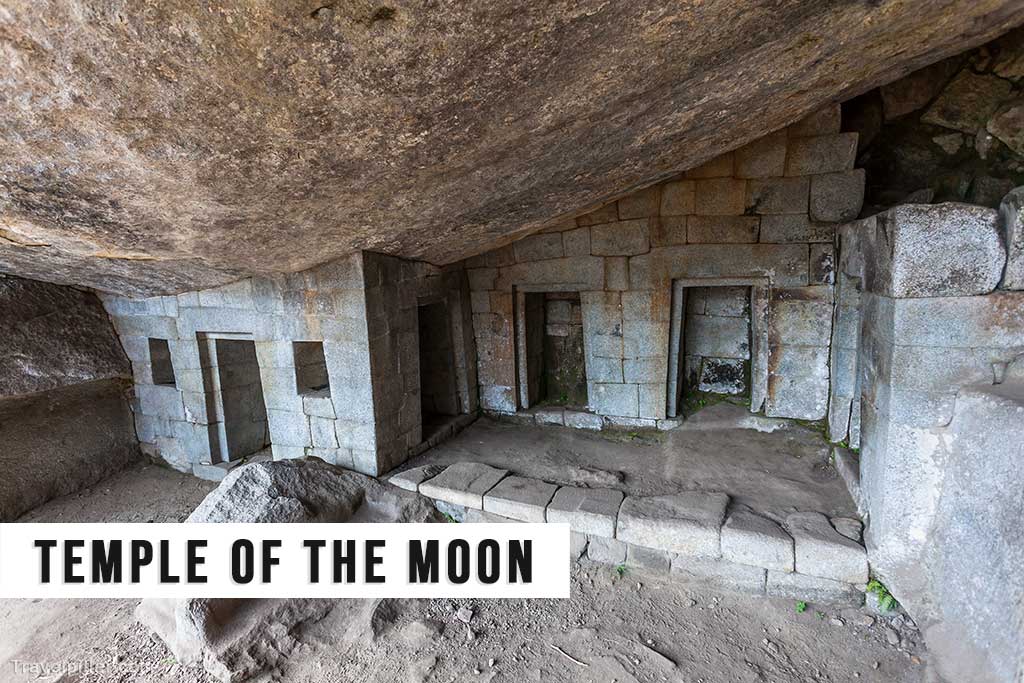
The Temple of the Moon, located on Huayna Picchu Mountain near Machu Picchu, is an impressive Inca ceremonial site. Carved into a cave, it features finely worked stone altars and niches, likely used for religious or astronomical purposes. The temple’s remote location, high on the mountain, offers a quieter, more secluded experience for visitors. Reaching the Temple of the Moon requires a more strenuous hike, but the journey rewards travelers with stunning views and a unique glimpse into Inca spirituality.
The Temple of the Condor
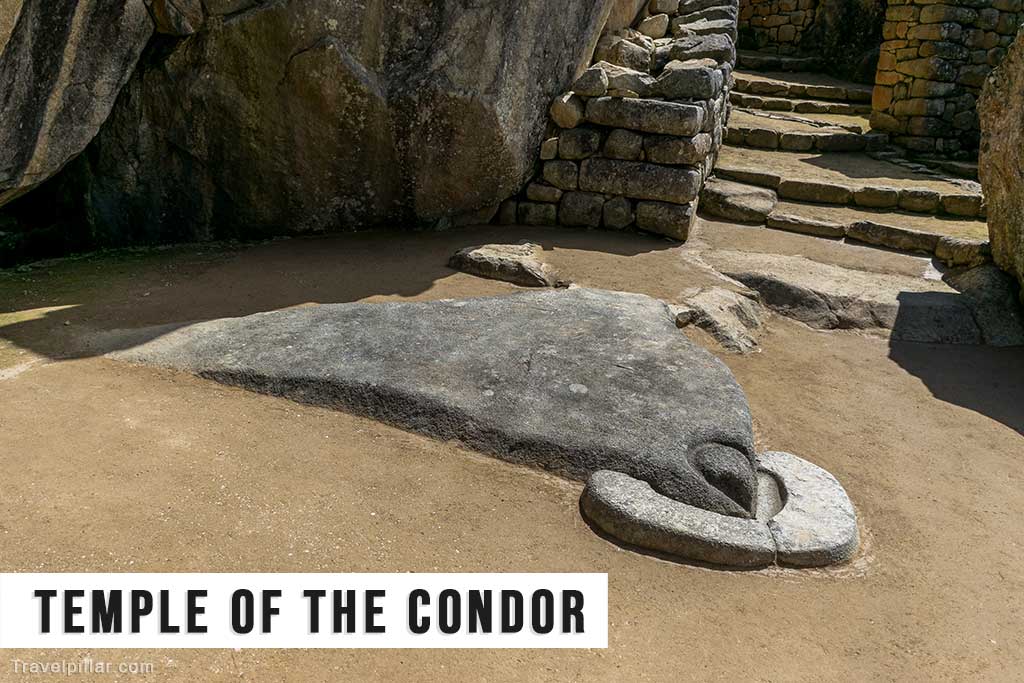
This unique structure is shaped like a condor, a bird that was considered sacred by the Incas. The temple features intricate stone carvings and is located on a hilltop that offers panoramic views of the site.
Google map 4.5/5
Machu Picchu Mountain
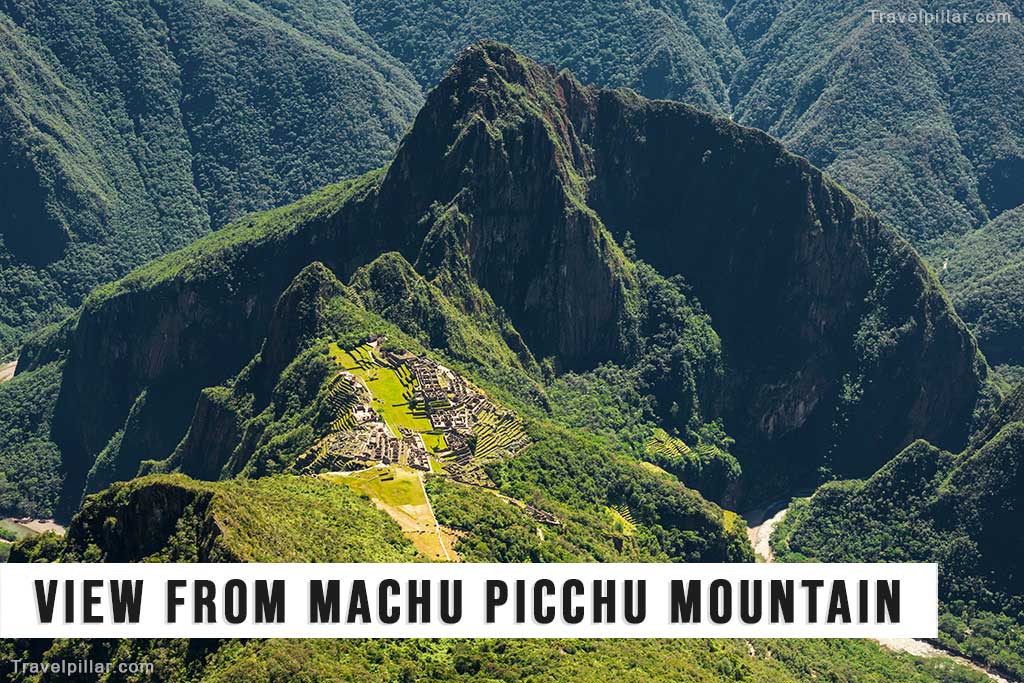
Machu Picchu Mountain, towering at 3,082 meters above sea level, offers an alternative hike to Huayna Picchu, providing expansive views of the Machu Picchu ruins, the Urubamba River, and surrounding Andean peaks. The trail is longer but less steep, making it accessible to a wider range of hikers. From the summit, visitors can enjoy a panoramic perspective of the area’s natural beauty. Limited daily access ensures a peaceful experience, making advance reservations essential for this popular hike.
Google map
The Sun Gate (Intipunku)

Intipunku, also known as the Sun Gate, is located on the approach to Machu Picchu. It served as the main entrance for those arriving via the Inca Trail. Positioned at 2,745 meters, Intipunku offers impressive views of the Machu Picchu ruins and the surrounding mountains, especially at sunrise. Historically, it may have functioned as a control point for access to the citadel. Today, it remains a popular viewpoint for hikers and visitors.
Google map 4.8/5
Inca Bridge
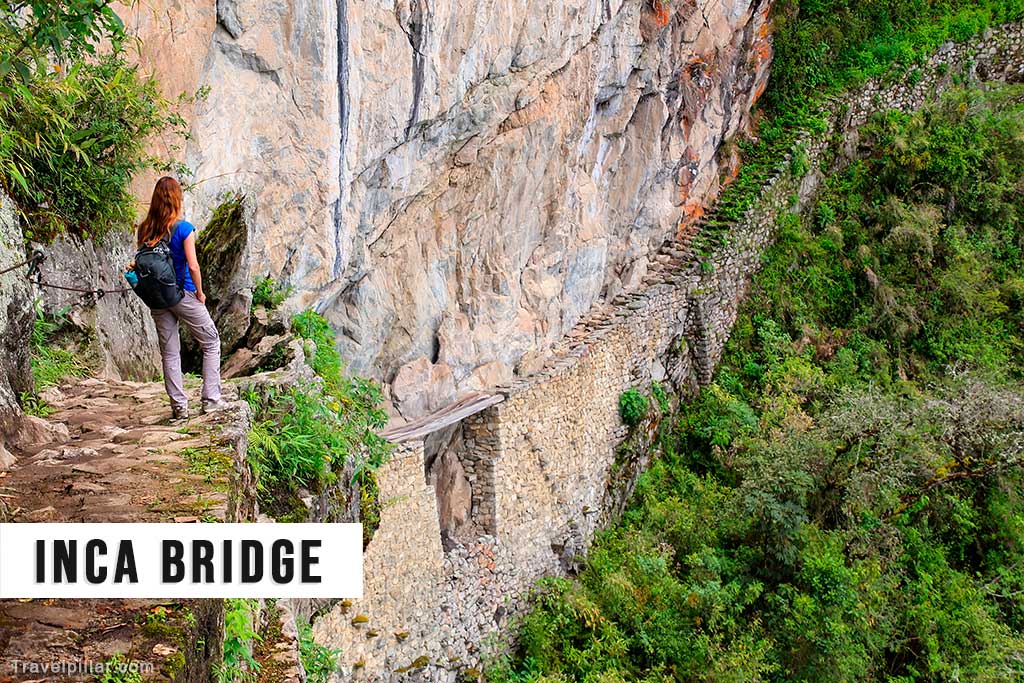
The Inca Bridge, located on the edge of Machu Picchu, is a remarkable example of Inca engineering. Built into a sheer cliffside, this narrow stone path served as a hidden entrance or escape route for the citadel. The bridge is carved from rock and features a wooden section that could be removed to block access. Though the bridge is no longer open to walk across, visitors can observe it from a nearby viewpoint, appreciating its historical and architectural significance.
The Inca Trail

The Inca Trail is a renowned trekking route that leads to Machu Picchu, offering a unique blend of natural beauty and historical significance. Spanning approximately 42 kilometers, the trail passes through diverse landscapes, including cloud forests, alpine tundra, and ancient Inca ruins. Hikers typically complete the journey over four days, with the final leg culminating at Intipunku (the Sun Gate), offering the first glimpse of Machu Picchu. The trail is limited to 500 daily permits, making advance booking essential.
Google map (Km 82 start of the Inca Trail)
Getting to Machu Picchu
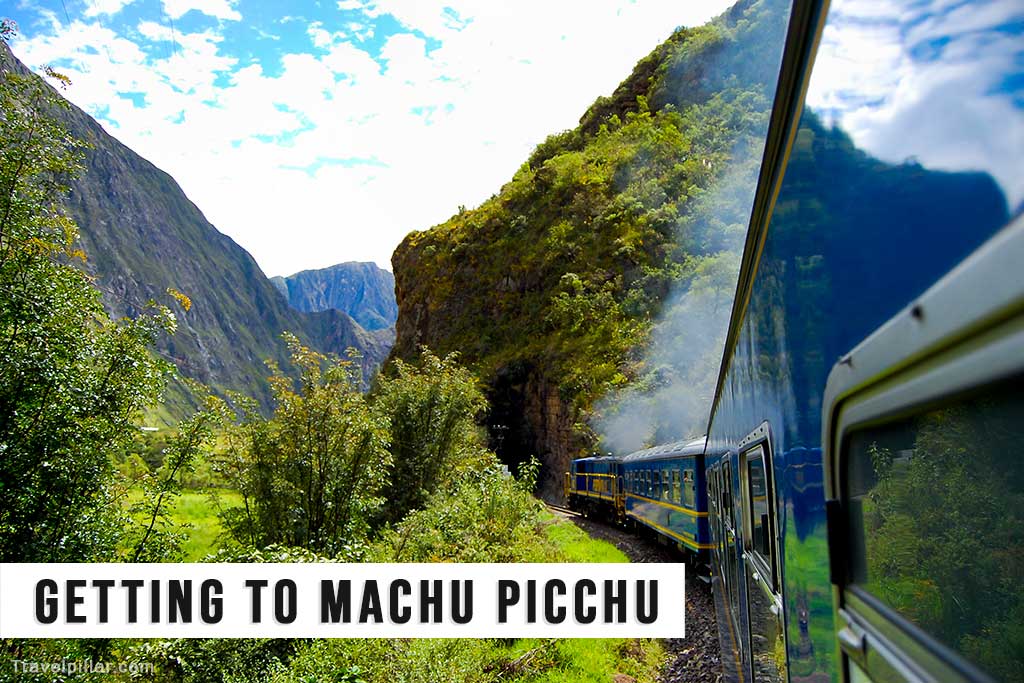
Getting to Machu Picchu typically involves a train journey from Cusco or Ollantaytambo to Aguas Calientes, the nearest town to the site. From Aguas Calientes, visitors can either take a 20-minute bus ride or hike up to the entrance of Machu Picchu. Train services, including PeruRail and IncaRail, offer various options. For those seeking adventure, the Inca Trail provides an alternative, multi-day trekking route, culminating at Machu Picchu’s Sun Gate. Advance booking is essential for both trains and the trail.