
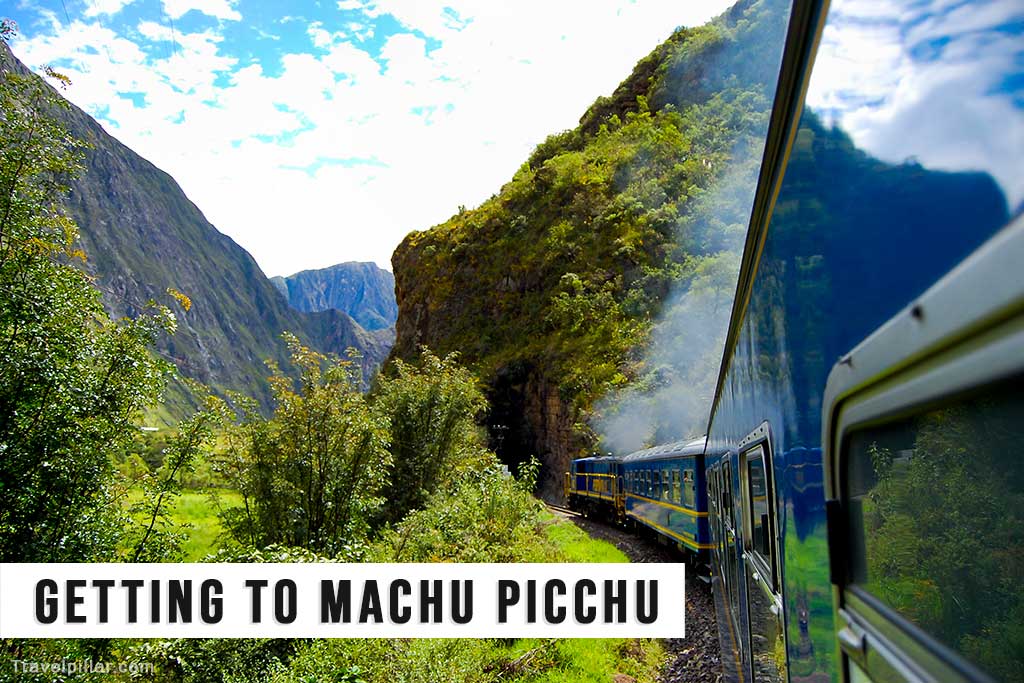
Machu Picchu: Introduction and Geographical Location
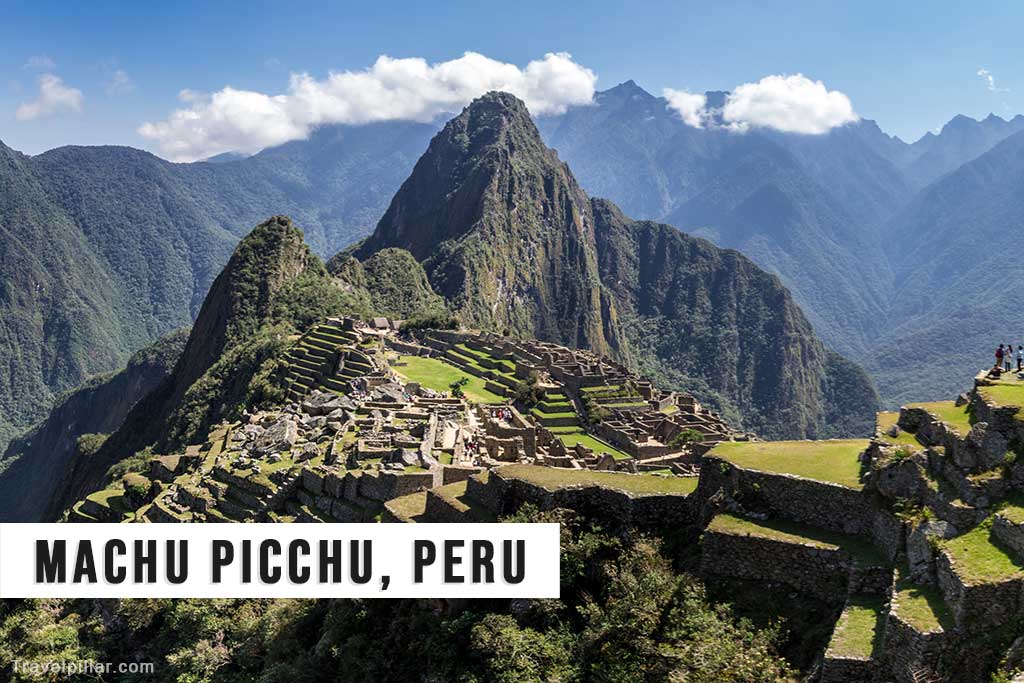
Machu Picchu is located in the Andes of southern Peru, approximately 80 kilometres northwest of Cusco. The citadel stands on a mountain ridge at around 2,430 metres above sea level within a steep valley formed by the Urubamba River. The site lies within the Machu Picchu Historic Sanctuary, a protected area combining archaeological remains and cloud forest environment. There is no direct road access to the citadel from Cusco.
Cusco as Gateway for Getting to Machu Picchu
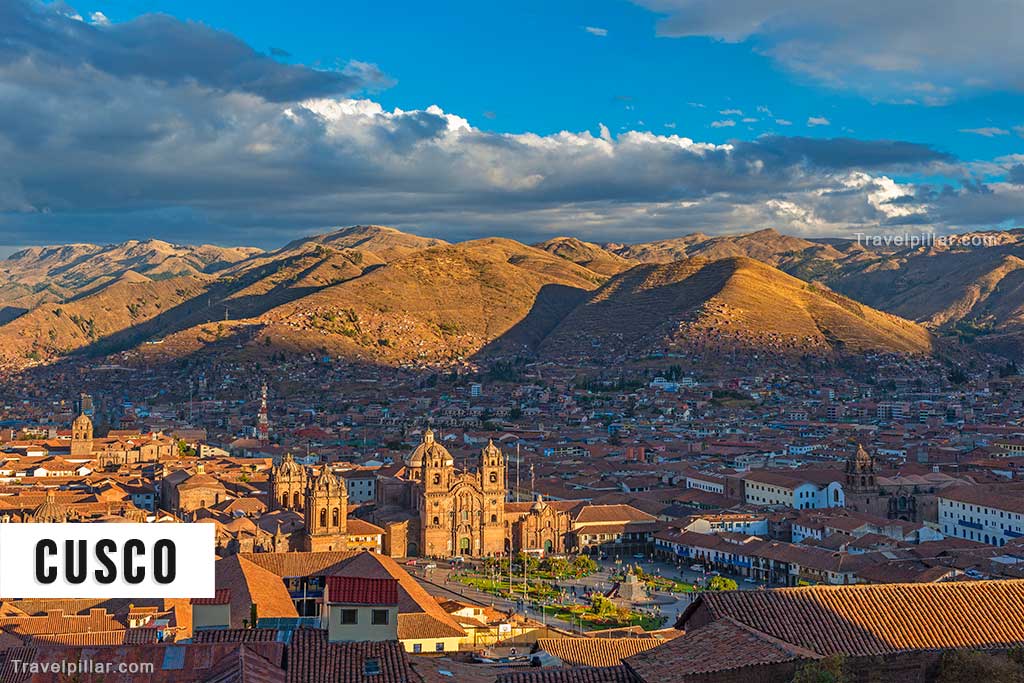
Cusco functions as the principal gateway. Formerly the capital of the Inca Empire, it is now the main transport hub for the region, with an international airport and extensive tourism infrastructure. Most visitors spend at least one night in Cusco for altitude acclimatisation before continuing toward Machu Picchu.
Buying Tickets to Enter Machu Picchu
Entry to Machu Picchu is regulated and ticket numbers are limited per day. Tickets must be purchased in advance through official channels or authorised agencies. Entry is divided into timed slots, and visitors must select specific circuit routes within the citadel. Tickets for additional climbs, such as Huayna Picchu or Machu Picchu Mountain, are separate and sell out quickly during peak season.
Transport from Cusco to Aguas Calientes
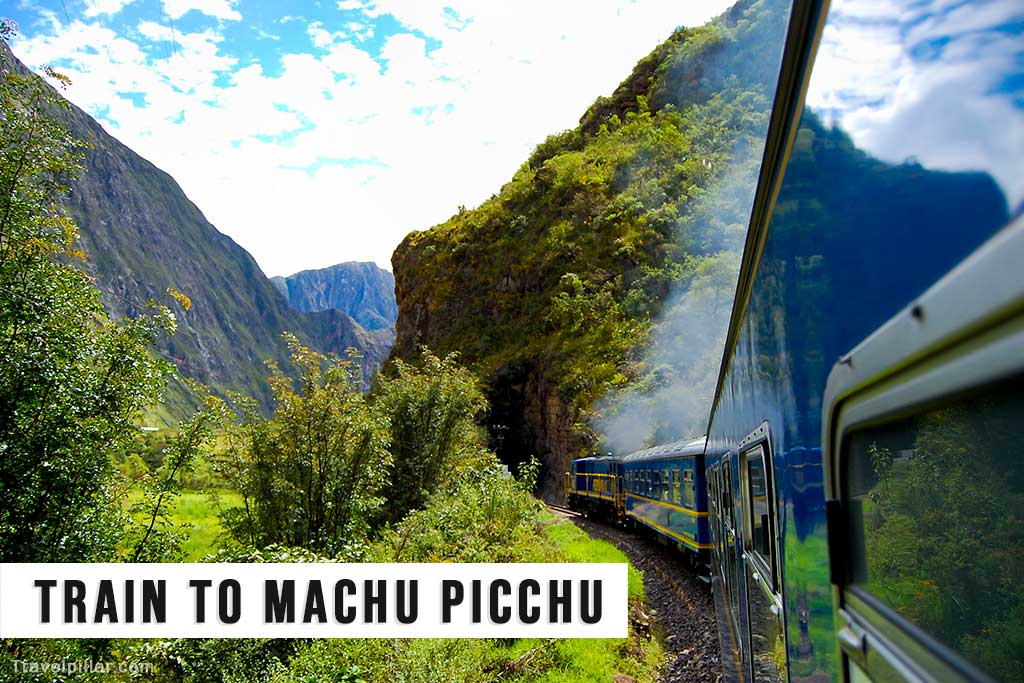
The most common method of getting to Machu Picchu is by train. The main departure point is Ollantaytambo in the Sacred Valley, reached by road from Cusco in approximately 1.5 hours. Limited seasonal departures operate from Poroy near Cusco. The train journey follows the Urubamba River and takes 1.5–2 hours from Ollantaytambo.
PeruRail (https://www.perurail.com)
Inca Rail (https://incarail.com/en)
Bus Service from Aguas Calientes to Machu Picchu
From Aguas Calientes, shuttle buses operate to the Machu Picchu entrance via a steep mountain road. The journey takes around 25–30 minutes. Bus tickets are purchased separately from the entrance ticket and are valid for a one-way or return trip. A marked walking path is available as an alternative, requiring approximately 1.5–2 hours uphill.
Options for Overnight Stays
Some visitors stay overnight in Ollantaytambo before boarding an early train, reducing travel time on the morning of entry. Others stay in Aguas Calientes to access early time slots at Machu Picchu. Accommodation in Aguas Calientes ranges from basic hostels to higher-end hotels, though space is limited and prices reflect demand.
Alternatives Methods for Getting to Machu Picchu
The Inca Trail is a multi-day trek requiring advance permits and guided participation. It follows original Inca pathways and enters the citadel through the Sun Gate. The Salkantay Trek offers a longer, less regulated route crossing high mountain passes before descending to Aguas Calientes. Both provide overland alternatives to rail access.
Hiking the Inca Trail to Machu Picchu

The Inca Trail is a multi-day guided trek following original Inca stone pathways through the Andes to Machu Picchu. The classic route takes four days and includes mountain passes, cloud forest and archaeological sites along the way. Permits are strictly limited and must be booked in advance. The trail concludes at the Sun Gate, providing a structured first view over the citadel.
Hiking the Salkantay Trek to Machu Picchu
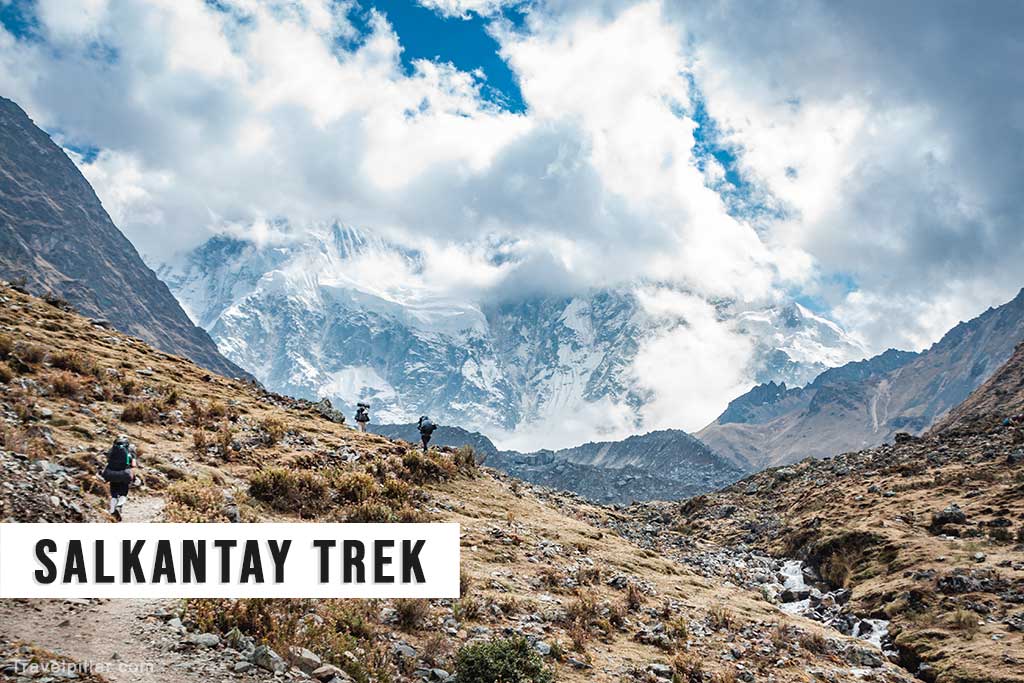
The Salkantay Trek is a multi-day trekking route to Machu Picchu that crosses high Andean terrain before descending into cloud forest. The trail passes beneath Mount Salkantay, reaching elevations above 4,600 metres. Unlike the Inca Trail, it does not require limited government permits, though guided participation is common. The route typically concludes with arrival in Aguas Calientes before visiting the citadel.