
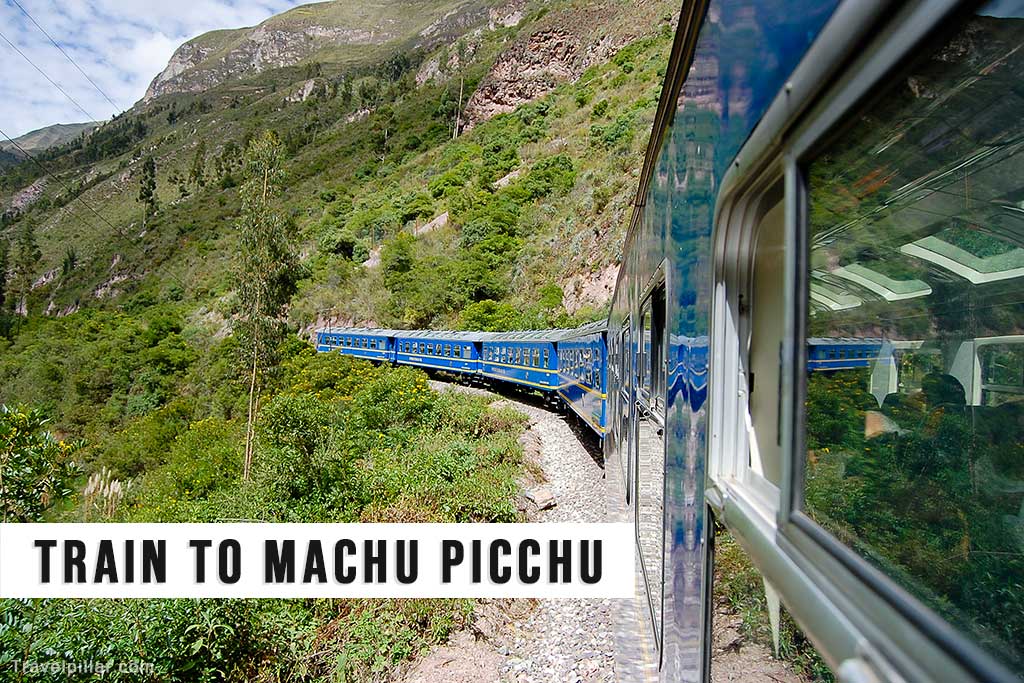
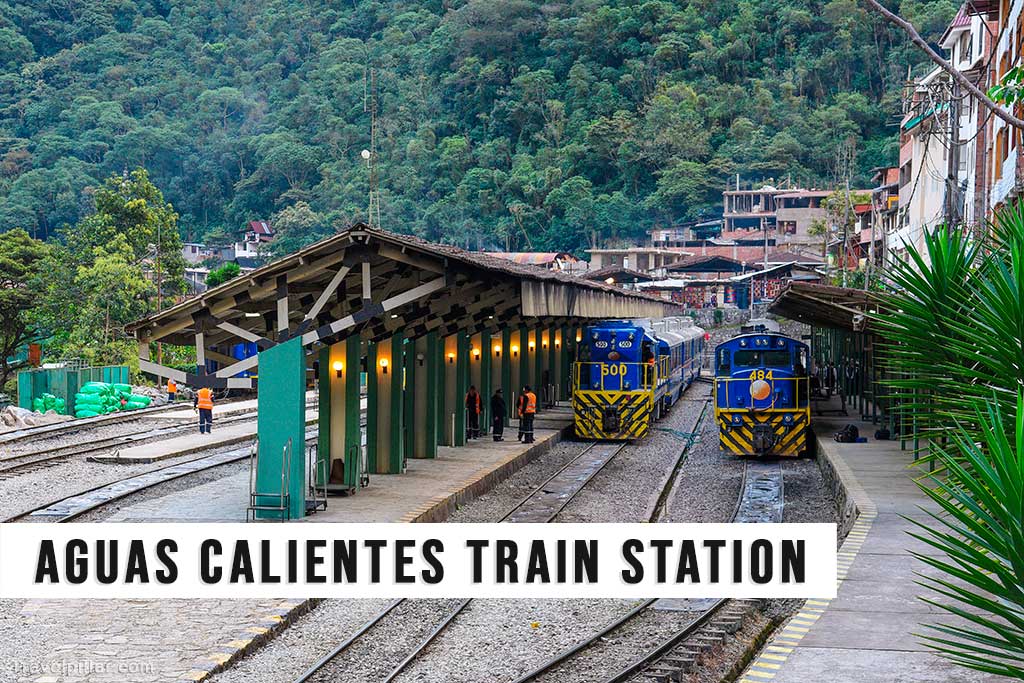
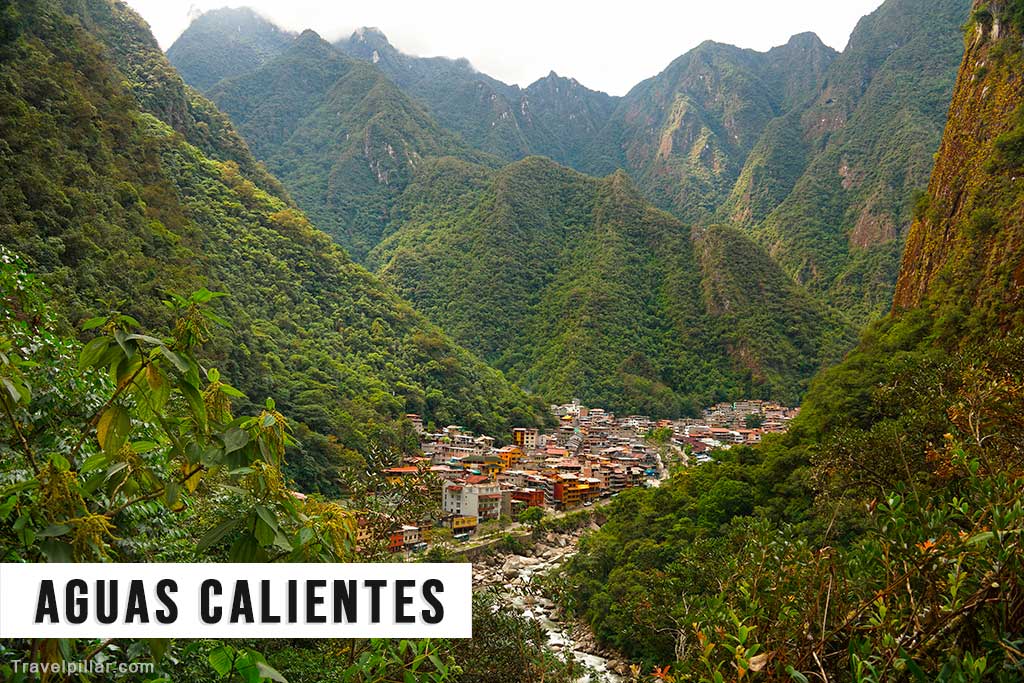
Travelling by train to Machu Picchu is the most common access method for visitors who are not undertaking a multi-day Inca Trail trek. The rail route follows the Urubamba River through a narrow Andean valley and terminates in Aguas Calientes (officially Machu Picchu Pueblo), the settlement located directly below the archaeological site.
The principal departure point is Ollantaytambo in the Sacred Valley. Most visitors travel by road from Cusco to Ollantaytambo, a journey of approximately 1.5 hours. From Ollantaytambo, the train journey takes between 1.5 and 2 hours depending on the service. Limited departures also operate from Poroy on the outskirts of Cusco, though these are often seasonal and less frequent. As a result, Ollantaytambo functions as the main year-round rail hub.
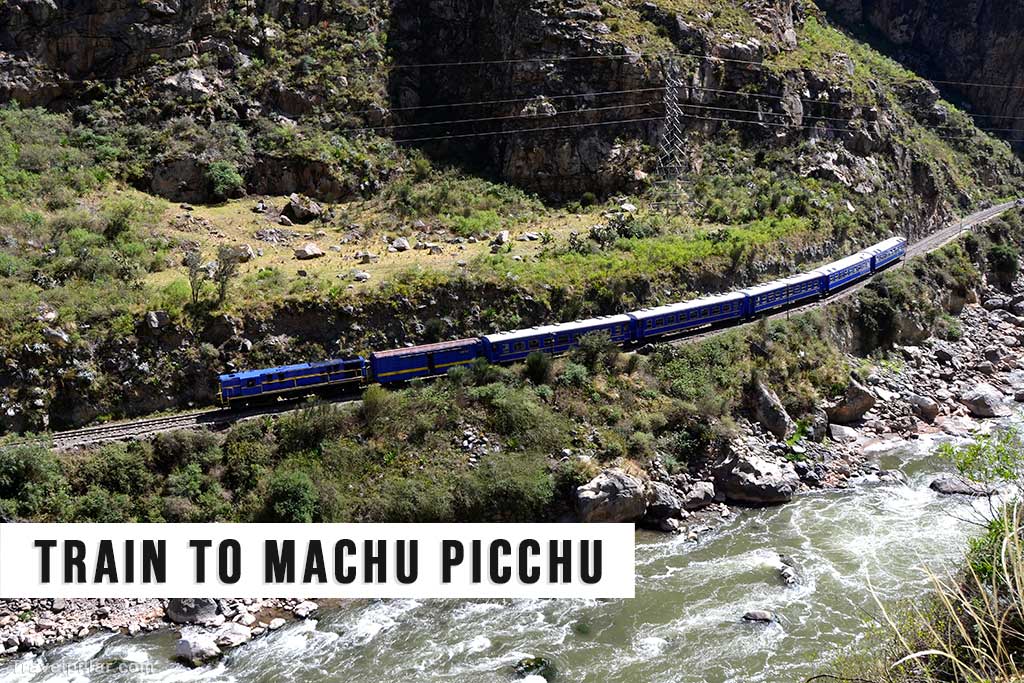
Rail services are operated primarily by PeruRail (https://www.perurail.com) and Inca Rail (https://incarail.com/en) . Trains are designed for tourism rather than local commuting and offer assigned seating. Categories range from standard tourist class to higher-end panoramic services with enlarged windows and onboard refreshments. Advance booking is essential, particularly during the dry season between May and September when visitor numbers increase.
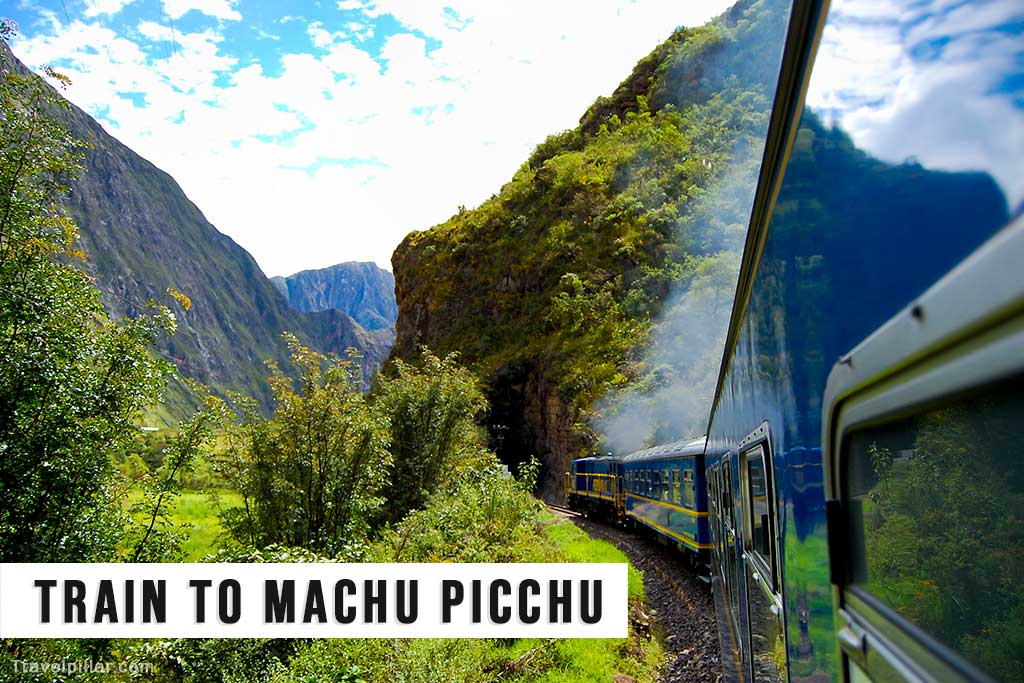
The route descends gradually from the high Andean plateau into subtropical cloud forest. Agricultural terraces, small villages and sections of Inca stonework are visible along parts of the journey. As the valley narrows, the railway runs close to the river, with steep, forested slopes rising on either side. There are no road connections to Aguas Calientes for private vehicles, which reinforces the controlled access system surrounding Machu Picchu.
Luggage restrictions apply, as storage space on board is limited. Larger suitcases are generally left in Cusco or Ollantaytambo, particularly for overnight visits. Weather conditions may occasionally affect schedules during the rainy season, although services operate year-round.
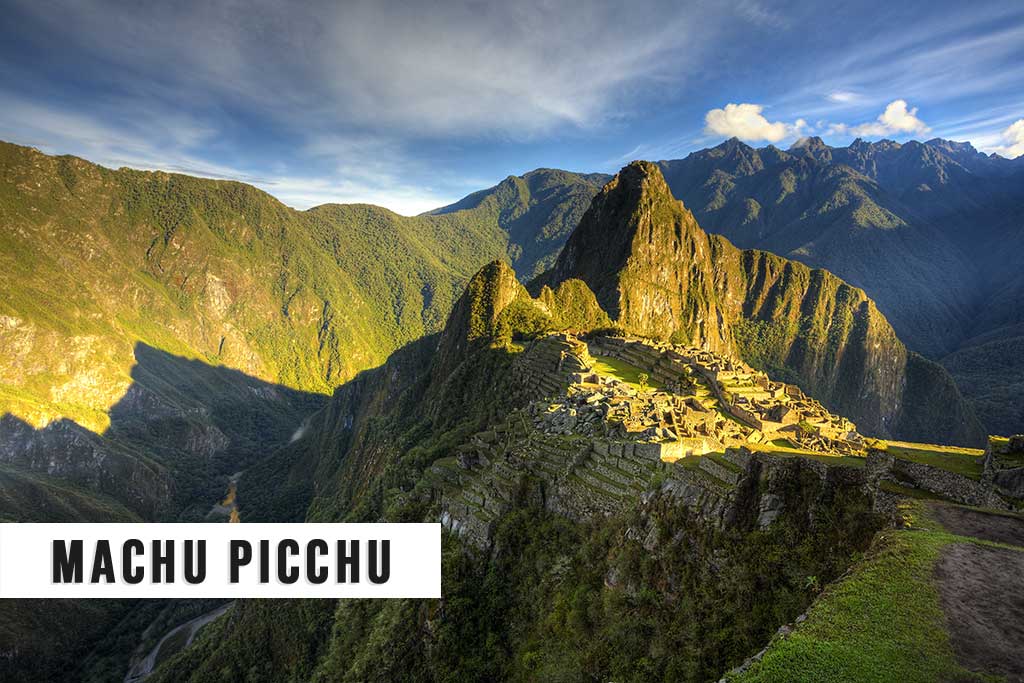
Upon arrival in Aguas Calientes, visitors proceed on foot into the compact town centre. Shuttle buses depart regularly from the town to the entrance of Machu Picchu via a steep, winding road, while a marked walking path provides an alternative ascent.
The train journey is not merely transport but part of the structured visitor experience. It provides a gradual geographical transition from highland Andean terrain to the forested sanctuary in which Machu Picchu is located.
Google map Ollantaytambo Train Station
Google map Machu Picchu Train station