

San Cristóbal Island is the easternmost island in the Galápagos Archipelago and the fifth largest, covering an area of approximately 558 square kilometres. It is notable for being the site where Charles Darwin first landed in 1835. The island’s main town is Puerto Baquerizo Moreno, which serves as the administrative capital of the Galápagos Province and has an airport, hotels, restaurants, and government offices.
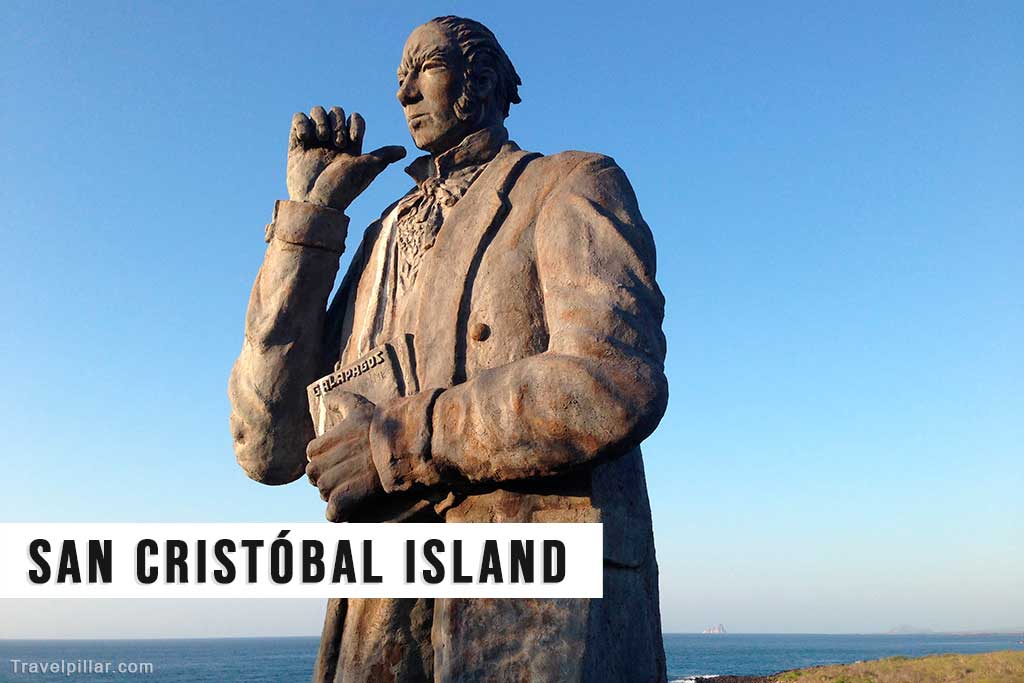
One of the principal attractions on San Cristóbal is the Interpretation Center, located close to the town. The centre provides comprehensive information about the history, geology, and ecology of the Galápagos Islands. It includes educational exhibits about conservation efforts, human settlements, and natural history, serving as an introduction for visitors.
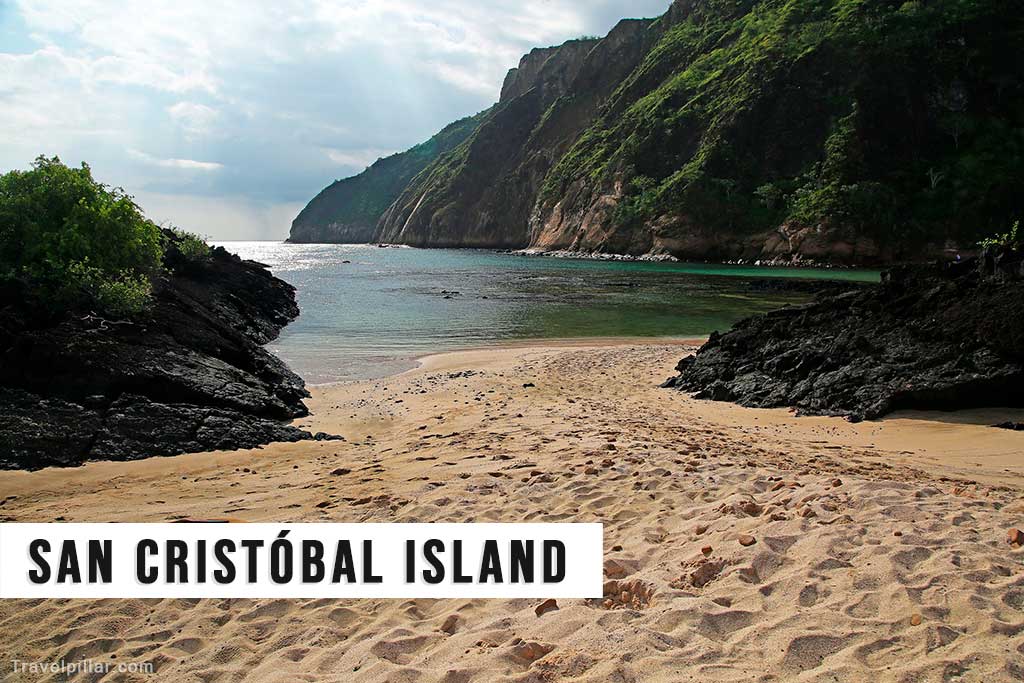
Another significant site is Cerro Tijeretas, also known as Frigatebird Hill. It is accessible via a short hike from the Interpretation Center and offers panoramic views of the coastline and Kicker Rock. The area is named after the frigatebirds commonly seen nesting there. Visitors can also snorkel in the bay below, where sea turtles, sea lions, and various fish species can be observed.
Kicker Rock, or León Dormido, is a prominent offshore rock formation rising 150 metres above the sea. It is a popular site for diving and snorkelling due to the presence of sharks, rays, and large schools of fish. The two vertical rocks create a channel that is home to diverse marine life.
La Lobería is a beach located about 10 minutes from Puerto Baquerizo Moreno. It is named after the large colony of sea lions that inhabit the area. The beach also supports marine iguanas and offers opportunities for snorkelling and swimming.
Inland, El Junco Lagoon is the only freshwater lake in the Galápagos. It is located in the highlands of San Cristóbal at an altitude of approximately 700 metres. The lake is situated in an extinct volcanic crater and is surrounded by lush vegetation, providing a habitat for various bird species, including frigatebirds and white-cheeked pintails.
San Cristóbal Island combines historical significance with diverse landscapes, from dry coastal areas to humid highlands, making it a key destination for visitors to the Galápagos Archipelago.
Google map 4.8/5