

The Galápagos Islands, an archipelago of 19 volcanic islands and numerous islets, are located approximately 1,000 kilometers west of Ecuador in the Pacific Ocean. Renowned for their unique biodiversity, these islands were made famous by Charles Darwin, who visited them in 1835 during the voyage of the HMS Beagle. His observations of the endemic species found on the islands played a crucial role in the development of his theory of natural selection, which revolutionized the world of biology.

The archipelago is part of Ecuador’s national park system and was designated a UNESCO World Heritage site in 1978. The Galápagos Marine Reserve, established in 1998, covers approximately 133,000 square kilometers, making it one of the largest marine reserves in the world. This protected area is home to a multitude of species, many of which cannot be found anywhere else on Earth.
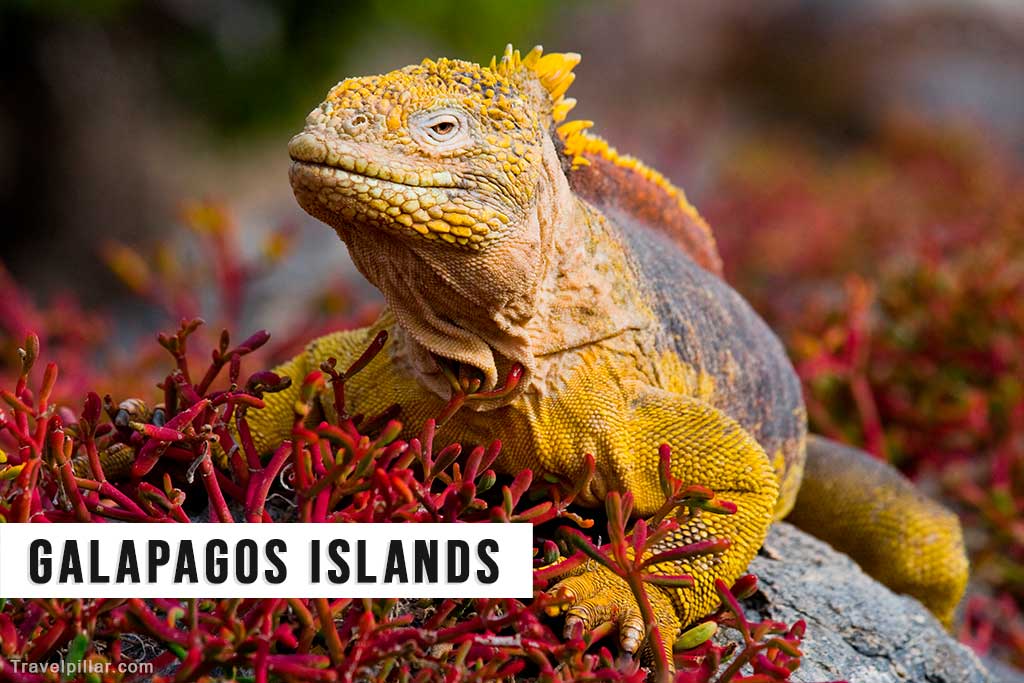
The Galápagos Islands’ diverse ecosystems range from lush highlands to arid lowlands and offer a unique environment for wildlife. The islands are home to various endemic species, such as the Galápagos giant tortoise, Galápagos penguin, and the famous Darwin’s finches. In addition, marine life is abundant, with hammerhead sharks, sea lions, and various species of sea turtles commonly seen.

The archipelago’s isolation has led to the development of a fragile ecosystem that is highly susceptible to human interference. As a result, the Ecuadorian government has implemented strict regulations to protect the islands’ biodiversity. Travel to the Galápagos is limited, and visitors must be accompanied by a certified naturalist guide. Furthermore, only specific visitor sites are accessible, and staying on the islands is restricted to designated accommodations.
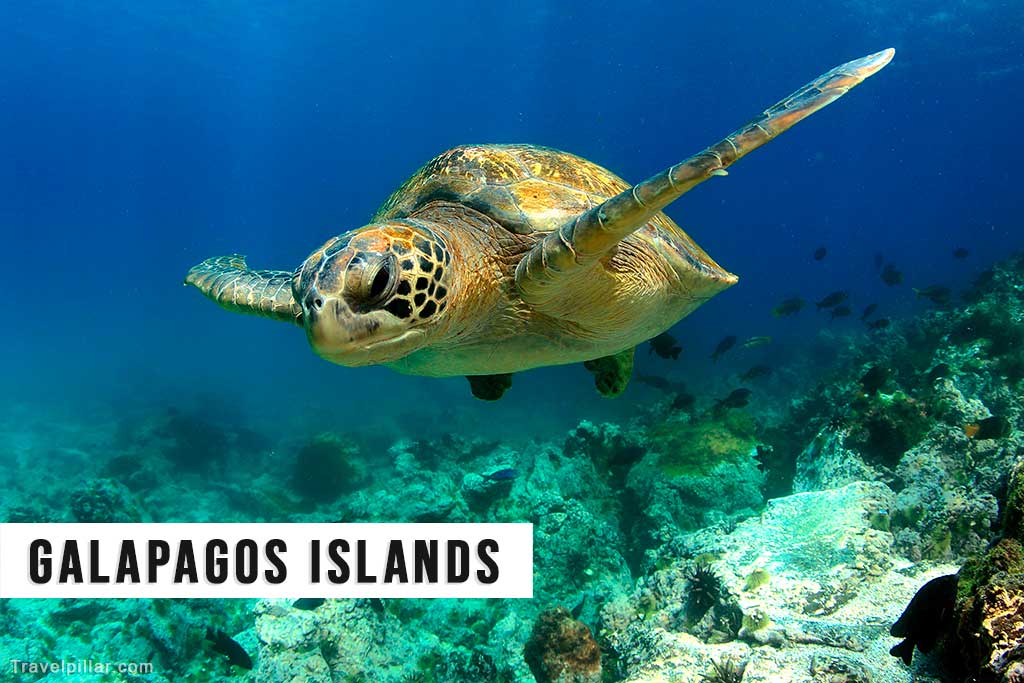
The Galápagos Islands offer a unique opportunity for travelers to witness the wonders of evolution and experience the unparalleled beauty of the natural world. While visiting these islands requires adherence to strict regulations, the unparalleled biodiversity and pristine ecosystems make the Galápagos a must-visit destination for any eco-conscious traveler.
Official tourism website: https://ecuador.travel/en/galapagos/
The Galápagos archipelago consists of 19 main islands, though only a select few are open to visitors to ensure the preservation of the delicate ecosystems. Here is a list of some of the most popular islands that can be visited:
Santa Cruz Island

Santa Cruz is the second-largest island in the Galápagos archipelago and serves as the main hub for tourism. The island is home to the Charles Darwin Research Station, where visitors can learn about the ongoing conservation efforts and the breeding program for the Galápagos giant tortoises. Puerto Ayora, the largest town in the Galápagos, provides various accommodation options, restaurants, and shops. Other attractions on Santa Cruz Island include the Tortuga Bay beach, El Chato Tortoise Reserve, and the lava tunnels. The island’s diverse landscapes range from lush highlands to arid lowlands, offering various hiking opportunities.
Google map 4.7/5
Isabela Island
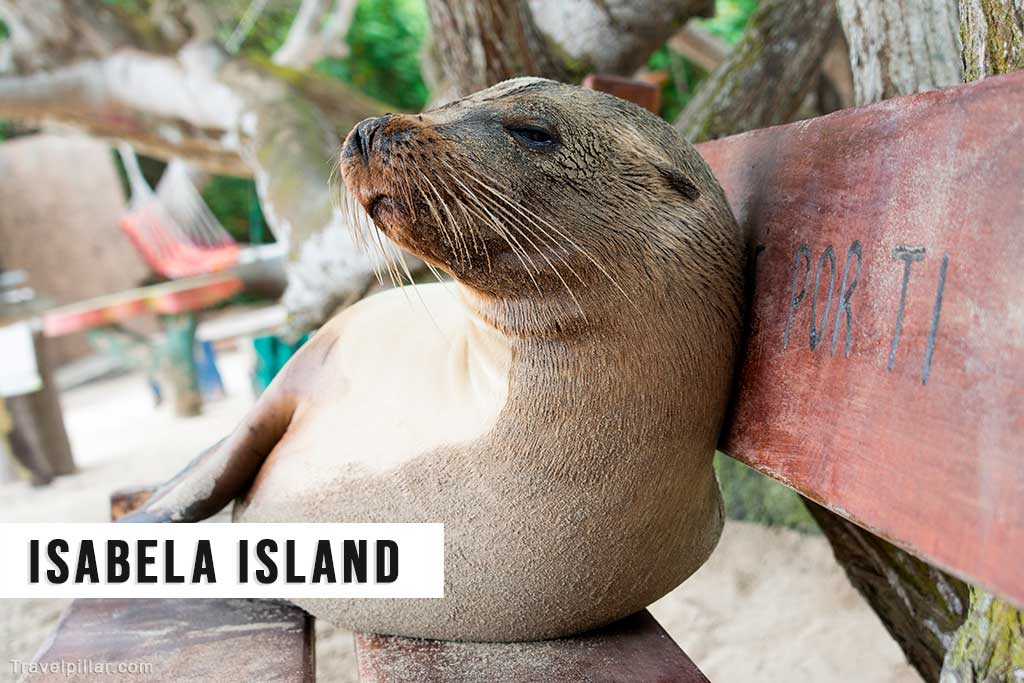
Isabela Island, formed by six volcanoes, is the largest and one of the most volcanically active islands in the Galápagos. The island features diverse wildlife, including the Galápagos penguin, marine iguanas, flamingos, and various bird species. The Sierra Negra Volcano, with one of the largest calderas in the world, is a popular hiking destination. Other points of interest include the Wall of Tears, a historical site built by prisoners, and the wetlands area for birdwatching. The town of Puerto Villamil offers accommodations and amenities for tourists.
Google map 4.6/5
San Cristóbal Island

As the easternmost island and one of the oldest in the archipelago, San Cristóbal is home to the town of Puerto Baquerizo Moreno, the capital of the Galápagos Province. The island houses the Galápagos Interpretation Center, which provides information on the history, ecology, and conservation efforts in the islands. Cerro Tijeretas (Frigatebird Hill) is a popular viewpoint where visitors can observe magnificent and great frigatebirds. La Loberia is a beach known for its sea lion colony and excellent snorkeling opportunities. Additionally, the island offers the freshwater lake El Junco and the highland area of Cerro Colorado, where the Galápagos giant tortoise breeding center is located.
Google map 4.8/5
Floreana Island

Floreana Island has a rich history, with tales of pirates, settlers, and mysterious disappearances. Visitors can explore Post Office Bay, where a unique mail system has been in use since the 18th century. At Devil’s Crown, a partially submerged volcanic cone, snorkelers can encounter diverse marine life, including sea turtles, rays, and colorful fish. Punta Cormorant offers a chance to observe wildlife such as flamingos, sea turtles, and stingrays, while also featuring a green sand beach and a white sand beach.
Google map 4.8/5
Española Island

Española is the southernmost island in the Galápagos and is considered one of the oldest in the archipelago. It is the only nesting site for the critically endangered waved albatross, attracting birdwatchers and wildlife enthusiasts. Gardner Bay, with its pristine white sand beach, is home to a large sea lion colony and offers excellent snorkeling opportunities. Punta Suárez boasts an impressive array of bird species, such as the Nazca and blue-footed boobies, the red-billed tropicbird, and the endemic Española mockingbird, along with numerous marine iguanas and sea lions.
Google map 4.6/5
North Seymour Island

Located north of Baltra, North Seymour Island is relatively flat and was formed by an uplift of the ocean floor. The island is a breeding site for blue-footed boobies and magnificent frigatebirds, making it an ideal destination for birdwatching enthusiasts. North Seymour also supports a population of land iguanas, marine iguanas, and sea lions. The island’s coastal area offers opportunities for snorkeling and scuba diving
Google map 4.8/5
Bartolomé Island

Bartolomé is a small island but one of the most photographed in the Galapagos. Its landmark, Pinnacle Rock, rises beside a sandy beach and clear waters popular for snorkelling with penguins and tropical fish. A boardwalk trail leads to a summit with panoramic views of volcanic landscapes and surrounding islands. Bartolomé highlights the dramatic scenery of the archipelago, combining geological features with accessible wildlife encounters.
Google map 4.8/5
Santiago Island

Santiago, or James Island, features volcanic landscapes, black sand beaches, and tidal pools. Puerto Egas, one of the main sites, is known for marine iguanas, fur seals, and shorebirds. Sullivan Bay displays lava fields that illustrate recent volcanic activity. Santiago offers a variety of habitats and is significant for observing both geology and wildlife in one location, making it an important part of Galapagos itineraries.
Google map 4.7/5
Fernandina Island
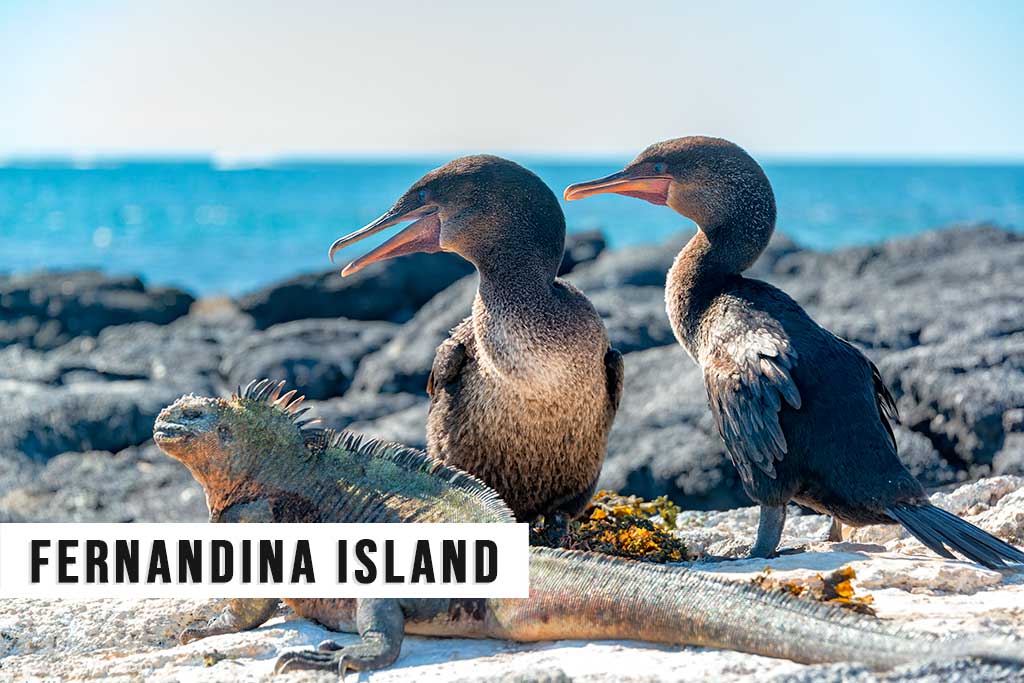
Fernandina is the youngest and most volcanically active island in the Galapagos. Its landscapes are dominated by recent lava flows, creating a stark but striking environment. Marine iguanas are abundant, and flightless cormorants nest here, adapted uniquely to the island. Fernandina remains one of the most pristine areas of the archipelago due to strict controls and its remote nature. It represents the continuing geological processes shaping the Galapagos.
Google map 4.6/5
Genovesa Island

Genovesa, often called “Bird Island,” lies in the north of the archipelago. It is a nesting site for numerous seabirds, including red-footed boobies, frigatebirds, and storm petrels. The island’s volcanic caldera has formed a bay accessible to small vessels, making it a popular site for snorkelling. Genovesa’s isolation and bird colonies contribute to its importance for ornithology and tourism within the Galapagos.
Google map 4.5/5