

Santa Cruz Island is one of the main islands in the Galápagos Archipelago, located in the centre of the group. It is the second-largest island, with an area of approximately 986 square kilometres. The island’s main town is Puerto Ayora, which serves as the administrative and tourism hub for the Galápagos, providing accommodation, restaurants, and visitor facilities.
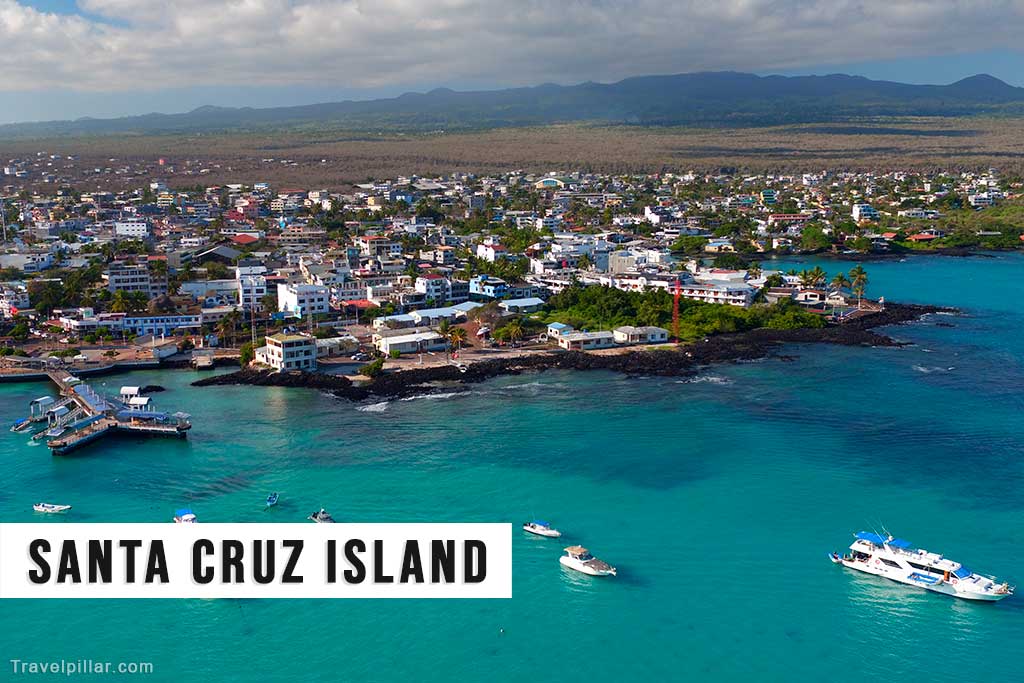
One of the principal attractions on Santa Cruz Island is the Charles Darwin Research Station. This facility focuses on conservation, scientific research, and education. Visitors can observe giant tortoises in captivity, including the breeding programmes aimed at preserving endangered subspecies. The research station also has informative exhibits about the natural history and biodiversity of the Galápagos.
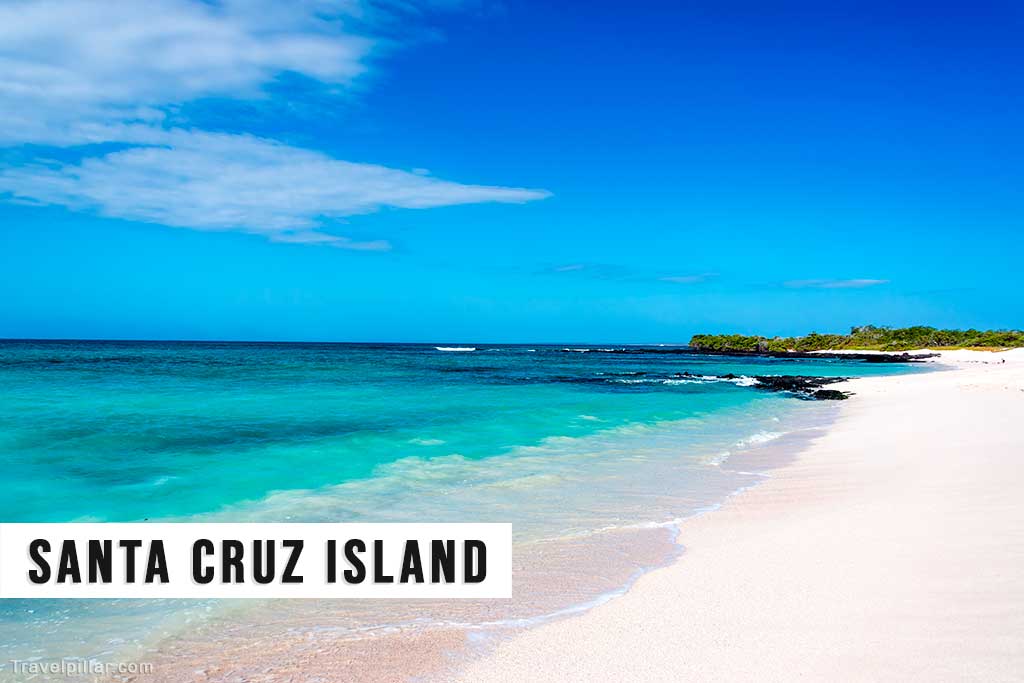
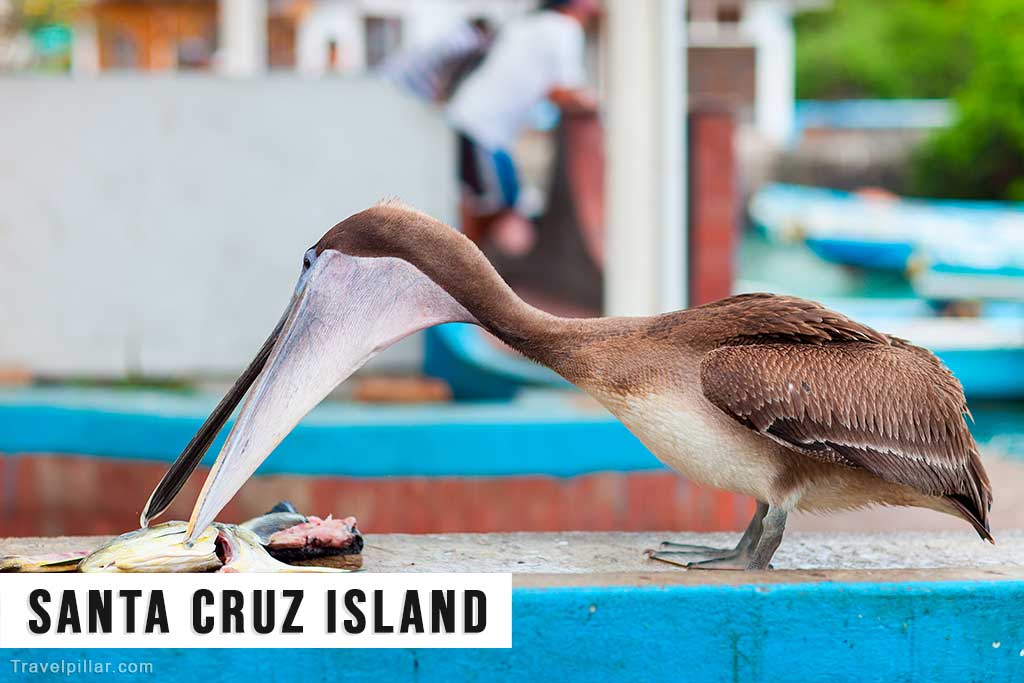
Another notable feature is Tortuga Bay, located about a 45-minute walk from Puerto Ayora. It consists of two beaches, Playa Brava and Playa Mansa. Playa Brava is known for its strong currents and is suitable for walking and photography, while Playa Mansa offers calm waters ideal for swimming and kayaking. The area is also a habitat for marine iguanas, pelicans, and other coastal wildlife.
Inland, the highlands of Santa Cruz provide a contrasting environment with lush vegetation and a cooler climate. Visitors often explore the twin volcanic craters known as Los Gemelos, formed by the collapse of underground magma chambers. The highlands are also home to private ranches where giant tortoises roam freely in their natural environment. These ranches offer guided tours, allowing observation of tortoises in mud pools and grassy areas.
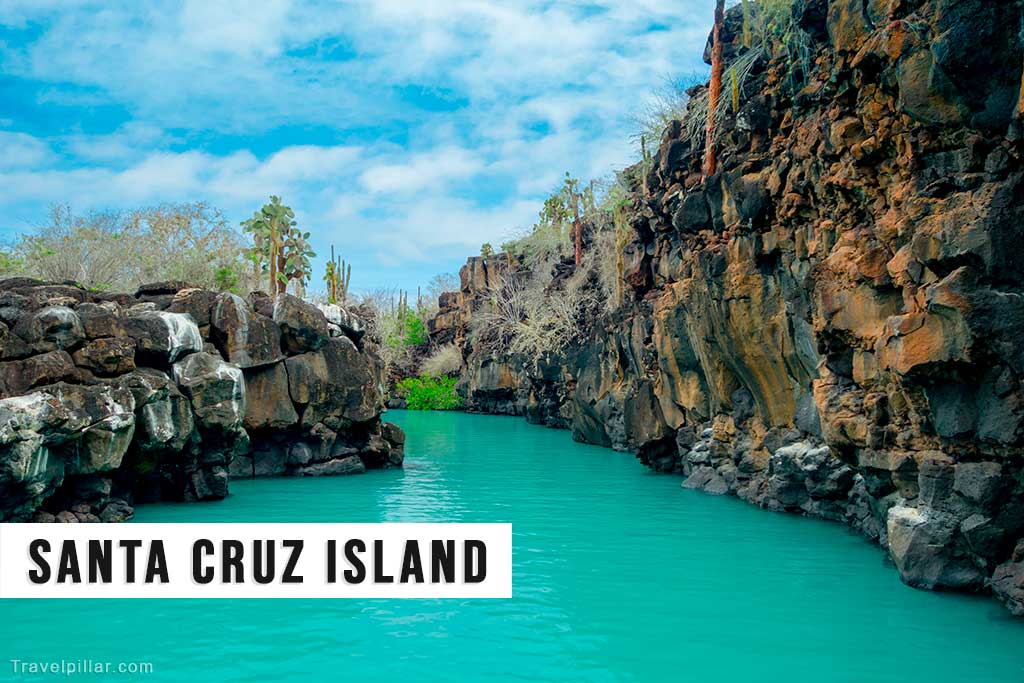
The island has several lava tunnels, which are underground passages formed by solidified lava flows. These tunnels can be explored with guides and demonstrate the volcanic processes that created the islands. In addition, the small village of Bellavista offers a glimpse of local agricultural practices, including coffee and sugar cane production.
Santa Cruz Island serves as a central base for excursions to nearby islands. Its diverse environments, from arid coastlines to humid highlands, support a wide range of endemic species and provide opportunities to study the unique ecology of the Galápagos. It remains an essential part of any itinerary for visitors to the archipelago.
Google map 4.7/5