

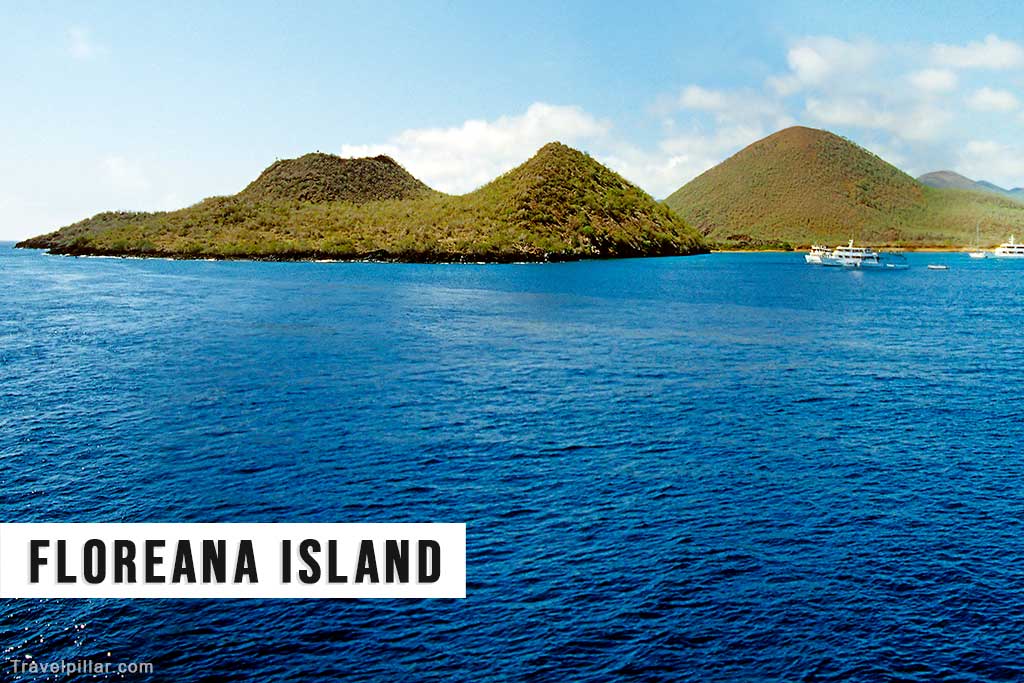
Floreana Island is one of the smaller inhabited islands in the Galápagos Archipelago, covering an area of approximately 173 square kilometres. It is located south of Santa Cruz Island and is known for its human history as well as its natural attractions. The island has a small population, mainly residing in the village of Puerto Velasco Ibarra.
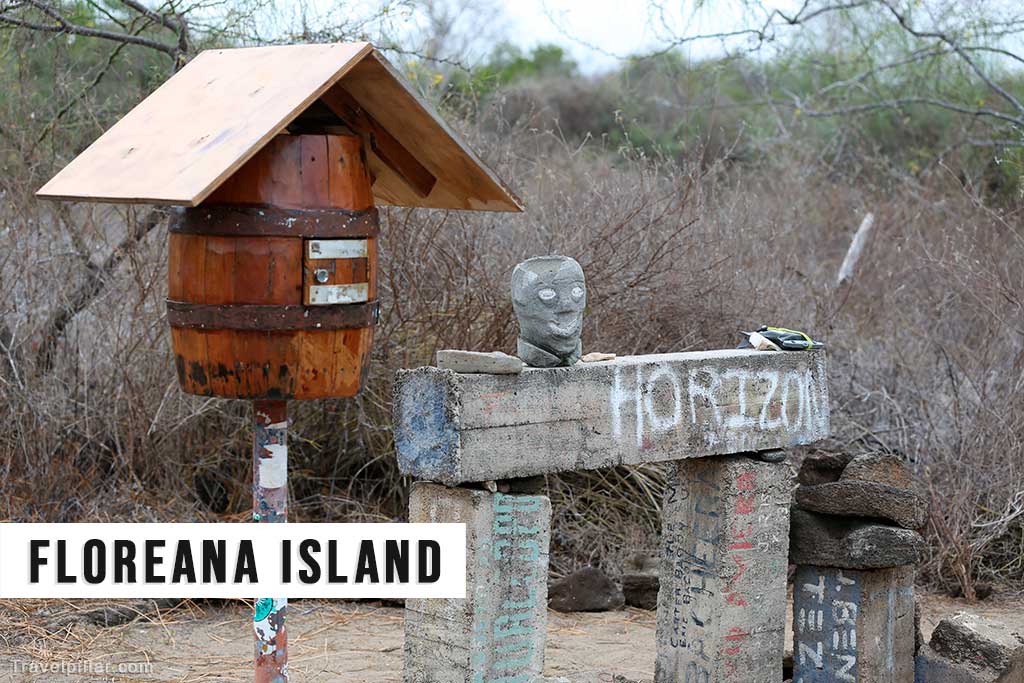
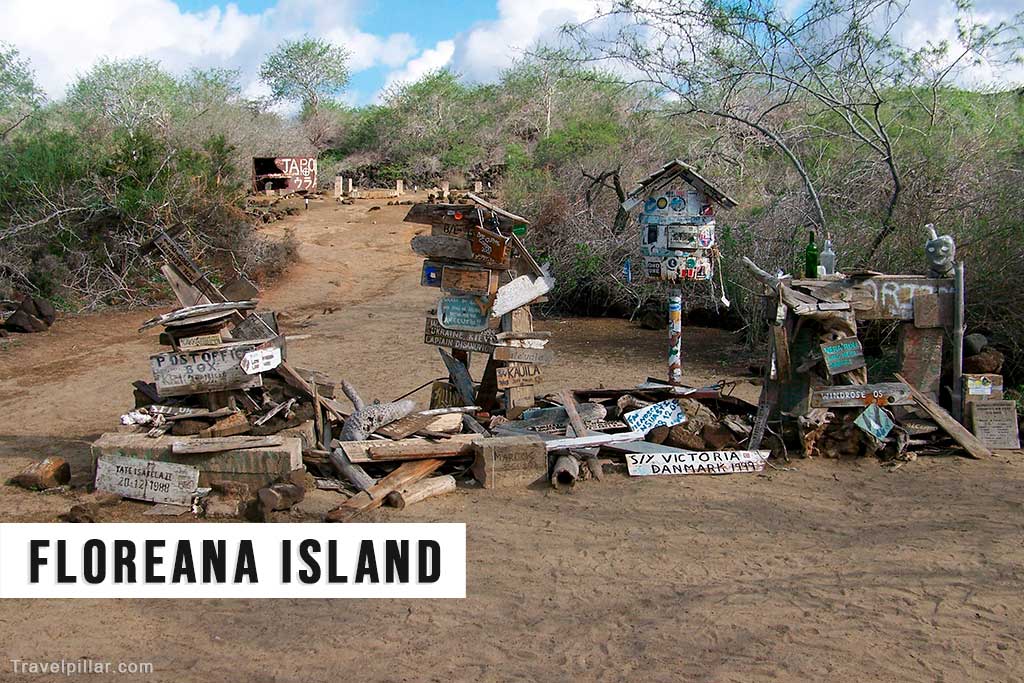
One of the principal attractions on Floreana is Post Office Bay. This site has historical significance dating back to the 18th century when whalers established a wooden barrel to serve as a postal system. Sailors would leave letters in the barrel and take any addressed to their home ports. Today, visitors continue this tradition by leaving postcards without stamps and taking others to deliver by hand.
Another notable site is Devil’s Crown, a volcanic crater located offshore near Punta Cormorant. The remains of the eroded crater form a circle of jagged rocks, creating one of the best snorkelling sites in the Galápagos. The strong currents attract a wide range of marine life, including reef sharks, rays, sea turtles, and numerous fish species.
Punta Cormorant itself is known for its green sand beach, coloured by olivine crystals, and a contrasting white sand beach composed of pulverised coral. The area is a nesting site for green sea turtles. A short trail from the beach leads to a brackish lagoon, which is home to flamingos, pintails, and other wading birds.
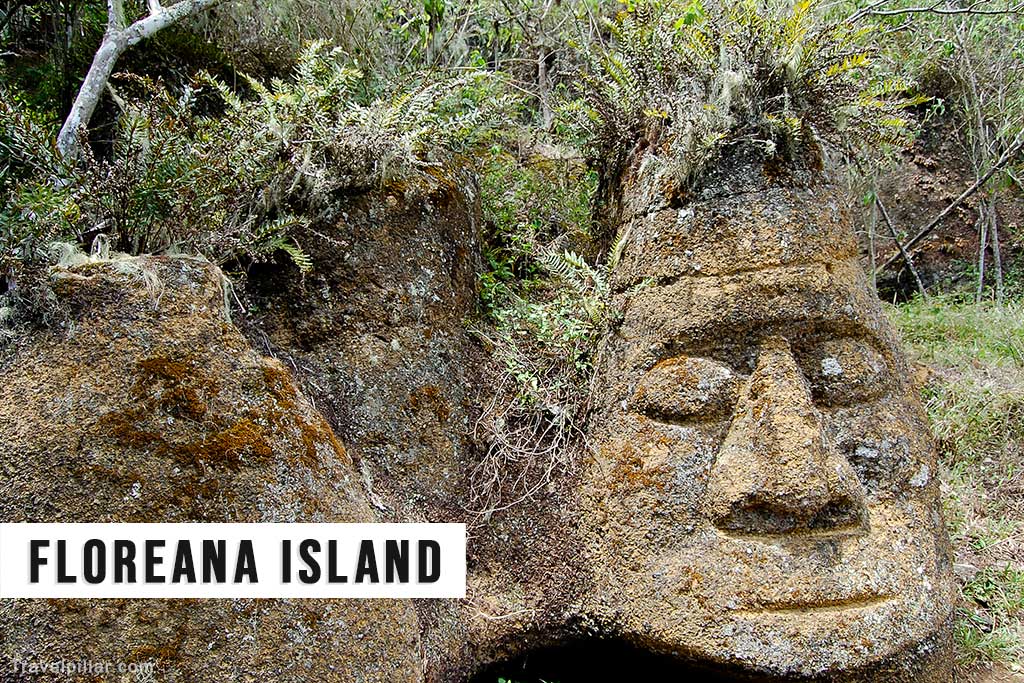
Floreana is also known for its highlands, which contain sites such as Asilo de la Paz. This area includes a freshwater spring, caves used by early settlers and pirates, and a historic tortoise enclosure. The highlands provide habitat for Floreana’s endemic plant species and offer views over the island and coastline.
The island has a history of human settlement, including the arrival of Norwegians in the 1920s, German settlers in the 1930s, and earlier whaling crews. Floreana Island offers visitors a combination of historical sites, unique geological features, snorkelling opportunities, and quiet village life. Its relatively low number of inhabitants and visitors provides a more isolated and tranquil experience compared to other Galápagos islands.
Google map 4.8/5