
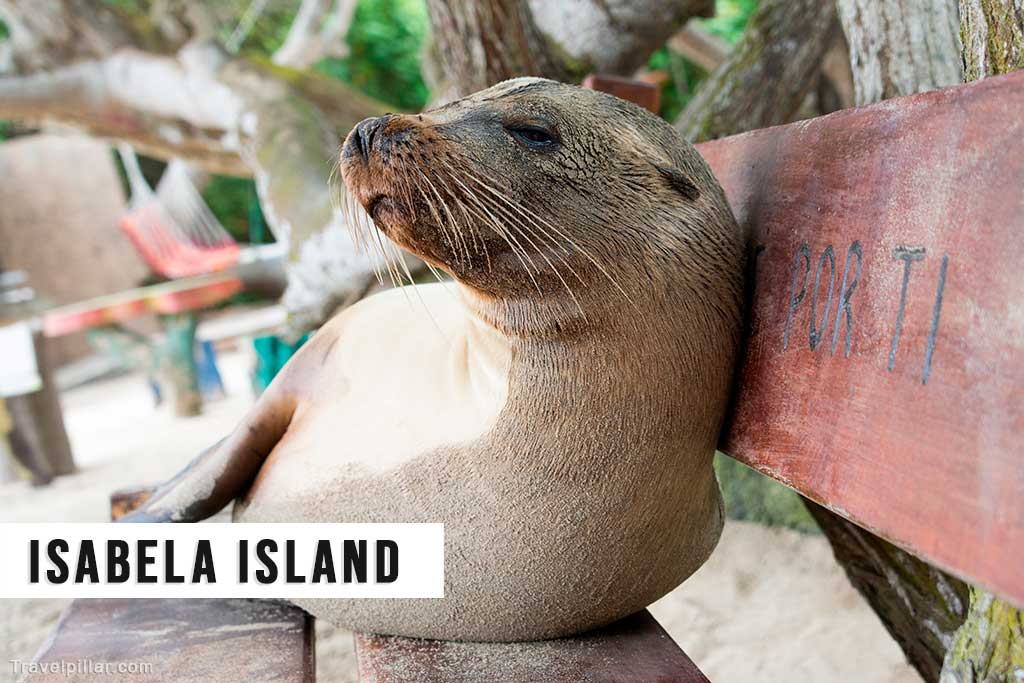
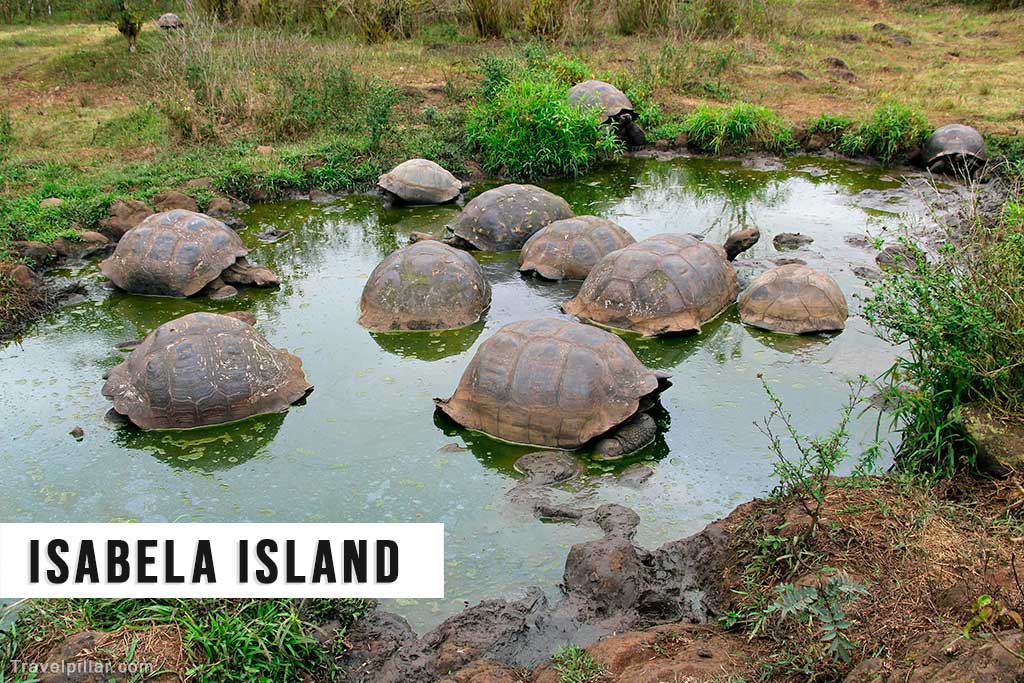
Isabela Island is the largest island in the Galápagos Archipelago, covering approximately 4,640 square kilometres. It was formed by the merger of six volcanoes, five of which are still active, making it one of the most volcanically active regions on Earth. The island is shaped like a seahorse and is located on the western side of the archipelago.
The main town on Isabela is Puerto Villamil, situated on the southeastern coast. It is a small settlement with basic tourist facilities, including hotels, restaurants, and tour operators.
One of the island’s principal attractions is Sierra Negra Volcano. It has one of the largest volcanic calderas in the world, with a diameter of around 10 kilometres. Visitors can hike to the rim of the caldera to observe the landscape and recent lava flows. The hike also offers views of the surrounding volcanoes and coastal plains.
Another notable site is the Wall of Tears (Muro de las Lágrimas), located approximately 6 kilometres west of Puerto Villamil. It was constructed between 1945 and 1959 by prisoners held at a penal colony on the island. The wall is about 25 metres high and serves as a historical reminder of the hardships endured by those forced to build it.
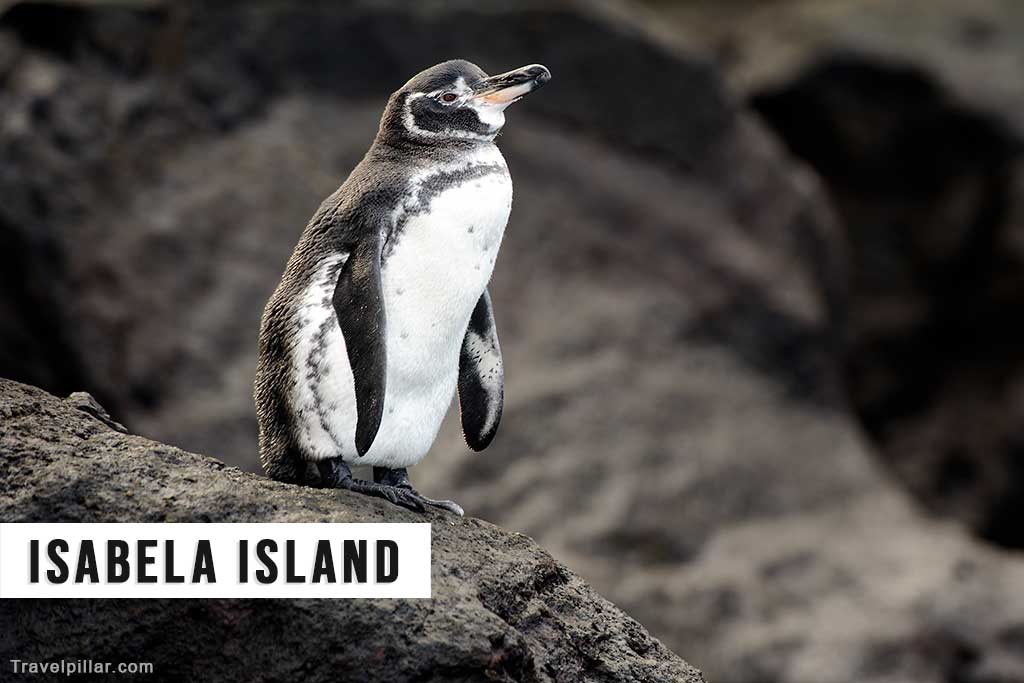
Isabela Island is known for its wetlands, which consist of lagoons, mangroves, and swamps. These areas provide habitats for flamingos, white-cheeked pintails, common stilts, and migratory birds. The Concha de Perla lagoon, located near the town’s port, is a popular site for snorkelling, where visitors may see sea lions, marine iguanas, and various fish species.
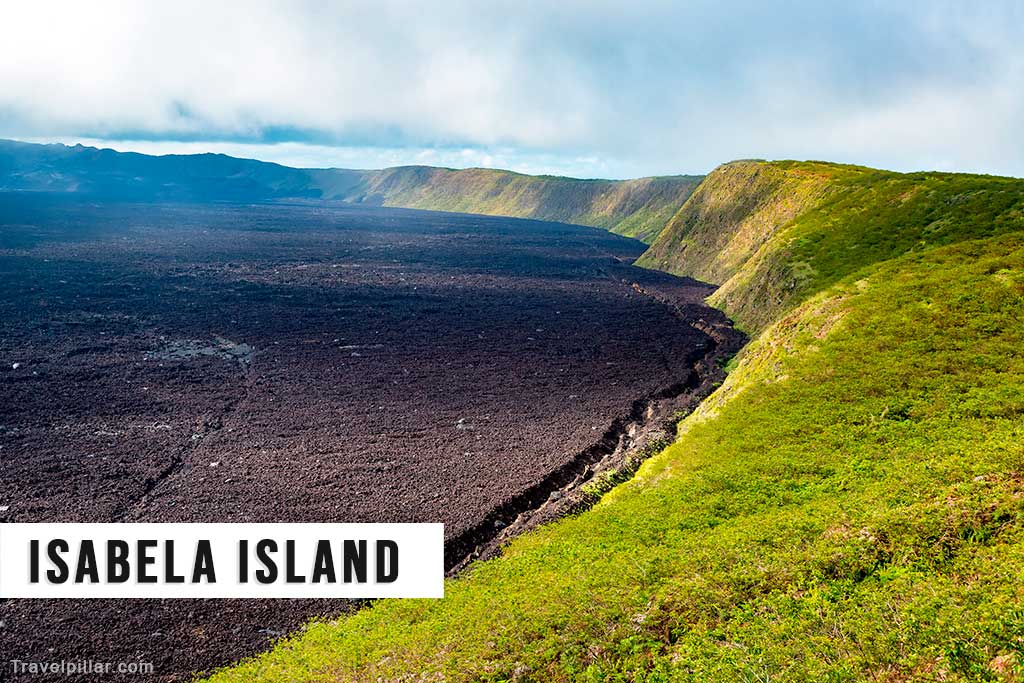
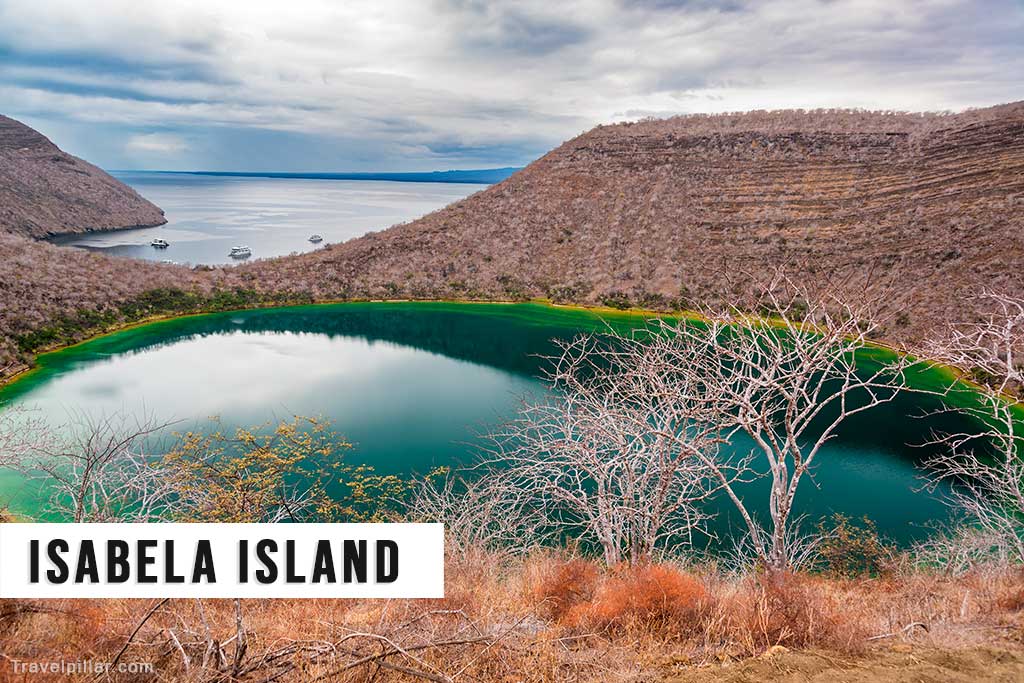
On the western coast, Punta Moreno offers views of extensive lava fields with isolated lagoons and pools that support flamingos and other birdlife. Another coastal site, Tagus Cove, has historical significance as it was used by whalers and pirates. Visitors can see graffiti dating back to the 1800s and hike to a viewpoint overlooking Darwin Lake, a saltwater crater lake.
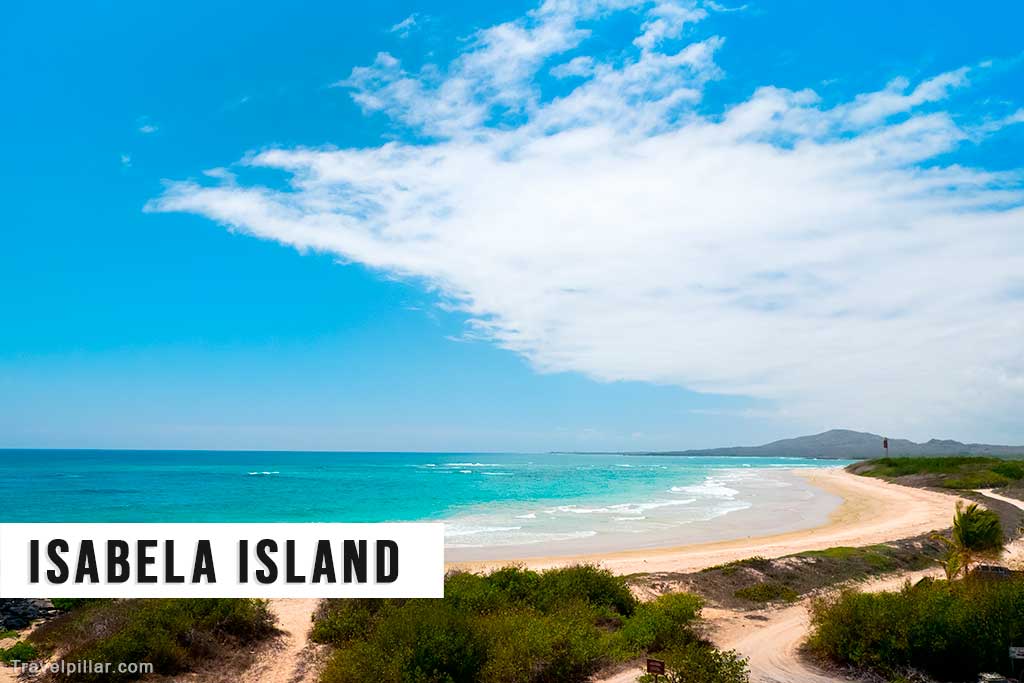
Isabela Island’s diverse landscapes, active volcanoes, and rich wildlife make it a significant destination within the Galápagos Archipelago, suitable for observing geological features alongside endemic fauna.
Google map 4.6/5