
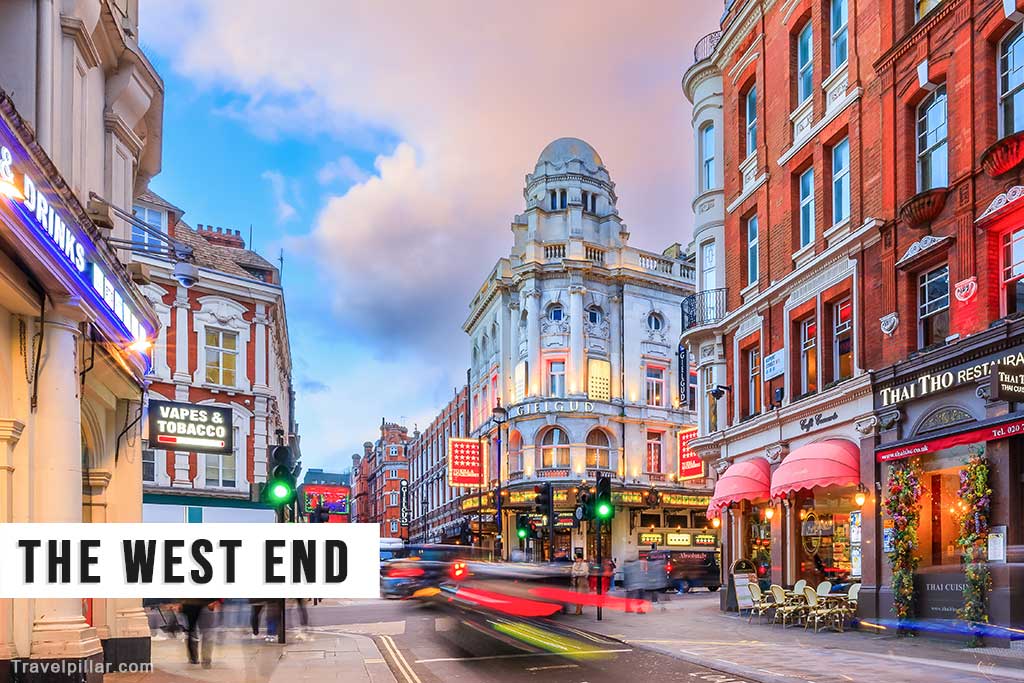
London’s West End is synonymous with world-class theatre, dazzling entertainment, and a vibrant cultural scene. Situated in the heart of the city of London, the West End is home to an array of iconic venues, including legendary theatres such as the Theatre Royal Drury Lane, the London Palladium, and the Royal Opera House. With an ever-changing roster of performances, from long-running musicals to cutting-edge plays, the West End offers visitors an unparalleled theatrical experience that rivals Broadway in New York City.
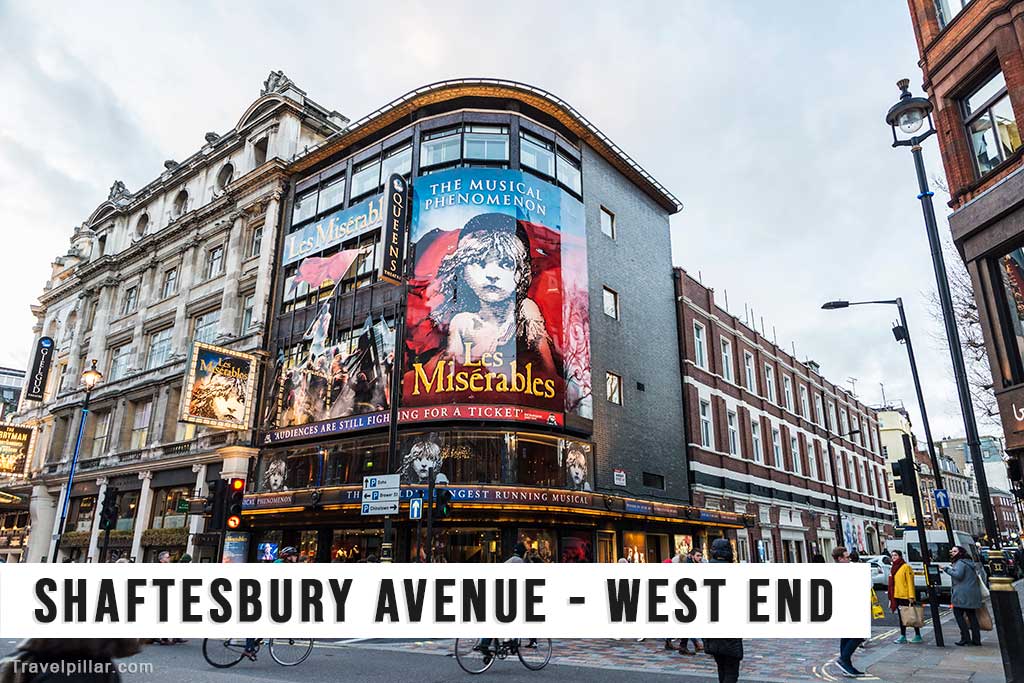
The West End’s thriving theatre district includes areas such as Covent Garden, Soho, and Leicester Square, each boasting their own unique character and charm. Covent Garden, with its picturesque market square and upscale shopping destinations, is a popular spot for tourists seeking a quintessential London experience. Soho, on the other hand, is known for its trendy eateries, lively nightlife, and eclectic mix of independent shops and galleries.
In addition to its theatre offerings, the West End is home to numerous world-famous attractions, including Trafalgar Square, the National Gallery, and the British Museum. The area also boasts a diverse culinary scene, with restaurants and cafes catering to all tastes and budgets.
Visiting the West End is not complete without taking in a show. From beloved classics like “The Phantom of the Opera” and “Les Misérables” to contemporary hits such as “Hamilton” and “Harry Potter and the Cursed Child,” there is truly something for everyone in this iconic theatre district.
With its rich history, unparalleled entertainment options, and bustling atmosphere, London’s West End is a must-visit destination for theatre enthusiasts and casual tourists alike.
Google map of the West End
London West End Theatres
Theatre Royal Drury Lane
The Theatre Royal Drury Lane, located in Covent Garden, is one of London’s oldest and most prestigious theatres, with origins dating back to 1663. The current building, completed in 1812, features grand Regency-style architecture and luxurious interiors. It has undergone several renovations, most recently in 2021, preserving its historical charm while enhancing modern facilities. With a seating capacity of over 2,000, it remains a prominent venue for large-scale theatrical productions.
Official website: https://lwtheatres.co.uk/
Google map 4.7/5
London Palladium
The London Palladium, located on Argyll Street, is one of London’s most iconic theatres. Opened in 1910, it is renowned for its variety performances and has hosted a wide range of productions, including concerts and television specials. The Edwardian-style venue features a grand auditorium with a seating capacity of over 2,300. With its rich history and versatile stage, the Palladium remains a cornerstone of London’s theatrical and entertainment scene.
Official website: https://lwtheatres.co.uk/
Google map 4.6/5
Royal Opera House
The Royal Opera House, located in Covent Garden, is a world-renowned venue for opera and ballet. Originally opened in 1732, the current building dates to 1858 following a reconstruction. Its elegant neoclassical façade and state-of-the-art facilities make it a cultural landmark. Home to The Royal Opera and The Royal Ballet, it offers a seating capacity of over 2,200. The Royal Opera House remains a cornerstone of London’s performing arts tradition.
Official website: https://www.rbo.org.uk
Google map 4.8/5
London Coliseum
The London Coliseum, located on St. Martin’s Lane, is one of London’s largest and most prestigious theatres. Opened in 1904, it was designed by Frank Matcham and features an opulent Edwardian Baroque style. Originally intended as a variety theatre, it now serves as the home of the English National Opera. With a seating capacity of over 2,300, the London Coliseum is renowned for its grandeur, exceptional acoustics, and contribution to the performing arts.
Official website: https://londoncoliseum.org
Google map 4.7/5
Adelphi Theatre
The Adelphi Theatre, located on the Strand, is known for its long history of musicals and dramatic performances. Opened in 1806, the current building dates back to 1930. It is currently hosting Back to the Future: The Musical, a dynamic stage adaptation of the classic film. With a seating capacity of 1,500, the Adelphi remains a popular destination for innovative and entertaining productions.
Official website: https://lwtheatres.co.uk/
Lyceum Theatre
The Lyceum Theatre, located in Covent Garden, is a historic venue renowned for its grand Victorian architecture. Originally opened in 1834, the current structure dates back to 1904 after a major reconstruction. With a seating capacity of over 2,000, it is one of London’s largest theatres. The Lyceum has hosted a variety of performances, from classical plays to large-scale musicals, cementing its reputation as a key part of London’s theatrical heritage.
Official website: https://www.thelyceumtheatre.com
Google map 4.7/5
Palace Theatre
The Palace Theatre, located on Cambridge Circus in London’s West End, is a historic venue that opened in 1891. Designed by Thomas Edward Collcutt, the theatre features an impressive red-brick façade and ornate interiors. With a seating capacity of approximately 1,400, it has been a prominent venue for musicals, plays, and opera. The Palace Theatre remains an iconic part of London’s theatrical landscape, known for its architectural grandeur and rich history.
Official website: https://palacetheatre.co.uk
Google map 4.6/5
The Prince of Wales Theatre
The Prince of Wales Theatre, situated near Leicester Square, is a prominent West End venue with a rich history dating back to its original opening in 1884. The current building, completed in 1937, features a sleek Art Deco design and a seating capacity of approximately 1,100. Known for its intimate and modern ambiance, the theatre has hosted a variety of acclaimed productions, establishing itself as a staple of London’s vibrant theatre scene.
Official website: https://www.princeofwalestheatre.co.uk
Google map 4.7/5
Prince Edward Theatre
The Prince Edward Theatre, located in Soho, London, is a historic venue that opened in 1930. Designed in an Art Deco style, it has undergone several renovations to modernize its facilities while preserving its architectural charm. With a seating capacity of approximately 1,700, the theatre is well-suited for large-scale musical productions. Its central location and elegant interiors make it a significant part of London’s West End theatre district.
Official website: https://www.princeedwardtheatre.co.uk
Google map 4.7/5
Apollo Victoria Theatre
The Apollo Victoria Theatre, located near Victoria Station, is a striking example of Art Deco architecture. Originally opened in 1930 as a cinema, the venue was later converted into a theatre in 1981. Its interior features sleek, geometric designs and atmospheric lighting, creating an immersive environment for audiences. With a seating capacity of over 2,300, the Apollo Victoria remains one of London’s largest and most visually distinctive theatres.
Website: https://www.theapollovictoria.com
Google map 4.6/5
Savoy Theatre
The Savoy Theatre, located on the Strand, is a historic London venue that opened in 1881. It holds the distinction of being the first public building in the world to be lit entirely by electricity. Known for its elegant Art Deco interiors following a 1929 refurbishment, the theatre has a seating capacity of approximately 1,150. Situated adjacent to the Savoy Hotel, it remains an integral part of London’s West End theatrical tradition.
Official website: https://www.thesavoytheatre.com
Google map 4.5/5
Cambridge Theatre
The Cambridge Theatre, located in Earlham Street, London, is an elegant venue opened in 1930. Featuring a striking mix of Art Deco and Modernist architectural styles, the theatre offers a sophisticated setting for a variety of performances. Its relatively intimate seating capacity of approximately 1,200 ensures an engaging experience for audiences. Known for its clean lines and refined interiors, the Cambridge Theatre remains a significant part of London’s West End theatre scene.
Official website: https://lwtheatres.co.uk/
Google map 4.6/5
Her Majesty’s Theatre
Her Majesty’s Theatre, located on Haymarket in London, is a historic venue with roots dating back to 1705. The current building, designed by Charles J. Phipps, opened in 1897 and features Edwardian Baroque architecture. With a seating capacity of approximately 1,200, the theatre is renowned for its ornate interiors and excellent acoustics. Its long-standing presence and architectural charm make Her Majesty’s Theatre a cornerstone of London’s West End theatre district.
Official website: https://lwtheatres.co.uk/
Google map 4.7/5
Victoria Palace Theatre
The Victoria Palace Theatre, situated near Victoria Station in London, is a historic West End venue that opened in 1911. Designed by Frank Matcham, it showcases Edwardian architectural elegance with its ornate façade and luxurious interiors. The theatre underwent extensive renovations in 2017 to enhance its facilities while preserving its heritage. With a seating capacity of approximately 1,500, the Victoria Palace Theatre remains a prominent destination for large-scale theatrical productions.
Official website: https://www.victoriapalacetheatre.co.uk
Google map 4.7/5
Sondheim Theatre
The Sondheim Theatre, located on Shaftesbury Avenue in London, is a prominent West End venue originally opened in 1907 as the Queen’s Theatre. Renamed in 2019 in honor of composer Stephen Sondheim, the theatre underwent significant renovations to modernize its facilities while preserving its historical charm. With a seating capacity of approximately 1,000, the Sondheim Theatre features an elegant design and intimate atmosphere, making it a distinguished location for theatrical performances.
Official website: https://www.sondheimtheatre.co.uk
Google map 4.7/5
St. Martin’s Theatre
St. Martin’s Theatre, located on West Street in London’s West End, is a historic venue that opened in 1916. Designed by W.G.R. Sprague, the theatre features an elegant Edwardian architectural style with a seating capacity of approximately 550. Its intimate atmosphere and central location make it ideal for smaller productions. St. Martin’s Theatre is notable for its enduring contribution to London’s theatrical heritage and remains a beloved landmark in the West End.
Official website: https://themousetrap.com
Google map 4.6/5
Gillian Lynne Theatre
The Gillian Lynne Theatre, located on Drury Lane in London’s West End, is a modern venue named after the renowned choreographer Gillian Lynne. Originally opened in 1973 as the New London Theatre, it was renamed in 2018. The theatre features a flexible stage design and a seating capacity of approximately 1,000, making it suitable for innovative and large-scale productions. Its contemporary architecture and cutting-edge facilities distinguish it within London’s theatrical landscape.
Official website: https://lwtheatres.co.uk/
Google map 4.7/5
Dominion Theatre
The Dominion Theatre, located on Tottenham Court Road, is a prominent venue in London’s West End. Opened in 1929, the theatre features Art Deco architecture and a spacious auditorium with a seating capacity of over 2,000. Known for hosting large-scale productions and concerts, the Dominion has undergone several refurbishments to enhance its facilities. Its central location and rich history make it a key part of London’s entertainment and cultural landscape.
Official website: https://nederlander.co.uk/dominion
Google map 4.7/5
Please note that theatre websites and addresses may change over time. It’s important to double-check the information before planning a visit.