
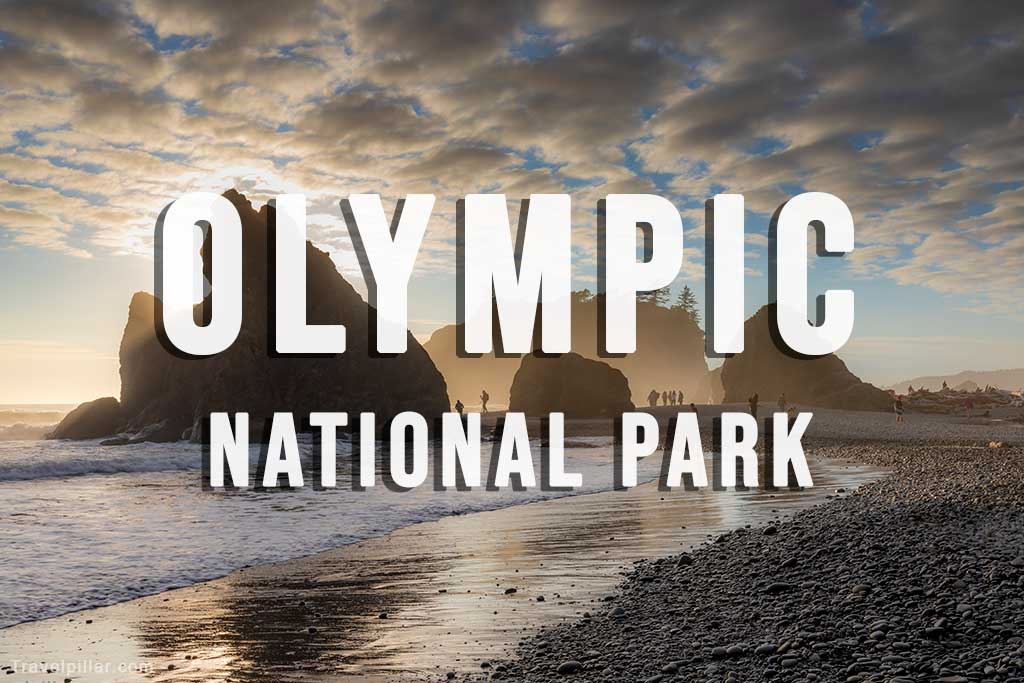
Olympic National Park in Washington State, USA, is notable for its diverse landscapes. It encompasses glacier-capped mountains, temperate rainforests, and a rugged coastline. This range of environments makes it one of the most varied parks in the United States.
The park preserves ancient forests, alpine ecosystems, and more than 70 miles of undeveloped Pacific shoreline. It is designated both a UNESCO World Heritage Site and an International Biosphere Reserve, reflecting its ecological importance.
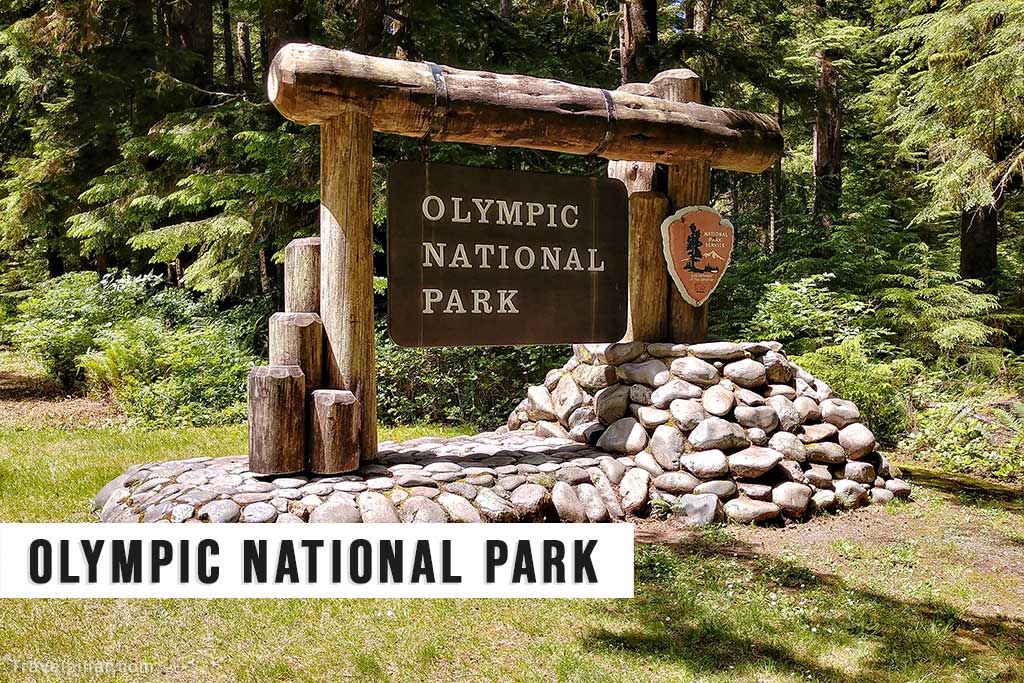
Visitors encounter a mixture of natural beauty, wildlife, and recreational opportunities. Hiking, scenic drives, and quiet exploration reveal different sides of the park. The following list highlights ten of the most significant areas and activities within Olympic National Park.
Official website: https://www.nps.gov/olym/
Google map 4.8/5
Olympic National Park Highlights
Hurricane Ridge
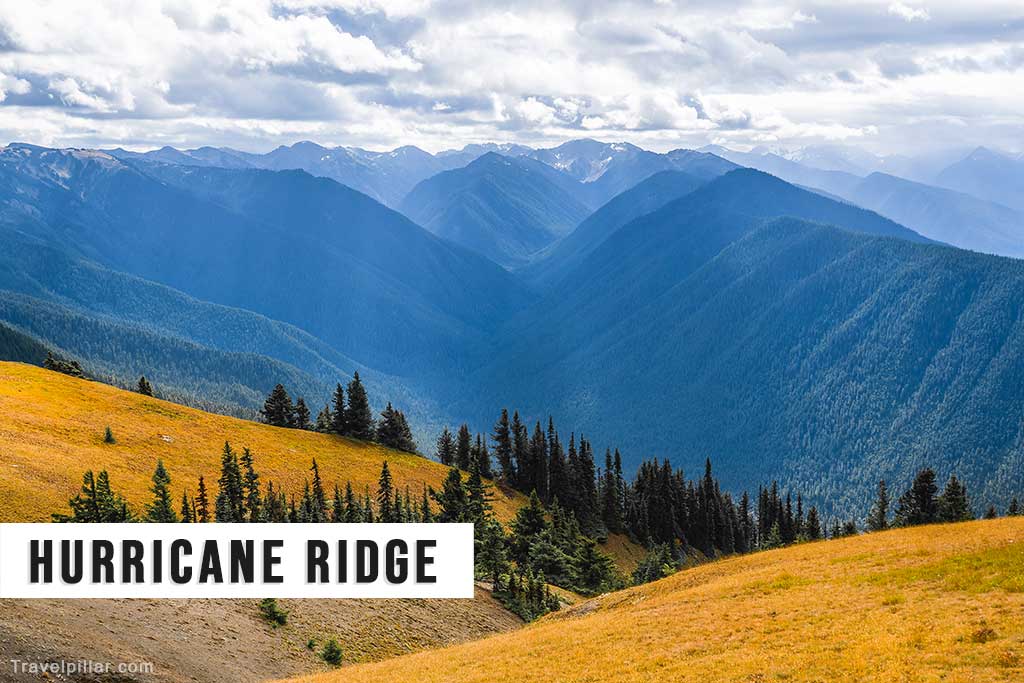
Hurricane Ridge offers panoramic mountain views just 17 miles from Port Angeles. In summer, wildflower meadows and hiking trails provide access to alpine scenery. In winter, it becomes a hub for snowshoeing, skiing, and other seasonal activities. The ridge is among the most accessible parts of the park, allowing visitors to quickly experience high-elevation landscapes.
Google map 4.8/5
Hoh Rain Forest

The Hoh Rain Forest is a temperate rainforest with moss-draped trees and dense vegetation. Receiving over 100 inches of rain annually, it is among the wettest places in the United States. Trails such as the Hall of Mosses allow exploration of its unique ecosystem. The forest is home to Roosevelt elk, numerous bird species, and rich plant life.
Google map 4.7/5
Rialto Beach

Rialto Beach features dramatic coastal scenery with sea stacks, driftwood, and tide pools. Located near the town of La Push, it is part of the park’s undeveloped shoreline. The Hole-in-the-Wall rock formation is a highlight, reached by a walk along the beach at low tide. The area combines striking views with opportunities for marine wildlife observation.
Google map 4.8/5
Sol Duc Valley

The Sol Duc Valley is known for its waterfalls, hot springs, and forested trails. Sol Duc Falls is one of the most photographed waterfalls in the park, with a short hike leading to its viewpoint. Nearby, Sol Duc Hot Springs Resort provides pools fed by natural mineral springs. The valley combines scenic hiking with relaxation.
Google map Sol Duc Falls 4.8/5
Lake Crescent
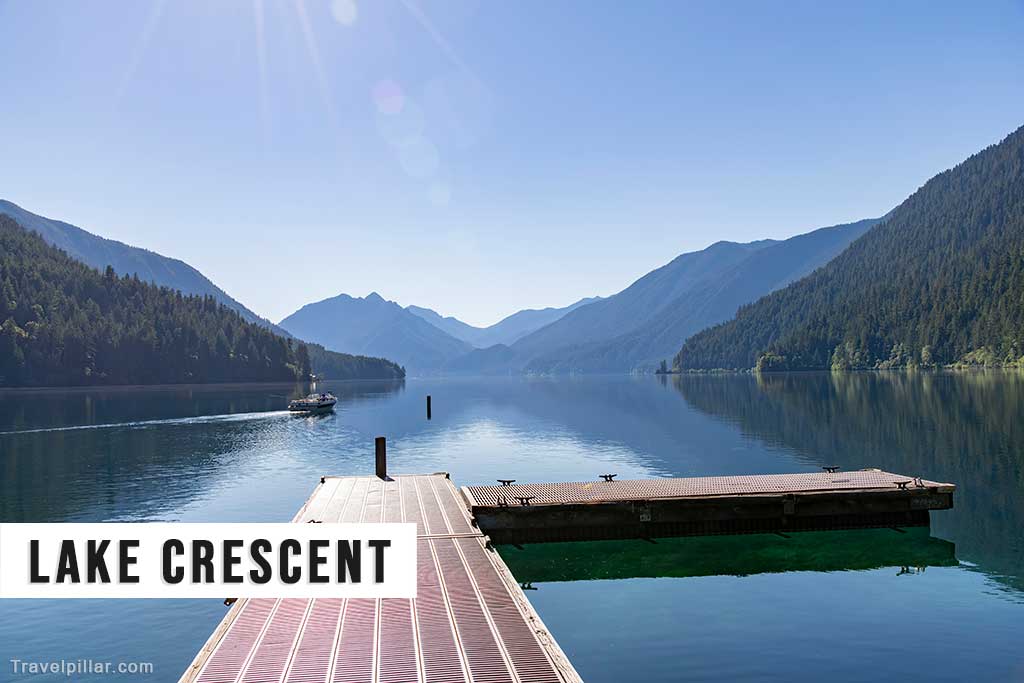
Lake Crescent is a deep glacial lake surrounded by steep, forested mountains. Its clear waters are popular for kayaking, swimming, and fishing. Several trails, including the hike to Marymere Falls, begin near the lake. The historic Lake Crescent Lodge offers accommodation and access to the shoreline. The lake is a focal point of the northern part of the park.
Google map 4.9/5
Ruby Beach
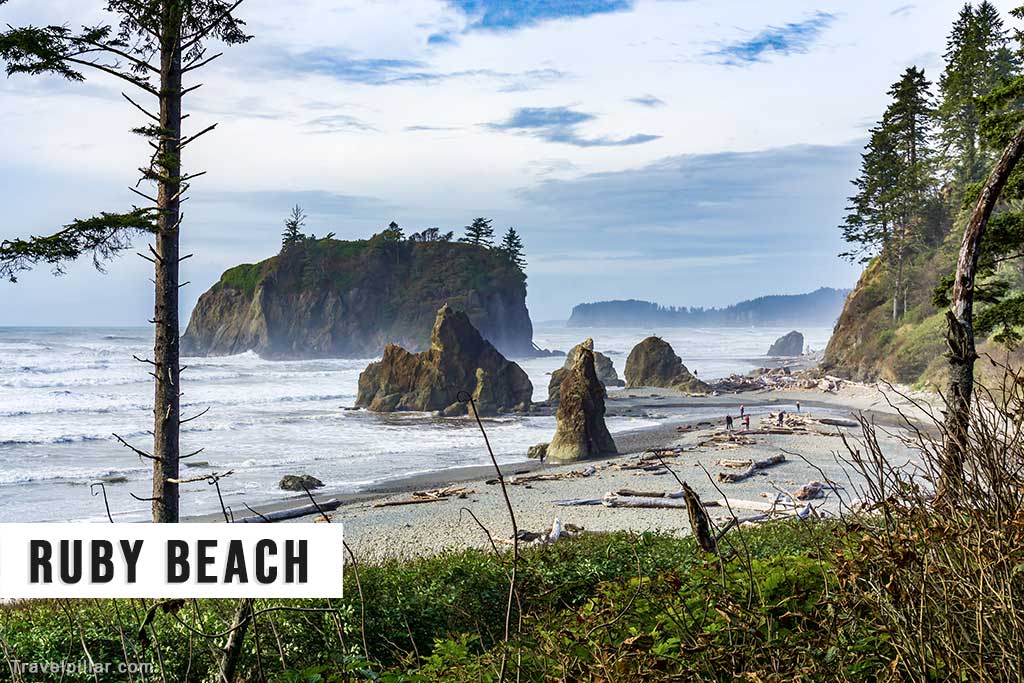
Ruby Beach is noted for its reddish sand, sea stacks, and large driftwood. It is one of the most accessible beaches in the park, reached by a short path from the highway. Tide pools reveal starfish, anemones, and other marine life at low tide. The combination of dramatic scenery and easy access makes it a popular stop.
Google map 4.8/5
Quinault Rain Forest
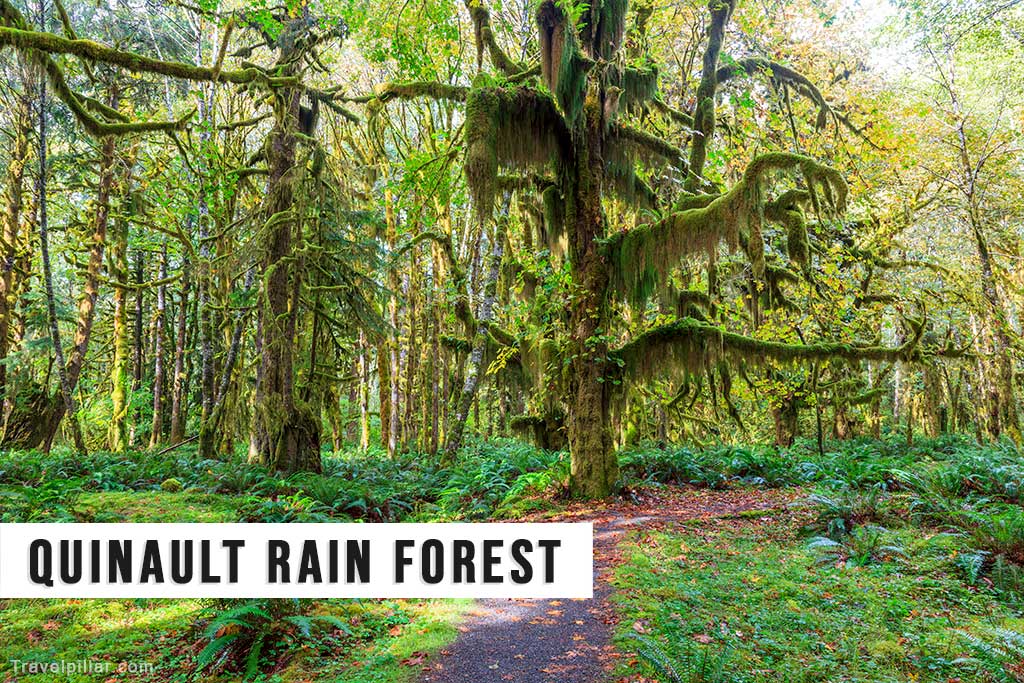
The Quinault Rain Forest is located on the park’s southwestern edge. It contains massive Sitka spruce and Douglas fir trees, some among the largest in the world. Trails follow the Quinault River and Lake Quinault, providing opportunities for hiking and wildlife viewing. The valley receives heavy rainfall, supporting lush growth and diverse species.
Google map 4.8/5
Kalaloch Beach
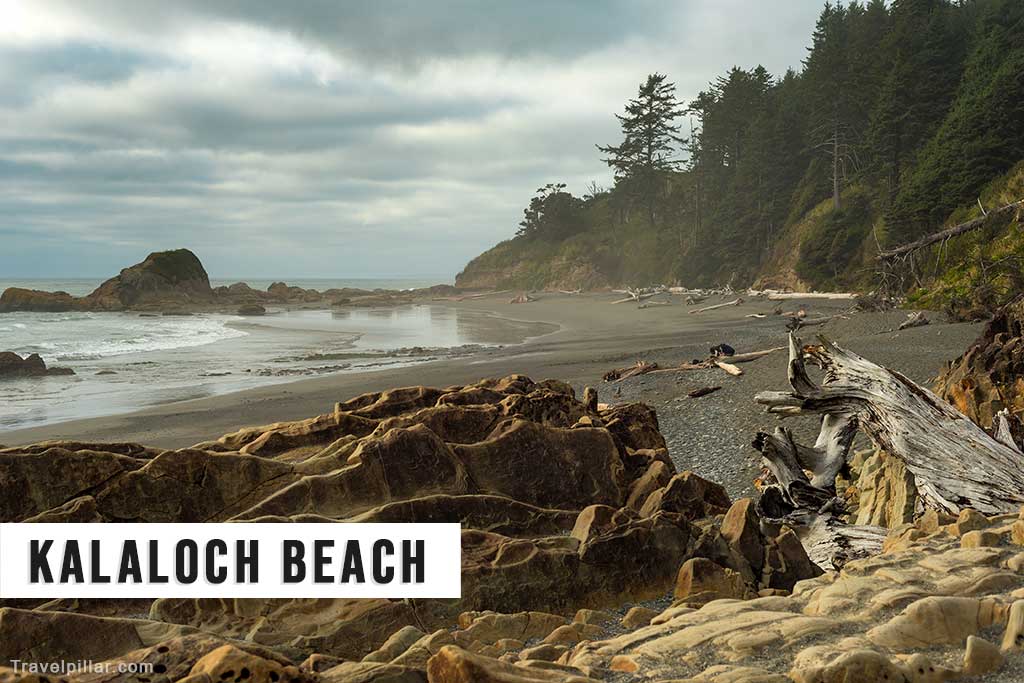
Kalaloch Beach is known for its broad sandy stretches and the famous Tree of Life, a tree precariously rooted over an eroded hollow. The beach is part of a protected coastal area and offers camping near the ocean. It is a good location for birdwatching and storm-watching in winter. The setting combines dramatic coastal features with accessibility.
Google map 4.8/5
Marymere Falls
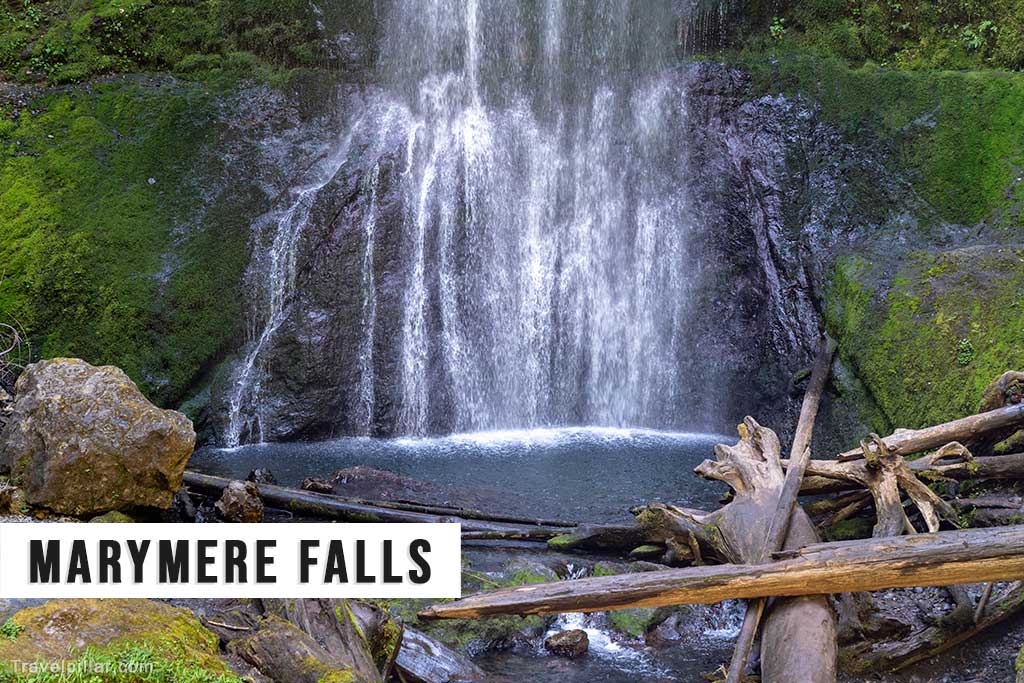
Marymere Falls is a 90-foot waterfall near Lake Crescent. A short, well-marked trail through old-growth forest leads visitors to a viewing platform. The walk passes moss-covered trees and streams before reaching the falls, which descend in a narrow cascade into a forested ravine. Easily accessible and suitable for most visitors, Marymere Falls combines natural beauty with a straightforward hike.
Google map Marymere Falls 4.8/5
Google map Marymere Falls Trailhead & carpark 4.8/5
Ozette Lake and Coast
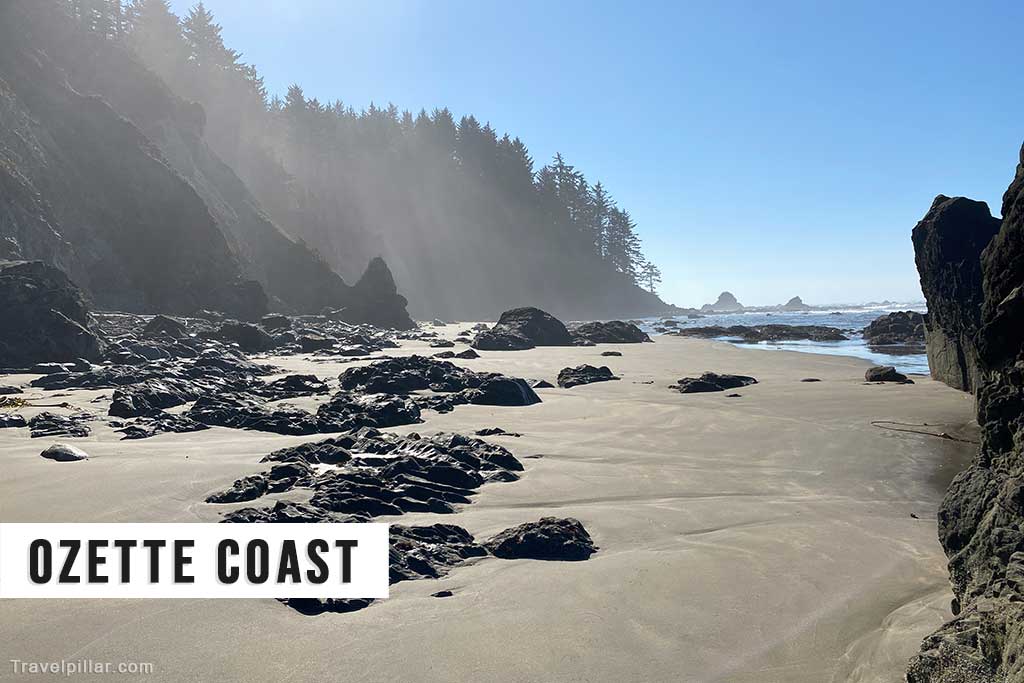
Ozette Lake, the largest natural lake in Washington, provides access to a remote section of the park’s coastline. Boardwalk trails connect the lake to the Pacific, forming the popular Ozette Triangle loop. The route passes through forest and wetlands before reaching beaches marked by sea stacks and petroglyphs.
Google map Ozette Lake 4.5/5
Google map Ozette Triangle Coastal Trailhead 4.6/5