

The United States has a vast and varied landscape, preserved through its system of national parks. These protected areas showcase the country’s natural beauty, ecological diversity, and geological wonders, drawing millions of visitors each year.
From towering mountains and expansive forests to deserts and wetlands, the parks reflect the diversity of North America’s geography. They also serve as important habitats for wildlife and protect significant ecosystems.
Visiting the national parks provides an opportunity to explore unspoiled nature, engage in outdoor activities, and encounter unique environments. The following list highlights ten of the most notable parks across the United States, each with its own distinct character. Each park listed below links to a dedicated page with more detailed information.
10. Olympic National Park (Washington)

Covering nearly one million acres, Olympic National Park contains three distinct ecosystems: wild Pacific coastline, glaciated mountain peaks, and temperate rainforest. This provides a diverse and varied experience for visitors.
• Key activities: Exploring the lush Hoh Rainforest, walking along pristine Pacific beaches, and driving to Hurricane Ridge for panoramic mountain views.
View full Olympic National Park guide →
Official website: https://www.nps.gov/olym/
9. Acadia National Park (Maine)

The only national park in the northeastern U.S., Acadia features a unique combination of a rugged, rocky coastline, rounded granite peaks, and lush forests. It’s a classic New England experience with lighthouses and picturesque harbors.
• Key activities: Watching the sunrise from Cadillac Mountain, hiking along the shore and carriage roads, and cycling on car-free paths.
View full Acadia National Park guide →
Official website: https://www.nps.gov/acad/
8. Grand Teton National Park (Wyoming)

Just south of Yellowstone, Grand Teton showcases a jagged, alpine mountain range rising dramatically from the sage-covered valley floor. The park is known for its glistening, jewel-like lakes.
• Key activities: Hiking, wildlife viewing (moose, elk, and bison), and scenic drives through the park’s majestic landscapes.
View full Grand Teton National Park guide →
Official website: https://www.nps.gov/grte/
7. Rocky Mountain National Park (Colorado)

Spanning the Continental Divide, this park boasts stunning alpine vistas, scenic drives, and a massive network of hiking trails. The ecosystems here range from forested valleys to alpine tundra.
• Key activities: Scenic drives, hiking to alpine lakes and high-elevation viewpoints, and wildlife spotting, including elk and bighorn sheep.
View full Rocky Mountain National Park guide →
Official website: https://www.nps.gov/romo/
6. Zion National Park (Utah)

Defined by massive cream, pink, and red sandstone cliffs, Zion is an outdoor adventurer’s paradise. The Virgin River carves its way through the park, creating dramatic, vertical scenery.
• Key activities: Epic canyon hikes like Angels Landing and The Narrows, rock climbing, and scenic drives.
View full Zion National Park guide →
Official website: https://www.nps.gov/zion/
The remaining parks include some of the most iconic and widely visited landscapes in the United States…
5. Great Smoky Mountains National Park (Tennessee, North Carolina)
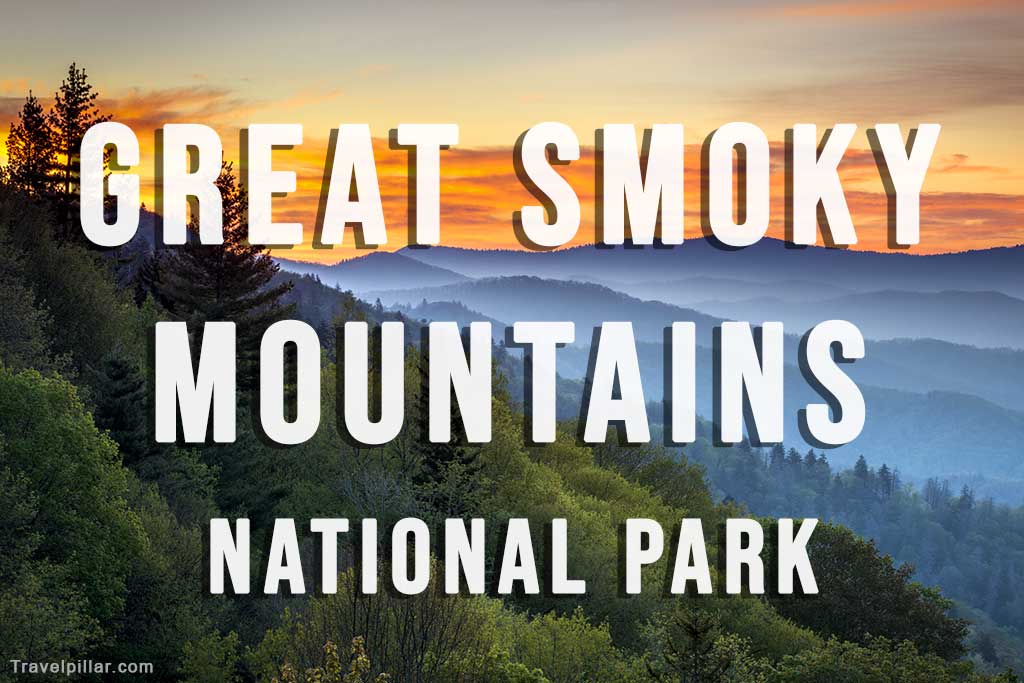
Consistently the most-visited national park in the U.S., the Great Smoky Mountains offers exceptional biodiversity and stunning, ancient mountain views. The park is known for its misty, blue-tinted peaks and beautiful fall foliage.
• Key activities: Hiking along 800+ miles of trails, scenic drives, wildlife viewing (especially black bears), and admiring historic structures.
View full Great Smoky Mountains National Park guide →
Official website: https://www.nps.gov/grsm/
4. Glacier National Park (Montana)

This park features a breathtaking mosaic of mountains, forests, and alpine lakes. The historic Going-to-the-Sun Road offers stunning views as it traverses the Continental Divide.
• Key activities: Driving the Going-to-the-Sun Road (summer only), hiking more than 700 miles of trails, and boating on the park’s glacial lakes.
View full Glacier National Park guide →
Official website: https://www.nps.gov/glac/
3. Yosemite National Park (California)
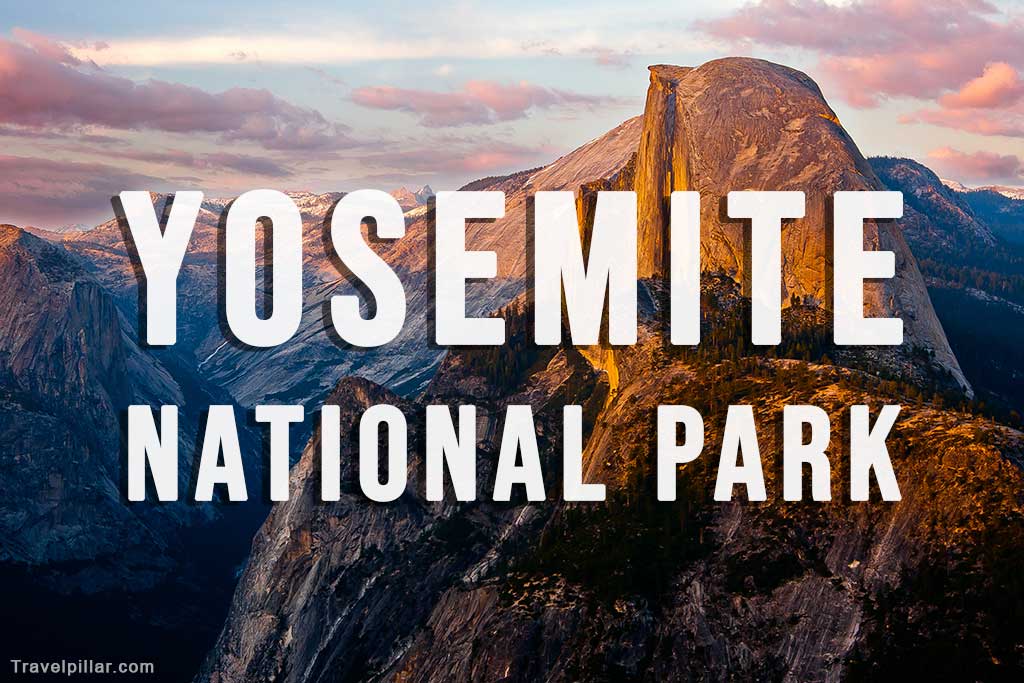
Yosemite National Park is one of the most recognisable natural landscapes in the United States, defined by its vast granite cliffs, powerful waterfalls and ancient giant sequoia groves. Established in 1890, it played an important role in the early development of the national park system and the conservation movement.
The park’s most iconic features are concentrated within Yosemite Valley, where landmarks such as El Capitan and Half Dome rise sharply above the valley floor. Its combination of scale, accessibility and visual impact makes it one of the most visited and widely photographed parks in the country.
Key activities: Hiking to major viewpoints, walking among giant sequoias, and exploring the extensive trail network within Yosemite Valley.
View full Yosemite National Park guide →
Official website: https://www.nps.gov/yose/
2. Grand Canyon National Park (Arizona)

Grand Canyon National Park protects one of the most significant geological formations in the world, where millions of years of Earth’s history are exposed through layers carved by the Colorado River. The canyon extends for over 270 miles and reaches depths of more than a mile, creating a landscape of exceptional scale and clarity.
The South Rim offers the most accessible and frequently visited viewpoints, while the North Rim provides a quieter and more remote experience. Its global recognition, geological importance and visual impact place it among the most important natural sites in the United States.
Key activities: Viewing the canyon from established viewpoints, hiking below the rim, rafting along the Colorado River, and exploring both the South and North Rim areas.
View full Grand Canyon National Park guide →
Official website: https://www.nps.gov/grca/
1. Yellowstone National Park (Wyoming, Montana, Idaho)

Yellowstone National Park, established in 1872, is widely regarded as the world’s first national park and remains one of its most geologically unique. The park sits above a vast volcanic system, producing a concentration of geothermal features unmatched anywhere else, including geysers, hot springs and mud pools.
In addition to its geothermal activity, Yellowstone supports one of the most complete ecosystems in North America, with large populations of bison, elk, wolves and bears. Its combination of scientific significance, landscape diversity and wildlife presence distinguishes it as the most important and comprehensive national park in the United States. Its combination of geological uniqueness, ecosystem completeness and historical significance places it at the top of this list.
Key activities: Observing geysers and hot springs, wildlife viewing in Lamar and Hayden Valleys, and exploring the park via the Grand Loop Road.
View full Yellowstone National Park guide →
Official website: https://www.nps.gov/yell/
Conclusion
The national parks of the United States reflect the scale and diversity of the country’s natural landscape, ranging from geothermal regions and desert canyons to alpine mountain ranges and dense forests. While some parks are defined by a single dominant feature, others combine multiple ecosystems within a single protected area.
This selection highlights ten of the most significant and widely recognised parks, each offering a distinct environment and visitor experience. Taken together, they provide a broad overview of the landscapes preserved within the national park system and serve as a starting point for further exploration.
Choosing the Right National Park
The most suitable national park to visit will depend on individual preferences, available time and location within the United States. While the ranking above reflects overall significance, each park offers a different type of experience.
For first-time visitors, parks such as Yellowstone and Yosemite provide a broad introduction to the range of landscapes and natural features found across the system, combining accessibility with variety.
Those seeking large-scale scenery may prioritise the Grand Canyon or Glacier National Park, where expansive views and dramatic geological formations define the landscape.
For hiking, Zion and Rocky Mountain National Park offer extensive trail networks, ranging from accessible valley walks to more demanding routes at higher elevations.
Wildlife viewing is particularly prominent in Yellowstone and Grand Teton, where large mammals such as bison, elk and bears can often be observed in open environments.
Practical considerations are also important. Many of the most well-known parks are located in the western United States and may require longer travel distances, while others can be more easily incorporated into a broader itinerary.
Each park listed above has its own detailed guide, providing further information to support planning and exploration.