
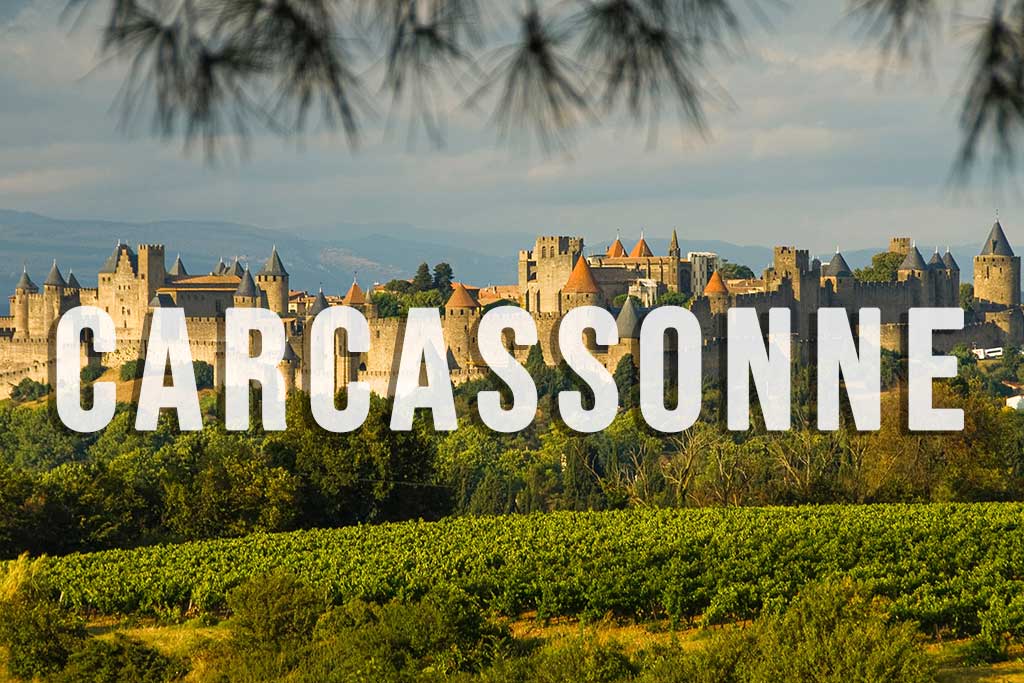
Carcassonne, a fortified city in the Languedoc-Roussillon region of southern France, is a UNESCO World Heritage Site known for its well-preserved medieval architecture, rich history, and picturesque setting. Situated on a hill overlooking the Aude River, Carcassonne’s striking skyline, characterized by its double-walled ramparts and fairy-tale turrets, has captivated visitors for centuries.
The origins of Carcassonne can be traced back to Roman times, but the city’s most significant period of growth occurred during the Middle Ages. The fortified city, known as La Cité, was a stronghold of the Cathars, a Christian sect persecuted by the Catholic Church, and later became an important defensive outpost during the Hundred Years’ War. The impressive fortifications, including the 3-kilometer-long ramparts and more than 50 towers, testify to Carcassonne’s strategic importance throughout history.
Visitors to Carcassonne can explore La Cité’s narrow, cobblestone streets and discover its historic landmarks, such as the Château Comtal, a 12th-century castle that once housed the city’s rulers, and the Basilica of Saints Nazarius and Celsus, a beautiful example of Gothic architecture. Guided tours of the city’s fortifications offer insights into Carcassonne’s military history, engineering marvels, and the daily lives of its inhabitants.
In addition to its historical attractions, Carcassonne is also known for its vibrant cultural scene, with numerous festivals and events held throughout the year. The city’s most famous celebration is the Festival of Carcassonne, an annual summer event featuring music, theater, and dance performances within the historic walls of La Cité.
Carcassonne’s lower town, or La Ville Basse, located across the Aude River, offers a more modern and bustling atmosphere, with a variety of shops, restaurants, and accommodations to suit all tastes and budgets. Visitors can also explore the surrounding countryside, known for its vineyards and picturesque villages.
Official tourism website:
https://www.tourisme-carcassonne.fr/en/
The Best Places to Visit in Carcassonne
Cité de Carcassonne
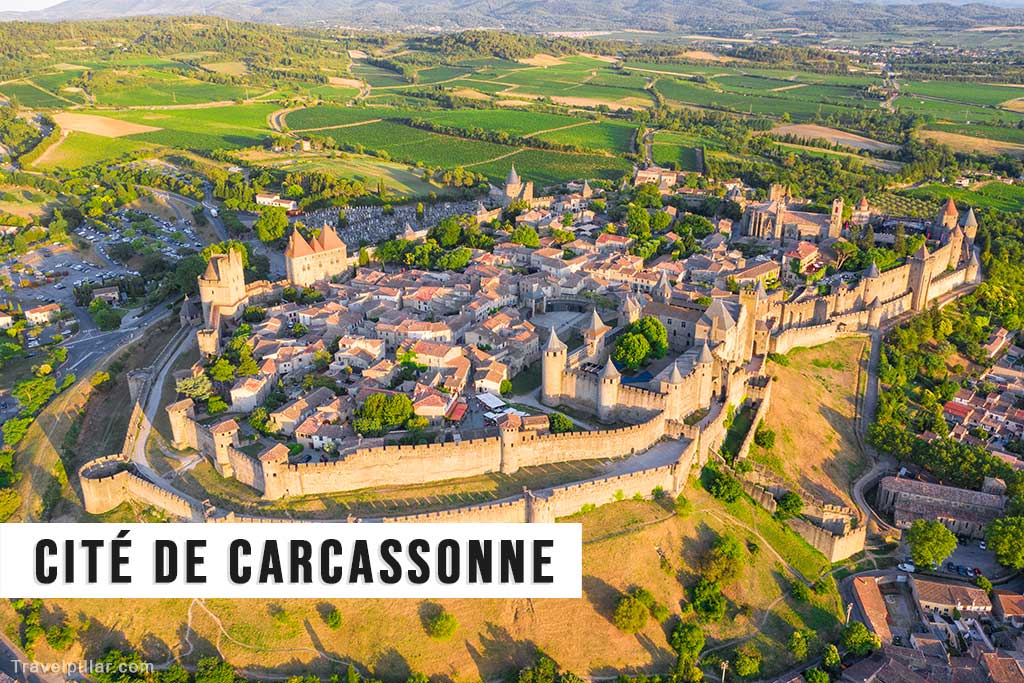
The Cité de Carcassonne is the crown jewel of the region and one of Europe’s most impressive medieval fortifications. Declared a UNESCO World Heritage Site in 1997, this walled city boasts double ramparts stretching over 3 kilometers and features 52 defensive towers. Its cobblestone streets are lined with historic buildings, artisan shops, and traditional restaurants. Originally a Roman settlement, the site evolved over centuries, becoming a key stronghold during the Middle Ages. At night, the illuminated walls create a breathtaking spectacle. Visitors can walk along the ramparts for panoramic views of the surrounding landscape.
Official website: https://www.remparts-carcassonne.fr/
Google map 4.7/5
Château Comtal
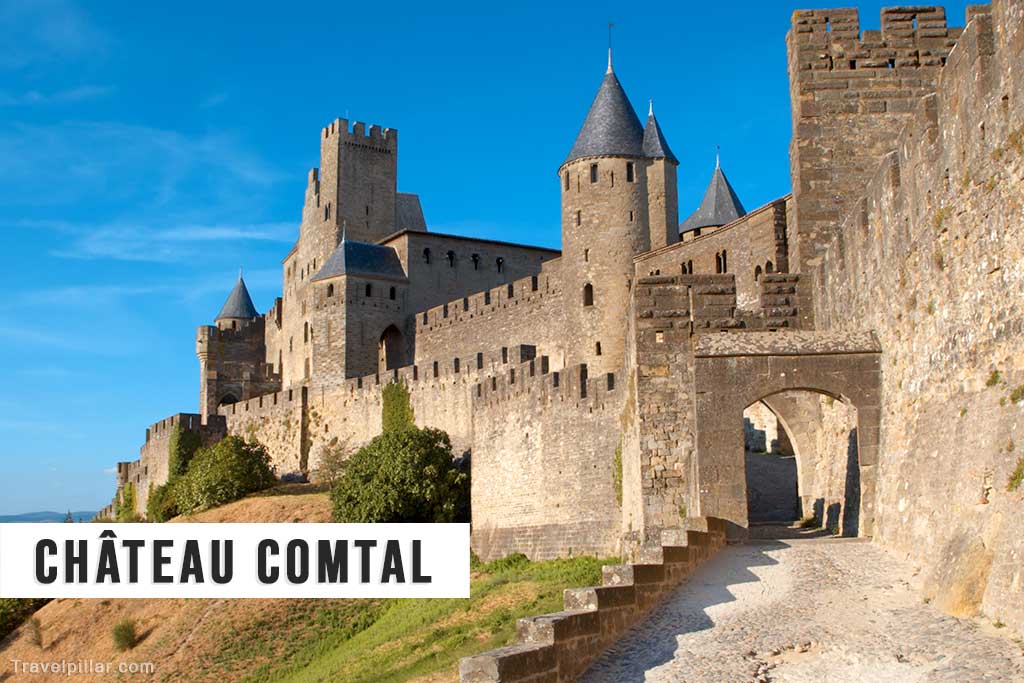
At the heart of the Cité lies the Château Comtal, a meticulously restored 12th-century fortress that played a pivotal role in the region’s history. The castle, with its thick walls and commanding towers, is a prime example of medieval military design. Visitors can explore its inner courtyards, ancient keep, and exhibition spaces displaying artifacts from the Gallo-Roman era through the Middle Ages. Walking the outer ramparts offers spectacular views of both the city and the surrounding countryside.
Google map 4.7/5
Basilica of Saints Nazarius (Basilique Saint Nazaire)
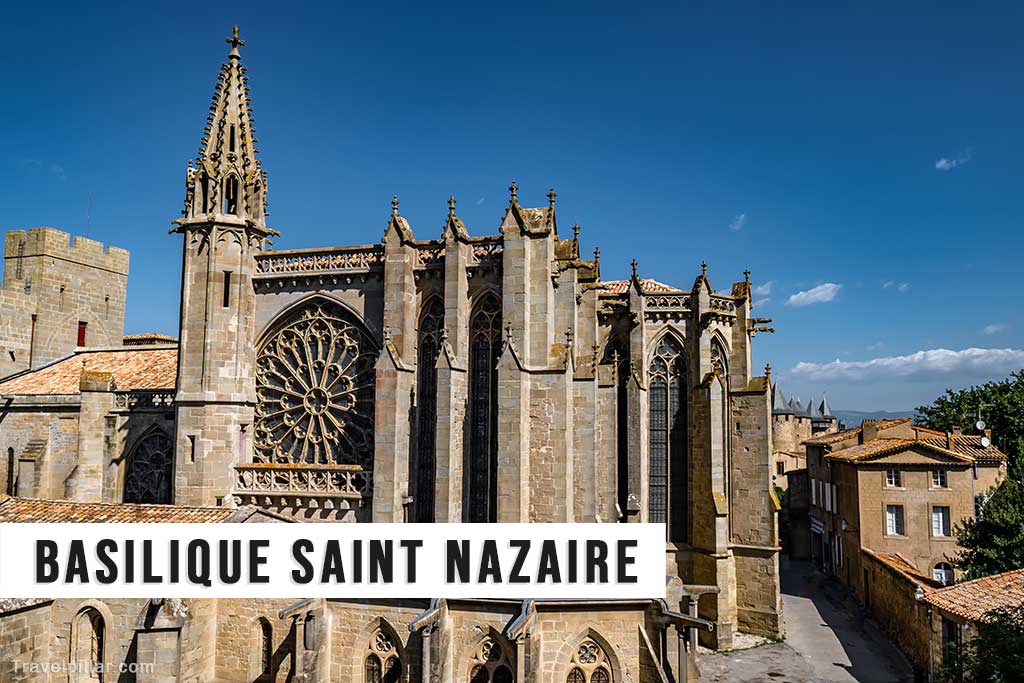
This Gothic and Romanesque basilica is a masterpiece of ecclesiastical architecture. Built between the 11th and 14th centuries, the church is celebrated for its stunning stained-glass windows, which depict scenes from the Bible in vivid color. The soaring stone columns and intricate carvings reflect the artistic craftsmanship of the era. The basilica also hosts occasional organ recitals, enhancing its serene and spiritual atmosphere.
Google map 4.6/5
Pont Vieux
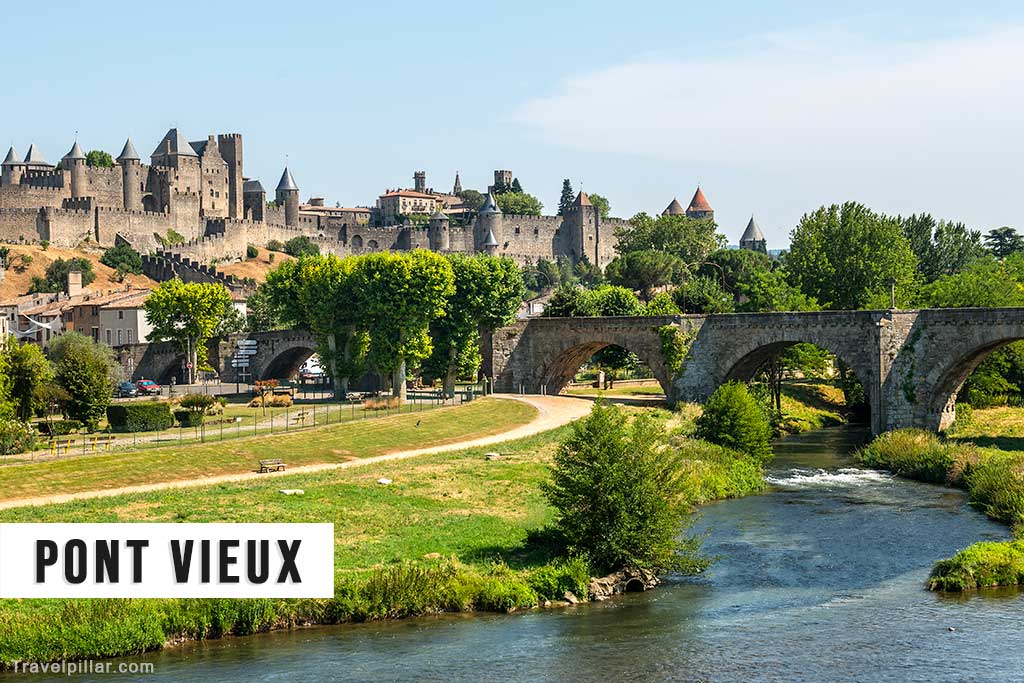
The Pont Vieux, or “Old Bridge,” is a 14th-century stone bridge that connects the fortified Cité with the lower town, Bastide Saint-Louis. Its elegant arches span the Aude River, offering a picturesque spot for photography. The bridge provides a striking view of the medieval walls and is a peaceful place to pause and appreciate the scenery.
Google map 4.7/5
Canal du Midi
The Canal du Midi, a UNESCO World Heritage Site, is an engineering marvel completed in the 17th century to connect the Mediterranean Sea to the Atlantic Ocean. Visitors can enjoy leisurely boat rides, cycle along the shaded towpaths, or simply stroll beside the tranquil waters. The canal is lined with trees and dotted with charming locks, making it a serene escape from the city’s bustling attractions.
Google map 4.3/5
Bastide Saint-Louis
Established in the 13th century, the Bastide Saint-Louis represents the “new town” of Carcassonne. It contrasts with the medieval character of the Cité by offering a more modern yet historically rich atmosphere. The central Place Carnot is a hub of activity, hosting a lively market where visitors can shop for local produce, cheese, and wines. The Bastide is also home to smaller museums, boutiques, and cafes serving regional dishes like cassoulet.
Google map Bastide Saint-Louis
Google map Place Carnot 4.4/5
Museum of the Inquisition
For a deeper dive into the darker chapters of Carcassonne’s history, the Museum of the Inquisition offers a sobering look at medieval justice and the persecution associated with the Catholic Church’s Inquisition. The museum displays torture instruments, documents, and exhibits explaining how heresy was dealt with during the Middle Ages. Though grim, the museum provides valuable context for understanding the city’s past.
Google map 3.4/5
Lac de la Cavayère
This man-made lake, just a short drive from Carcassonne, is a haven for outdoor activities. Often referred to as “Carcassonne Beach,” it features sandy shores, walking trails, and facilities for swimming, paddleboarding, and kayaking. The surrounding woodlands are ideal for hiking and picnicking, making it a popular spot for families and nature lovers alike.
Google map 4.3/5
Carcassonne’s Vineyards
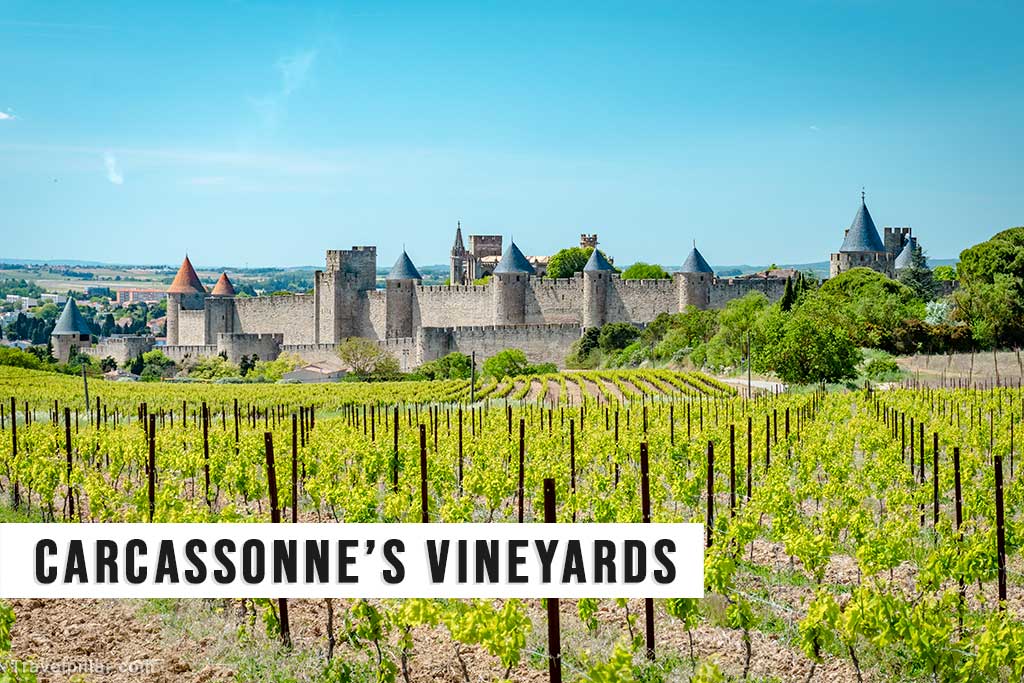
The vineyards surrounding Carcassonne produce some of the Languedoc region’s best wines. Wine enthusiasts can explore estates offering tours and tastings of varieties like Minervois, Corbières, and Malepère. Many wineries combine educational tours with breathtaking views of the countryside, allowing visitors to learn about traditional winemaking techniques while sampling high-quality wines.
Eglise Saint-Gimer
Google map 4.2/5