
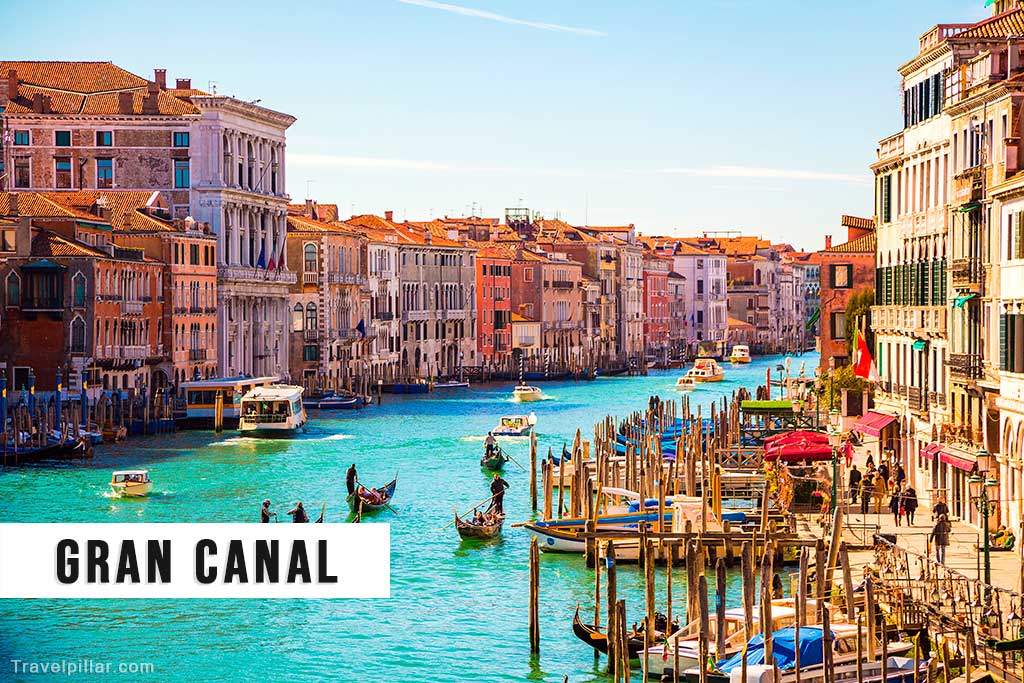
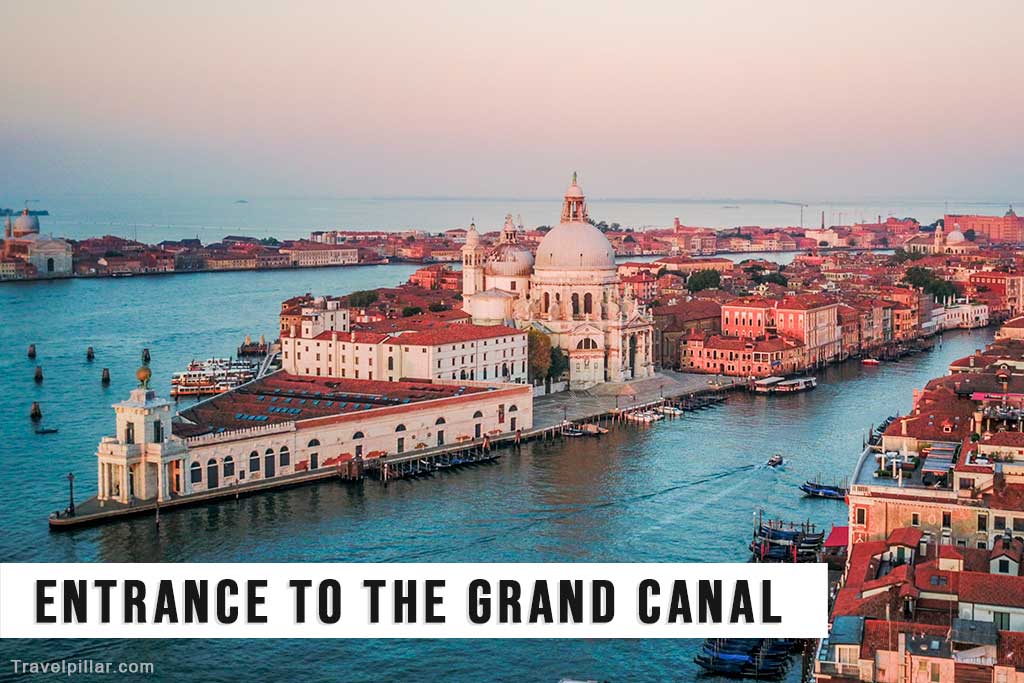
The Grand Canal, or Canal Grande, is the main waterway running through the heart of Venice, Italy. This iconic canal, stretching approximately 3.8 kilometers (2.4 miles), serves as the principal transportation route within the city, reflecting its unique layout and historical significance. The Grand Canal follows a reverse S-shaped course, connecting the lagoon near the Santa Lucia railway station to the Basin of St. Mark’s Square, passing through the core of Venice along the way.
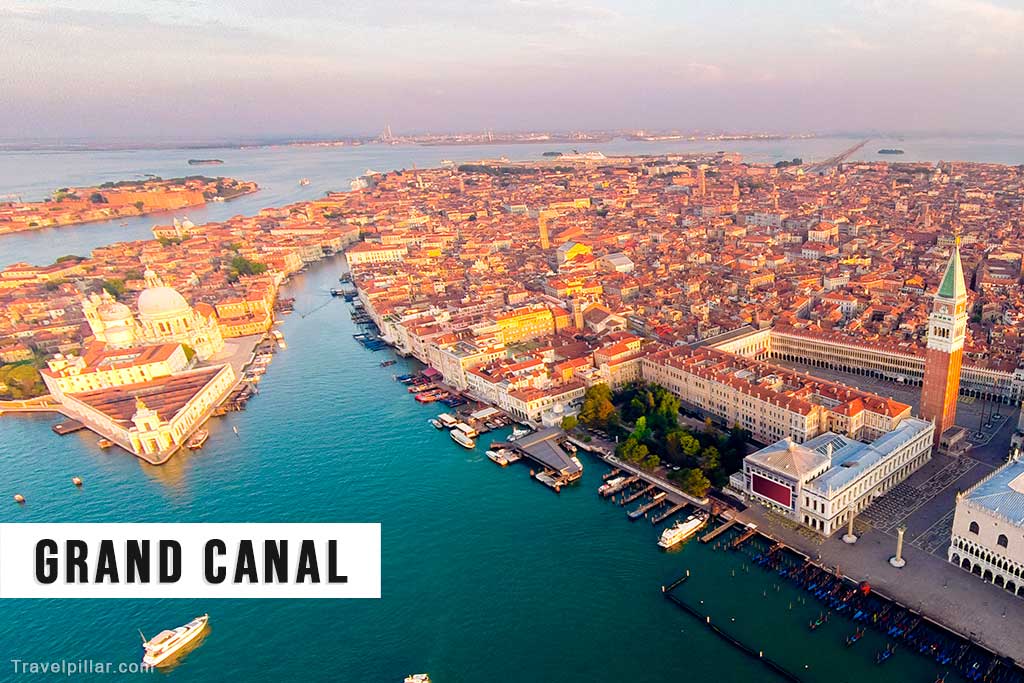
Lined with more than 170 buildings, the Grand Canal is a showcase of Venetian architecture spanning several centuries. The majority of these buildings are palazzos, which were once the residences of wealthy Venetian merchants and nobility. The architectural styles along the canal range from Byzantine and Gothic to Renaissance and Baroque, providing a visual timeline of Venice’s development as a major maritime and trading power. The palazzos, with their ornate facades facing the water, demonstrate the city’s long-standing connection to the sea and its dependence on waterways for trade and transportation.
Among the notable buildings lining the Grand Canal is the Ca’ d’Oro (House of Gold), a 15th-century palace known for its elaborate Gothic architecture and intricate façade, which was originally decorated with gilded details. Today, the Ca’ d’Oro houses an art museum, showcasing a collection of Venetian art and sculptures.
Another significant structure is the Palazzo Barbarigo, a Renaissance palace that stands out for its later addition of mosaics on its façade, created from Murano glass. This building illustrates the blending of traditional Venetian architecture with more modern decorative elements, reflecting Venice’s evolving artistic trends.
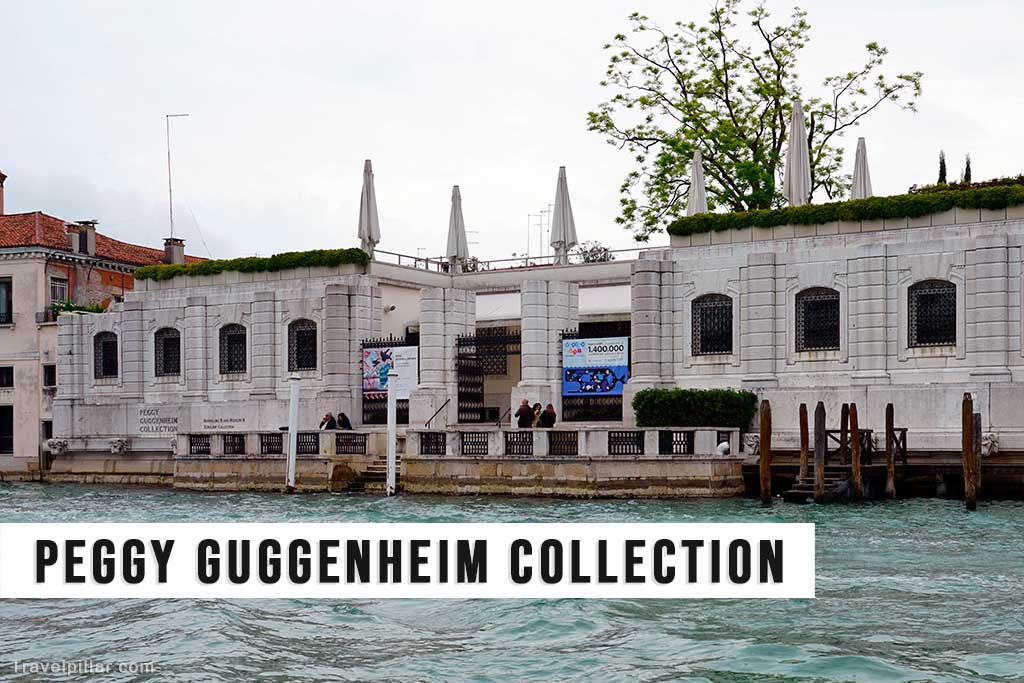
The Palazzo Venier dei Leoni, an unfinished 18th-century palace, is now home to the Peggy Guggenheim Collection, one of Europe’s most important museums of modern art. The juxtaposition of this modern art museum with the historical buildings along the canal underscores the city’s continuous role as a cultural hub.

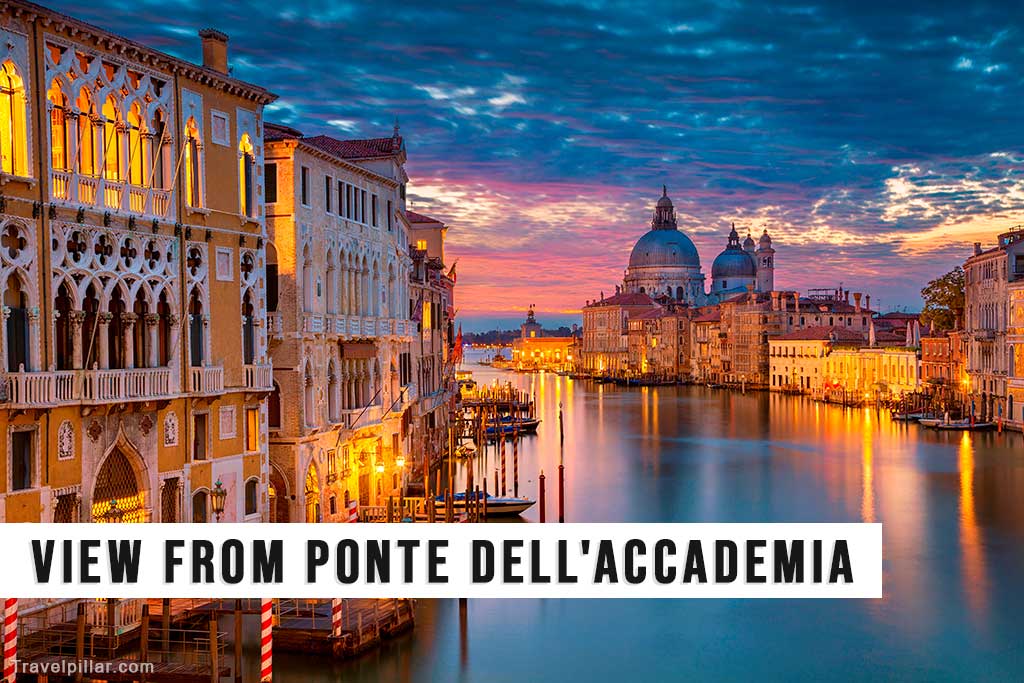
Four bridges span the Grand Canal, providing critical pedestrian links between different parts of Venice. The most famous of these is the Rialto Bridge (Ponte di Rialto), a stone-arch bridge completed in 1591. As one of the oldest and most iconic landmarks in Venice, the Rialto Bridge is a popular spot for visitors to take in views of the canal and the surrounding architecture. The other bridges include the Ponte degli Scalzi, the Ponte dell’Accademia, and the Ponte della Costituzione, which was designed by Santiago Calatrava and opened in 2008, adding a modern touch to the historic cityscape.
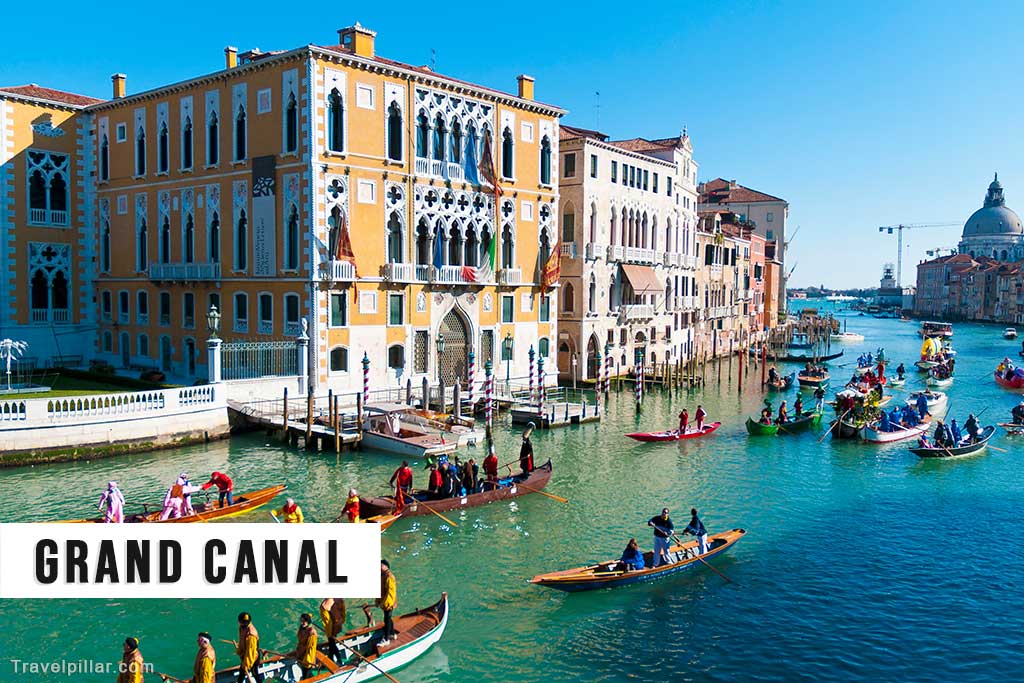
The Grand Canal is also central to many of Venice’s cultural traditions and events. The Regata Storica, an annual boat race held on the first Sunday in September, is one of the most famous events associated with the canal. This historical regatta includes a parade of traditional boats and rowers in period costumes, celebrating Venice’s maritime heritage.
For visitors, the Grand Canal offers various ways to explore Venice. The vaporetto, or water bus, is a convenient and affordable means of transportation that allows travelers to experience the canal and its sights. A more traditional, though expensive, option is a gondola ride, which provides a closer look at the canal’s architecture and a more intimate experience of Venice’s waterways.
The Grand Canal remains a vital part of Venice’s identity, reflecting the city’s history, culture, and enduring connection to the sea. Its combination of historical architecture, cultural significance, and scenic beauty makes it an essential highlight for anyone visiting Venice.
Google map 4.8/5